Bruising or bleeding after an injury is normal (see also How Blood Clots). However, some people have disorders that cause them to bruise or bleed too easily. Sometimes people bleed without any obvious triggering event or injury. Spontaneous bleeding may occur in almost any part of the body, but it is most common in the nose and mouth and the digestive tract.
People with hemophilia often bleed into their joints or muscles. Most often, bleeding is minor, but it can be severe enough to be life-threatening. However, even minor bleeding is dangerous if it occurs in the brain.
Several symptoms may suggest that a person has a bleeding disorder:
Unexplained nosebleeds (epistaxis)
Excessive or prolonged menstrual blood flow (menorrhagia)
Prolonged bleeding after minor cuts, blood drawing, minor surgical or dental procedures, or tooth brushing or flossing
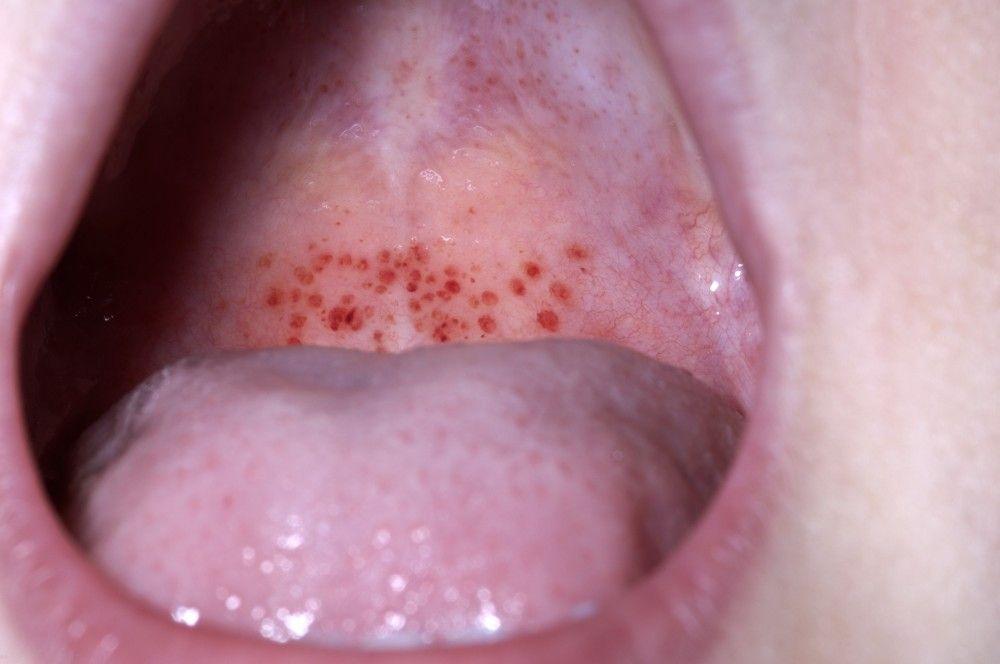
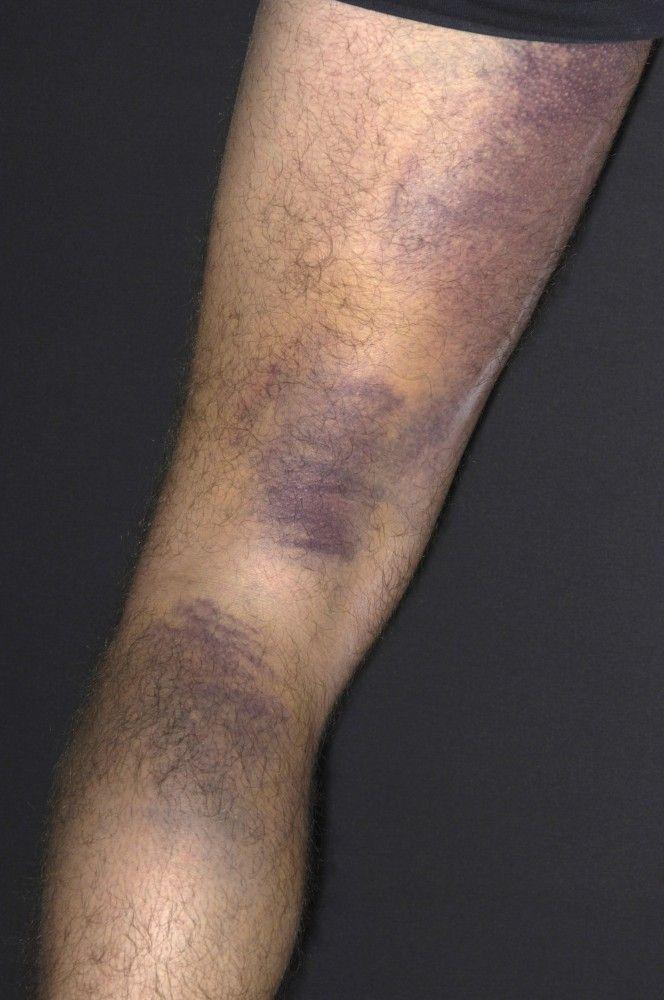
Unexplained skin marks, including tiny dots that may appear red or purple on light skin and brown on dark skin (petechiae), patches that appear red or purple on light skin and brown on dark skin (purpura), bruises (ecchymoses), or small blood vessels that are widened and therefore visible in the skin or mucous membranes (telangiectasias)
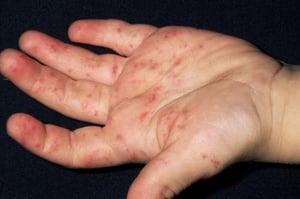
DR P. MARAZZI/SCIENCE PHOTO LIBRARY
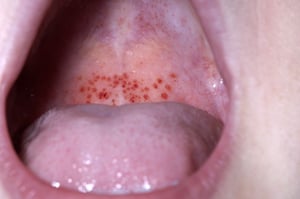
DR P. MARAZZI/SCIENCE PHOTO LIBRARY
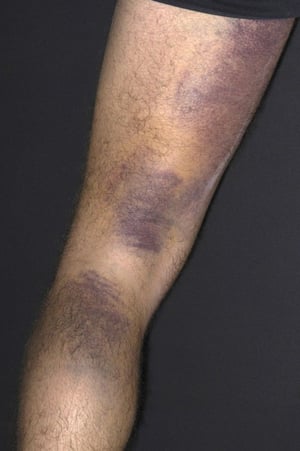
DR P. MARAZZI/SCIENCE PHOTO LIBRARY

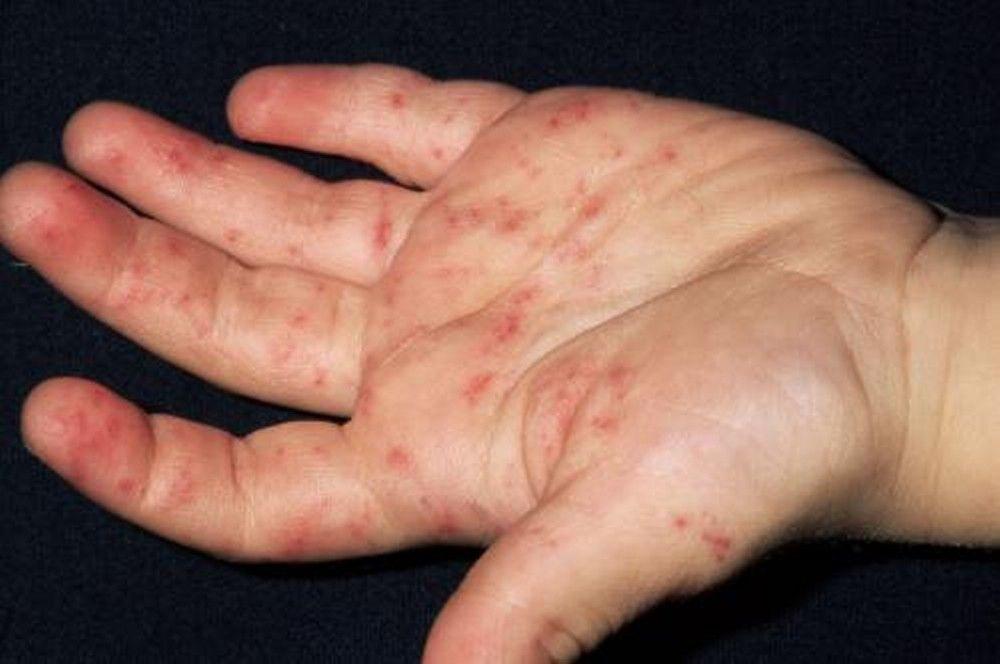
DR P. MARAZZI/SCIENCE PHOTO LIBRARY
DR P. MARAZZI/SCIENCE PHOTO LIBRARY

DR P. MARAZZI/SCIENCE PHOTO LIBRARY
Sometimes a laboratory test done for some other reason shows the person has a susceptibility to bleeding.
Causes of Bruising and Bleeding
Three things are needed to help injured blood vessels stop bleeding: platelets (blood cells that help in blood clotting), blood clotting factors (proteins largely produced by the liver and by certain cells that line blood vessels), and blood vessel narrowing (constriction). An abnormality in any of these factors can lead to excessive bleeding or bruising:
Platelet disorders, including too few platelets (thrombocytopenia), too many platelets, and defective platelet function
Decreased activity of blood clotting factors (for example, due to hemophilia, liver disorders, vitamin K deficiency, or the use of certain drugs or medications)
Defects in blood vessels
Platelet disorders first cause small dots that appear red or purple on light skin and brown on dark skin (called petechiae). Later, if the disorder becomes severe, bleeding may occur. A decrease in blood clotting factors usually causes bleeding and bruising. Defects in blood vessels usually cause red or purple spots and patches on light skin and brown or dark patches on dark skin, rather than bleeding.
Senile purpura and purpura simplex
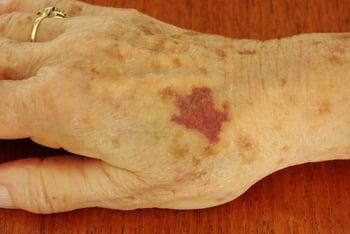
Most commonly, easy or excessive bruising occurs because the skin and blood vessels are fragile. Women are commonly affected with purpura simplex. Older adults are commonly affected with senile purpura. Bruises tend to develop on the thighs, buttocks, and upper arms. However, people have no other symptoms of excessive bleeding, and blood test results are normal. These conditions are not serious, and no treatment is needed.
Common causes
Overall, the most common causes of easy bleeding include
Severe platelet deficiency
Use of medications that inhibit clotting (anticoagulants
Liver disease (causing inadequate production of clotting factors)
Platelet deficiency can be due to inadequate production of platelets by the bone marrow or excessive destruction of platelets (for example, by an enlarged spleen or certain medications or infections).
Medications and blood clots). However, sometimes these medications decrease the body's clotting ability too much, and people have bleeding and/or bruising.
The liver is a major site of blood clotting factor production, and helps to regulate blood clotting, and so people with liver disease (for example, hepatitis or cirrhosis) can have a tendency to bleed easily.
Less common causes
Hemophilia is a hereditary disorder in which the body does not make enough of one of the clotting factors. People have excessive bleeding into deep tissues such as muscles, joints, and the back of the abdominal cavity, usually following minor trauma. Bleeding may occur in the brain, which can be fatal.
Certain disorders trigger the clotting system throughout the body. Instead of causing blood clots everywhere, platelets and clotting factors are quickly used up and bleeding occurs. This process, called disseminated intravascular coagulation (DIC), can be triggered by many conditions, including severe infections, severe injury, labor and delivery, and certain cancers. People with DIC are often already in a hospital. They bleed excessively from needle punctures and often have significant digestive tract bleeding.
Evaluation of Bruising and Bleeding
Doctors first try to establish whether the person's symptoms actually represent easy or excessive bleeding. If so, they look for possible causes. The following information can help people know when to see a doctor and help them know what to expect during the evaluation.
Warning signs
In people with easy bruising or bleeding, certain symptoms and characteristics are cause for concern. They include
Symptoms of serious blood loss, such as sweating, weakness, faintness or dizziness, nausea, or extreme thirst
Pregnancy or recent delivery
Signs of infection, such as fever, chills, diarrhea, or feeling ill all over
Headache, confusion, or other sudden symptoms related to the brain or nervous system
When to see a doctor
People with warning signs should see a doctor right away, as should those who are still bleeding and those who have lost more than a small amount of blood. People without warning signs who notice that they bleed or bruise easily should call their doctor. The doctor determines how quickly to evaluate people based on their symptoms and other factors. Typically, people who do not feel well or have risk factors for bleeding, such as liver disease or use of certain medications, or who have a family history of a bleeding disorder should be seen within a day or two. People who feel well but had a few nosebleeds that stopped on their own or who have bruises or spots on their skin can be seen when practical. A delay of a week or so is unlikely to be harmful.
What the doctor does
Doctors first ask questions about the person's symptoms and medical history. Doctors then do a physical examination. What they find during the history and physical examination sometimes suggests a cause of the bleeding or bruising, but typically tests need to be done.
warfarin, especially if the dose has recently increased, is likely due to the medication. Doctors also ask if the person has a condition that is likely to cause a problem with blood clotting, such as
Severe infection, cancer, liver disease (such as cirrhosis or hepatitis), human immunodeficiency virus infection (HIV infection), pregnancy, systemic lupus erythematosus (lupus), or chronic kidney disease
Prior excessive or unusual bleeding or the need for blood transfusions
Family history of excessive bleeding
People are asked about use of alcohol or intravenous (IV) drugs. Heavy alcohol use is a risk factor for liver disease, and IV drug use is a risk factor for HIV infection.
People with a family history of excessive bleeding are likely to have an inherited bleeding disorder such as hereditary hemorrhagic telangiectasia, hemophilia, or von Willebrand disease. However, not all people with these disorders know about a family history of the disorder.
During the physical examination, doctors check vital signs (temperature, blood pressure, and heart rate). These signs can give an early indication of serious disorders, especially low blood volume or an infection. A high heart rate together with low blood pressure suggests low blood volume due to bleeding. Fever suggests an infection.
Doctors examine the skin and mucous membranes (nose, mouth, and vagina) looking for signs of bleeding. A digital rectal examination is done to look for bleeding from the digestive tract. Doctors also look for signs, such as tenderness during movement and local swelling, that may indicate bleeding in deeper tissues. A person with bleeding inside the head may have confusion, a stiff neck, or neurologic abnormalities (such as headache, vision problems, or weakness). The sites of bleeding may offer a clue to the cause. Bleeding from superficial sites, including skin and mucous membranes, suggests a problem with platelets or blood vessels. On the other hand, bleeding into deep tissues suggests a problem with clotting.
Additional findings may help doctors narrow the cause. Accumulation of fluid in the abdomen (ascites), an enlarged spleen (splenomegaly), and yellow color of the skin and/or eyes (jaundice) suggest bleeding caused by liver disease. A woman who is pregnant or has recently delivered or a person who is in shock or has a fever, chills, and other signs of serious infection is at risk of disseminated intravascular coagulation. In children, fever and digestive upset, especially bloody diarrhea, suggest hemolytic-uremic syndrome. A rash on the legs, joint pain, and digestive upset suggest immunoglobulin─A associated vasculitis.
Testing
Most people with excessive bleeding require blood tests. The initial tests are
Complete blood count (including platelet count), which evaluates all the cellular components of a blood sample
Peripheral blood smear (examination of a sample of blood under a microscope to see whether blood cells are damaged, abnormal, or immature)
Prothrombin time (PT) and partial thromboplastin time (PTT), which measure the activity of blood clotting factors
These tests are considered screening tests. They are done to determine whether the clotting system is normal. If one of these tests reveals an abnormality, additional tests are usually needed to identify the cause.
Other blood tests may be needed to confirm bleeding caused by HIV infection or hepatitis. A bone marrow biopsy may be needed if doctors suspect a bone marrow disorder.
Imaging tests are often done to detect internal bleeding in people with bleeding disorders. For example, computed tomography (CT) of the head should be done in people with severe headaches, head injuries, or impairment of consciousness. Abdominal CT is done in people with abdominal pain.
Treatment of Bruising and Bleeding
The specific treatment for easy bruising and bleeding depends on the cause. For example,
Cancers and infections are treated
Medications that cause bleeding are stopped
Vitamins are given for vitamin deficiency
People with liver disease are sometimes given vitamin K or fresh frozen plasma transfusions
People with more serious bleeding need intravenous fluids and sometimes blood transfusions. Those with a very low platelet count often need platelet transfusions. Doctors may give fresh frozen plasma, which contains all clotting factors, to a person with a clotting disorder until the specific deficiency has been identified. Once the deficient factor is identified, the person can be given a transfusion of that clotting factor.
Essentials for Older Adults: Bruising and Bleeding

Key Points
Excessive bleeding may occur on its own or after minor injury.
Bleeding can range from minimal to massive and is very dangerous if it occurs within the brain.
Disseminated intravascular coagulation is an uncommon but serious cause that most often develops in people who are already ill or in the hospital.
Easy bruising is common and is rarely a cause for concern if people feel well and have no other signs of easy bleeding.