Search
SectionsIndexFirst Aid
  • Blood Disorders
  • Bone, Joint, and Muscle Disorders
  • Brain, Spinal Cord, and Nerve Disorders
  • Cancer
  • Children's Health Issues
  • Digestive Disorders
  • Disorders of Nutrition
  • Drugs
  • Ear, Nose, and Throat Disorders
  • Eye Disorders
  • Fundamentals
  • Heart and Blood Vessel Disorders
  • Hormonal and Metabolic Disorders
  • Immune Disorders
  • Infections
  • Injuries and Poisoning
  • Kidney and Urinary Tract Disorders
  • Liver and Gallbladder Disorders
  • Lung and Airway Disorders
  • Men's Health Issues
  • Mental Health Disorders
  • Mouth and Dental Disorders
  • Older People's Health Issues
  • Skin Disorders
  • Special Subjects
  • Women's Health Issues
ABCDEFGHI
JKLMNOPQR
STUVWXYZ
  • Emergencies
  • Cardiac Arrest
  • Choking
  • Drowning
  • Injuries
  • Altitude Illness
  • Bee Stings
  • Bites, Animal
  • Bites, Human
  • Bites, Snake
  • Burns
  • Electrical Injuries
  • Eye, Blunt Injury to
  • Eye, Chemical Burns of
  • Fractures
  • Frostbite
  • Head Injury
  • Heatstroke
  • Hypoithermia
  • Lightning Injuries
  • Shock
  • Sprains and Strains
  • Wounds
In This Topic
Blood Disorders
White Blood Cell Disorders
Overview of White Blood Cell Disorders
Back to Top
Resources
  • About The Merck Manual Home Health Handbook Online Version
  • Anatomical Drawings
  • The One-Page Merck Manual of Health
  • Multimedia
  • Pronunciations
  • Selected Links
  • Weights and Measures
  • Common Medical Tests
  • Drug Names: Generic and Trade
  • Resources for Help and Information
Manuals available online
'/professional/index.html' + bookPageLink
 
'/home/index.html'
These and other Manuals available
in print, online, and as mobile applications.

See more at MerckManuals.com
Sections in Patients & Caregivers
  • Blood Disorders
  • Bone, Joint, and Muscle Disorders
  • Brain, Spinal Cord, and Nerve Disorders
  • Cancer
  • Children's Health Issues
  • Digestive Disorders
  • Disorders of Nutrition
  • Drugs
  • Ear, Nose, and Throat Disorders
  • Eye Disorders
  • Fundamentals
  • Heart and Blood Vessel Disorders
  • Hormonal and Metabolic Disorders
  • Immune Disorders
  • Infections
  • Injuries and Poisoning
  • Kidney and Urinary Tract Disorders
  • Liver and Gallbladder Disorders
  • Lung and Airway Disorders
  • Men's Health Issues
  • Mental Health Disorders
  • Mouth and Dental Disorders
  • Older People's Health Issues
  • Skin Disorders
  • Special Subjects
  • Women's Health Issues
Chapters in Blood Disorders
  • Biology of Blood
  • Symptoms and Diagnosis of Blood Disorders
  • Blood Transfusion
  • Iron Overload
  • Anemia
  • Blood Clotting Process
  • Bleeding and Clotting Disorders
  • Bleeding Due to Abnormal Blood Vessels
  • Platelet Disorders
  • White Blood Cell Disorders
  • Plasma Cell Disorders
  • Leukemias
  • Lymphomas
  • Myeloproliferative Disorders
  • Spleen Disorders
Topics in White Blood Cell Disorders
  • Overview of White Blood Cell Disorders
  • Neutropenia
  • Neutrophilic Leukocytosis
  • Lymphocytopenia
  • Lymphocytic Leukocytosis
  • Monocyte Disorders
  • Eosinophilic Disorders
  • Basophilic Disorders
 
  • Merck Manual
  • >
  • Patients & Caregivers
  • >
  • Blood Disorders
  • >
  • White Blood Cell Disorders
  • 4
 
Overview of White Blood Cell Disorders

Share This

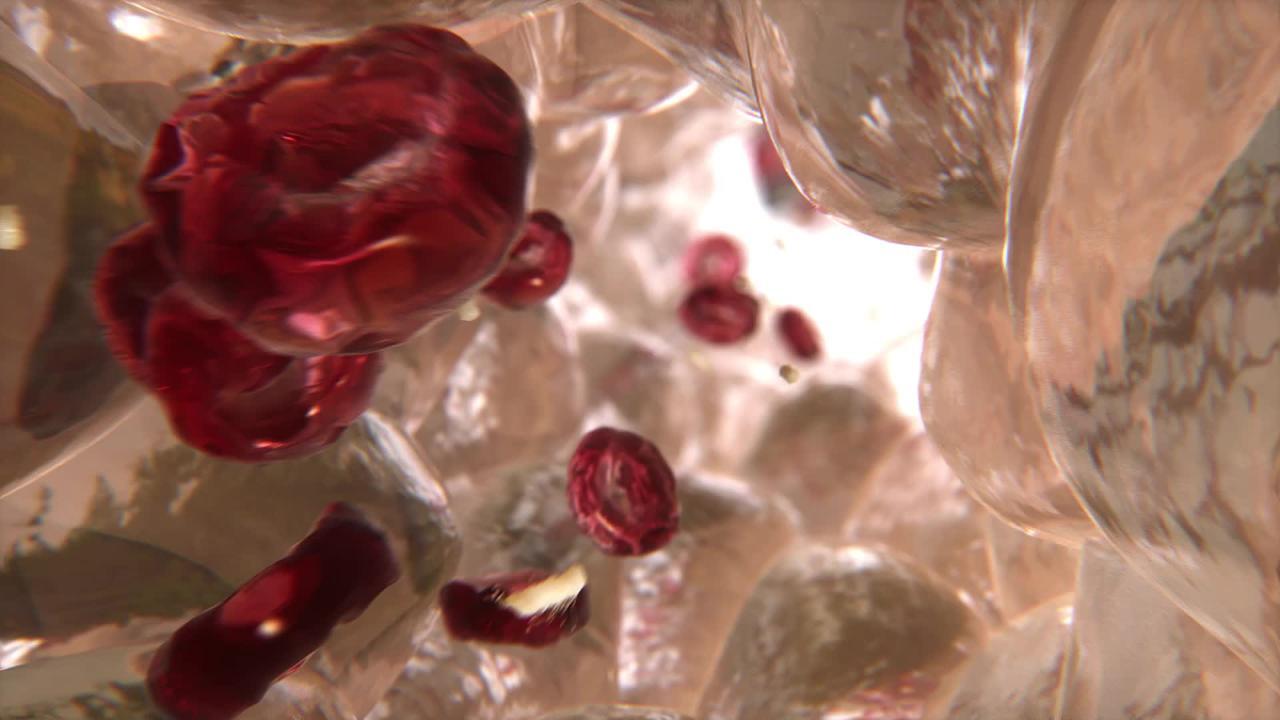
White blood cells (leukocytes) are an important part of the body's defense against infectious organisms and foreign substances. To defend the body adequately, a sufficient number of white blood cells must receive a message that an infectious organism or foreign substance has invaded the body, get to where they are needed, and then kill and digest the harmful organism or substance (see Biology of the Immune System: White blood cells and see Biology of the Immune System: Lymphatic System: Helping Defend Against InfectionFigures).

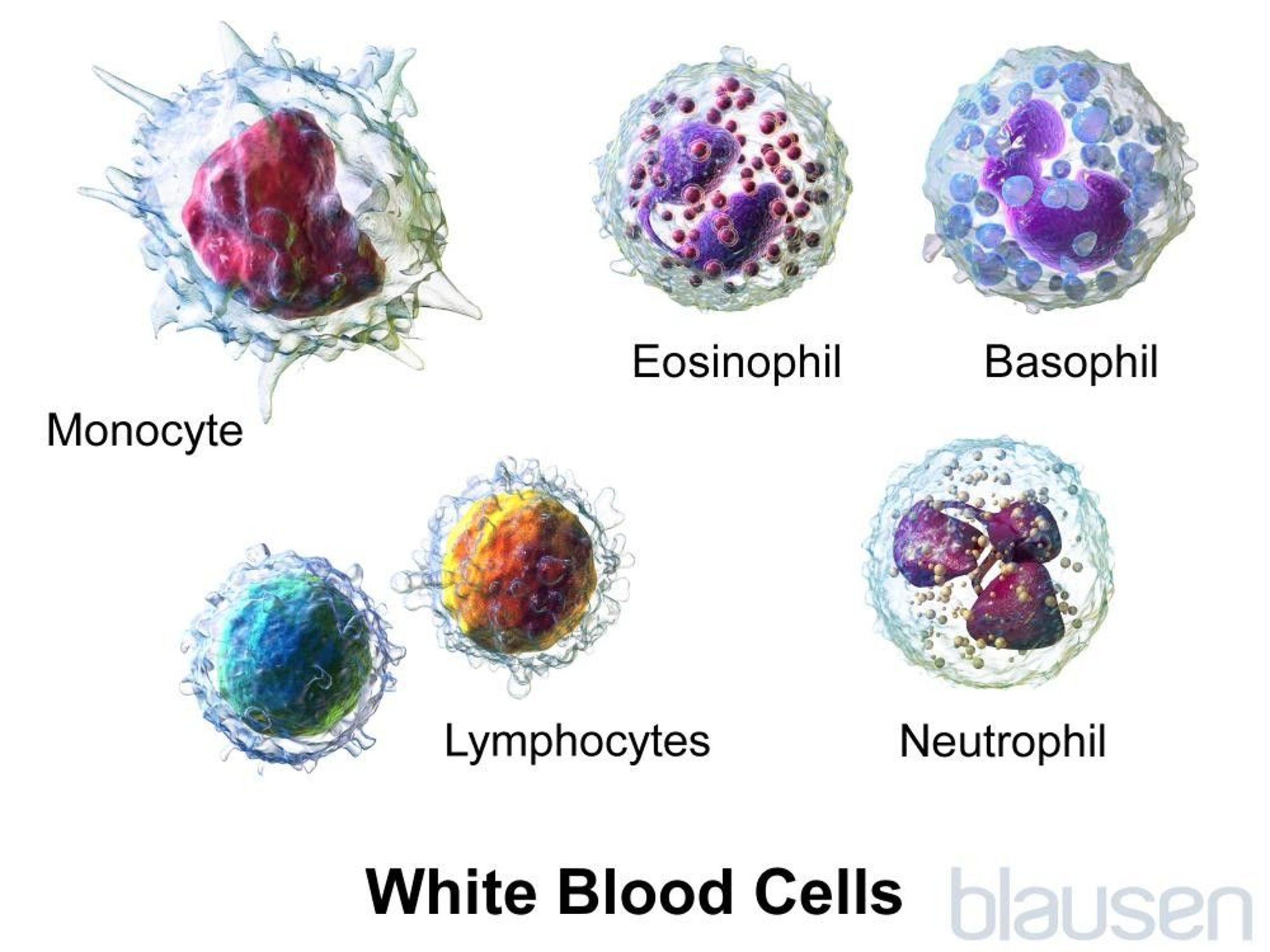
Like all blood cells, white blood cells are produced in the bone marrow. They develop from stem (precursor) cells that mature into one of the five major types of white blood cells:

  • Neutrophils
  • Lymphocytes
  • Monocytes
  • Eosinophils
  • Basophils

Normally, people produce about 100 billion white blood cells a day. The number of white blood cells in a given volume of blood is expressed as cells per microliter of blood. The total white blood cell count normally ranges between 4,000 and 11,000 cells per microliter. The proportion of each of the five major types of white blood cells and the total number of cells of each type can also be determined in a given volume of blood.

Too few or too many white blood cells indicates a disorder. Leukopenia, a decrease in the number of white blood cells to fewer than 4,000 cells per microliter of blood, frequently makes people more susceptible to infections. Leukocytosis, an increase in the number of white blood cells to more than 11,000 cells per microliter of blood, may result from the normal response of the body to help fight an infection. However, an increase in the number of white blood cells can also result when the regulation of white blood cell development is disrupted and immature or abnormal cells are released into the blood.

Some white blood cell disorders involve only one of the five types of white blood cells. Other disorders may involve a few types together or all five types. Disorders of neutrophils and disorders of lymphocytes are the most common. Disorders that involve monocytes and eosinophils are less common, and disorders involving basophils are rare.

Last full review/revision January 2013 by Mary Territo, MD

Buy the Book

Mobile Versions

Pronunciations

basophils

eosinophil

lymphocytes

monocytes

neutrophils

Back to Top

Previous: Overview of Platelet Disorders

Next: Neutropenia

Audio
Figures
Photographs
Pronunciations
Sidebar
Tables
Videos

Copyright     © 2010-2013 Merck Sharp & Dohme Corp., a subsidiary of Merck & Co., Inc., Whitehouse Station, N.J., U.S.A.    Privacy    Terms of Use