Search
SectionsIndexFirst Aid
  • Blood Disorders
  • Bone, Joint, and Muscle Disorders
  • Brain, Spinal Cord, and Nerve Disorders
  • Cancer
  • Children's Health Issues
  • Digestive Disorders
  • Disorders of Nutrition
  • Drugs
  • Ear, Nose, and Throat Disorders
  • Eye Disorders
  • Fundamentals
  • Heart and Blood Vessel Disorders
  • Hormonal and Metabolic Disorders
  • Immune Disorders
  • Infections
  • Injuries and Poisoning
  • Kidney and Urinary Tract Disorders
  • Liver and Gallbladder Disorders
  • Lung and Airway Disorders
  • Men's Health Issues
  • Mental Health Disorders
  • Mouth and Dental Disorders
  • Older People's Health Issues
  • Skin Disorders
  • Special Subjects
  • Women's Health Issues
ABCDEFGHI
JKLMNOPQR
STUVWXYZ
  • Emergencies
  • Cardiac Arrest
  • Choking
  • Drowning
  • Injuries
  • Altitude Illness
  • Bee Stings
  • Bites, Animal
  • Bites, Human
  • Bites, Snake
  • Burns
  • Electrical Injuries
  • Eye, Blunt Injury to
  • Eye, Chemical Burns of
  • Fractures
  • Frostbite
  • Head Injury
  • Heatstroke
  • Hypoithermia
  • Lightning Injuries
  • Shock
  • Sprains and Strains
  • Wounds
In This Topic
Digestive Disorders
Anal and Rectal Disorders
Anorectal Fistula
Symptoms and Diagnosis
Treatment
Back to Top
Resources
  • About The Merck Manual Home Health Handbook Online Version
  • Anatomical Drawings
  • The One-Page Merck Manual of Health
  • Multimedia
  • Pronunciations
  • Selected Links
  • Weights and Measures
  • Common Medical Tests
  • Drug Names: Generic and Trade
  • Resources for Help and Information
Manuals available online
'/professional/index.html' + bookPageLink
 
'/home/index.html'
These and other Manuals available
in print, online, and as mobile applications.

See more at MerckManuals.com
Sections in Patients & Caregivers
  • Blood Disorders
  • Bone, Joint, and Muscle Disorders
  • Brain, Spinal Cord, and Nerve Disorders
  • Cancer
  • Children's Health Issues
  • Digestive Disorders
  • Disorders of Nutrition
  • Drugs
  • Ear, Nose, and Throat Disorders
  • Eye Disorders
  • Fundamentals
  • Heart and Blood Vessel Disorders
  • Hormonal and Metabolic Disorders
  • Immune Disorders
  • Infections
  • Injuries and Poisoning
  • Kidney and Urinary Tract Disorders
  • Liver and Gallbladder Disorders
  • Lung and Airway Disorders
  • Men's Health Issues
  • Mental Health Disorders
  • Mouth and Dental Disorders
  • Older People's Health Issues
  • Skin Disorders
  • Special Subjects
  • Women's Health Issues
Chapters in Digestive Disorders
  • Biology of the Digestive System
  • Symptoms of Digestive Disorders
  • Diagnosis of Digestive Disorders
  • Esophageal Disorders
  • Peptic Disorders
  • Gastroenteritis
  • Hiatus Hernia, Bezoars, and Foreign Bodies
  • Pancreatitis
  • Malabsorption
  • Inflammatory Bowel Diseases (IBD)
  • Clostridium difficile-Induced Colitis
  • Diverticular Disease
  • Irritable Bowel Syndrome (IBS)
  • Anal and Rectal Disorders
  • Tumors of the Digestive System
  • Gastrointestinal Emergencies
Topics in Anal and Rectal Disorders
  • Overview of the Anus and Rectum
  • Anal Fissure
  • Anal Itching
  • Anorectal Abscess
  • Anorectal Fistula
  • Foreign Objects in the Rectum
  • Hemorrhoids
  • Levator Syndrome
  • Pilonidal Disease
  • Proctitis
  • Rectal Prolapse
 
  • Merck Manual
  • >
  • Patients & Caregivers
  • >
  • Digestive Disorders
  • >
  • Anal and Rectal Disorders
  • 4
 
Anorectal Fistula(Fistula in Ano)

Share This

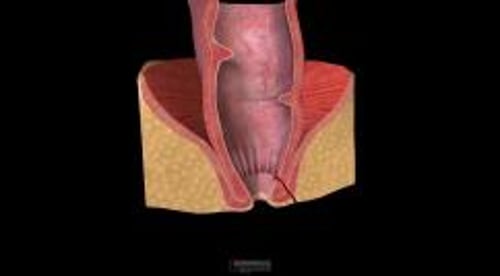
An anorectal fistula is an abnormal channel that leads from the anus or rectum usually to the skin near the anus but occasionally to another organ, such as the vagina.

  • Anorectal fistulas are common among people who have an anorectal abscess, Crohn's disease, or tuberculosis.
  • Anorectal fistulas can cause pain and produce pus.
  • The diagnosis is based on an examination and other viewing techniques.
  • Treatment nearly always involves surgery, but some less invasive alternatives now exist.

Most fistulas begin in a deep gland in the wall of the anus or rectum. Sometimes fistulas occur after drainage of an anorectal abscess, but often the cause cannot be identified. Fistulas are more common among people with Crohn's disease or tuberculosis. They also occur in people with tumors, diverticulitis, cancer, or an anal or rectal injury. A fistula in an infant is usually a birth defect and is more common among boys than girls. Fistulas that connect the rectum and vagina may result from radiation therapy, cancer, Crohn's disease, or an injury to a mother during childbirth.

Symptoms and Diagnosis

An infected fistula may be painful and may discharge pus.

A doctor can usually see one or more openings of a fistula or can feel the fistula beneath the surface. A probe may be inserted to determine its depth and direction. Looking through an anoscope (a short, rigid tube) inserted into the rectum and exploring with the probe, a doctor may locate the internal opening. Inspection with a sigmoidoscope, which is a much longer viewing scope, helps a doctor determine whether the problem is being caused by cancer, Crohn's disease, or another disorder.

Treatment

Previously, the only effective treatment was surgery to open the fistula (fistulotomy). During surgery, sometimes the sphincter is partially cut. If too much of the sphincter is cut, the person may have difficulty controlling bowel movements. Newer surgical procedures use advancement flaps (flaps are stretched over the opening of the fistula) or other procedures to close the internal opening of the fistula. Biologic plugs and fibrin glue instillations are alternatives to fistulotomy.

If the person has diarrhea or Crohn's disease, which may delay wound healing, surgery usually is not performed. Drug treatment for Crohn's disease (see Inflammatory Bowel Diseases (IBD): Prognosis and Treatment) can help a fistula close.

Last full review/revision May 2012 by Parswa Ansari, MD

Buy the Book

Mobile Versions

Pronunciations

anorectal

diverticulitis

fibrin

fistula

Back to Top

Previous: Anorectal Abscess

Next: Foreign Objects in the Rectum

Audio
Figures
Photographs
Pronunciations
Sidebar
Tables
Videos

Copyright     © 2010-2013 Merck Sharp & Dohme Corp., a subsidiary of Merck & Co., Inc., Whitehouse Station, N.J., U.S.A.    Privacy    Terms of Use