Argininevasopressin deficiency (central diabetes insipidus) is a lack of the hormone vasopressin (antidiuretic hormone) that causes excessive production of very dilute urine (polyuria).
Argininevasopressin deficiency has several causes, including a brain tumor, a brain injury, brain surgery, tuberculosis, and some forms of other diseases.
The main symptoms are excessive thirst and excessive urine production.
The diagnosis is based on urine tests, blood tests, and a water deprivation test.
People with argininevasopressin
(See also Overview of the Pituitary Gland.)
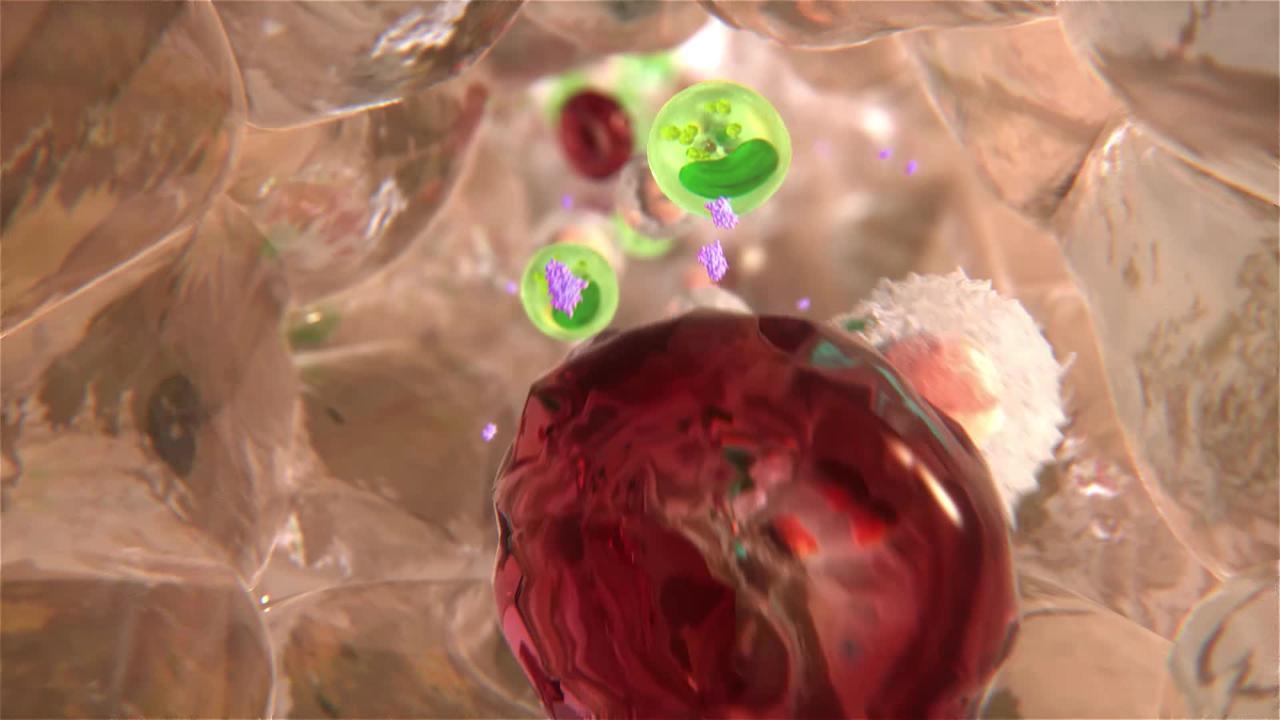
Vasopressin is a hormone produced by the hypothalamus (a region of the brain that lies just above the pituitary) and stored in and released from the posterior lobe of the pituitary gland. Vasopressin helps regulate the amount of water in the body by signalling the kidneys to decrease the amount of urine they produce. Because a diuretic is a substance that increases urine production, vasopressin previously was referred to as antidiuretic hormone.
Causes of ArginineVasopressin Deficiency
Argininevasopressin deficiency results from a deficiency of vasopressin. The deficiency may be
Inherited
Caused by another disorder
Of unknown cause
Other disorders that can cause central diabetes insipidus include
Accidental damage done during surgery on the hypothalamus or pituitary gland
A brain injury, particularly a fracture of the base of the skull
A tumor
An aneurysm (a bulge in the wall of an artery) in an artery leading to the brain
Blockage in an artery leading to the brain
Some forms of encephalitis
Some forms of meningitis
The rare disease Langerhans cell histiocytosis
(nephrogenic diabetes insipidus) is another type of diabetes insipidus in which there is an adequate amount of vasopressin, but abnormalities in the kidneys cause them not to respond to vasopressin.
Symptoms of ArginineVasopressin Deficiency
Symptoms may begin gradually or suddenly at any age. Often the only symptoms are
Excessive thirst
Excessive urine production
The person urinates excessively and often wakes during the night to urinate. A person may drink huge amounts of fluid—4 to 40 quarts (3 to 30 liters) a day—to compensate for the fluid lost in urine. Ice-cold water is often the preferred drink. When compensation is not possible, dehydration can quickly follow, resulting in low blood pressure and shock. The person continues to urinate large quantities of dilute urine, and this excessive urination is particularly noticeable during the night.
Diagnosis of ArginineVasopressin Deficiency
Water deprivation test
Doctors suspect argininevasopressin deficiency in people who produce large amounts of urine. They first test the urine for sugar to rule out diabetes mellitus (a more common cause of excessive urination). Blood tests show abnormal levels of many electrolytes, including a high level of sodium.
The water deprivation test is the best test to diagnose argininevasopressinargininevasopressin deficiency is confirmed if, in response to vasopressin, the person's excessive urination stops, the urine becomes more concentrated, the blood pressure rises, and the heart beats more normally. The diagnosis of nephrogenic diabetes insipidus is made if, after the injection, the excessive urination continues, the urine remains dilute, and blood pressure and heart rate do not change.
Doctors sometimes measure the level of circulating vasopressin or copeptin (a piece of the vasopressin hormone) in the blood to confirm argininevasopressin deficiency. However, vasopressin and copeptin levels are difficult to measure, and the tests are not routinely available. Copeptin and vasopressin levels determined without water deprivation are generally not helpful in diagnosis. Additionally, the water deprivation is so accurate that direct measurement of vasopressin or copeptin is usually unnecessary.
Treatment of ArginineVasopressin Deficiency
Desmopressin
vasopressin) may be taken as a nasal spray twice a day or sometimes as a tablet or as an injection under the skin or into a vein (intravenously). The dose is adjusted to maintain the body's water balance and a normal urine output. Taking too much vasopressin can lead to fluid retention, swelling, and other problems. People with central diabetes insipidus who are undergoing surgery or are unconscious are generally given injections of vasopressin.
Sometimes argininevasopressin deficiency can be controlled with medications that stimulate production of vasopressinargininevasopressin deficiency is severe.