Search
SectionsIndexFirst Aid
  • Blood Disorders
  • Bone, Joint, and Muscle Disorders
  • Brain, Spinal Cord, and Nerve Disorders
  • Cancer
  • Children's Health Issues
  • Digestive Disorders
  • Disorders of Nutrition
  • Drugs
  • Ear, Nose, and Throat Disorders
  • Eye Disorders
  • Fundamentals
  • Heart and Blood Vessel Disorders
  • Hormonal and Metabolic Disorders
  • Immune Disorders
  • Infections
  • Injuries and Poisoning
  • Kidney and Urinary Tract Disorders
  • Liver and Gallbladder Disorders
  • Lung and Airway Disorders
  • Men's Health Issues
  • Mental Health Disorders
  • Mouth and Dental Disorders
  • Older People's Health Issues
  • Skin Disorders
  • Special Subjects
  • Women's Health Issues
ABCDEFGHI
JKLMNOPQR
STUVWXYZ
  • Emergencies
  • Cardiac Arrest
  • Choking
  • Drowning
  • Injuries
  • Altitude Illness
  • Bee Stings
  • Bites, Animal
  • Bites, Human
  • Bites, Snake
  • Burns
  • Electrical Injuries
  • Eye, Blunt Injury to
  • Eye, Chemical Burns of
  • Fractures
  • Frostbite
  • Head Injury
  • Heatstroke
  • Hypoithermia
  • Lightning Injuries
  • Shock
  • Sprains and Strains
  • Wounds
In This Topic
Injuries and Poisoning
Bites and Stings
Scorpion Stings
Back to Top
Resources
  • About The Merck Manual Home Health Handbook Online Version
  • Anatomical Drawings
  • The One-Page Merck Manual of Health
  • Multimedia
  • Pronunciations
  • Selected Links
  • Weights and Measures
  • Common Medical Tests
  • Drug Names: Generic and Trade
  • Resources for Help and Information
Manuals available online
'/professional/index.html' + bookPageLink
 
'/home/index.html'
These and other Manuals available
in print, online, and as mobile applications.

See more at MerckManuals.com
Sections in Patients & Caregivers
  • Blood Disorders
  • Bone, Joint, and Muscle Disorders
  • Brain, Spinal Cord, and Nerve Disorders
  • Cancer
  • Children's Health Issues
  • Digestive Disorders
  • Disorders of Nutrition
  • Drugs
  • Ear, Nose, and Throat Disorders
  • Eye Disorders
  • Fundamentals
  • Heart and Blood Vessel Disorders
  • Hormonal and Metabolic Disorders
  • Immune Disorders
  • Infections
  • Injuries and Poisoning
  • Kidney and Urinary Tract Disorders
  • Liver and Gallbladder Disorders
  • Lung and Airway Disorders
  • Men's Health Issues
  • Mental Health Disorders
  • Mouth and Dental Disorders
  • Older People's Health Issues
  • Skin Disorders
  • Special Subjects
  • Women's Health Issues
Chapters in Injuries and Poisoning
  • First Aid
  • Burns
  • Fractures
  • Facial Injuries
  • Injuries to the Eye
  • Abdominal Injuries
  • Injury to the Urinary Tract
  • Head Injuries
  • Sports Injuries
  • Heat Disorders
  • Cold Injuries
  • Radiation Injury
  • Electrical and Lightning Injuries
  • Drowning
  • Diving and Compressed Air Injuries
  • Motion Sickness
  • Altitude Illness
  • Poisoning
  • Bites and Stings
Topics in Bites and Stings
  • Introduction
  • Animal Bites
  • Human Bites
  • Snake Bites
  • Lizard Bites
  • Spider Bites
  • Bee, Wasp, Hornet, and Ant Stings
  • Puss Moth Caterpillar Stings
  • Insect Bites
  • Tick and Mite Bites
  • Centipede and Millipede Bites
  • Scorpion Stings
  • Marine Animal Stings and Bites
 
  • Merck Manual
  • >
  • Patients & Caregivers
  • >
  • Injuries and Poisoning
  • >
  • Bites and Stings
  • 4
 
Scorpion Stings

Share This

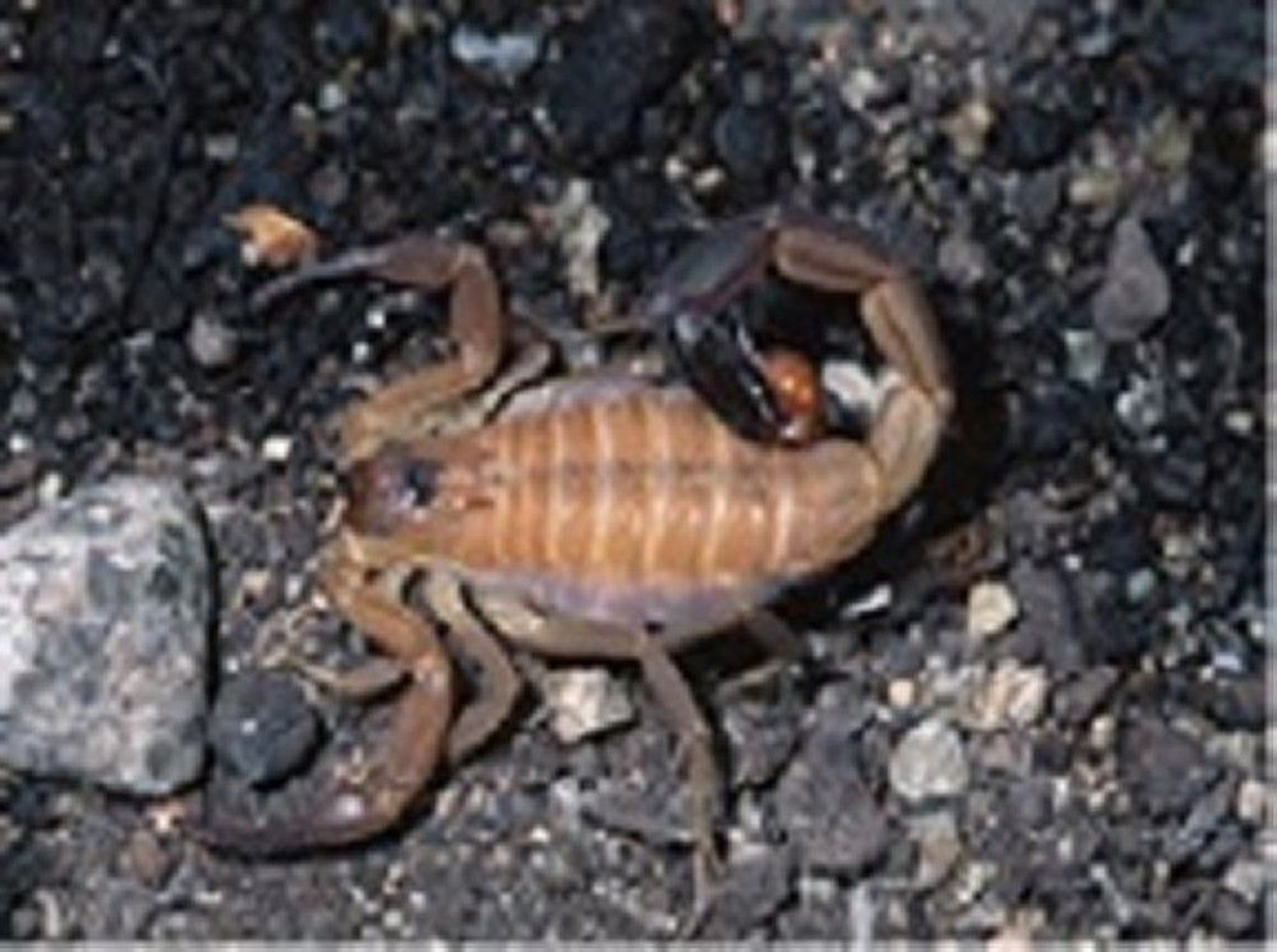
The stings of North American scorpions are rarely serious and usually result in pain, minimal swelling, tenderness, and warmth at the sting site. However, the bark scorpion (Centruroides exilicauda or sculpturatus), which is present in Arizona and New Mexico and on the California side of the Colorado River, has a much more toxic sting. The sting is painful, sometimes causing numbness or tingling in the area around the sting. Serious symptoms are more common in children and include

  • Abnormal head, eye, and neck movements
  • Increased saliva production
  • Sweating
  • Restlessness

Some people develop severe involuntary twitching and jerking of muscles. Breathing may become difficult.

The stings of most North American scorpions require no special treatment. Placing an ice cube on the wound reduces pain. A cream or ointment containing an antihistamine, an anesthetic, a corticosteroid, or a combination of them is often useful. Centruroides stings that result in serious symptoms may require the use of sedatives, such as midazolam, given intravenously. Centruroides antivenom rapidly relieves symptoms, but it may cause a serious allergic reaction or serum sickness. The antivenom is available only in Arizona. It is given only if symptoms are severe.

In areas of the world where scorpions are more poisonous, such as Turkey, the Middle East, and India, stings are treated with drugs and methods that reduce symptoms and complications. PrazosinSome Trade Names
MINIPRESS
, an alpha-adrenergic blocking drug, is sometimes used. Antivenins to specific scorpion venoms are available, but their effectiveness has not been proven.

Last full review/revision February 2009 by Robert A. Barish, MD, MBA

Buy the Book

Mobile Versions

Pronunciations

corticosteroid

Back to Top

Previous: Centipede and Millipede Bites

Next: Marine Animal Stings and Bites

Audio
Figures
Photographs
Pronunciations
Sidebar
Tables
Videos

Copyright     © 2010-2013 Merck Sharp & Dohme Corp., a subsidiary of Merck & Co., Inc., Whitehouse Station, N.J., U.S.A.    Privacy    Terms of Use