Search
SectionsIndexFirst Aid
  • Blood Disorders
  • Bone, Joint, and Muscle Disorders
  • Brain, Spinal Cord, and Nerve Disorders
  • Cancer
  • Children's Health Issues
  • Digestive Disorders
  • Disorders of Nutrition
  • Drugs
  • Ear, Nose, and Throat Disorders
  • Eye Disorders
  • Fundamentals
  • Heart and Blood Vessel Disorders
  • Hormonal and Metabolic Disorders
  • Immune Disorders
  • Infections
  • Injuries and Poisoning
  • Kidney and Urinary Tract Disorders
  • Liver and Gallbladder Disorders
  • Lung and Airway Disorders
  • Men's Health Issues
  • Mental Health Disorders
  • Mouth and Dental Disorders
  • Older People's Health Issues
  • Skin Disorders
  • Special Subjects
  • Women's Health Issues
ABCDEFGHI
JKLMNOPQR
STUVWXYZ
  • Emergencies
  • Cardiac Arrest
  • Choking
  • Drowning
  • Injuries
  • Altitude Illness
  • Bee Stings
  • Bites, Animal
  • Bites, Human
  • Bites, Snake
  • Burns
  • Electrical Injuries
  • Eye, Blunt Injury to
  • Eye, Chemical Burns of
  • Fractures
  • Frostbite
  • Head Injury
  • Heatstroke
  • Hypoithermia
  • Lightning Injuries
  • Shock
  • Sprains and Strains
  • Wounds
In This Topic
Liver and Gallbladder Disorders
Tumors of the Liver
Hepatic Granulomas
Symptoms
Diagnosis
Treatment
Back to Top
Resources
  • About The Merck Manual Home Health Handbook Online Version
  • Anatomical Drawings
  • The One-Page Merck Manual of Health
  • Multimedia
  • Pronunciations
  • Selected Links
  • Weights and Measures
  • Common Medical Tests
  • Drug Names: Generic and Trade
  • Resources for Help and Information
Manuals available online
'/professional/index.html' + bookPageLink
 
'/home/index.html'
These and other Manuals available
in print, online, and as mobile applications.

See more at MerckManuals.com
Sections in Patients & Caregivers
  • Blood Disorders
  • Bone, Joint, and Muscle Disorders
  • Brain, Spinal Cord, and Nerve Disorders
  • Cancer
  • Children's Health Issues
  • Digestive Disorders
  • Disorders of Nutrition
  • Drugs
  • Ear, Nose, and Throat Disorders
  • Eye Disorders
  • Fundamentals
  • Heart and Blood Vessel Disorders
  • Hormonal and Metabolic Disorders
  • Immune Disorders
  • Infections
  • Injuries and Poisoning
  • Kidney and Urinary Tract Disorders
  • Liver and Gallbladder Disorders
  • Lung and Airway Disorders
  • Men's Health Issues
  • Mental Health Disorders
  • Mouth and Dental Disorders
  • Older People's Health Issues
  • Skin Disorders
  • Special Subjects
  • Women's Health Issues
Chapters in Liver and Gallbladder Disorders
  • Biology of the Liver and Gallbladder
  • Diagnosis of Liver, Gallbladder, and Biliary Disorders
  • Manifestations of Liver Disease
  • Drugs and the Liver
  • Cirrhosis and Related Disorders
  • Hepatitis
  • Blood Vessel Disorders of the Liver
  • Tumors of the Liver
  • Gallbladder and Bile Duct Disorders
    Topics in Tumors of the Liver
    • Overview of Liver Tumors
    • Hemangiomas of the Liver
    • Hepatocellular Adenoma
    • Hepatic Granulomas
    • Primary Liver Cancers
    • Metastatic Liver Cancer
       
      • Merck Manual
      • >
      • Patients & Caregivers
      • >
      • Liver and Gallbladder Disorders
      • >
      • Tumors of the Liver
      • 4
       
      Hepatic Granulomas

      Share This

      Hepatic granulomas are small abnormal clumps of cells that form when certain disorders are present.

      Granulomas themselves usually cause no problems, but the disorders that cause them may. Granulomas have many causes. The most common are certain drugs and certain disorders that affect the whole body, often infections (such as tuberculosis and schistosomiasis) and sarcoidosis (see Interstitial Lung Diseases: Sarcoidosis). Granulomas occur less commonly in liver disorders but may be present in primary biliary cirrhosis (see Cirrhosis and Related Disorders: Primary Biliary Cirrhosis).
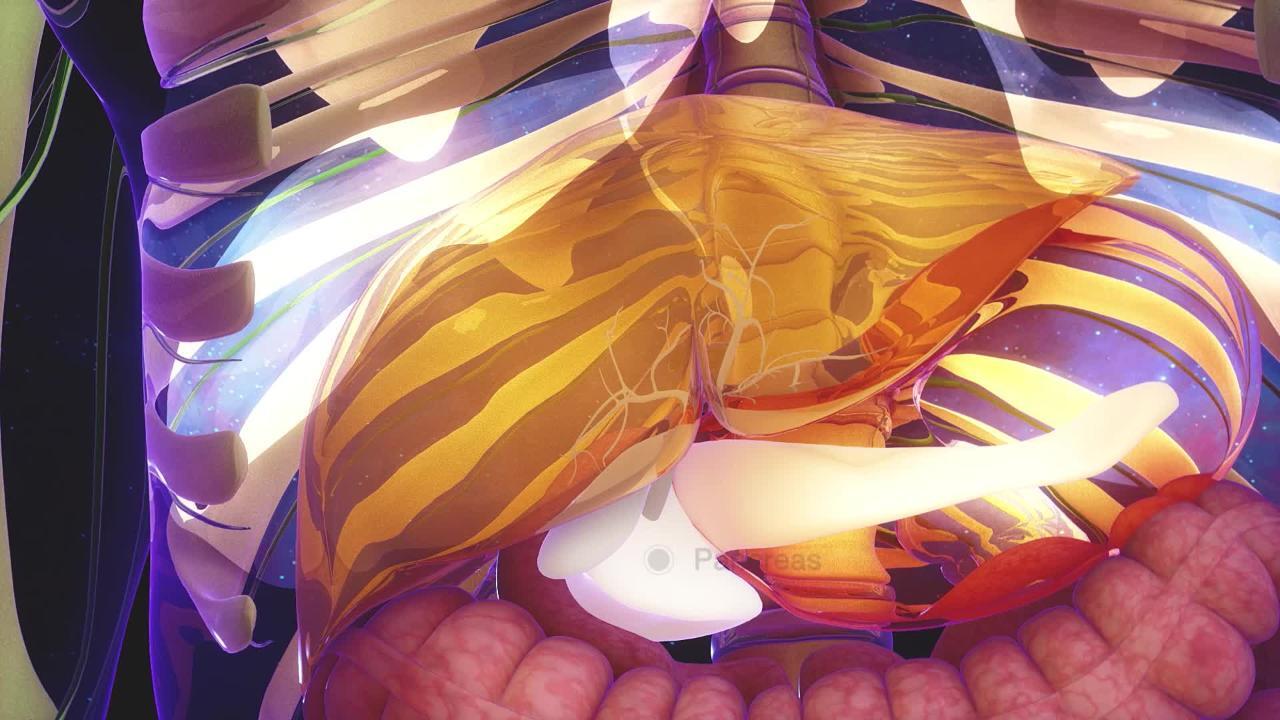
      Granulomas may form when cells of the immune system gather to respond to irritants or to defend the body against foreign substances in the liver. Usually, liver function is unaffected. However, granulomas may form as part of widespread inflammation, which may be a reaction to a drug or to an infection. If inflammation is widespread, the liver may malfunction. Rarely, scar tissue forms, and high blood pressure develops in the veins that bring blood from the intestine to the liver (called portal hypertension).

      Symptoms

      Granulomas themselves typically cause no symptoms. The liver may enlarge slightly, and mild jaundice (a yellowish discoloration of the skin and the whites of the eyes) may develop. Other symptoms, if they develop, result from the disorder causing the granulomas. Granulomas caused by sarcoidosis may disappear spontaneously or persist for years without causing any noticeable symptoms.

      Idiopathic granulomatous hepatitis is a rare disorder of unknown cause. It causes granulomas, fever, muscle aches, and fatigue. These symptoms often occur intermittently for years.

      Diagnosis

      Doctors ask questions about drug use and other disorders that could cause granulomas. Doctors also do blood tests to evaluate liver function and imaging tests, such as ultrasonography, computed tomography (CT), or magnetic resonance imaging (MRI). However, the results may be inconclusive. Biopsy (removal of a small sample of liver tissue with a needle for examination under a microscope) may be needed to confirm the diagnosis. Other tests, such as cultures, may be needed to identify the cause.

      Treatment

      The underlying disorder is treated. Stopping a drug that can cause granulomas or treating an infection usually causes the granulomas to disappear.

      Sometimes corticosteroids are used to treat sarcoidosis, but whether they prevent the disorder from progressing is uncertain.

      Last full review/revision January 2013 by Steven K. Herrine, MD

      Buy the Book

      Mobile Versions

      Pronunciations

      biliary

      cirrhosis

      computed tomography

      corticosteroid

      granuloma

      granulomatous

      hepatitis

      idiopathic

      primary biliary cirrhosis

      sarcoidosis

      schistosomiasis

      ultrasonography

      Back to Top

      Previous: Hepatocellular Adenoma

      Next: Primary Liver Cancers

      Audio
      Figures
      Photographs
      Pronunciations
      Sidebar
      Tables
      Videos

      Copyright     © 2010-2013 Merck Sharp & Dohme Corp., a subsidiary of Merck & Co., Inc., Whitehouse Station, N.J., U.S.A.    Privacy    Terms of Use