Sunlight stimulates vitamin D production, helps control some chronic skin diseases (such as psoriasis), and causes a sense of well-being. However, sunlight can cause skin damage.


Damage includes not only a painful sunburn but also wrinkling and other changes associated with aging skin (photoaging), actinic keratoses, skin cancers, and even allergic reactions and worsening of some skin diseases (see Photosensitivity Reactions).
Ultraviolet light
Ultraviolet (UV) light, although invisible to the human eye, is the component of sunlight that has the most effect on skin. UV light is classified into 3 types, depending on its wavelength:
Ultraviolet A (UVA)
Ultraviolet B (UVB)
Ultraviolet C (UVC)
UV light (all types) damages deoxyribonucleic acid (DNA—the body's genetic material), which can ultimately lead to cancer. UV light also causes damaging effects such as premature skin aging and wrinkling. Sunburn can also result from UV light, primarily UVB. There is no recommended safe level of UV light.
The amount of UV light reaching the earth's surface is increasing, especially in the northern latitudes. This increase is caused by depletion of the protective ozone layer high in the atmosphere. Ozone, a naturally occurring chemical, blocks much UV light from reaching the surface of the earth. Chemical reactions between ozone and chlorofluorocarbons (chemicals in refrigerants and spray can propellants) are depleting the amount of ozone in the protective ozone layer.
The amount of UV light reaching the earth's surface also varies depending on other factors. UV light is more intense between 10 AM and 4 PM, during the summer, and at high altitudes and low latitudes (such as at the equator). Glass, heavy clouds, smoke, and smog filter out much UV light, but UV rays may pass through light clouds, fog, and about 1 foot of clear water, potentially causing severe burns.
Natural protection
The skin undergoes certain changes when exposed to UV light, to protect against damage. The epidermis (the skin's uppermost layer) thickens, blocking UV light. The melanocytes (pigment-producing skin cells) make increased amounts of melanin, a brownish-colored pigment that darkens the skin, resulting in a tan. Tanning provides some natural protection against future exposure to UV radiation because melanin absorbs the energy of UV light and helps prevent the light from damaging skin cells and penetrating deeper into the tissues. Otherwise, tanning has no health benefits. Tanning for the sake of being tanned is hazardous to health (see sidebar Are Tans Healthy?).
Sensitivity to sunlight varies according to the amount of melanin in the skin. Darker-skinned people have more melanin than lighter-skinned people and therefore greater built-in protection against the sun's harmful effects. However, darker-skinned people are still vulnerable to sun damage and the long-term effects of exposure to UV light.
Did You Know...
|
The amount of melanin present in a person's skin depends on heredity as well as on the amount of recent sun exposure. Some people are able to produce large amounts of melanin in response to UV light, whereas others produce very little. People with blond or red hair are especially susceptible to the short-term and long-term effects of UV radiation, because they are not able to produce enough melanin. The melanin in their skin can also become distributed unevenly, resulting in freckling. People with vitiligo have patchy areas of skin that have no pigment. People with albinism have little or no melanin at all.
Photoaging
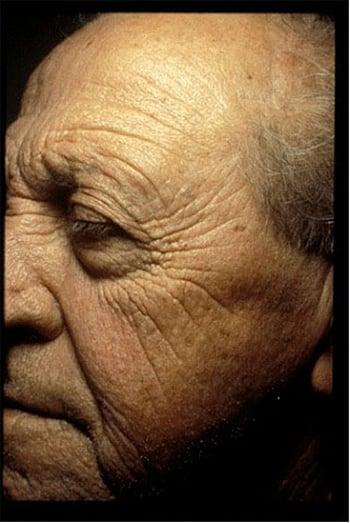
Exposure to sunlight prematurely ages the skin. Damage to the skin caused by prolonged exposure to sunlight is known as photoaging. Exposure to UV light causes fine and coarse wrinkles, irregular pigmentation, large frecklelike spots called lentigines, a yellowish complexion, and a leathery, rough skin texture. Although fair-skinned people are most vulnerable, anyone's skin will change with enough exposure.

Actinic keratoses
Actinic keratoses are precancerous growths caused by long-term sun exposure. These growths are usually pink, red, or, less commonly, gray or brown. They feel rough and scaly.
Seborrheic keratoses look similar to actinic keratoses. They may appear on areas of the skin that are not exposed to sunlight but are not precancerous.
Skin cancers
The more sun exposure people have, the higher their risk of precancerous growths and skin cancers, including squamous cell carcinoma, basal cell carcinoma, and malignant melanoma. Skin cancer is especially common among people who were extensively exposed to sunlight as children and adolescents and among those who are continuously exposed to the sun as part of their profession or recreational activities (such as athletes, farmers, ranchers, sailors, and frequent sunbathers). In addition, UV exposure in tanning salons increases the risk of skin cancer and skin damage.
Treatment of Sunlight and Skin Damage
Sunburn prevention
For photoaging, treatments applied to the skin
To minimize the damaging effects of the sun, it is particularly important to avoid further sun exposure and tanning beds, wear protective clothing, and apply sunscreens (see sunburn prevention). Because sunlight can penetrate glass, and because sun exposure often occurs before a person thinks about preventing it, applying sunscreen routinely, even when indoors, can help prevent photoaging. Damage that is already done is difficult to reverse.
Moisturizing creams temporarily plump up wrinkles, and makeup helps hide imperfections in skin color (such as freckles, sun spots, and lentigines) and some fine wrinkles. Deep wrinkles and substantial skin damage, however, require significant treatment to be reversed.
Photoaging
Although these treatments can improve the look of superficial skin changes (for example, fine wrinkles, irregular pigmentation, yellowish or brownish discoloration, and roughness), they have much less of an effect on deeper wrinkles and substantial skin damage.
Actinic keratoses
For treatment of actinic keratoses, see Actinic Keratoses.
Skin cancers
For treatment of skin cancers, see Skin Cancers.