The term shin splints refers to nonspecific pain that occurs in the lower legs during running sports.
Repetitive impact forces during jogging, running, or vigorous walking (eg, hiking) can overload the musculotendinous unit and cause shin pain. Such pain sometimes results from a specific injury (eg, tibial stress fracture, exercise-induced compartment syndrome, tibial periostitis, excessive foot pronation), but often an exact cause cannot be identified. In such cases, the term shin splints is used.
Symptoms and Signs of Shin Splints
Pain can occur in the anterior or posterior aspect of the leg and typically begins at the start of activity but then lessens as activity continues. Pain that persists during rest suggests another cause, such as stress fracture of the tibia.
Diagnosis of Shin Splints
Usually clinical
On examination, severe localized tenderness is usually present over the anterior compartment muscles, and sometimes there is palpable bone pain.
X-ray findings are usually unremarkable, regardless of the cause. If a stress fracture is suspected, a bone scan may be necessary.
Exercise-induced compartment syndrome is diagnosed by using a specialized manometer to document increased intra-compartmental pressure during exercise.
Treatment of Shin Splints
Modification of activity
Stretches, nonsteroidal anti-inflammatory drugs (NSAIDs)
Running must be stopped until it causes no pain. Early treatment is ice, NSAIDs, and stretching of the anterior and posterior calf muscles. During the rest phase of treatment, deconditioning can be minimized by encouraging cross-training techniques that do not require repetitive weight-bearing activity, such as swimming.
Once symptoms have resolved, it is advised that a return to running be gradual. Wearing supportive shoes with rigid heel counters and arch supports helps support the foot and ankle during running and can aid recovery and prevent further symptoms. Avoiding running on hard surfaces (eg, cement roads) can also help. Exercising the front of the calves by dorsiflexing the ankle against resistance (eg, rubber bands or a dorsiflexion machine) increases leg muscle strength and can help prevent shin pain.
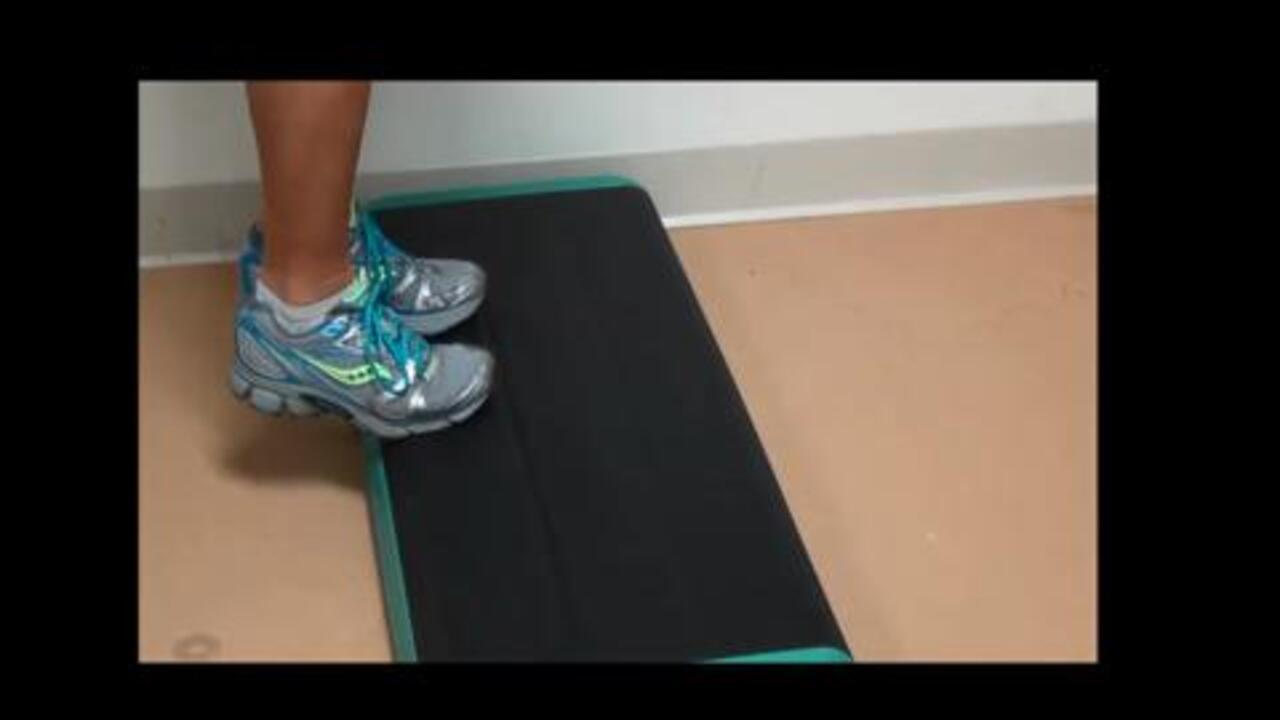
Courtesy of Tomah Memorial Hospital, Department of Physical Therapy, Tomah, WI; Elizabeth C.K. Bender, MSPT, ATC, CSCS; and Whitney Gnewikow, DPT, ATC.
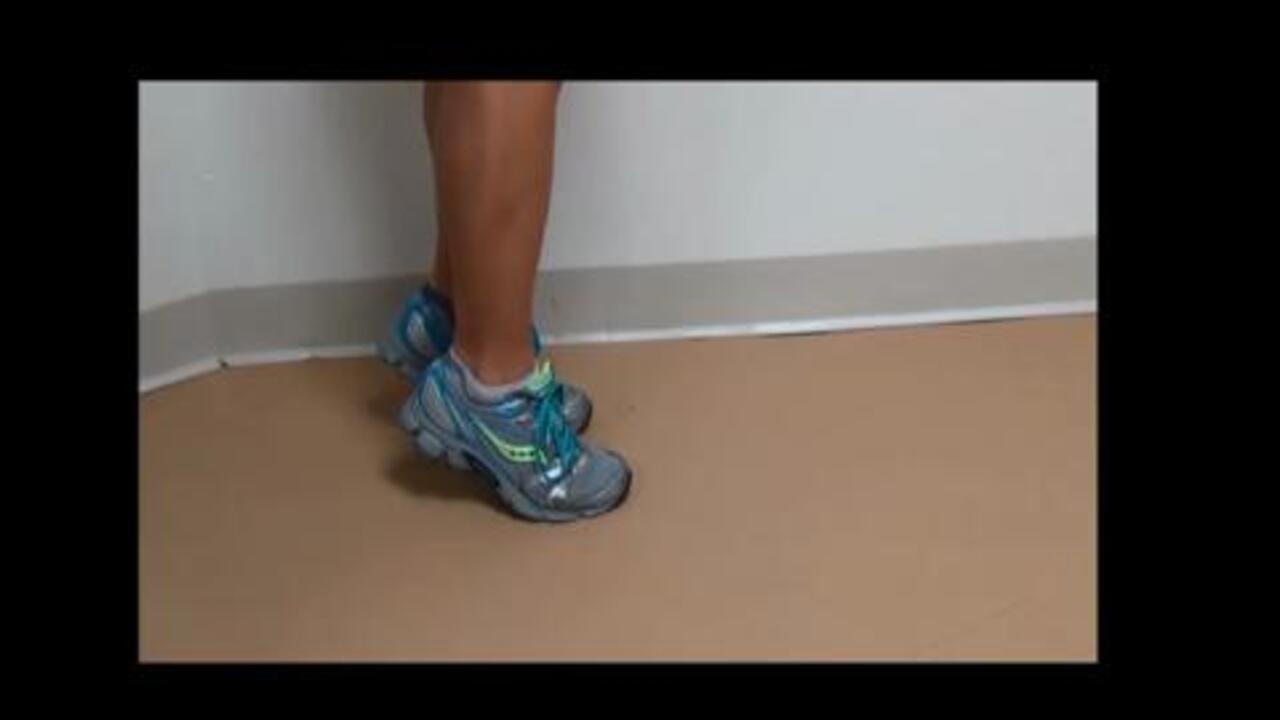
Courtesy of Tomah Memorial Hospital, Department of Physical Therapy, Tomah, WI; Elizabeth C.K. Bender, MSPT, ATC, CSCS; and Whitney Gnewikow, DPT, ATC.
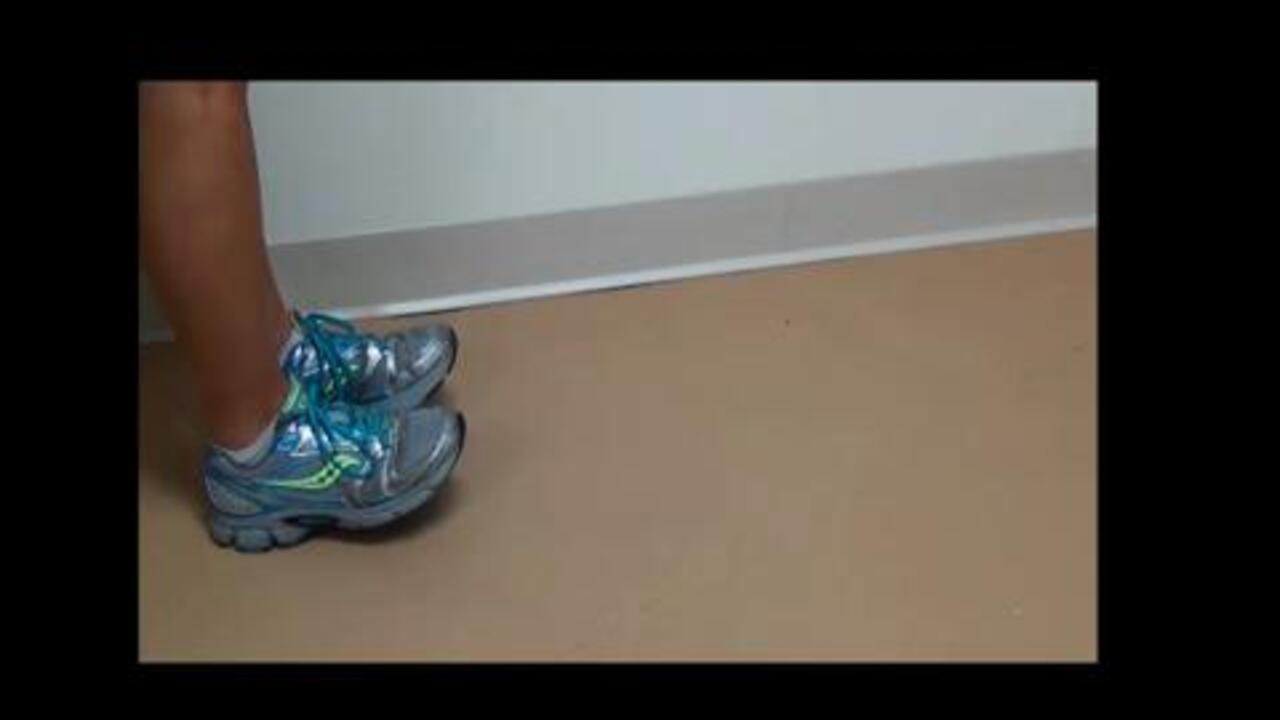
Courtesy of Tomah Memorial Hospital, Department of Physical Therapy, Tomah, WI; Elizabeth C.K. Bender, MSPT, ATC, CSCS; and Whitney Gnewikow, DPT, ATC.
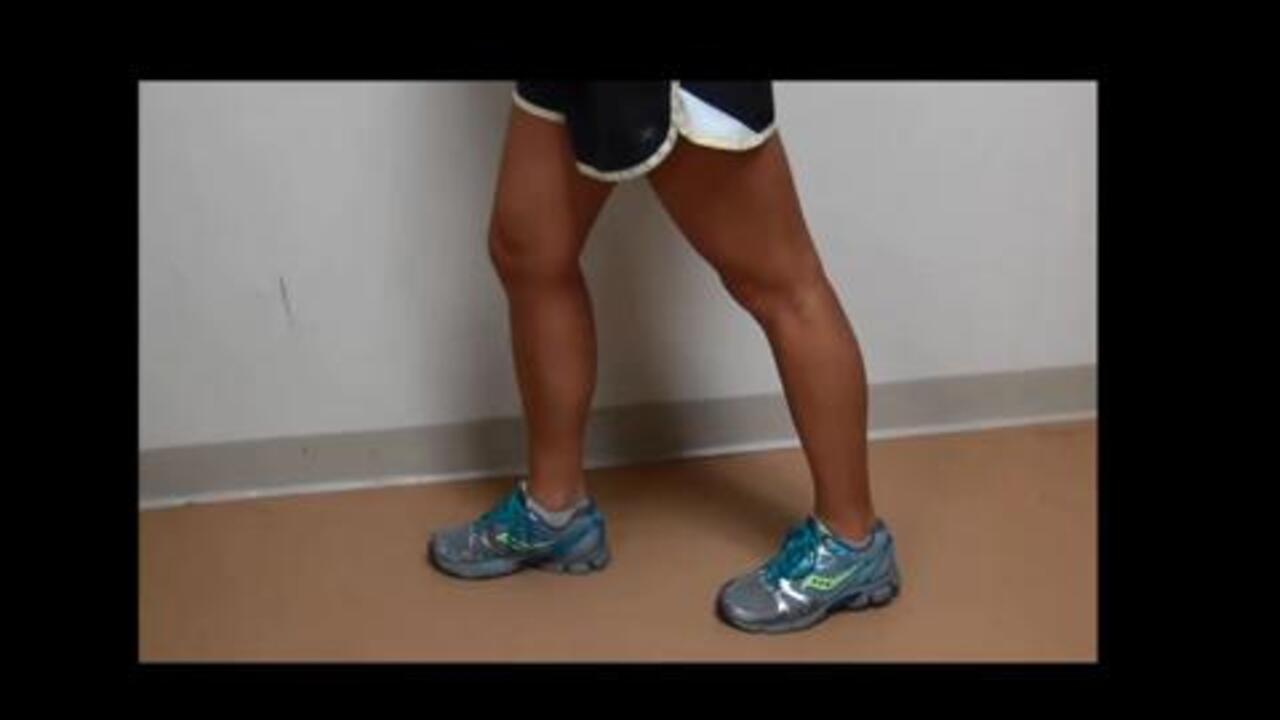
Courtesy of Tomah Memorial Hospital, Department of Physical Therapy, Tomah, WI; Elizabeth C.K. Bender, MSPT, ATC, CSCS; and Whitney Gnewikow, DPT, ATC.
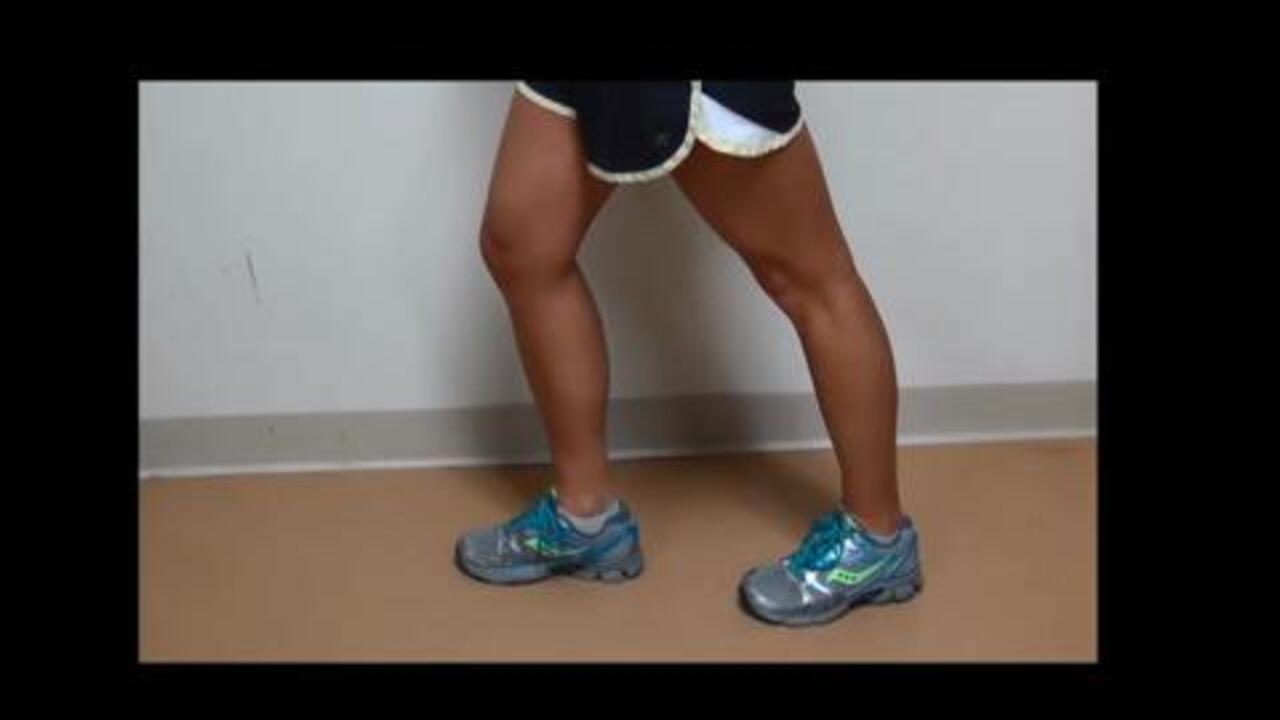
Courtesy of Tomah Memorial Hospital, Department of Physical Therapy, Tomah, WI; Elizabeth C.K. Bender, MSPT, ATC, CSCS; and Whitney Gnewikow, DPT, ATC.
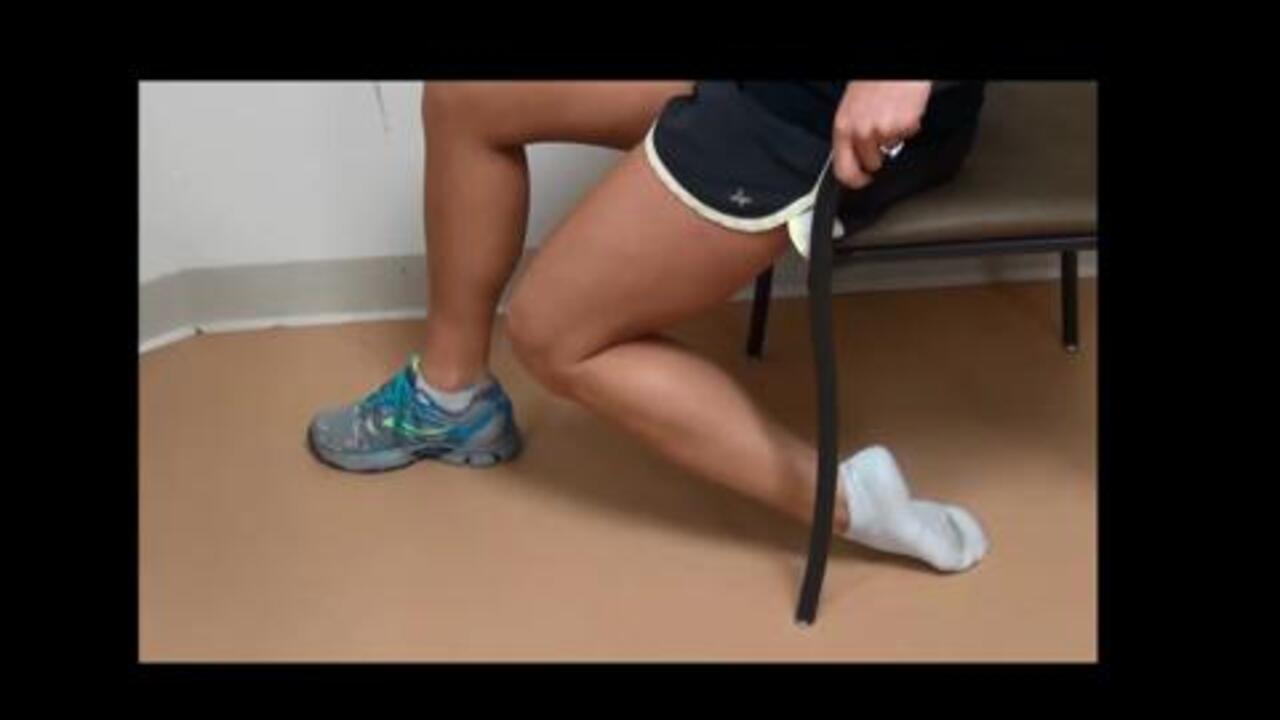
Courtesy of Tomah Memorial Hospital, Department of Physical Therapy, Tomah, WI; Elizabeth C.K. Bender, MSPT, ATC, CSCS; and Whitney Gnewikow, DPT, ATC.
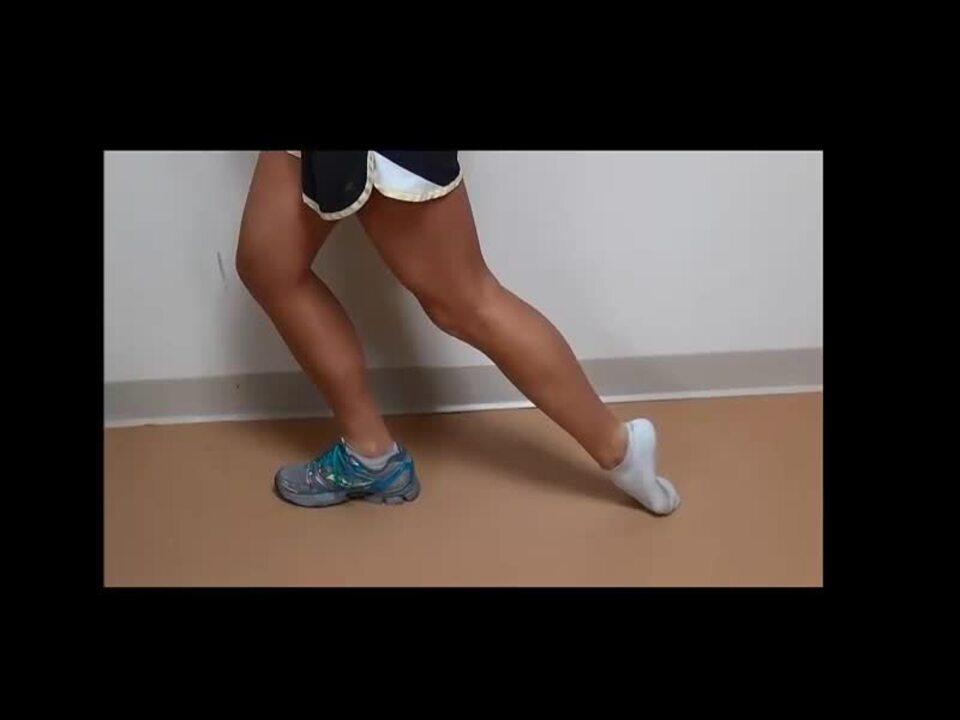
Courtesy of Tomah Memorial Hospital, Department of Physical Therapy, Tomah, WI; Elizabeth C.K. Bender, MSPT, ATC, CSCS; and Whitney Gnewikow, DPT, ATC.


Courtesy of Tomah Memorial Hospital, Department of Physical Therapy, Tomah, WI; Elizabeth C.K. Bender, MSPT, ATC, CSCS; and Whitney Gnewikow, DPT, ATC.
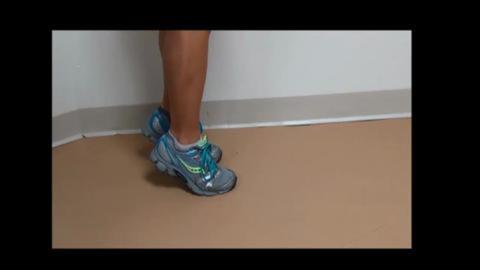
Courtesy of Tomah Memorial Hospital, Department of Physical Therapy, Tomah, WI; Elizabeth C.K. Bender, MSPT, ATC, CSCS; and Whitney Gnewikow, DPT, ATC.
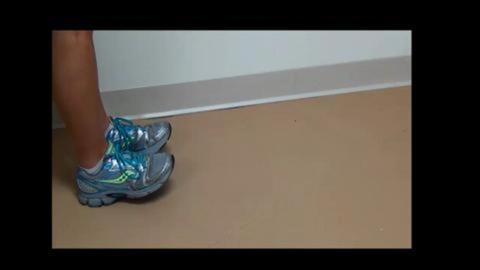
Courtesy of Tomah Memorial Hospital, Department of Physical Therapy, Tomah, WI; Elizabeth C.K. Bender, MSPT, ATC, CSCS; and Whitney Gnewikow, DPT, ATC.
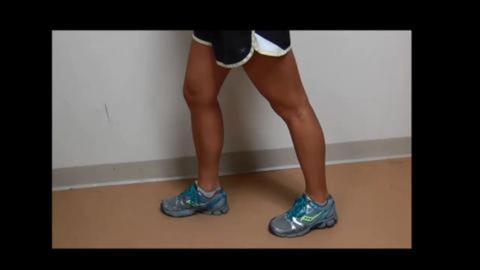
Courtesy of Tomah Memorial Hospital, Department of Physical Therapy, Tomah, WI; Elizabeth C.K. Bender, MSPT, ATC, CSCS; and Whitney Gnewikow, DPT, ATC.

Courtesy of Tomah Memorial Hospital, Department of Physical Therapy, Tomah, WI; Elizabeth C.K. Bender, MSPT, ATC, CSCS; and Whitney Gnewikow, DPT, ATC.
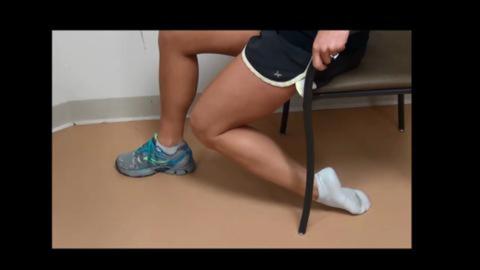
Courtesy of Tomah Memorial Hospital, Department of Physical Therapy, Tomah, WI; Elizabeth C.K. Bender, MSPT, ATC, CSCS; and Whitney Gnewikow, DPT, ATC.
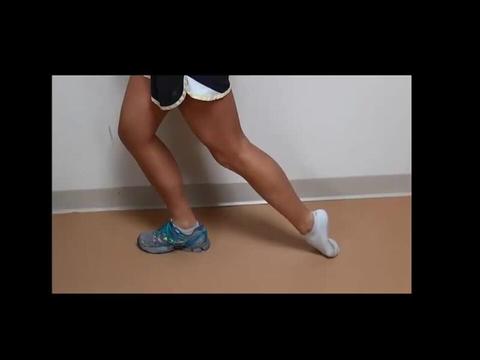
Courtesy of Tomah Memorial Hospital, Department of Physical Therapy, Tomah, WI; Elizabeth C.K. Bender, MSPT, ATC, CSCS; and Whitney Gnewikow, DPT, ATC.