Rheumatoid arthritis is a chronic systemic autoimmune disease that primarily involves the joints. Rheumatoid arthritis causes damage mediated by cytokines, chemokines, and metalloproteases. Characteristically, peripheral joints (eg, wrists, metacarpophalangeal joints) are symmetrically inflamed, leading to progressive destruction of articular structures, usually accompanied by systemic symptoms. Diagnosis is based on specific clinical, laboratory, and imaging features. Treatment involves drugs, physical measures, and sometimes surgery. Disease-modifying antirheumatic drugs can reduce symptoms and slow disease progression.
Rheumatoid arthritis affects about 1% of the population. Women are affected 2 to 3 times more often than men. Onset may be at any age, most often between 35 years and 50 years, but can be during childhood (see Juvenile Idiopathic Arthritis) or old age.
Etiology of Rheumatoid Arthritis
Although rheumatoid arthritis involves autoimmune reactions, the precise cause is unknown; many factors may contribute. A genetic predisposition has been identified and, in White populations, localized to a shared epitope in the HLA-DRB1 locus of class II histocompatibility antigens. Unknown or unconfirmed environmental factors (eg, viral infections, cigarette smoking) are thought to play a role in triggering and maintaining joint inflammation.
Risk factors for rheumatoid arthritis include the following:
Smoking
Obesity
Sex hormones
Drugs
Changes in microbiome of the gut, mouth, and lung (1)
Periodontal disease (periodontitis) (2)
Etiology references
1. Block KE, Zheng Z, Dent AL, et al: Gut microbiota regulates K/BxN autoimmune arthritis through follicular helper T but not Th17 cells. J Immunol 196(4):1550-7, 2016. doi: 10.4049/jimmunol.1501904
2. Wegner N, Wait R, Sroka A, et al: Peptidylarginine deiminase from Porphyromonas gingivalis citrullinates human fibrinogen and α-enolase: implications for autoimmunity in rheumatoid arthritis. Arthritis Rheum 62(9):2662-72, 2010. doi: 10.1002/art.27552
Pathophysiology of Rheumatoid Arthritis
Prominent immunologic abnormalities include immune complexes produced by synovial lining cells and in inflamed blood vessels. Plasma cells produce antibodies (eg, rheumatoid factor [RF], anticyclic citrullinated peptide [anti-CCP] antibody) that contribute to these complexes, but destructive arthritis can occur in their absence. Macrophages also migrate to diseased synovium in early disease; increased macrophage-derived lining cells are prominent along with vessel inflammation. Lymphocytes that infiltrate the synovial tissue are primarily CD4+ T cells. Macrophages and lymphocytes produce pro-inflammatory cytokines and chemokines (eg, tumor necrosis factor [TNF]-alpha, granulocyte-macrophage colony-stimulating factor [GM-CSF], various interleukins, interferon-gamma) in the synovium. Released inflammatory mediators and various enzymes contribute to the systemic and joint manifestations of rheumatoid arthritis, including cartilage and bone destruction (1).
In seropositive rheumatoid arthritis, accumulating evidence suggests that anti-CCP antibodies appear long before any signs of inflammation (2). Additionally, anti-carbamylated protein (anti-CarP) antibodies (3) predict more radiologic progression in anti-CCP–negative rheumatoid arthritis patients. Progression to rheumatoid arthritis in the preclinical phase depends on autoantibody epitope spreading in which there are immune responses to released self-antigens with subsequent increased inflammation (4).
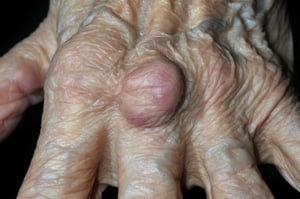
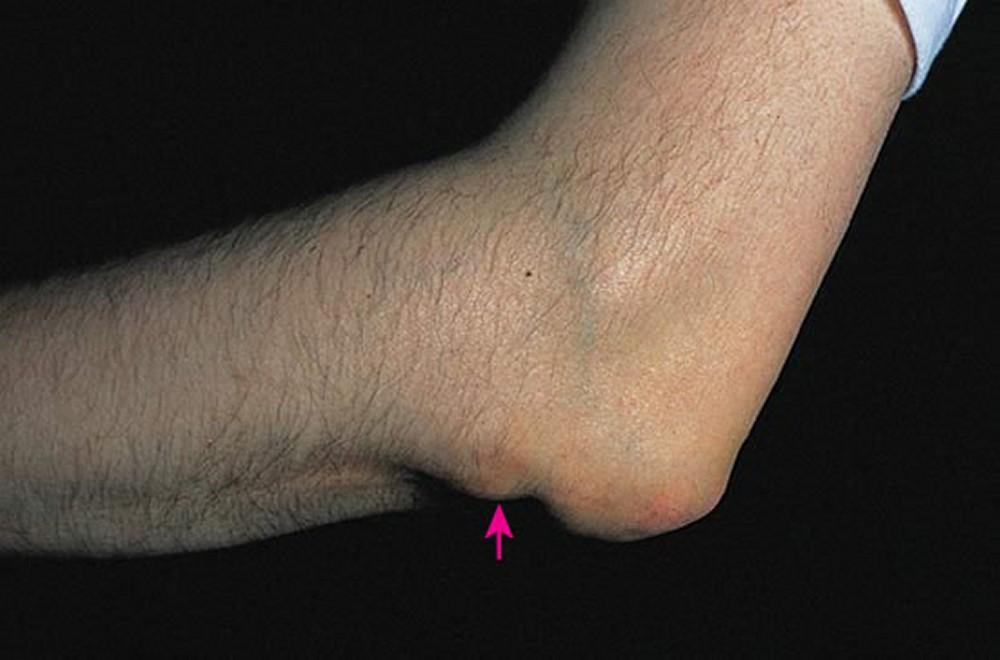
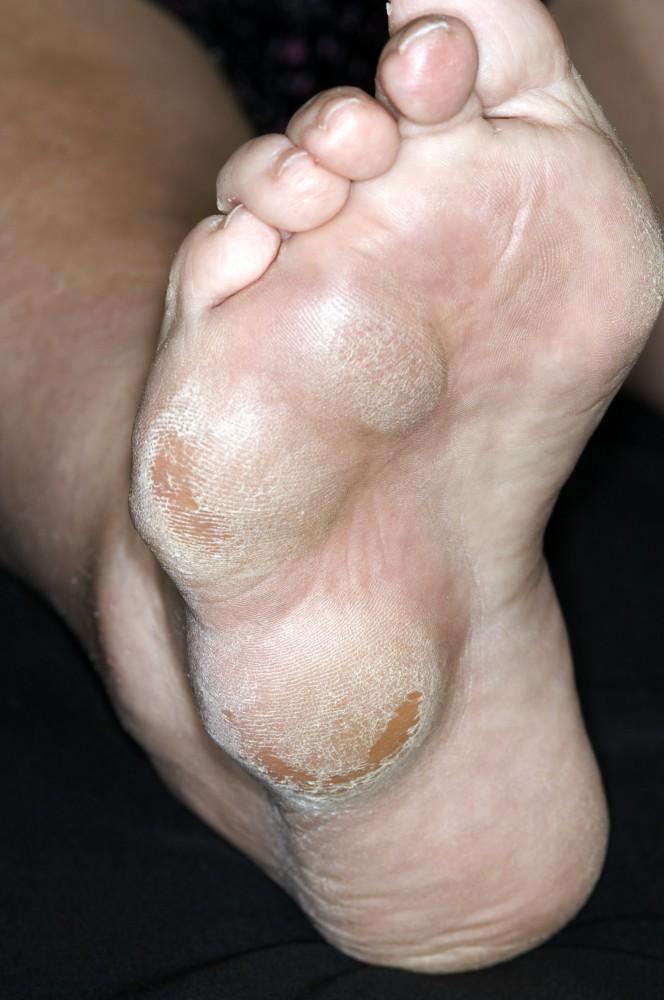
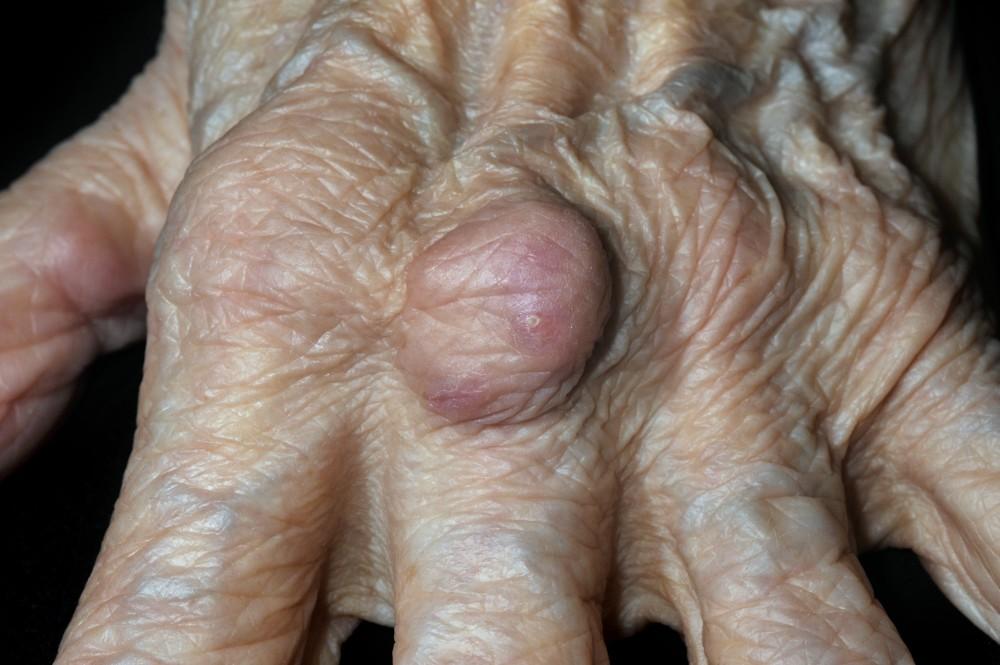
Rheumatoid nodules develop in about 30% of patients with rheumatoid arthritis. They are granulomas consisting of a central necrotic area surrounded by palisaded histiocytic macrophages, all enveloped by lymphocytes, plasma cells, and fibroblasts. Nodules can also develop in visceral organs.
Pathophysiology references
1. McInnes IB, Schett G: The pathogenesis of rheumatoid arthritis. N Engl J Med 365(23):2205–2219, 2011. doi:10.1056/NEJMra1004965
2. Rantapaa-Dahlqvist S, de Jong BA, Berglin E, et al: Antibodies against cyclic citrullinated peptide and IgA rheumatoid factor predict the development of rheumatoid arthritis. Arthritis Rheum 48:2741–2749, 2003. doi: 10.1002/art.11223
3. Brink M, Verheul MK, Rönnelid J, et al: Anti-carbamylated protein antibodies in the pre-symptomatic phase of rheumatoid arthritis, their relationship with multiple anti-citrulline peptide antibodies and association with radiological damage. Arthritis Res Ther 17:25, 2015. doi: 10.1186/s13075-015-0536-2
4. Sokolove J, Bromberg R, Deane KD, et al: Autoantibody epitope spreading in the pre-clinical phase predicts progression to rheumatoid arthritis. PLoS ONE 7(5):e35296, 2012. doi: 10.1371/journal.pone.0035296
Symptoms and Signs of Rheumatoid Arthritis
Onset of rheumatoid arthritis is usually insidious, often beginning with systemic and joint symptoms. Systemic symptoms include generalized afternoon fatigue and malaise, anorexia, generalized weakness, and occasionally low-grade fever. Joint symptoms include pain, swelling, and stiffness. Occasionally, the disease begins abruptly, mimicking an acute viral syndrome.
The disease progresses most rapidly during the first 6 years, particularly the first year; 80% of patients develop some permanent joint abnormalities within 10 years. The course is unpredictable in individual patients.
Joint symptoms are characteristically symmetric. Typically, stiffness lasts > 60 minutes after rising in the morning but may occur after any prolonged inactivity (called gelling). Involved joints become tender, with erythema, warmth, swelling, and limitation of motion. The joints primarily involved include the following:
Wrists and the index (2nd) and middle (3rd) metacarpophalangeal joints (most commonly involved)
Proximal interphalangeal joints
Metatarsophalangeal joint
Shoulders
Elbows
Hips
Knees
Ankles
However, virtually any joint, except the distal interphalangeal (DIP) joints, may be involved. Initial manifestations include
Monoarthritis of knee, wrist, shoulder, or ankle
Polymyalgia rheumatica–like presentation predominantly with shoulder and hip girdle involvement, especially in older patients
Palindromic rheumatism, characterized by recurrent attacks of joint and tendon sheath pain with swelling
Joint swelling without chronic joint damage
Robustus rheumatoid arthritis with proliferative synovitis but minimal pain
Lower spine involvement is not characteristic of rheumatoid arthritis, but cervical spine inflammation can result in instability, which can become an emergency. Synovial thickening and swelling are often detectable. Joints are often held in flexion to minimize pain, which results from joint capsular distention.
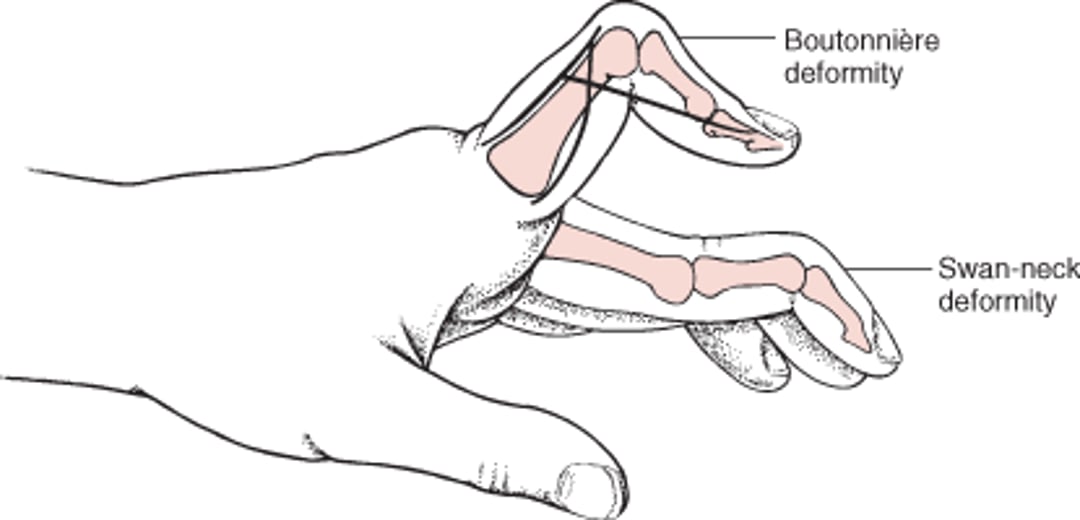
Fixed deformities, particularly flexion contractures, may develop rapidly; ulnar deviation of the fingers with an ulnar slippage of the extensor tendons off the metacarpophalangeal joints is typical, as are swan-neck deformities and boutonnière deformities. Joint instability due to stretching of the joint capsule can also occur. Carpal tunnel syndrome can result from wrist synovitis compressing the median nerve. Popliteal (Baker) cysts can develop, causing calf swelling and tenderness suggestive of deep venous thrombosis.
Cervical spine involvement is common in longstanding active disease and usually presents as pain and stiffness, sometimes with radicular pain or features of myelopathy with hyperreflexia and occipital headache.
Cricoarytenoid joint arthritis can manifest as voice hoarseness and respiratory stridor.

SCIENCE PHOTO LIBRARY
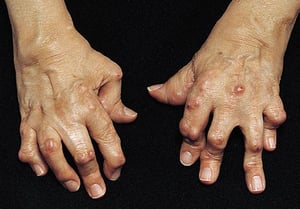
By permission of the publisher. From Matteson E, Mason T: Atlas of Rheumatology. Edited by G Hunder. Philadelphia, Current Medicine, 2005.
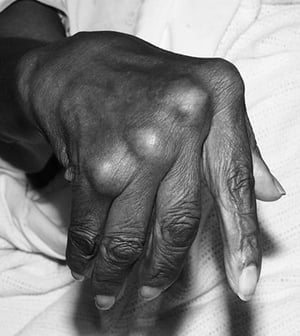
By permission of the publisher. From Mabrey J: Current Orthopedic Diagnosis and Treatment. Edited by JD Heckman, RC Schenck, and A Agarwal. Philadelphia, Current Medicine, 2002.


SCIENCE PHOTO LIBRARY

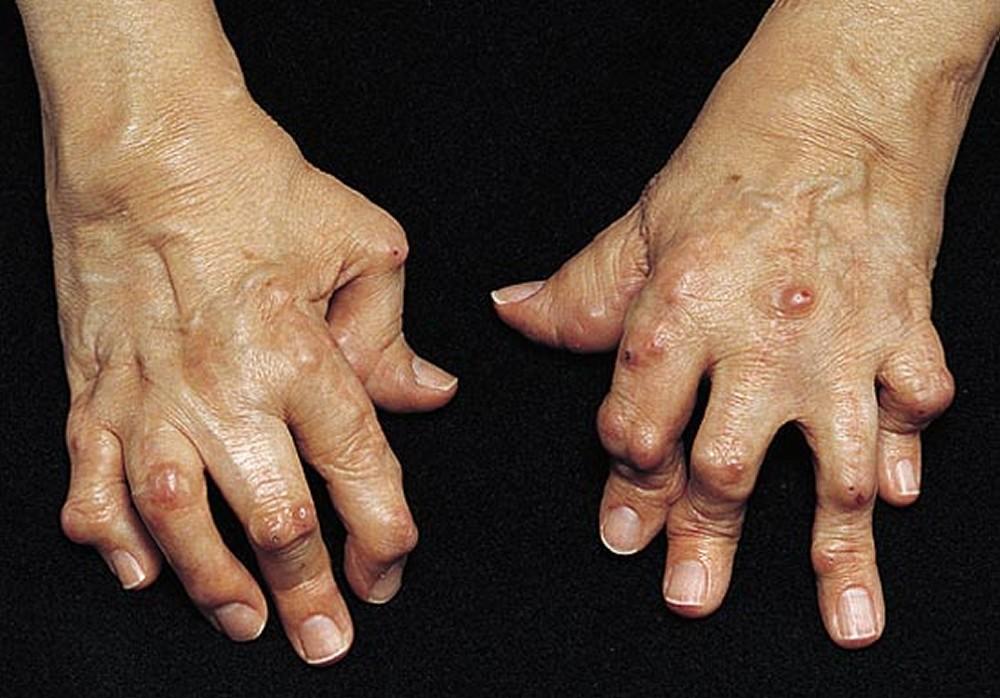
By permission of the publisher. From Matteson E, Mason T: Atlas of Rheumatology. Edited by G Hunder. Philadelphia, Current Medicine, 2005.

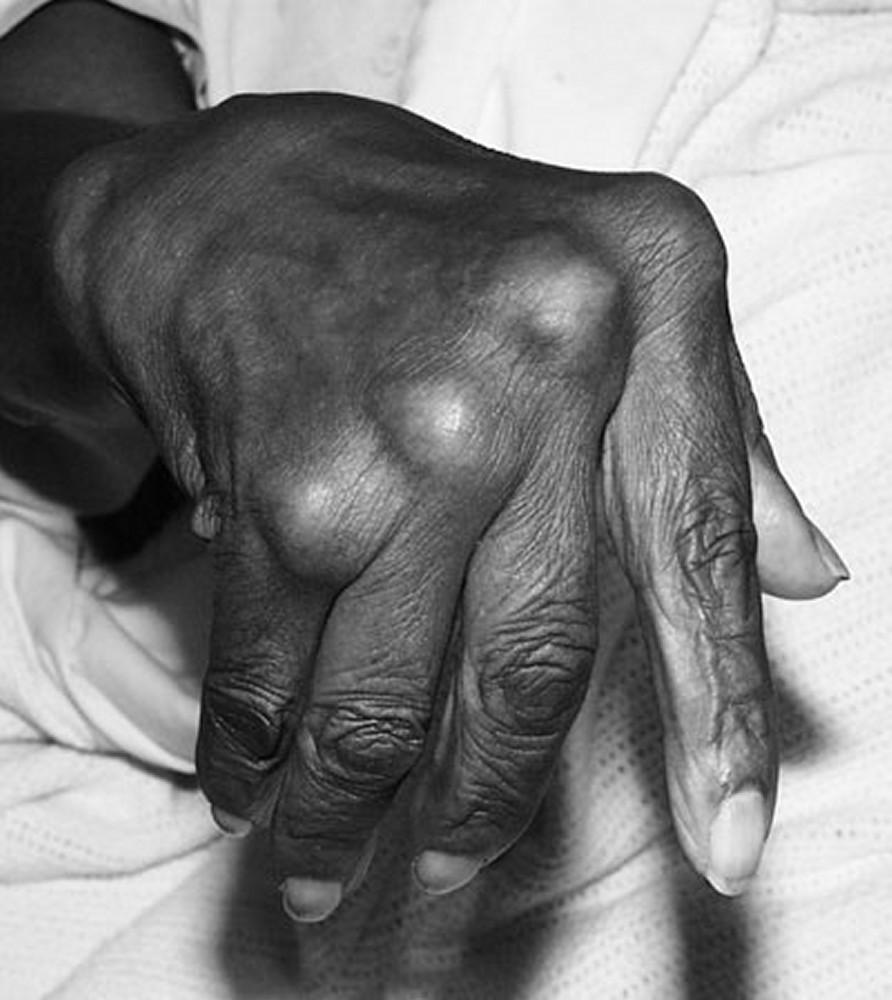
By permission of the publisher. From Mabrey J: Current Orthopedic Diagnosis and Treatment. Edited by JD Heckman, RC Schenck, and A Agarwal. Philadelphia, Current Medicine, 2002.
Boutonnière and swan-neck deformities

Extra-articular manifestations
Subcutaneous rheumatoid nodules
Other extra-articular signs include vasculitis causing leg ulcers, digital ischemia, or multiple mononeuropathy (mononeuritis multiplex), pleural or pericardial effusions, obliterative bronchiolitis, interstitial lung disease, pericarditis, myocarditis, lymphadenopathy, Felty syndrome, Sjögren syndrome, scleromalacia, and episcleritis.
Involvement of the cervical spine can cause atlantoaxial subluxation and spinal cord compression; subluxation may worsen with extension of the neck (eg, during endotracheal intubation). Importantly, cervical spine instability is usually asymptomatic.

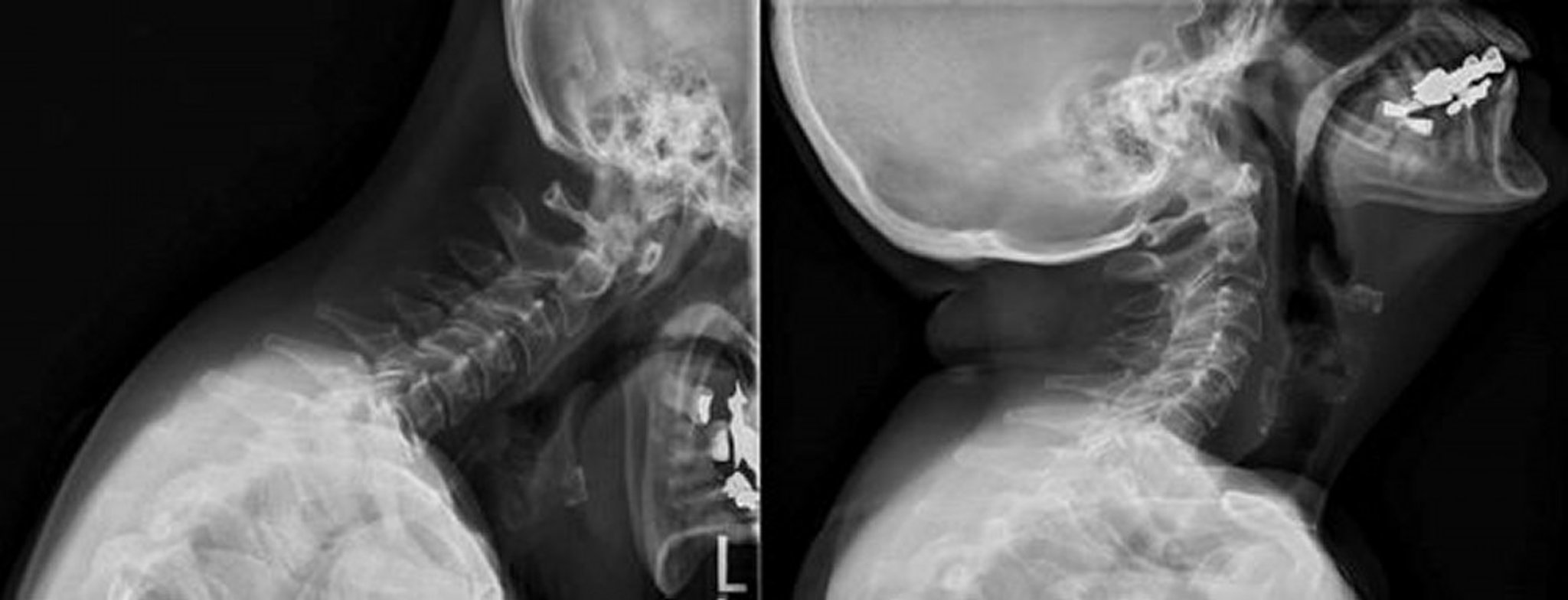
Image courtesy of Kinanah Yaseen, MD.
Patients with rheumatoid arthritis are at increased risk for early coronary artery disease, metabolic bone disease such as osteopenia and osteoporosis, and various cancers (lung, lymphoproliferative disorders, and nonmelanoma skin cancers), which may be related to underlying, uncontrolled systemic inflammatory processes.
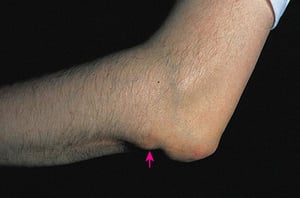
By permission of the publisher. From Matteson E, Mason T: Atlas of Rheumatology. Edited by G Hunder. Philadelphia, Current Medicine, 2005.
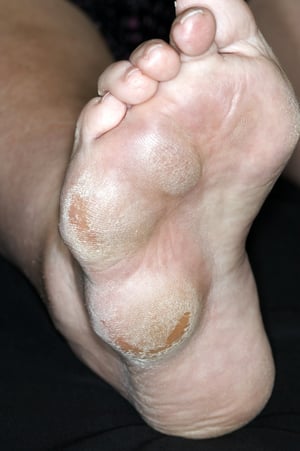
DR P. MARAZZI/SCIENCE PHOTO LIBRARY
DR P. MARAZZI/SCIENCE PHOTO LIBRARY

By permission of the publisher. From Matteson E, Mason T: Atlas of Rheumatology. Edited by G Hunder. Philadelphia, Current Medicine, 2005.
DR P. MARAZZI/SCIENCE PHOTO LIBRARY

DR P. MARAZZI/SCIENCE PHOTO LIBRARY
Diagnosis of Rheumatoid Arthritis
Clinical criteria
Serum rheumatoid factor (RF), anticyclic citrullinated peptide (anti-CCP), and erythrocyte sedimentation rate (ESR) or C-reactive protein (CRP)
X-rays
Rheumatoid arthritis should be suspected in patients with polyarticular, symmetric arthritis, particularly if the wrists and 2nd and 3rd metacarpophalangeal joints are involved. Classification criteria serve as a guide for establishing the diagnosis of rheumatoid arthritis and are helpful in defining standardized treatment populations for study purposes. Criteria include laboratory test results for RF, anti-CCP, and ESR or CRP (see table Classification Criteria for Rheumatoid Arthritis). However, diagnosis requires documented joint inflammation and should not be based on laboratory testing alone.
Other causes of symmetric polyarthritis, particularly hepatitis C, must be excluded. Obtaining baseline x-rays of affected joints should be considered to help document progression of disease (erosive changes, joint space narrowing) over time. In patients who have prominent lumbar symptoms, alternative diagnoses should be investigated.
RFs, antibodies to human gamma-globulin, are present in about 70% of patients with rheumatoid arthritis. However, RF, often in low titers (levels can vary between laboratories), occurs in patients with other diseases, including
Other connective tissue diseases (eg, systemic lupus erythematosus)
Granulomatous diseases
Chronic infections (eg, viral hepatitis, bacterial endocarditis, tuberculosis)
Cancers
Low RF titers can also occur in 3% of the general population and 20% of older patients. Very high RF titers can occur in patients with hepatitis C infection and sometimes in patients with other chronic infections. An RF titer measured by latex agglutination of > 1:80 or a positive anti-CCP test supports the diagnosis of rheumatoid arthritis in the appropriate clinical context, but other causes must be excluded.
Anti-CCP antibodies have high specificity (90%) and sensitivity (about 77 to 86%) for rheumatoid arthritis and, like RF, predict a worse prognosis. RF and anti-CCP values do not fluctuate with disease activity. Anti-CCP antibodies are notably absent in patients with hepatitis C who may have a positive RF titer and joint swelling related to the viral infection.

By permission of the publisher. From Matteson E, Mason T: Atlas of Rheumatology. Edited by G Hunder. Philadelphia, Current Medicine, 2005.
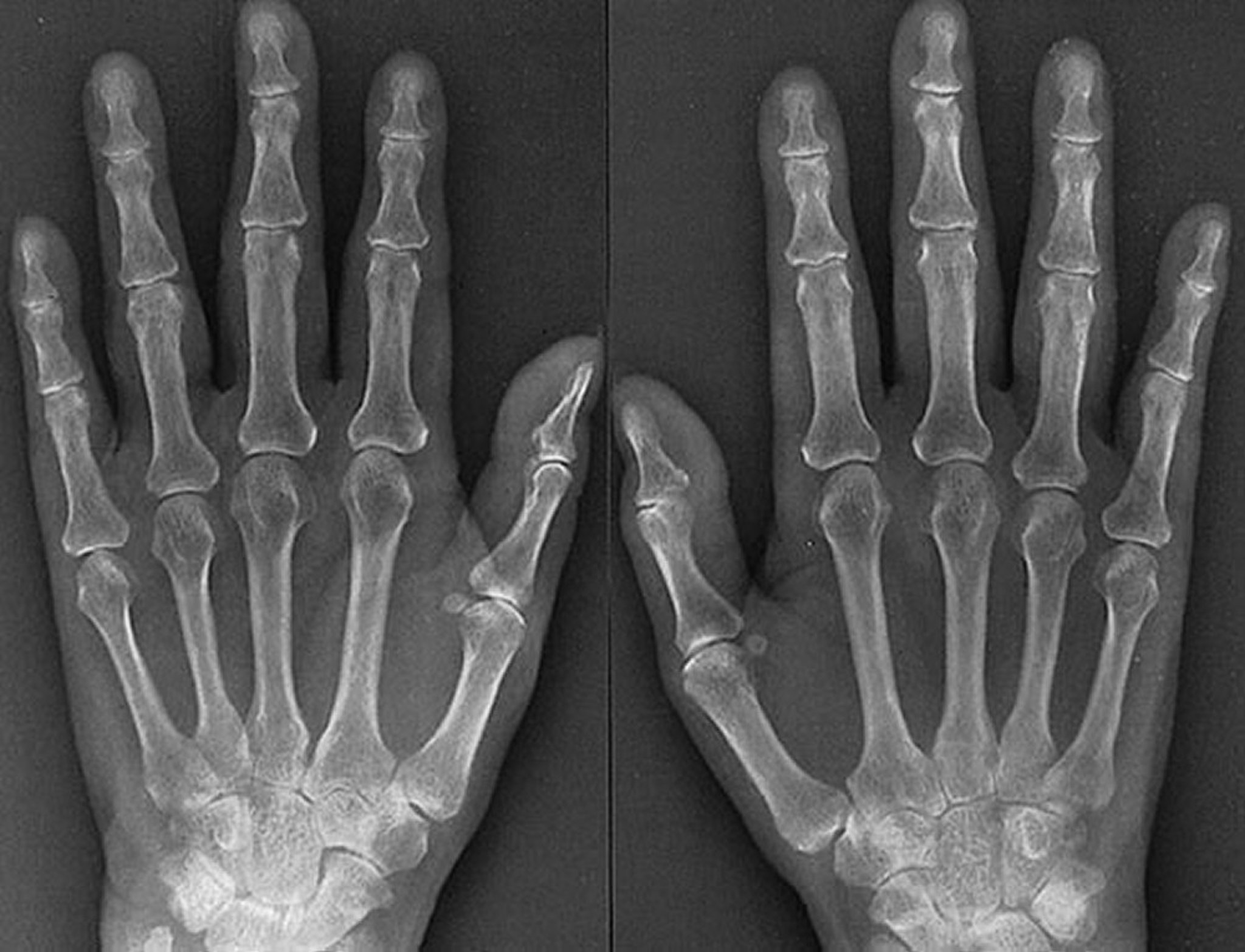
X-rays show only soft-tissue swelling during the first months of disease. Subsequently, periarticular osteoporosis, joint space (articular cartilage) narrowing, and marginal erosions may become visible. Erosions often develop within the first year but may occur any time. MRI seems to be more sensitive and detects earlier articular inflammation and erosions. In addition, abnormal subchondral bone signals (eg, bone marrow lesions, bone marrow edema) around the knee suggest progressive disease.
If rheumatoid arthritis is diagnosed, additional tests help detect complications and unexpected abnormalities. Complete blood count with differential should be obtained. A normochromic (or slightly hypochromic)-normocytic anemia occurs in 80%; hemoglobin is usually > 10 g/dL (100 g/L). If hemoglobin is ≤ 10 g/dL (100 g/L), superimposed iron deficiency or other causes of anemia should be considered. Neutropenia occurs in 1 to 2% of cases, often with splenomegaly (Felty syndrome). Acute-phase reactants (eg, thrombocytosis, elevated ESR, elevated CRP) reflect disease activity. A mild polyclonal hypergammaglobulinemia often occurs. ESR is elevated in 90% of patients with active disease.
Validated measures of disease activity include the Rheumatoid Arthritis Disease Activity Score DAS-28 and Rheumatoid Arthritis Clinical Disease Activity Index.
Synovial fluid examination is necessary with any new-onset effusion to rule out other disorders and differentiate rheumatoid arthritis from other inflammatory arthritides (eg, septic and crystal-induced arthritis). In rheumatoid arthritis, during active joint inflammation, synovial fluid is turbid, yellow, and sterile, and usually has white blood cell counts 10,000 to 50,000/mcL (10.0 x10⁹/L to 50.0 x10⁹/L); polymorphonuclear leukocytes typically predominate, but > 50% may be lymphocytes and other mononuclear cells. Crystals are absent.
Differential diagnosis
Many disorders can simulate rheumatoid arthritis:
Sarcoidosis (rarely causes a polyarticular arthritis)
Infectious causes such as hepatitis C, parvovirus B19, alpha virus, Lyme disease, and Whipple disease
Some patients with crystal-induced arthritis, especially calcium pyrophosphate arthritis, may meet criteria for rheumatoid arthritis; however, synovial fluid examination should clarify the diagnosis. The presence of crystals makes rheumatoid arthritis unlikely, although calcium pyrophosphate crystal disease and rheumatoid arthritis may coexist in the same patient. Joint involvement and subcutaneous nodules can result from SLE, gout, cholesterol, and amyloidosis as well as rheumatoid arthritis; aspiration or biopsy of the nodules may occasionally be needed.
SLE usually can be distinguished if there are skin lesions on light-exposed areas, hair loss, oral and nasal mucosal lesions, absence of joint erosions in even long-standing arthritis, joint fluid that often has white blood cell counts < 2000/mcL (2.0 x10⁹/L) (predominantly mononuclear cells), antibodies to double-stranded DNA, renal disease, and low serum complement levels. In contrast to rheumatoid arthritis, swan neck and ulnar deviation deformities in SLE are usually reducible.
Arthritis similar to rheumatoid arthritis can also occur in other rheumatic disorders (eg, polyarteritis, systemic sclerosis, dermatomyositis, or polymyositis), or there can be features of more than one disease, which suggests an overlap syndrome.
Sarcoidosis, Whipple disease, multicentric reticulohistiocytosis, and other systemic diseases may involve joints; other clinical features and tissue biopsy sometimes help differentiate these conditions. Acute rheumatic fever has a migratory pattern of joint involvement and evidence of antecedent streptococcal infection (culture or changing antistreptolysin O titer); in contrast, rheumatoid arthritis tends to involve additional joints over time.
Reactive arthritis can be differentiated by antecedent gastrointestinal or genitourinary symptoms; asymmetric involvement and pain at the Achilles insertion of the heel, sacroiliac joints, and large joints of the leg; conjunctivitis; iritis; painless buccal ulcers; balanitis circinata; or keratoderma blennorrhagicum on the soles and elsewhere.
Psoriatic arthritis tends to be asymmetric and is not usually associated with RF, but clinical differentiation may be difficult in the absence of nail or skin lesions. Distal interphalangeal joint involvement and severely mutilating arthritis (arthritis mutilans) is strongly suggestive, as is the presence of a diffusely swollen (sausage) digit. Psoriatic arthritis may involve the sacroiliac joints and lower spine. Distinguishing between psoriatic arthritis and rheumatoid arthritis is important because response to some specific drugs differs.
Ankylosing spondylitis may be differentiated by spinal and axial joint involvement, absence of subcutaneous nodules, and a negative RF test. The HLA-B27 allele is present in 90% of White patients with ankylosing spondylitis.
Osteoarthritis can be differentiated by the joints involved; the absence of rheumatoid nodules, systemic manifestations, or significant amounts of RF; and by synovial fluid white blood cell counts < 2000/mcL (2.0 x10⁹/L). Osteoarthritis of the hands most typically involves the DIP joints, bases of the thumbs, and proximal interphalangeal joints and may involve the metacarpophalangeal joints, but typically spares the wrist. Rheumatoid arthritis does not affect the DIP joints. Rheumatoid arthritis is characterized by clinically apparent, symmetric, small joint inflammation with frequent wrist involvement.
Prognosis for Rheumatoid Arthritis
Rheumatoid arthritis decreases life expectancy by 3 to 7 years, with heart disease, infection, and gastrointestinal bleeding accounting for most excess mortality; drug treatment, cancer, as well as the underlying disease may be responsible. Disease activity should be controlled to lower cardiovascular disease risk in all patients with rheumatoid arthritis. (See also the European League Against Rheumatism's (EULAR) recommendations for cardiovascular disease risk management in patients with rheumatoid arthritis and other forms of inflammatory joint disorders.)
At least 10% of patients are eventually severely disabled despite full treatment. White people and women have a poorer prognosis, as do patients with subcutaneous nodules, advanced age at disease onset, inflammation in ≥ 20 joints, early erosions, cigarette smoking, high erythrocyte sedimentation rate, and high levels of rheumatoid factor or anticyclic citrullinated peptide (anti-CCP).
Treatment of Rheumatoid Arthritis
Nonpharmacological measures: Smoking cessation, healthy, balanced nutrition, physical joint protective measures, quality sleep
Pharmacological measures: Medications that modify disease progression and nonsteroidal anti-inflammatory drugs (NSAIDs) as needed for analgesia
Treatment of rheumatoid arthritis involves a balance of rest and exercise, adequate nutrition, physical measures, drugs, and sometimes surgery. Early diagnosis and treatment in rheumatoid arthritis predict improved outcomes. A treat-to-target approach to achieve full disease remission or minimal disease activity has been recommended by the American College of Rheumatology (ACR) (1) and European League Against Rheumatism (EULAR) (2) recommendations for the management of rheumatoid arthritis.
Lifestyle measures
Complete bed rest is rarely indicated, even for a short time; however, a program including judicious rest should be encouraged. Quality sleep should be encouraged, because poor sleep increases pain.
An ordinary nutritious diet is appropriate. Rarely, patients have food-associated exacerbations; no specific foods have reproducibly been shown to exacerbate or lessen the symptoms of rheumatoid arthritis. Substituting omega-3 fatty acids (in fish oils) for dietary omega-6 fatty acids (in meats) partially relieves symptoms in some patients by transiently decreasing production of inflammatory prostaglandins and possibly by modifying the gut microbiome. Smoking cessation can increase life expectancy.
Food and diet misinformation targeting rheumatoid arthritis patients is common, and patients should be directed to reliable sources of information.
Physical measures
Joint splinting reduces local inflammation and may relieve severe symptoms of pain or compressive neuropathies. Cold may be applied to reduce joint pain and swelling. Orthopedic or athletic shoes with good heel and arch support are frequently helpful; metatarsal supports placed posteriorly (proximal) to painful metatarsophalangeal joints decrease the pain of weight bearing. Molded shoes may be needed for severe deformities. Occupational therapy and self-help devices enable many patients with debilitating rheumatoid arthritis to perform activities of daily living.
Exercise should proceed as tolerated. During acute inflammation, passive range-of-motion exercise helps prevent flexion contractures. Heat therapy can be applied to help alleviate stiffness. Range-of-motion exercises done in warm water are helpful because heat improves muscle function by reducing stiffness and muscle spasm. However, contractures can be prevented and muscle strength can be restored more successfully after inflammation begins to subside; active exercise (including walking and specific exercises for involved joints) to restore muscle mass and preserve range of joint motion are recommended. Flexion contractures may require intensive exercise, casting, or immobilization (eg, splinting) in progressively more stretched-open positions. Paraffin baths can warm digits and facilitate finger exercise.
Massage by trained therapists, traction, and deep heat treatment with diathermy or ultrasonography may be useful adjunctive therapies to anti-inflammatory drugs.
Surgery
Surgery may be considered if drug therapy is unsuccessful. Surgery must always be considered in terms of the total disease and patient expectations. For example, deformed hands and arms limit crutch use during rehabilitation; seriously affected knees and feet limit benefit from hip surgery. Reasonable objectives for each patient must be determined, and function must be considered; straightening ulnar-deviated fingers may not improve hand function. Surgery may be done while the disease is active.
Treatment references
1. Fraenkel L, Bathon JM, England BR, et al: 2021 American College of Rheumatology guideline for the treatment of rheumatoid arthritis. Arthritis Rheumatol 73(7):1108-1123, 2021. doi:10.1002/art.41752
2. Smolen JS, Landewé RBM, Bijlsma JWJ, et al: EULAR recommendations for the management of rheumatoid arthritis with synthetic and biological disease-modifying antirheumatic drugs: 2019 update. Ann Rheum Dis 79(6):685-699, 2020. doi:10.1136/annrheumdis-2019-216655
Drugs for Rheumatoid Arthritis
The goal is to reduce inflammation to prevent erosions, progressive deformity, and loss of joint function. A treat-to-target approach to achieve full disease remission or minimal disease activity has been suggested (1, 2< 7.5 mg once/day) may be added to control severe polyarticular symptoms, usually with the objective of replacement with a DMARD. Intra-articular depot corticosteroids can control severe monarticular or even oligoarticular symptoms but with chronic use may have adverse metabolic effects, even in low doses. Studies indicate infectious and metabolic adverse effects from even low-dose chronic corticosteroid use, thus limitation of use is a treatment priority.
Nonsteroidal anti-inflammatory drugs (NSAIDs)
NSAID Treatment of Rheumatoid Arthritis), although patients may also take aspirin at ≤ 325 mg/day for its antiplatelet cardioprotective effect. Because the maximal response for NSAIDs can take up to 2 weeks, doses should be increased no more frequently than this. Doses of drugs with flexible dosing can be increased until response is maximal or maximum dosage is reached. All NSAIDs treat the symptoms of rheumatoid arthritis and decrease inflammation but do not alter the course of the disease; thus, they are only used adjunctively.
Treatment of Pain/Nonopioid Analgesics). Creatinine levels can rise reversibly because of inhibited renal prostaglandins and reduced renal blood flow; rarely, interstitial nephritis can occur. Patients with urticaria, rhinitis, or asthma caused by aspirin can have the same problems with these other NSAIDs, but celecoxib may not cause these problems.
NSAIDs should be used at the lowest possible dose needed to mitigate their adverse effects.
Traditional disease-modifying antirheumatic drugs (DMARDs)
(See table Other Drugs Used to Treat Rheumatoid Arthritis for specific dosage information and adverse effects of other drugs used to treat rheumatoid arthritis.)
DMARDs seem to slow the progression of rheumatoid arthritis and are indicated for nearly all patients with rheumatoid arthritis. They differ from each other chemically and pharmacologically. Many take weeks or months to have an effect. About two thirds of patients improve overall, and complete remissions are becoming more common. Many DMARDs result in evidence of decreased damage on imaging studies, presumably reflecting decreased disease activity. Patients should be fully apprised of the risks of DMARDs and monitored closely for evidence of toxicity.
When choosing DMARDs, the following principles should be considered:
can also control symptoms of mild rheumatoid arthritis. Funduscopic examination should be done and visual fields should be assessed before and every 12 months during treatment. The drug should be stopped if no joint improvement occurs after 9 months.
Corticosteroids
Systemic corticosteroids decrease inflammation and other symptoms more rapidly and to a greater degree than other drugs. They may not prevent joint destruction, and their clinical benefit often diminishes with time. Furthermore, rebound often follows the withdrawal of corticosteroids in active disease. Because of their long-term adverse effects, some doctors recommend that corticosteroids are given only for short periods of time to maintain function until a DMARD has taken effect.
Corticosteroids may be used for severe joint or systemic manifestations of rheumatoid arthritis (eg, vasculitis, pleurisy, pericarditis). Relative contraindications include peptic ulcer disease, hypertension, untreated infections, diabetes mellitus, and glaucoma. The risk of latent tuberculosis should be considered before corticosteroid therapy is begun.
Intra-articular injections< 2% of patients receiving injections. Although infection occurs in only < 1:40,000 patients, it must be considered if pain occurs > 24 hours after injection.
Immunomodulatory, cytotoxic, and immunosuppressive drugs
Biologic agents
Tumor necrosis factor (TNF)-alpha antagonists
3). TNF-alpha antagonists should probably be stopped before major surgery to decrease the risk of perioperative infection (45). Evidence regarding solid tumors in TNF inhibitors is mixed. Other possible adverse events of TNF inhibitors include injection site reaction, acute and delayed infusion reaction, demyelinating disease, granulomatous diseases such as sarcoidosis, cytopenias (especially neutropenia), cutaneous vasculitis, and rarely antineutrophilic cytoplasmic associated vasculitis.
is an interleukin-6 (IL-6) inhibitor. It is available for adults with moderately to severely active rheumatoid arthritis who have had an inadequate response to or are intolerant of one or more DMARDs.
is an IL-6 inhibitor and has clinical efficacy in patients who have responded incompletely to other biologic agents.
a soluble fusion cytotoxic T lymphocyte-associated antigen 4 (CTLA-4) Ig, is indicated for patients with rheumatoid arthritis with an inadequate response to other DMARDs, and conditionally recommended over other biologic DMARDs in patients with rheumatoid arthritis and non-tuberculous mycobacterial lung disease.
is a recombinant interleukin-1 (IL-1) receptor. IL-1 is heavily involved in the pathogenesis of rheumatoid arthritis. Infection and leukopenia can be problems. It is used less often because it must be given every day.
Although there are some differences among agents, the most serious concern with the biologics and targeted DMARDs is infection, particularly with reactivated tuberculosis. Patients should be screened for tuberculosis with purified protein derivative (PPD) or an interferon-gamma release assay. Other serious infections can occur, including sepsis, invasive fungal infections, and infections due to other opportunistic organisms. Patients should be up to date on vaccinations prior to treatment with a biologic agent.
Janus kinase (JAK) inhibitors
Other Drugs Used to Treat Rheumatoid Arthritis.) JAK inhibitors carry an increased incidence of herpes zoster, thus vaccination against zoster is strongly suggested prior to use of these medications.
is an oral Janus kinase (JAK) inhibitor. It is indicated for adults with moderately to severely active rheumatoid arthritis who have had an inadequate response to one or more TNF antagonists.
6).
Drugs for rheumatoid arthritis references
1. Fraenkel L, Bathon JM, England BR, et al: 2021 American College of Rheumatology guideline for the treatment of rheumatoid arthritis. Arthritis Rheumatol 73(7):1108-1123, 2021. doi:10.1002/art.41752
2. Smolen JS, Landewé RBM, Bijlsma JWJ, et al: EULAR recommendations for the management of rheumatoid arthritis with synthetic and biological disease-modifying antirheumatic drugs: 2019 update. Ann Rheum Dis 79(6):685-699, 2020. doi:10.1136/annrheumdis-2019-216655
3. Sammaritano LR, Bermas BL, Chakravarty EE, et al: 2020 American College of Rheumatology guideline for the management of reproductive health in rheumatic and musculoskeletal diseases. Arthritis Care Res (Hoboken) 72(4):461-488, 2020. doi:10.1002/acr.24130
4. Goodman SM, Springer BD, Chen AF, et al: 2022 American College of Rheumatology/American Association of Hip and Knee Surgeons guideline for the perioperative management of antirheumatic medication in patients with rheumatic diseases undergoing elective total hip or total knee arthroplasty. Arthritis Care Res (Hoboken) 74(9):1399-1408, 2022. doi:10.1002/acr.24893
5. Singh JA, Saag KG, Bridges SL Jr, et al: 2015 American College of Rheumatology guideline for the treatment of rheumatoid arthritis. Arthritis Rheumatol 68(1):1-26, 2016. doi:10.1002/art.39480
6. Ytterberg SR, Bhatt DL, Mikuls TR, et al: Cardiovascular and cancer risk with tofacitinib in rheumatoid arthritis. N Engl J Med 386(4):316-326, 2022. doi:10.1056/NEJMoa2109927
Key Points
Rheumatoid arthritis is a systemic inflammatory disorder.
The most characteristic manifestation is a symmetric polyarthritis involving peripheral joints such as wrists and metacarpophalangeal and metatarsophalangeal joints, often with constitutional symptoms.
Extra-articular findings can include rheumatoid nodules, vasculitis causing leg ulcers or multiple mononeuropathy, pleural or pericardial effusions, pulmonary nodules, pulmonary infiltrates or fibrosis, pericarditis, myocarditis, lymphadenopathy, Felty syndrome, Sjögren syndrome, scleromalacia, and episcleritis.
X-rays are helpful, but early diagnosis is primarily by recognizing specific clinical findings and demonstrating abnormal laboratory test results, including autoantibodies (serum rheumatoid factor and anti-cyclic citrullinated peptide antibody) and acute-cell phase reactants (erythrocyte sedimentation rate or C-reactive protein). Diagnosis requires documented joint inflammation and should not be based on laboratory testing alone.
Rheumatoid arthritis decreases life expectancy by 3 to 7 years (eg, due to gastrointestinal bleeding, infection, or coronary heart disease) and causes severe disability in 10% of patients.
Treat almost all patients aggressively early, primarily with drugs that modify disease activity.