Search
SectionsIndex
  • Behavior
  • Circulatory System
  • Clinical Pathology and Procedures
  • Digestive System
  • Emergency Medicine and Critical Care
  • Endocrine System
  • Exotic and Laboratory Animals
  • Eye and Ear
  • Generalized Conditions
  • Immune System
  • Integumentary System
  • Management and Nutrition
  • Metabolic Disorders
  • Musculoskeletal System
  • Nervous System
  • Pharmacology
  • Poultry
  • Reproductive System
  • Respiratory System
  • Toxicology
  • Urinary System
  • Zoonoses
ABCDEFGHI
JKLMNOPQR
STUVWXYZ
In This Topic
Digestive System
Diseases of the Mouth in Small Animals
Oral Tumors in Small Animals
Benign Oral Tumors
Malignant Oral Tumors
Clinical Findings
Diagnosis
Treatment
Back to Top
Resources
  • About The Merck Veterinary Manual
  • Reference Guides
  • Multimedia
Manuals available online
'/home/index.html' + bookPageLink
 
'/vet/index.html'
These and other Manuals available
in print, online, and as mobile applications.

See more at MerckManuals.com
Sections in Veterinary Professionals
  • Behavior
  • Circulatory System
  • Clinical Pathology and Procedures
  • Digestive System
  • Emergency Medicine and Critical Care
  • Endocrine System
  • Exotic and Laboratory Animals
  • Eye and Ear
  • Generalized Conditions
  • Immune System
  • Integumentary System
  • Management and Nutrition
  • Metabolic Disorders
  • Musculoskeletal System
  • Nervous System
  • Pharmacology
  • Poultry
  • Reproductive System
  • Respiratory System
  • Toxicology
  • Urinary System
  • Zoonoses
Chapters in Digestive System
  • Digestive System Introduction
  • Congenital and Inherited Anomalies of the Digestive System
  • Dental Development
  • Dentistry
  • Pharyngeal Paralysis
  • Diseases of the Rectum and Anus
  • Enteric Campylobacteriosis
  • Intestinal Chlamydial Infections
  • Salmonellosis
  • Tyzzer's Disease
  • Amebiasis
  • Coccidiosis
  • Cryptosporidiosis
  • Giardiasis
  • Diseases of the Mouth in Large Animals
  • Diseases of the Esophagus in Large Animals
  • Gastrointestinal Ulcers in Large Animals
  • Diseases of the Ruminant Forestomach
  • Diseases of the Abomasum
  • Acute Intestinal Obstructions in Large Animals
  • Colic in Horses
  • Intestinal Diseases in Ruminants
  • Intestinal Diseases in Horses and Foals
  • Intestinal Diseases in Pigs
  • Gastrointestinal Parasites of Ruminants
  • Gastrointestinal Parasites of Horses
  • Gastrointestinal Parasites of Pigs
  • Fluke Infections in Ruminants
  • Hepatic Disease in Large Animals
  • Malassimilation Syndromes in Large Animals
  • Abdominal Fat Necrosis
  • Diseases of the Mouth in Small Animals
  • Diseases of the Esophagus in Small Animals
  • Diseases of the Stomach and Intestines in Small Animals
  • The Exocrine Pancreas
  • Gastrointestinal Parasites of Small Animals
  • Hepatic Disease in Small Animals
  • Vomiting
Topics in Diseases of the Mouth in Small Animals
  • Overview of Diseases of the Mouth in Small Animals
  • Oral Inflammatory and Ulcerative Disease in Small Animals
  • Soft-Tissue Trauma of the Mouth in Small Animals
  • Viral Warts and Papillomas in Small Animals
  • Oral Tumors in Small Animals
  • Salivary Disorders in Small Animals
     
    • Merck Manual
    • >
    • Veterinary Professionals
    • >
    • Digestive System
    • >
    • Diseases of the Mouth in Small Animals
    • 4
     
    Oral Tumors in Small Animals

    Share This

    Benign Oral Tumors

    Fibromas are the most common benign oral tumors. Inflammatory fibromas can be quite large in spite of their completely benign behavior. Peripheral odontogenic fibromas (previously referred to as fibromatous or ossifying epulis) are firm masses that involve the gingival tissue adjacent to a tooth. They affect dogs of any age but are most common is dogs >6 yr old. Some develop centers of ossification, visible as distinct alveolar bone proliferation extending into the mass. They are generally solitary, although multiple lesions may be present. The tumors do not metastasize but may become quite extensive and can invade the regional bone. They arise from the periodontal ligament of the subjacent tooth, and complete surgical removal must include tissues up to and including the periodontal ligament. This usually necessitates en bloc removal of the affected tooth or teeth. Complete excision is curative.

    Photographs

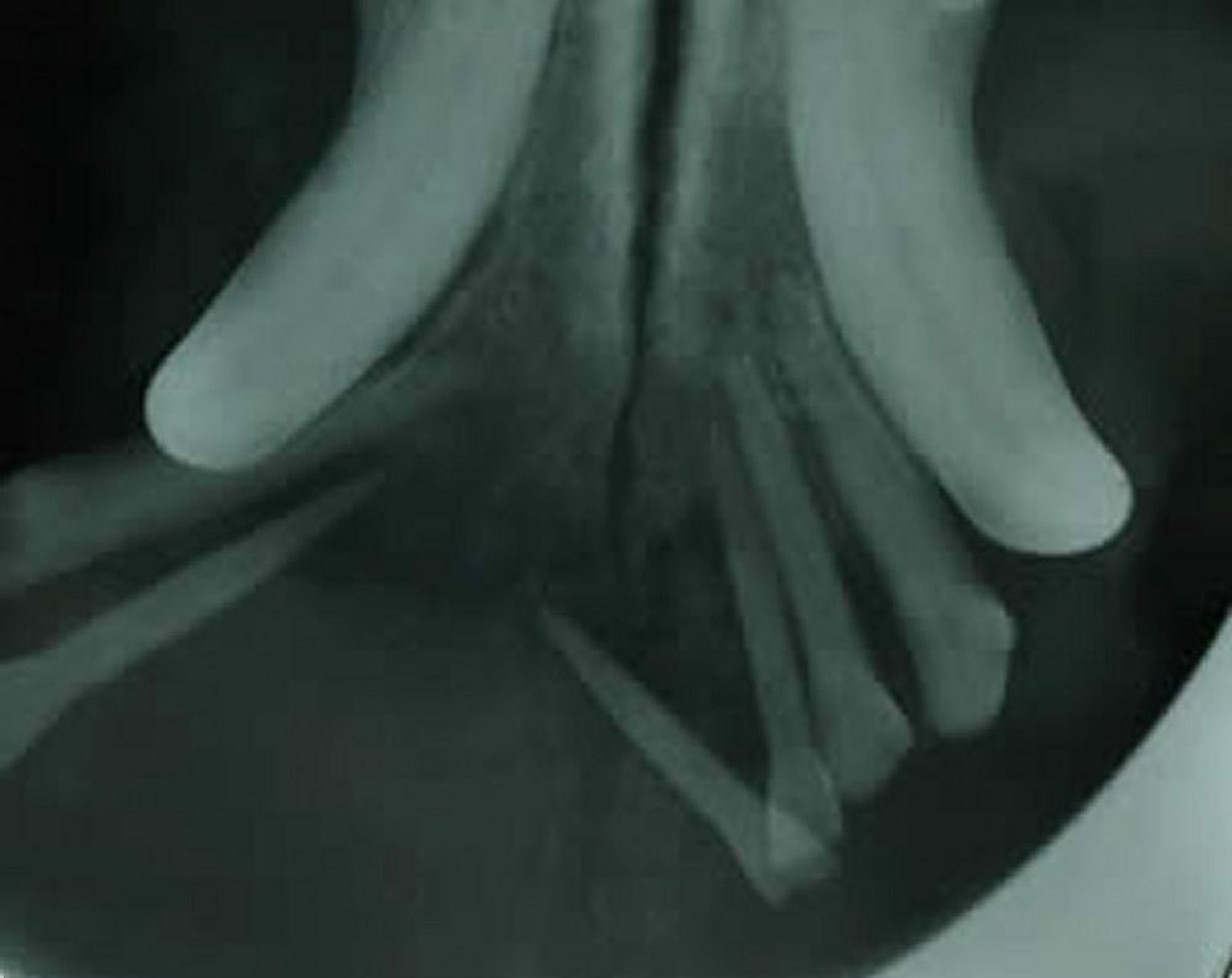
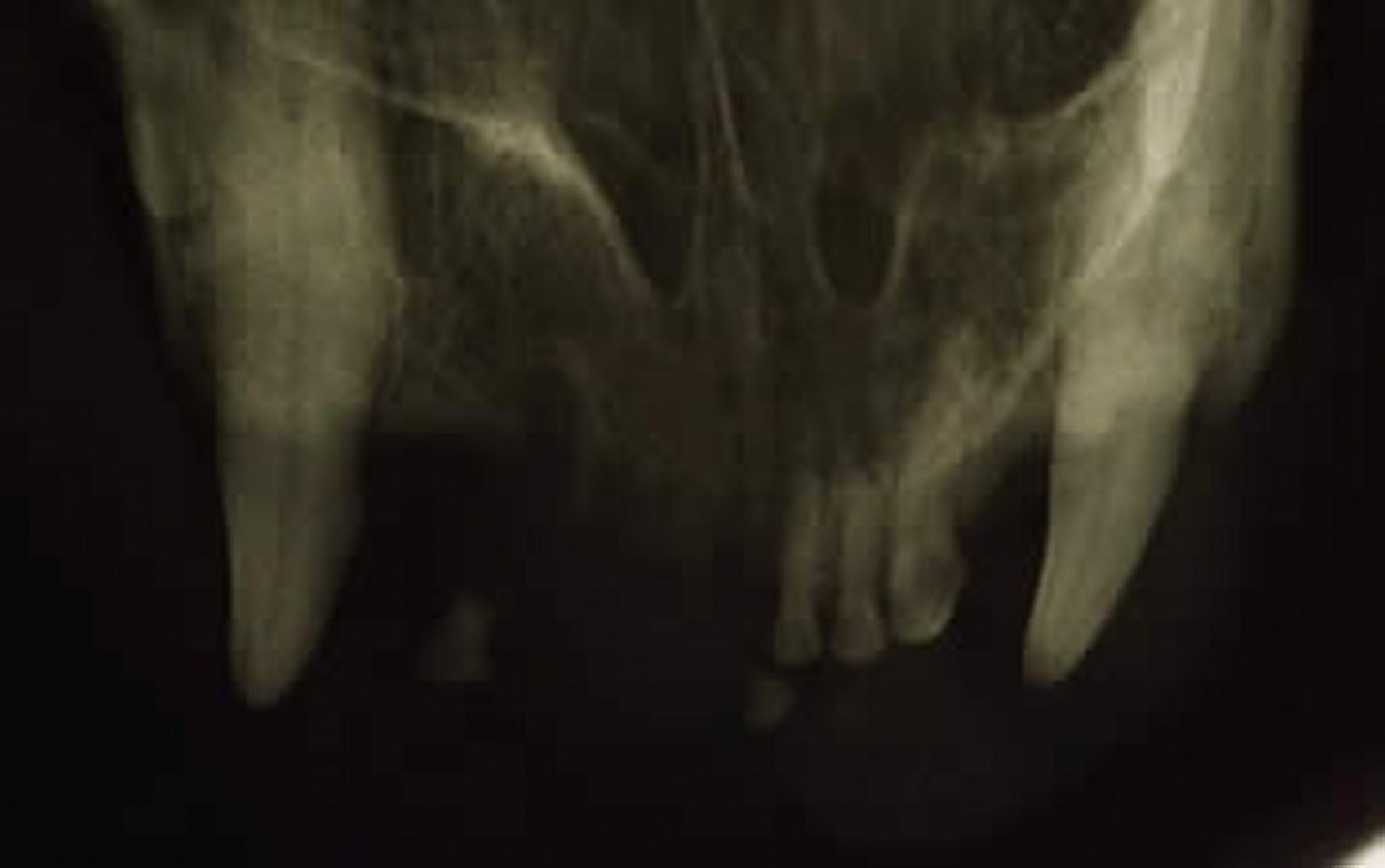
    Acanthomatous ameloblastoma, radiograph, dog

    Acanthomatous ameloblastoma, radiograph, dog
    Photographs

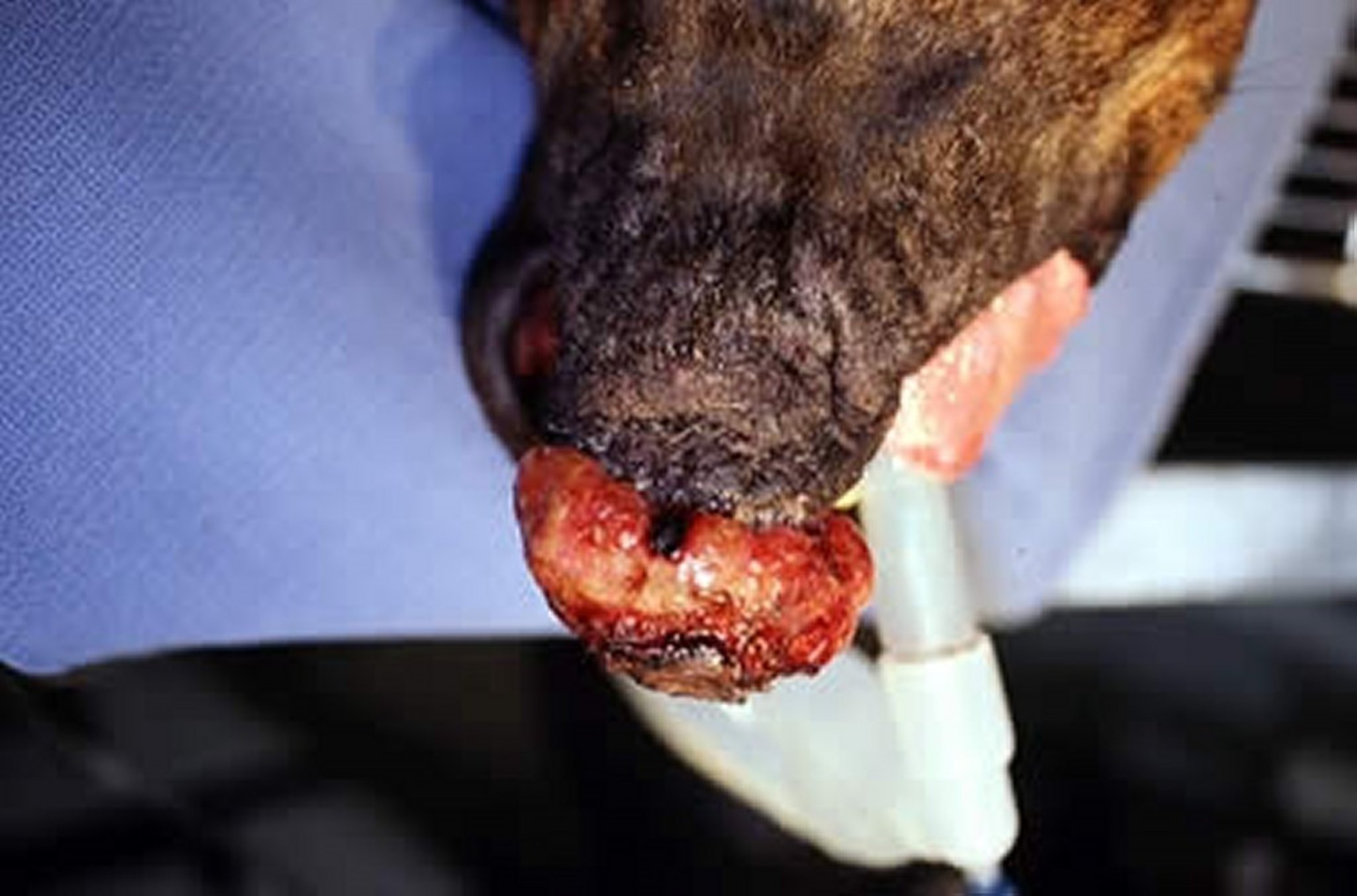
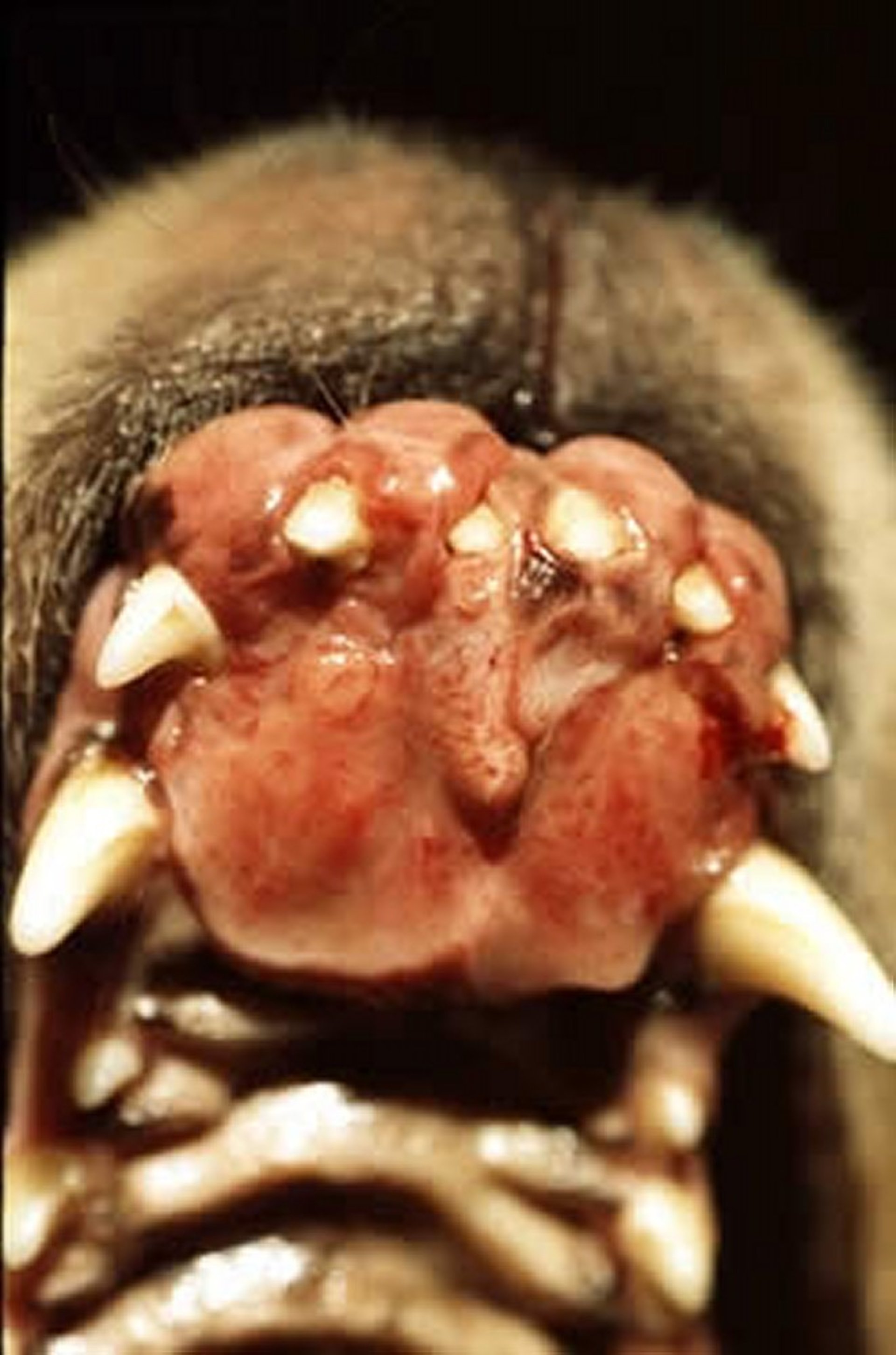
    Acanthomatous ameloblastoma, dog

    Acanthomatous ameloblastoma, dog

    The canine acanthomatous ameloblastoma (previously referred to as acanthomatous epulis) is much more locally aggressive, quickly invading the local tissues including bone. They do not metastasize but because of their locally aggressive nature, surgical excision should include a 1-cm margin of clinically normal tissue (including bony margins) to prevent recurrence. Radiation treatment may minimize disfigurement when treating large tumors. Adequate surgical removal is curative.

    Malignant Oral Tumors

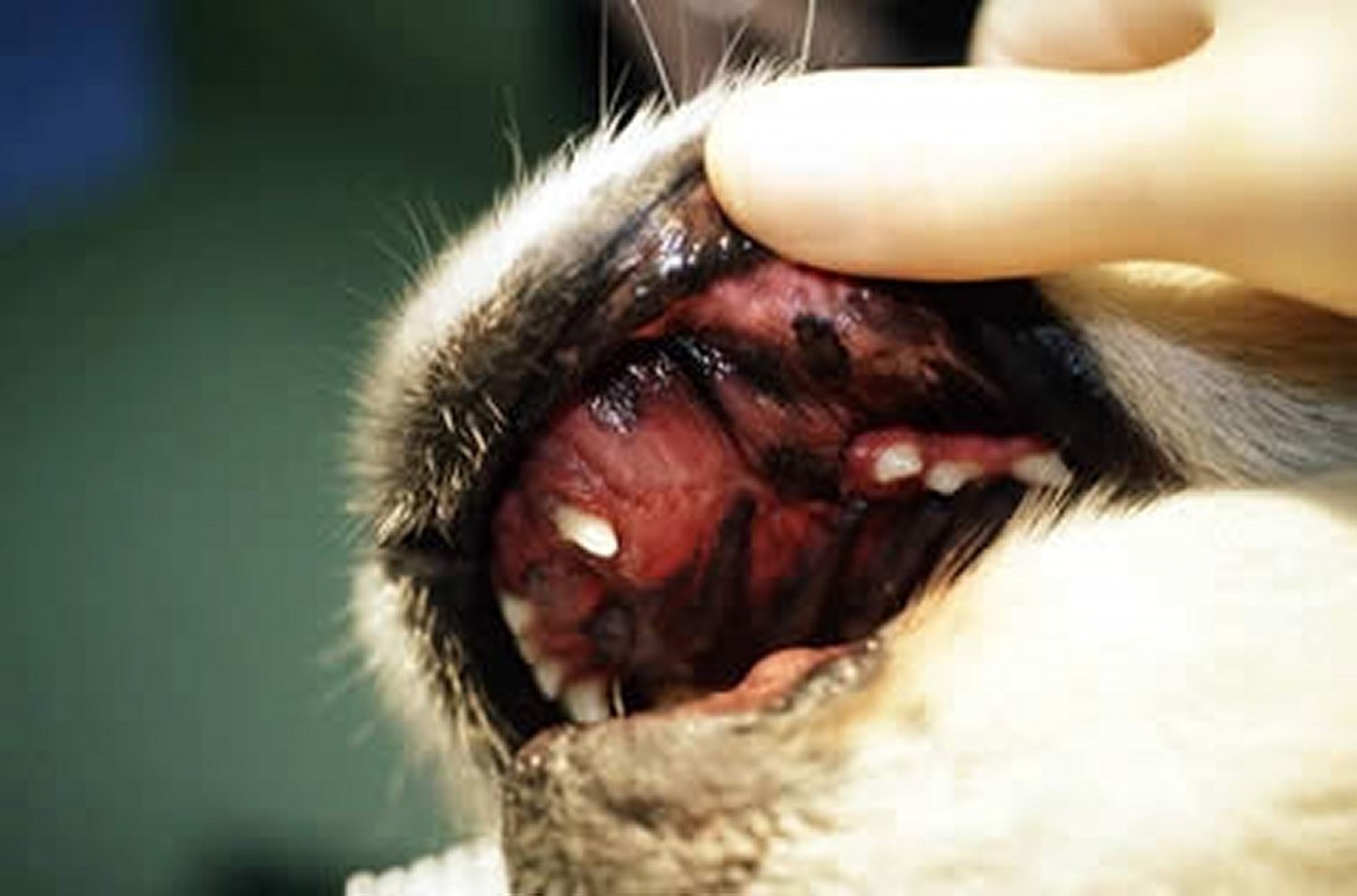
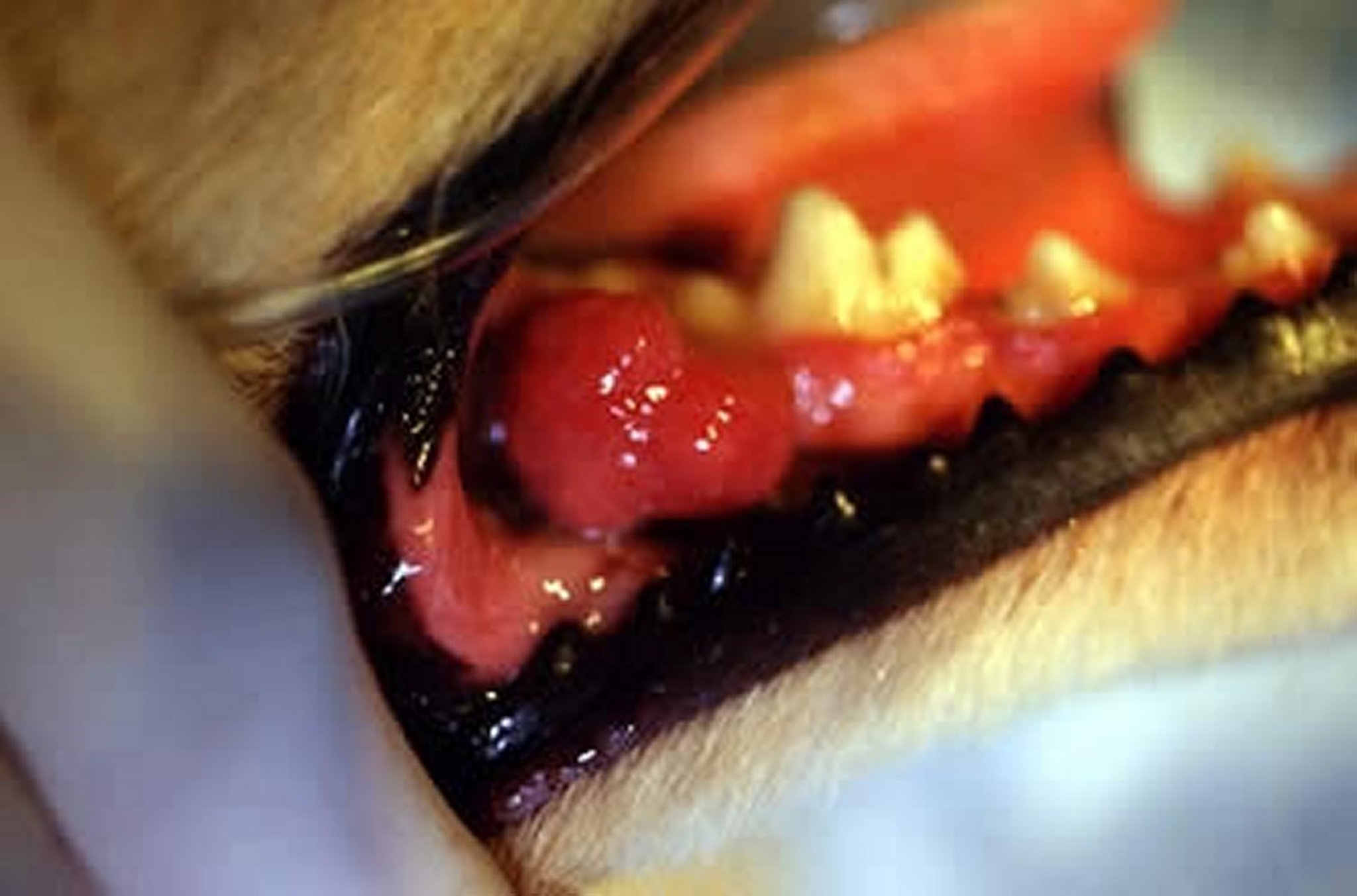
    In dogs, the 3 most common malignant oral tumors are malignant melanoma, squamous cell carcinoma, and fibrosarcoma. The incidence of malignant oral tumors is higher in dogs >8 yr old.

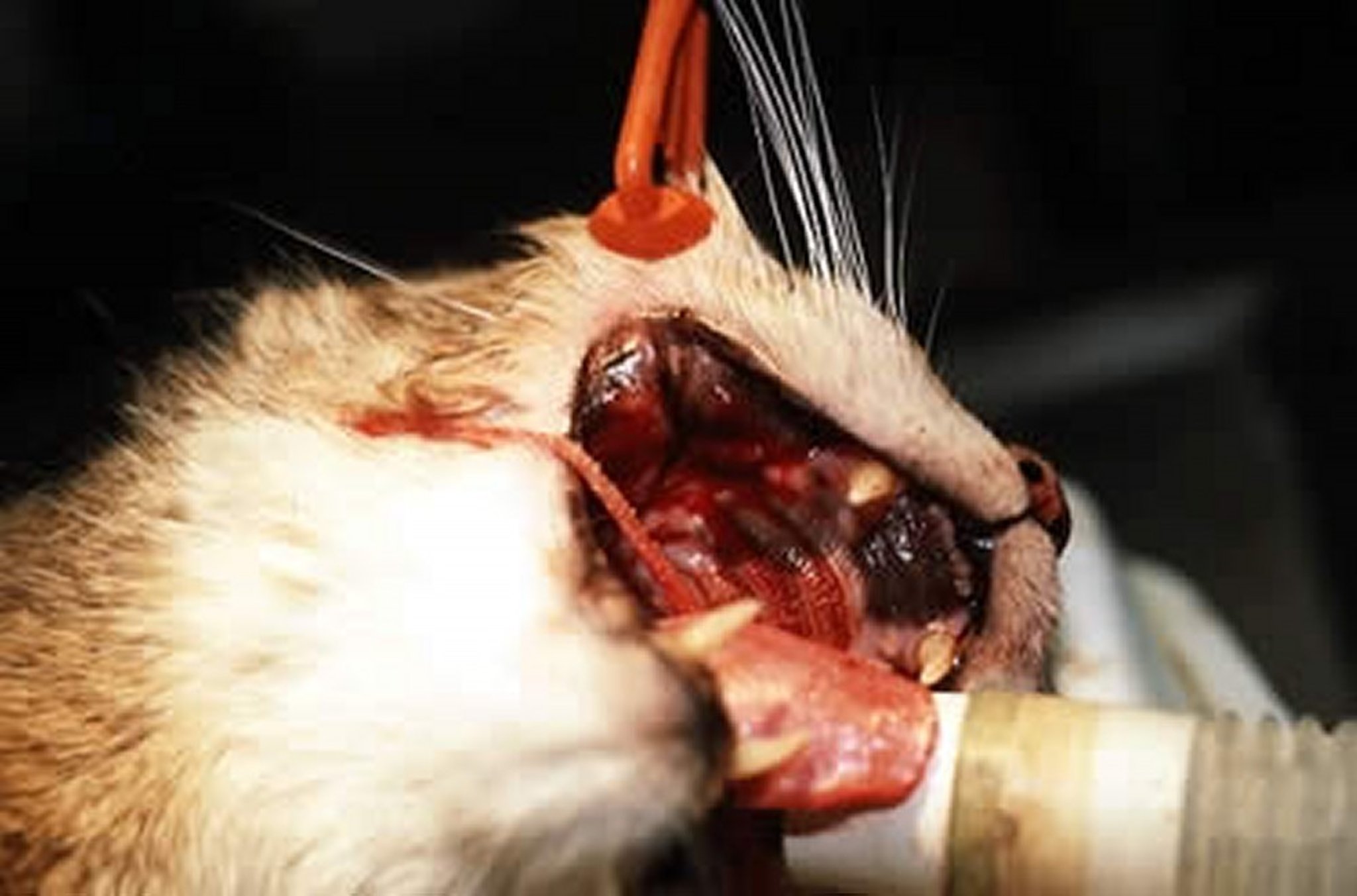
    Squamous cell carcinomas are by far the most common malignant oral neoplasms in cats; they commonly involve the gingiva and tongue and are locally highly invasive. Fibrosarcomas are the next most common. In cats, these tumors are locally invasive and carry a poor prognosis.

    Clinical Findings

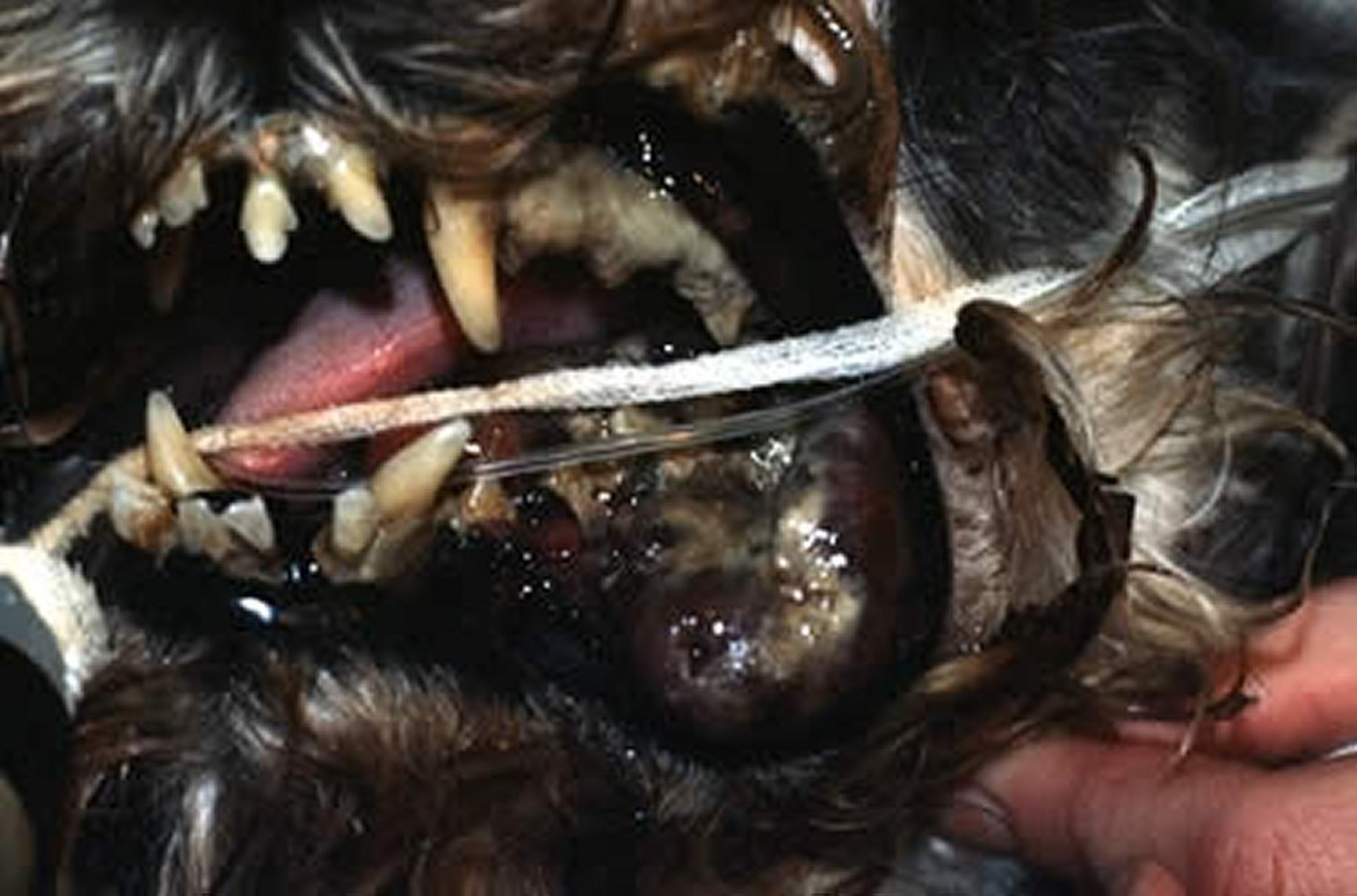
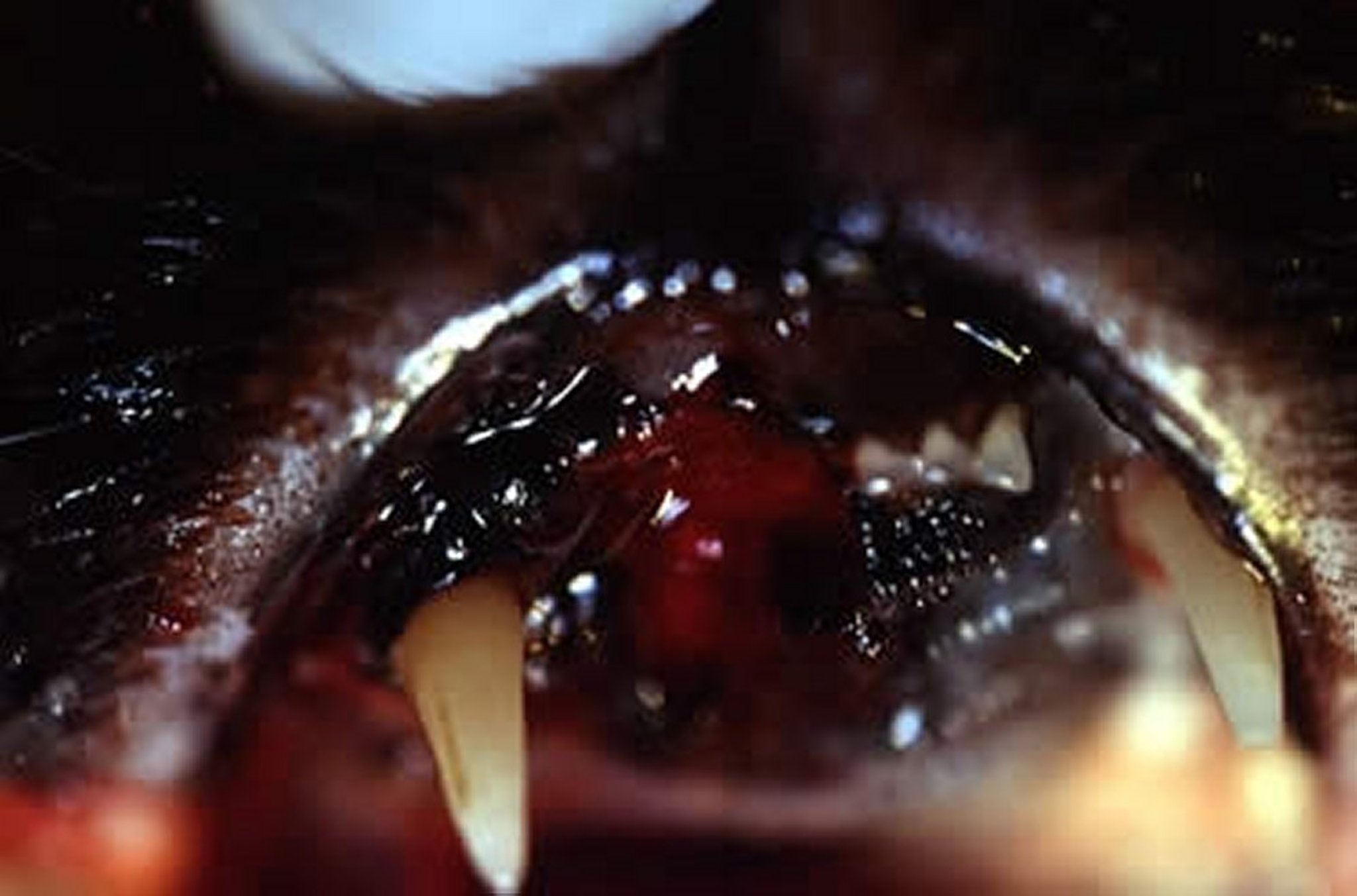
    Signs vary depending on the location and extent of the neoplasm. Halitosis, reluctance to eat, and hypersalivation are common. If the oropharynx is involved, dysphagia may be present. The tumors frequently ulcerate and bleed. The face may become swollen as the tumor enlarges and invades surrounding tissue. Regional lymph nodes often become swollen before oral and pharyngeal tumors are seen.

    Photographs

    Oral fibrosarcoma, dog

    Oral fibrosarcoma, dog
    Photographs

    Oral squamous cell carcinoma, dog

    Oral squamous cell carcinoma, dog
    Photographs

    Oral malignant melanoma, dog

    Oral malignant melanoma, dog
    Photographs

    Oral squamous cell carcinoma, cat

    Oral squamous cell carcinoma, cat
    Photographs

    Oral mast cell tumor, dog

    Oral mast cell tumor, dog
    Photographs

    Oral malignant melanoma, radiograph, cat

    Oral malignant melanoma, radiograph, cat
    Photographs

    Oral malignant melanoma, cat

    Oral malignant melanoma, cat

    Diagnosis

    Because of the varied behavior of gingival growths, presurgical characterization is valuable to plan the extent of the required surgery. Biopsy is the most reliable method to obtain a definitive diagnosis; however, a cytologic diagnosis from impression smears of a fine-needle aspirate is possible in some cases. Malignant melanomas are variable in appearance, pigmented or nonpigmented, and should be considered in the diagnosis of any oral tumor. Squamous cell carcinomas commonly involve the gingiva or tonsils, and lymphosarcoma should be a differential diagnosis for an enlarged tonsil. Regional lymph nodes and the lungs should be evaluated for metastases.

    Treatment

    Malignant melanomas are highly invasive and metastasize readily; consequently, the prognosis is guarded to poor. Surgical resection can extend survival and may be curative, particularly with masses in the rostral areas of the mouth. However, local recurrence is common. While many immunotherapeutic strategies against melanoma have had little success, newer modalities such as dendritic cell vaccination and xenogeneic DNA vaccines may prove valuable. Other modalities that combine suicide gene therapy as adjuvant treatment are also being evaluated. Nontonsillar squamous cell carcinomas are locally invasive with a low rate of metastasis, and the prognosis in dogs is good with aggressive and complete surgical resection, radiation therapy, or both. Tonsillar squamous cell carcinomas are aggressive and have a poor prognosis. Fibrosarcomas have a guarded prognosis because of their locally aggressive nature. Recurrence of tumor growth after resection is common.

    In cats, squamous cell carcinoma has a poor prognosis, and longterm survival is seen only if diagnosed and treated early. Local tumor removal often requires mandibulectomy or loss of large areas of maxillary bone and regional soft tissues.

    Last full review/revision March 2012 by Gregg A. DuPont, DVM, Fellow AVD, DAVDC

    Buy the Book

    Back to Top

    Previous: Viral Warts and Papillomas in Small Animals

    Next: Salivary Disorders in Small Animals

    Audio
    Figures
    Photographs
    Sidebars
    Tables
    Videos

    Copyright     © 2010-2013 Merck Sharp & Dohme Corp., a subsidiary of Merck & Co., Inc., Whitehouse Station, N.J., U.S.A.    Privacy    Terms of Use