
Diabetes Mellitus of Pet Birds
Diabetes mellitus (DM) is an uncommon disease of psittacines but is reported more commonly in toucans. It can be challenging to diagnose in birds. Normal glucose levels in birds are significantly higher than those in mammals (200–400 mg/dL). Birds often have a significant hyperglycemia with stress, which can occur when handled or restrained. Glucosuria can occur at 600 mg/dL in birds, so birds with a stress hyperglycemia can also have glucosuria without a diagnosis of DM. Therefore, for a diagnosis of DM in birds, hyperglycemia and glucosuria must be persistent and documented.
Controlling blood glucose levels is a balance between the activity of glucagon and insulin within the pancreas. In mammals, pancreatic disease often leads to DM and is due to a lack of or resistance to insulin, which causes the blood glucose to rise. The cause of hyperglycemia and DM in birds is less clear. Blood glucose levels in some birds (granivorous birds) seem much more responsive to glucagon levels than to insulin levels, whereas other bird species may be more responsive to insulin. It is still debatable and may depend on the species as to whether DM in birds is caused by abnormalities with insulin, glucagon, or both.
Clinical signs of diabetes mellitus in pet birds include polyuria and polydipsia, increased glucose levels in the blood and urine, and weight loss. DM is often seen in conjunction with obesity or pancreatic or reproductive problems and may be transient in such cases. A persistent hyperglycemia and glucosuria need to be documented for a diagnosis of DM. Diagnosis is based on persistent increases in blood glucose (>700–800 mg/dL) and glucosuria, along with clinical signs of disease.
Treatment of diabetes mellitus in pet birds includes converting the bird to a healthier (pelleted) diet and limiting treats. Response of birds to mammalian insulin is variable, and insulin treatment is generally less effective in birds than in mammals. Regular insulin at 0.1–0.2 U/kg has been used successfully to stabilize birds. Longer-acting insulins (NPH or ultra-Lente) at 0.067–3.3 U/kg, once to twice daily, have been used for longterm control.
Bird owners are often reluctant to give injections to their birds, so oral antidiabetic medications are often used. Glipizide (0.5–1 mg/kg, PO, once to 2 times a day) and metformin (100–500 mg/L of drinking water) have been used anecdotally. Water intake, urine output, weight, and glucosuria should be monitored to determine whether the treatment protocol is effective. In some cases, dietary conversion and weight loss can result in resolution of the clinical signs, reducing or eliminating the need for oral medications or insulin.
Feather Cysts of Pet Birds

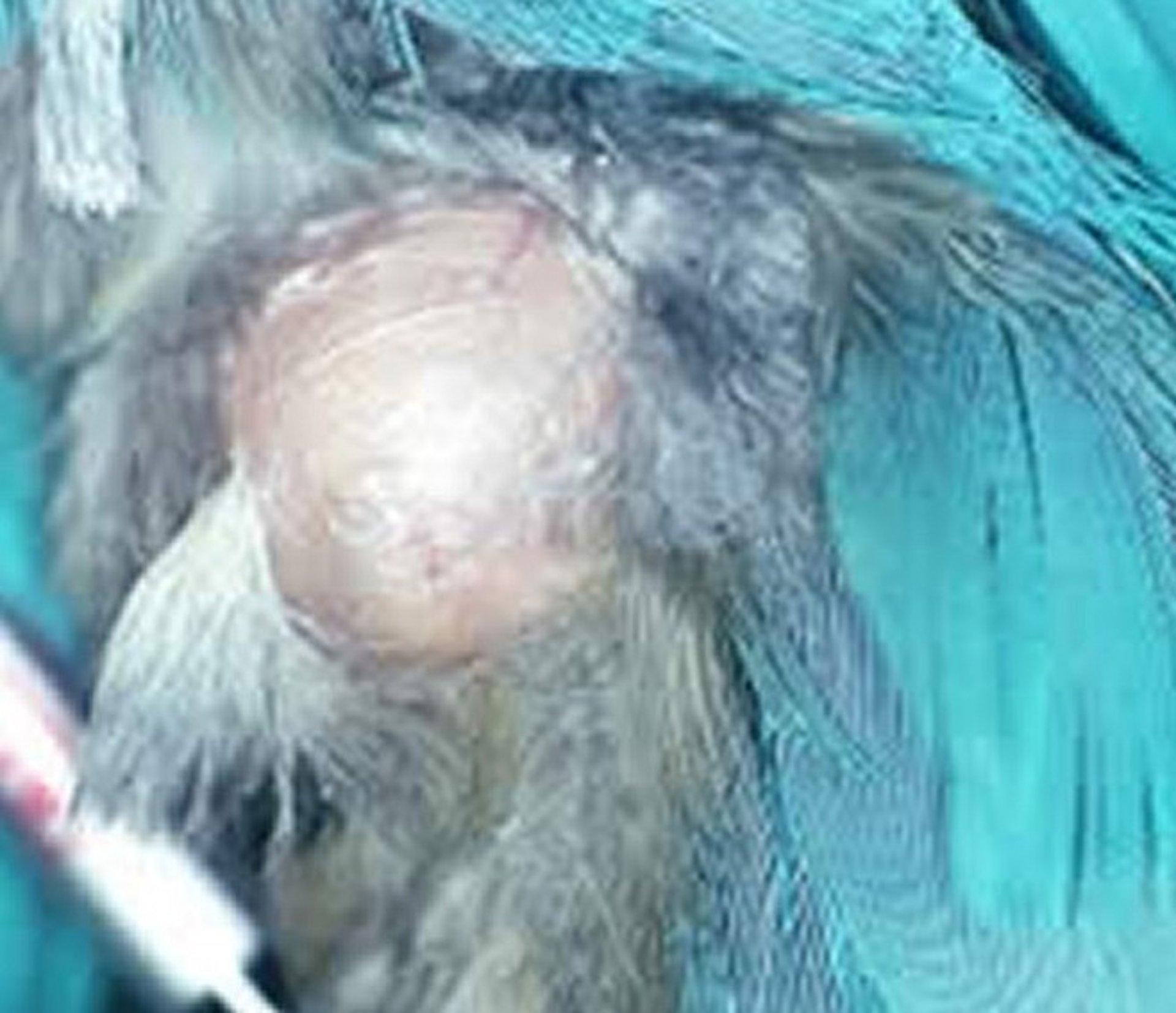
Courtesy of Dr. Louise Bauck.
Feather cysts are ingrown feathers that result in a granulomatous mass. Recurrence is common unless the extensive dissection of the feather follicle is accomplished. In birds with multiple affected feathers, such as the genetically predisposed Norwich canary, this is not practical.
Feather Destructive Behavior of Pet Birds
The phrase “feather plucking” is commonly used to describe behavior that ranges from mildly excessive preening to self-mutilation. Management of this condition is frequently challenging. Feather plucking seldom has a single etiology, and it is prudent to thoroughly explore all possible contributing factors, including underlying medical problems. Good communication concerning feather plucking in birds at the onset will help owners realize that this is a complicated behavior that is difficult to stop. The goal should be to improve the health of the bird and to reduce (or eliminate) the plucking behavior, if possible.
Possible medical causes for feather plucking include the following:
Endoparasites (especially giardiasis in cockatiels) and, rarely, tapeworms or roundworms
Ectoparasites (rarely)
Hepatic disease, with associated pruritus
Coelomic cavity granuloma or mass
Neoplasia, which typically causes localized plucking of the area associated with an underlying mass
Folliculitis or dermatitis that is primary, or secondary to excessive plucking and/or mutilation. Bacteria, viruses, fungi, or yeasts may be involved.
Allergies. Although difficult to confirm, a change in environment or diet when allergens are suspected may lead to a decrease in plucking and a tentative diagnosis by elimination.
Endocrine abnormalities, the most likely being hypothyroidism. However, hypothyroidism is overdiagnosed in part because of the lack of established normal values for avian thyroid levels, the low range for baseline T4 noted in birds, and difficulty in obtaining a reliable thyroid-stimulating hormone (TSH) response test. Nevertheless, some obese birds that demonstrate a lack of weight loss after a rigid diet, accompanied by poor quality feathers and infrequent molts, may be thyroid deficient. The plucking exhibited by these birds is often an attempt to rid themselves of old, damaged feathers.
Heavy metal toxicosis, notably zinc. Barbering and feather plucking from zinc ingestion have been hypothesized. Many of these cases lack radiographic evidence of heavy metal and require a blood zinc analysis for diagnosis.
Malnutrition is likely a more common contributing factor to feather plucking than the medical conditions listed above. Basic seed and table food diets often create multiple nutritional deficiencies. These deficiencies cause abnormal skin and feather development resulting in plucking behavior, as well as myriad other medical problems that may occur. The dyes and preservatives added to seeds and most pelleted diets may be a factor for some birds. The relatively low humidity in most households also has a drying effect on the skin. Being deprived of natural sunlight, fresh air, humidity, and the normal light/dark cycle has negative physiologic and psychologic effects on birds.
A diagnostic evaluation for a bird with feather destructive behavior may include a CBC, biochemical profile, viral testing, skin biopsy, radiographs, and/or endoscopic examination. Behavioral feather picking should be determined only after a complete evaluation that excludes as many medical causes as possible.
Treatment is based on the findings of the diagnostic evaluation. A hormonal bird may need an injection of leuprolide acetate or a deslorelin implant, (GnRH agonists) to reduce reproductive behavior, along with environmental changes.
Although medical and environmental management may reduce the severity of feather plucking, a strong behavioral component is often involved. Treatment of some of the above-mentioned problems may lead to initial improvement, followed by a relapse. Psychologic stressors can lead to feather plucking as a displacement behavior. Unfortunately, once the stress has been relieved, the habit may still remain. Feather plucking does not occur in the wild, where birds are occupied with finding food, maintaining their social status in the flock, seeking a mate, avoiding predators, and breeding and raising young. Therefore, even the best-kept birds, which have all their apparent needs met, can pluck feathers for behavioral reasons.
Psychologic conditions that may cause feather plucking in birds vary. Overstimulation may cause plucking in a nervous bird. Another bird that plucks from boredom may feel both stimulated and slightly threatened by increased activity in the home and stop plucking to pay attention to the environment and guard itself against potential predators. Birds that reach sexual maturity may begin to pluck as an outlet for their increased reproductive urges. Owners of these birds often report that their birds show more cage territoriality, more aggression toward family members, and potentially, sexual behavior toward a perceived human mate or inanimate objects.
All feather destructive behavioral issues require a multimodal treatment approach that involves providing proper nutrition, enrichment, foraging opportunities and, in some cases, psychotropic medications. Neither of these categories of drugs tends to produce longterm positive results, and adverse effects may be seen. As is true of most medications administered to pet birds, these drugs are not approved by the FDA.
Psychotropic drugs should not be used alone but only in conjunction with dietary modifications, enrichment, and foraging opportunities. In addition, changes may need to be made in the interactions between the owner and the bird. Dietary modifications include both conversion to a healthier formulated diet and providing foraging opportunities for the bird. Owners can place food in multiple food dishes throughout the cage or hide food inside foraging toys to stimulate normal foraging behavior. Enrichment can be provided in the form of natural branches, toys, wood to chew on, multiple play gyms throughout the house, natural sunlight, and ideally a flight cage to encourage activity. Exercise should be encouraged, either through flight or walking and climbing activities. Rope and boing perches stimulate activity and balance. Teaching birds tricks such as waving, dancing, and recall can provide intellectual stimulation and positive interaction between the owner and bird.
In addition to traditional medical therapies, acupuncture has been reported to be helpful in some cases. Dietary supplementation with omega fatty acids has been reported to be helpful (flax seed oil 0.1– 0.2 mL/kg/day, PO, or an essential fatty acid supplement 0.22–0.44 mL/kg/day, PO).
An ideal medical treatment is not likely to be found for feather plucking in captive birds. Environmental manipulation, ensuring quality nutrition, and psychologic adaptations suited to the species and temperament of the bird offer the best hope to reduce this syndrome. Consultation with a board-certified behaviorist familiar with psittacines may be indicated.
Gout of Pet Birds

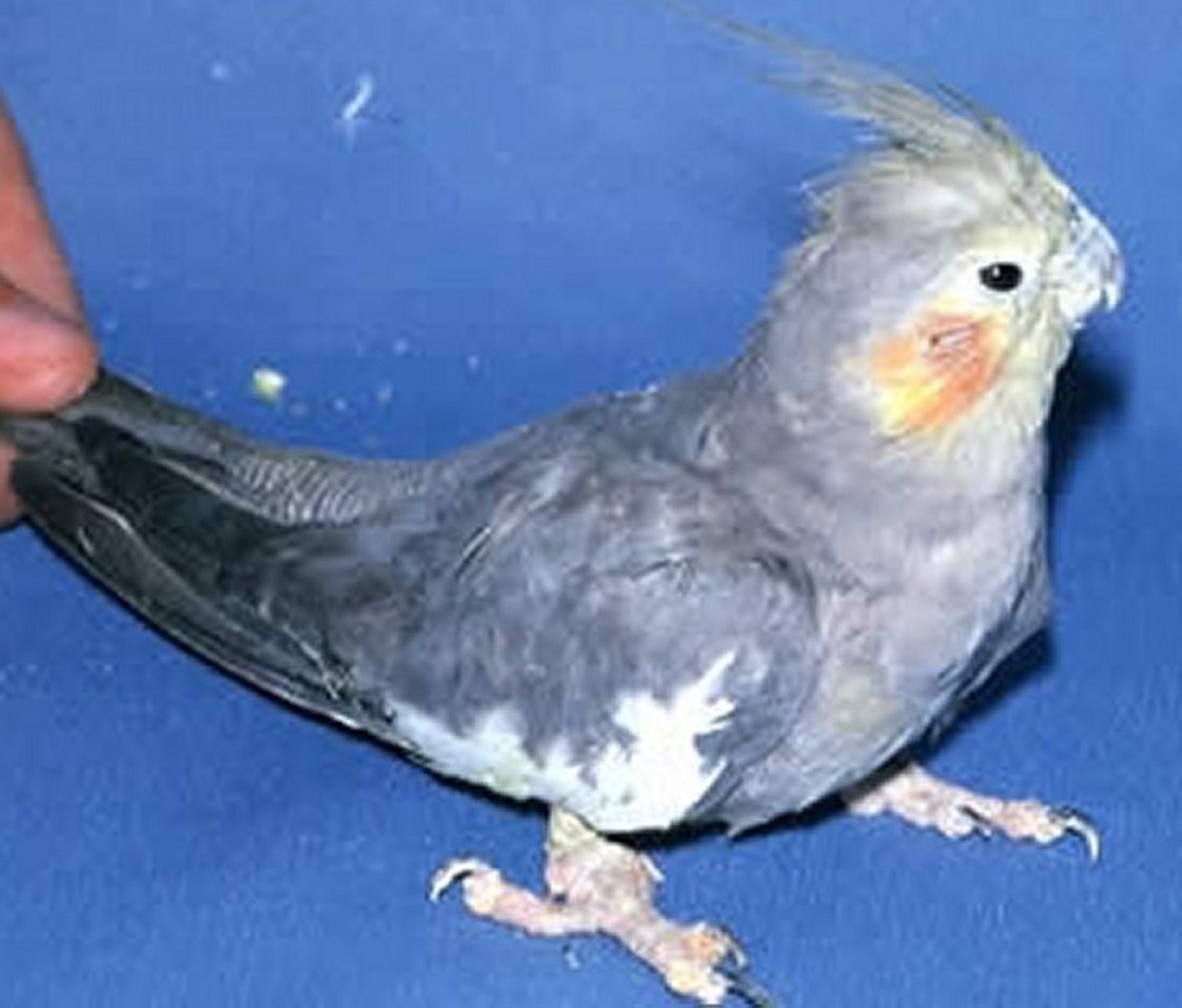
Courtesy of Dr. Louise Bauck.

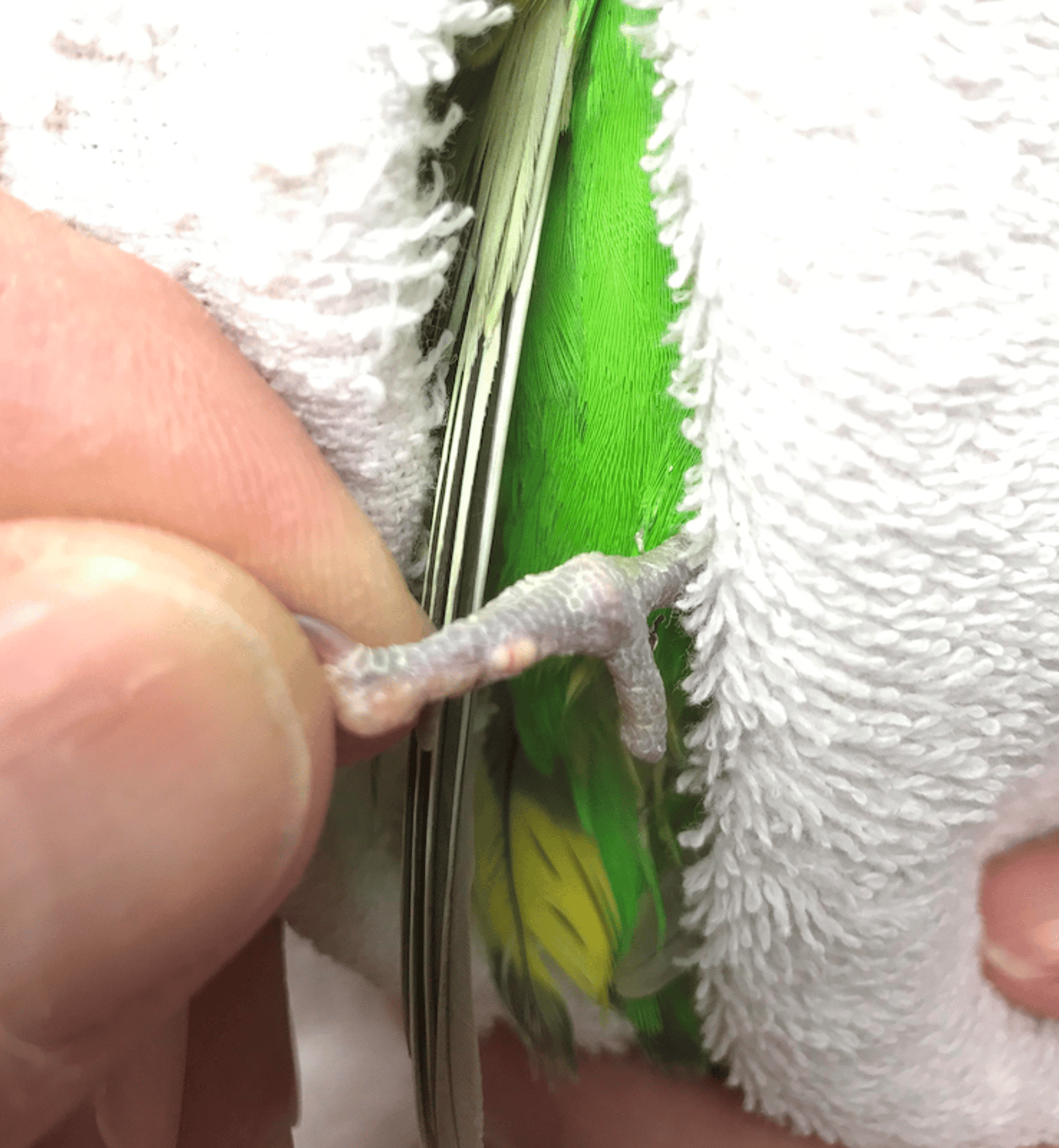
Courtesy of Dr. Bob Monaco.
Gout is the abnormal deposition of uric acid in the body. Uric acid is the major end product of protein breakdown in birds. It is produced and secreted primarily in the kidneys and liver and eliminated by tubular secretion. Elimination is independent of glomerular filtration rate. Hydration has only a minimal effect on plasma uric acid levels; therefore, hyperuricemia can be an indicator of kidney disease in birds. Gout typically occurs secondarily from increased plasma uric acid levels. Articular gout occurs in the joints (most often the metatarsal and phalangeal joints) of birds, and visceral gout occurs on the serosa of various organs and is commonly found on the pericardium, liver, and spleen.

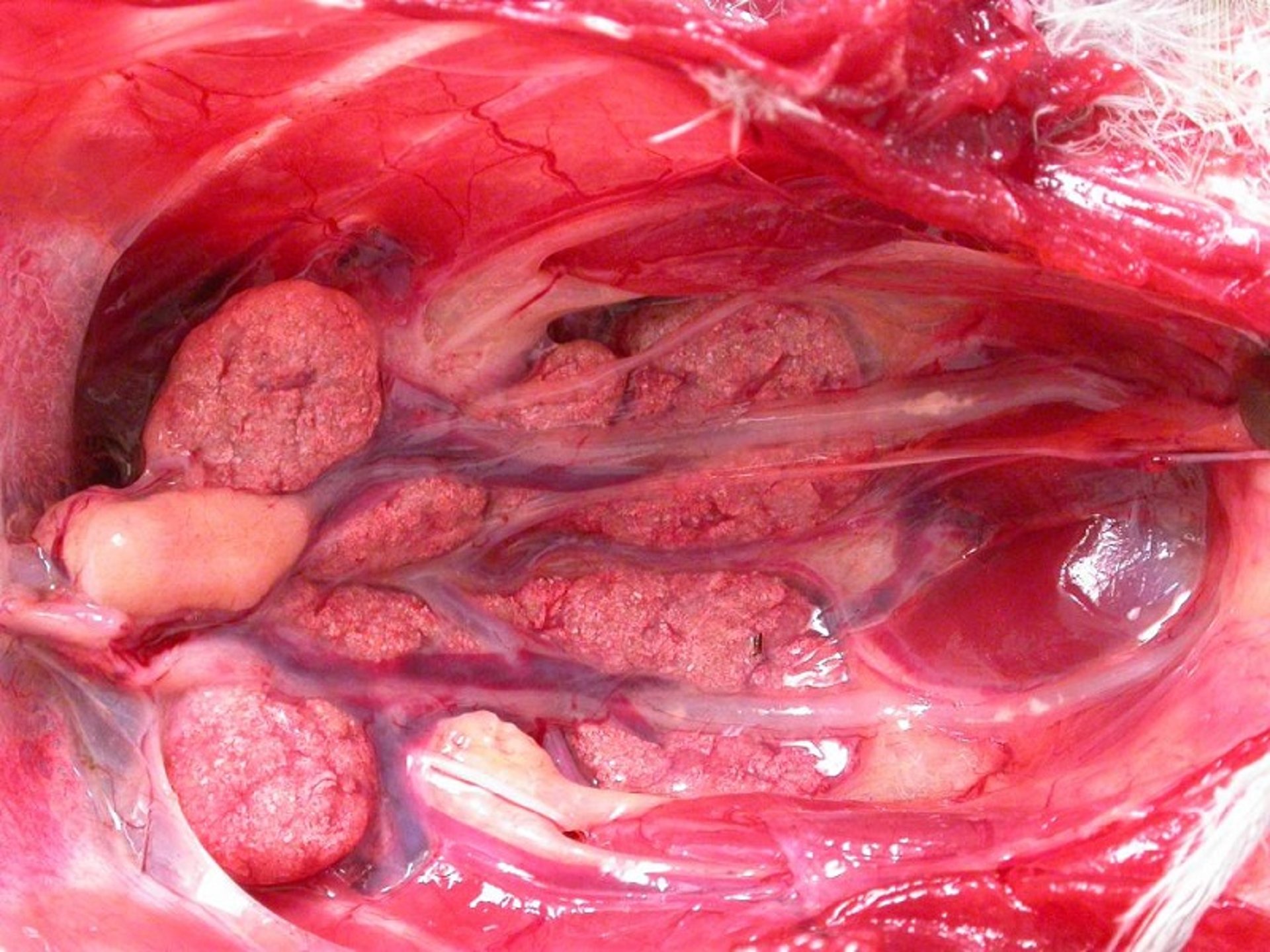
Courtesy of Dr. Gerry Dorrestein.
Clinical signs of articular gout are pain, lameness, swelling in the joints, depression, anorexia, and dehydration. Visceral gout is rarely diagnosed antemortem and is typically found at necropsy. Acute death is often the only clinical sign. The serosal surface of various organs and the renal tubules are the locations of uric acid deposition.
Diagnosis of articular gout is by identifying gout tophi—whitish yellow, subcutaneous, and intra-articular deposits that demonstrate uric acid crystals on staining. Uric acid levels commonly are increased.
Treatment of articular gout includes fluid therapy to reduce uric acid levels and analgesics for pain. Articular gout tends to be severely painful. If effective pain control cannot be accomplished, euthanasia should be considered. Surgical removal of these tophi is not practical in most cases, because they are extremely vascular and the risk of fatal hemorrhage is high. Additionally, unless the underlying condition can be identified and corrected or controlled, new tophi will appear very rapidly. Allopurinol (10–30 mg/kg/day, PO) and colchicine (0.04 mg/kg, PO, once to twice daily) may be useful in control of articular gout.
The genetic, nutritional, or environmental factors that predispose a bird to gout are not fully understood. However, current treatment of birds with increased uric acid levels includes conversion to an appropriate diet (this may be a pelleted diet in some species) or a diet change to whole grains, seeds, fruits, and vegetables for some smaller birds such as cockatiels and budgerigars (for whom a pelleted diet may be a factor in kidney disease). Essential fatty acids at 0.22– 0.44 mL/kg/day, PO, have been used anecdotally to manage kidney disease in birds.
Hypersensitivity Pneumonitis of Pet Birds

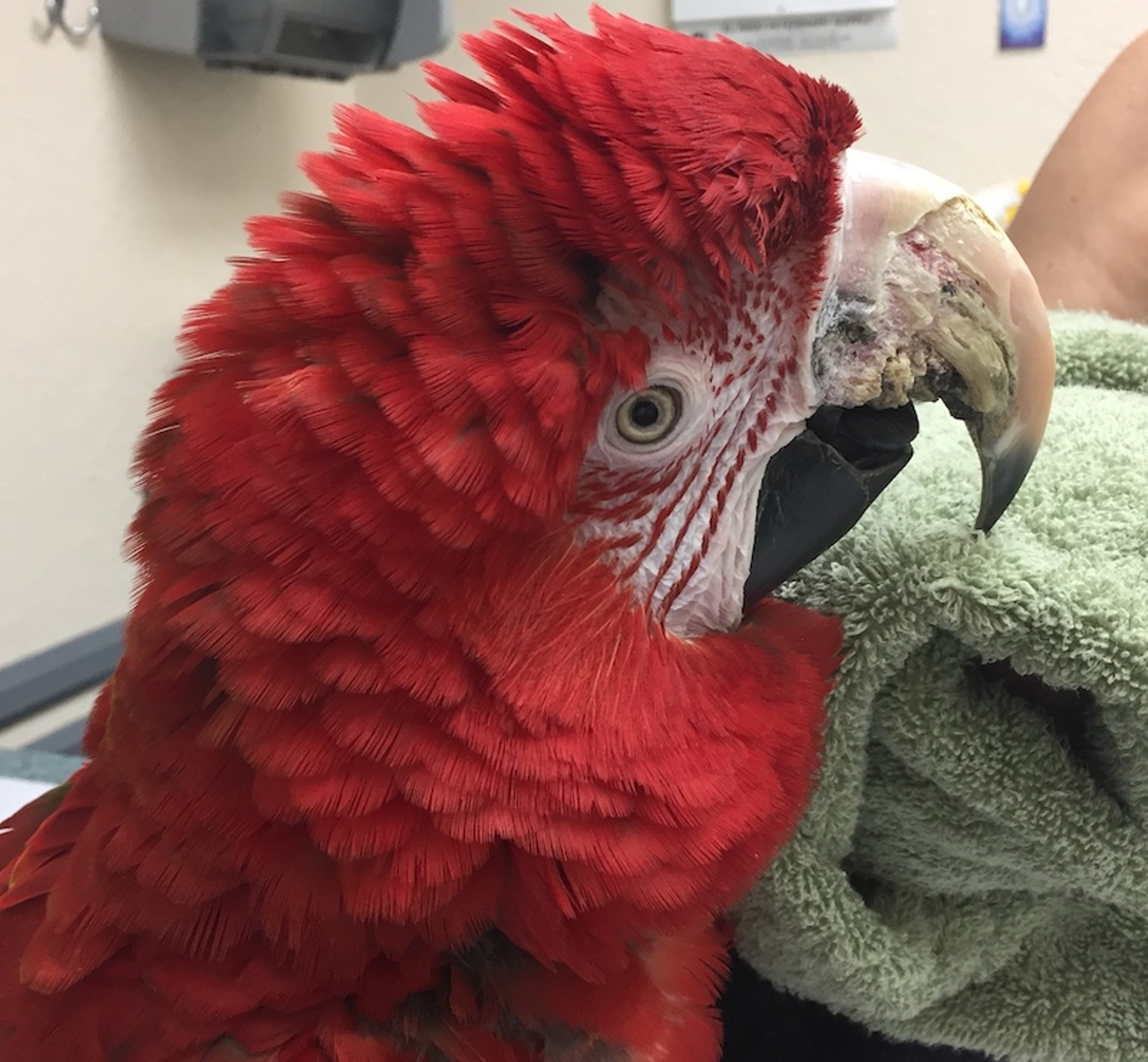
Courtesy of Dr. Sharman Hoppes.
Hypersensitivity pneumonitis, a respiratory condition similar to chronic obstructive pulmonary disease (COPD), has been reported in macaws (primarily blue-and-gold macaws). These birds often have a history of being housed with birds that produce large amounts of powder down, such as cockatiels and cockatoos in poorly ventilated environments. The birds may also have secondary bacterial or fungal infections.
Clinical signs include increased respirations, exercise intolerance, dyspnea, respiratory distress, and cyanosis of the facial skin.
Diagnosis of hypersensitivity pneumonitis is based on a history of being housed with feather down–producing birds in poor ventilation with respiratory disease and often polycythemia (>60%–70%). Pulmonary biopsy is diagnostic. Histopathologic lesions are confined to the lower respiratory tract. The most prominent lesion is atrial smooth muscle hypertrophy and some atrial loss due to fusion and epithelial bridging.
Treatment of hypersensitivity pneumonitis is supportive care and removal of the bird from the offending environment. Improved ventilation and separation from birds that produce powder down is critical. NSAIDs such as meloxicam (0.5–1 mg/kg, PO, once to twice daily) may help reduce inflammation. Birds should be housed to reduce stress and minimize exertion. Often, birds with confirmed pulmonary hypersensitivity will not have a normal life expectancy.
For More Information
Also see pet health content regarding disorders and diseases of pet birds.