
Neoplasia occurs with some frequency in pet birds of all ages and includes cancer of the skin, sinuses, oral cavity, GI tract, lungs, air sacs, liver, spleen, kidneys, reproductive tract, bone, vascular and connective tissue, and brain. The incidence of cancer is likely to rise as pet birds age.
Often, external tumors can be seen on physical examination and diagnosed by fine-needle aspirate and cytology or biopsy. Internal neoplasia often requires imaging (radiographs, ultrasound, or CT scan), endoscopic examination, or exploratory surgery to determine the type and extent of the neoplasia. Treatment protocols are becoming more successful but are still extrapolated from other species and often have been performed in only one or two birds. More information (clinical studies and research) is needed on diagnostic tests, treatments (including adverse effects), and prognosis of neoplasia in companion birds.
Cutaneous, Subcutaneous, and Other Neoplasms

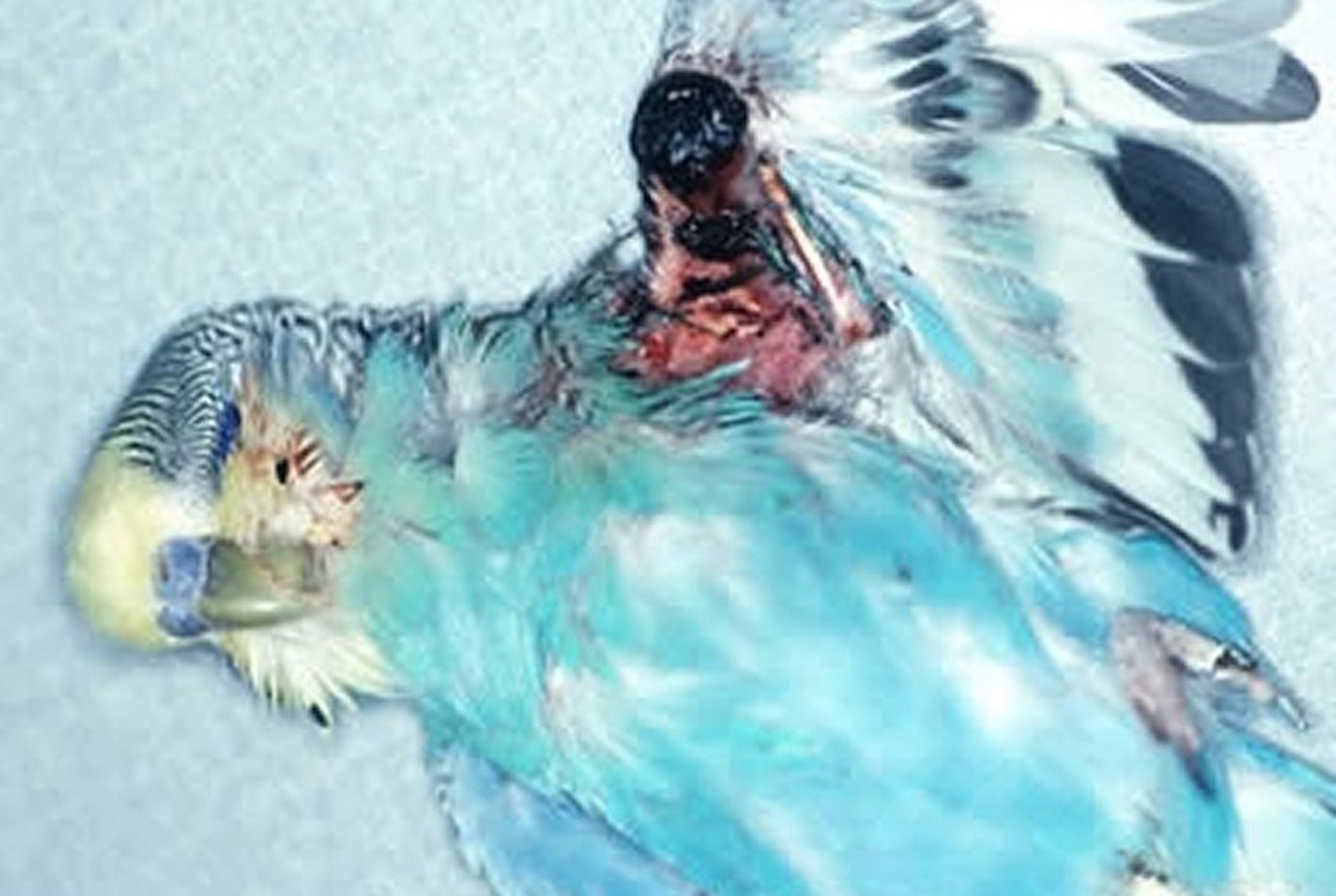
Courtesy of Dr. Louise Bauck.

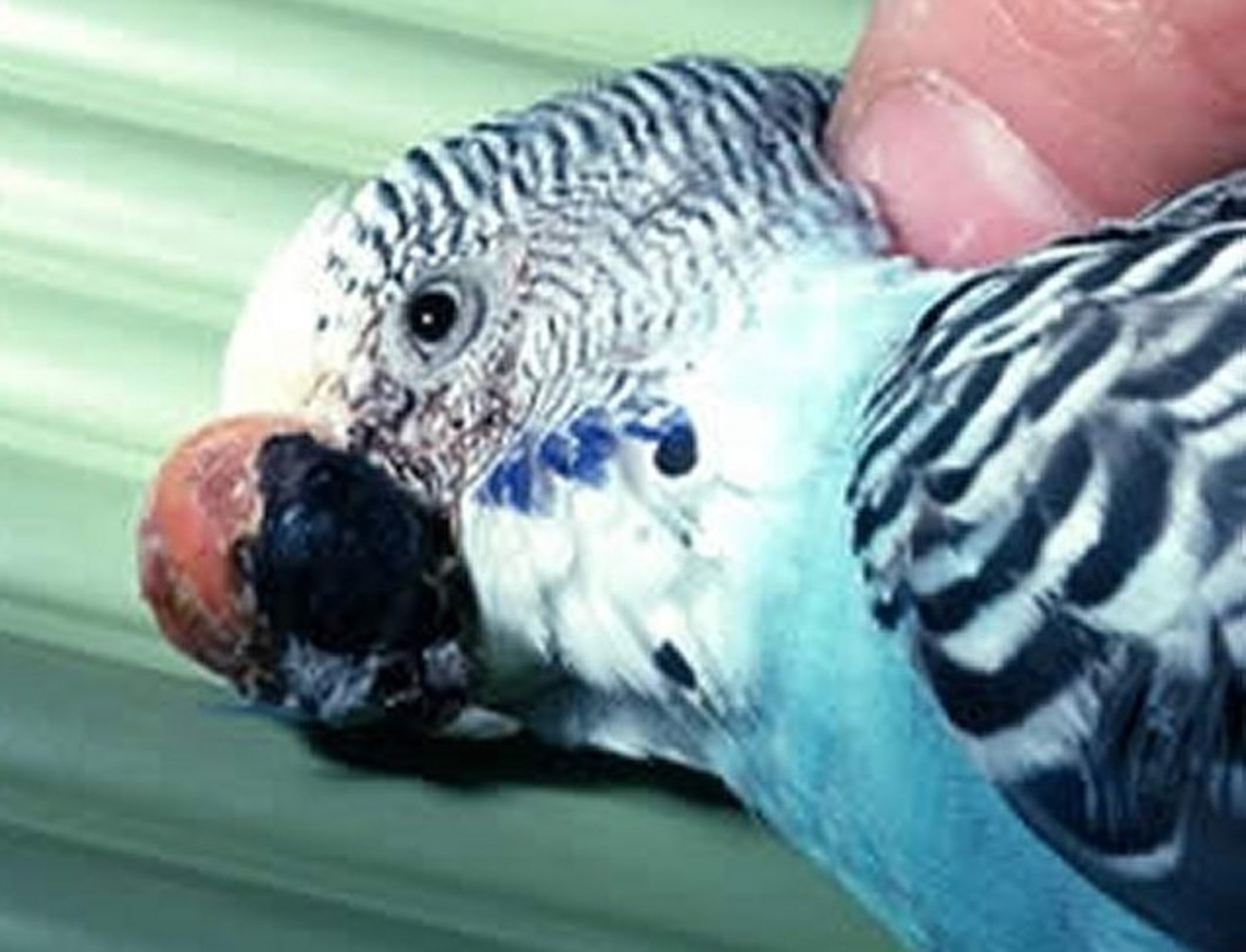
Courtesy of Dr. Louise Bauck.

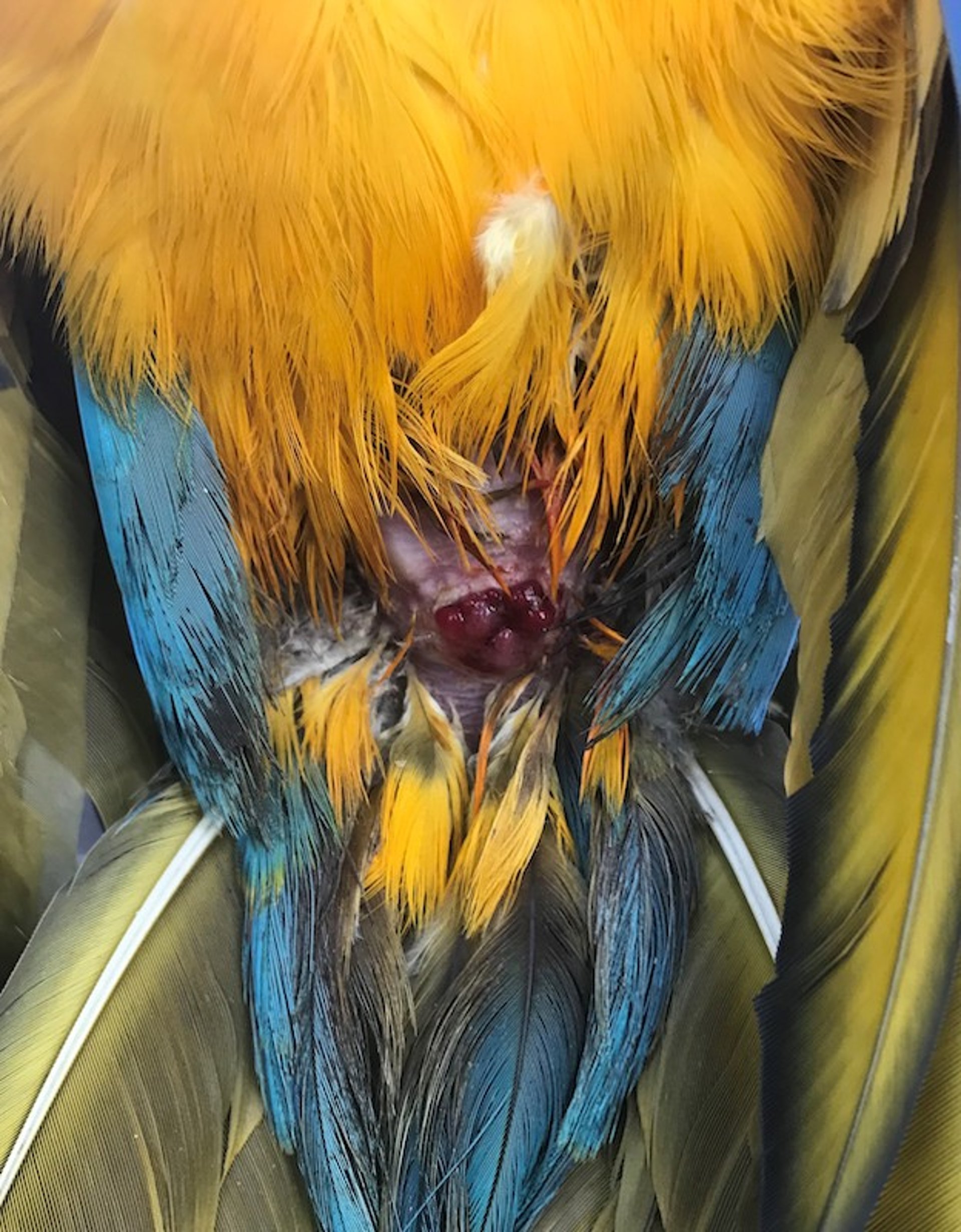
Courtesy of Dr. Sharman Hoppes.

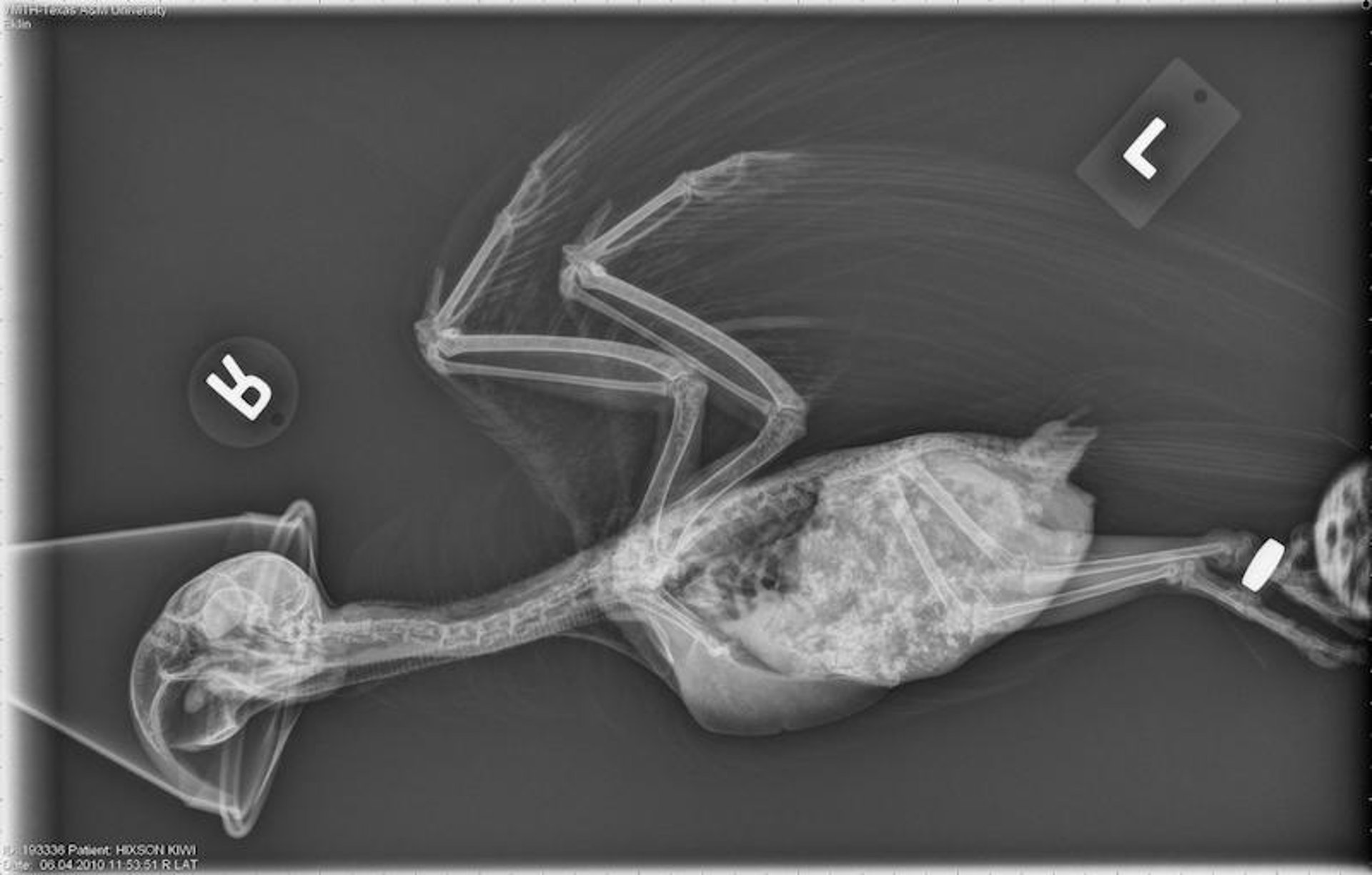
Courtesy of Dr. Sharman Hoppes.
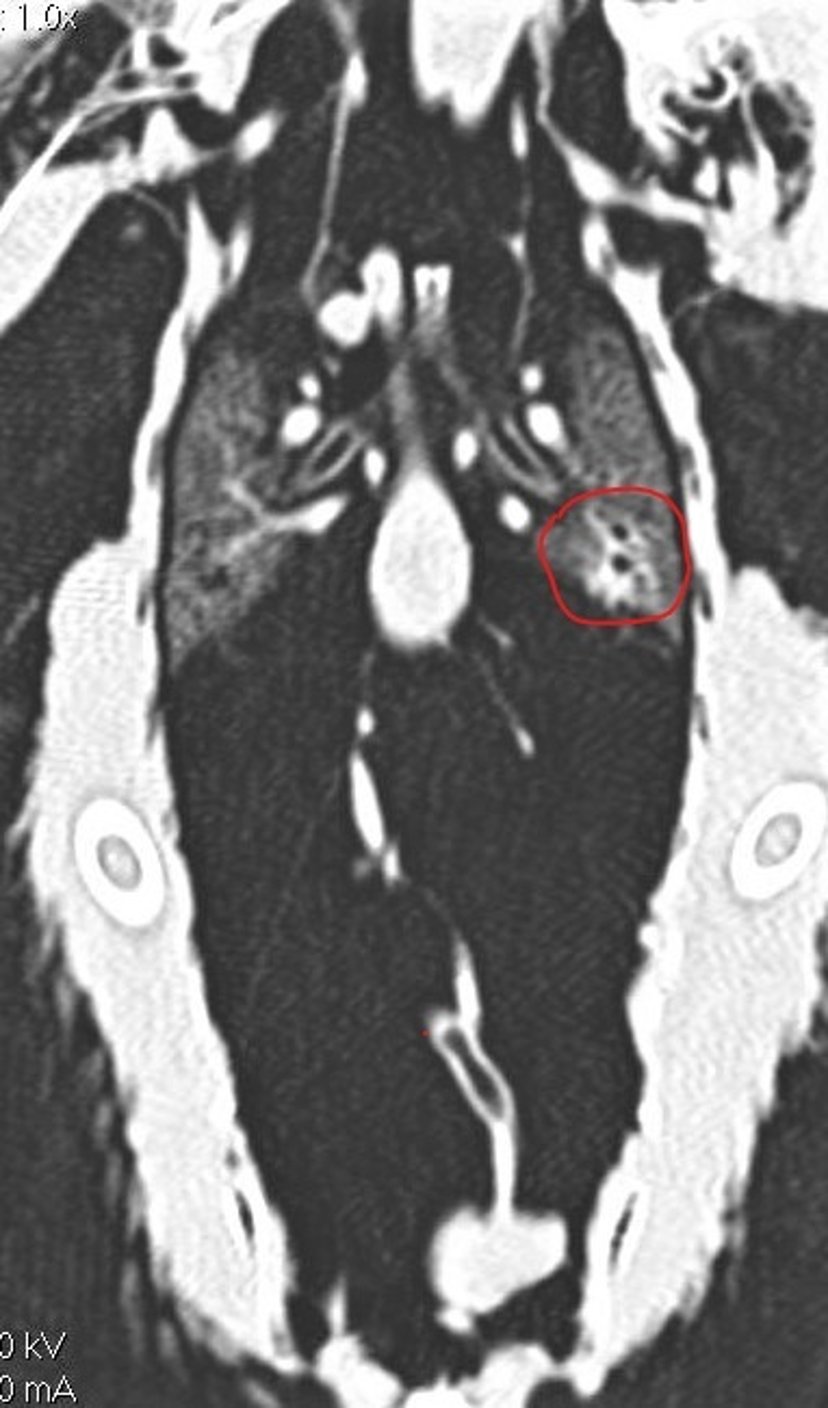
Squamous cell carcinoma (SCC) is a malignant tumor comprised of moderately undifferentiated to poorly differentiated squamous cells. SCCs are most common on the skin and beak, in the oral cavity, esophagus, or crop, and on the distal wing and phalanges. These tumors tend to be locally invasive. Cutaneous SCCs often appear as proliferative masses or wound-like ulcers. Tumors often develop at sites of chronic irritation. It has been experimentally demonstrated that inflammation can promote neoplastic proliferation. SCCs of the uropygial gland can occur and result in enlargement of the gland and ulceration. SCCs of the beak result in overgrowth and deformation of the beak. Tumors involving the sinuses or oral cavity typically have poorly defined borders and are associated with necrosis and hemorrhage.
Clinical signs of SSCs of the sinus or oral cavity are dyspnea, dysphagia, anorexia, exophthalmos, and nasal discharge. Clinical signs of birds with SSCs of the crop or esophagus include anorexia, regurgitation, and depression. Cutaneous SCCs tend to be locally aggressive and recur, but there are few reports of metastasis. Tumors are often associated with chronic (secondary) bacterial and fungal infections. Diagnosis is based on imaging (radiographs, CT scan) and fine-needle aspirate and cytology or biopsy of the lesion.

Courtesy of Dr. Sharman Hoppes.
Recommended treatment is surgical excision with or without radiation therapy. Cobalt-60 radiation therapy and intralesional carboplatin and cisplatin have had limited success in treatment of SCCs. Radiation therapy with a strontium-90 probe has had some success in treatment of SCCs of the uropygial gland after surgical excision or debulking.
Musculoskeletal neoplasms reported in psittacines include osteosarcoma, chondroma, chondrosarcoma, hemangioma, and leiomyosarcoma. Wide surgical resection is the suggested treatment.

Courtesy of Dr. Gerry Dorrestein.
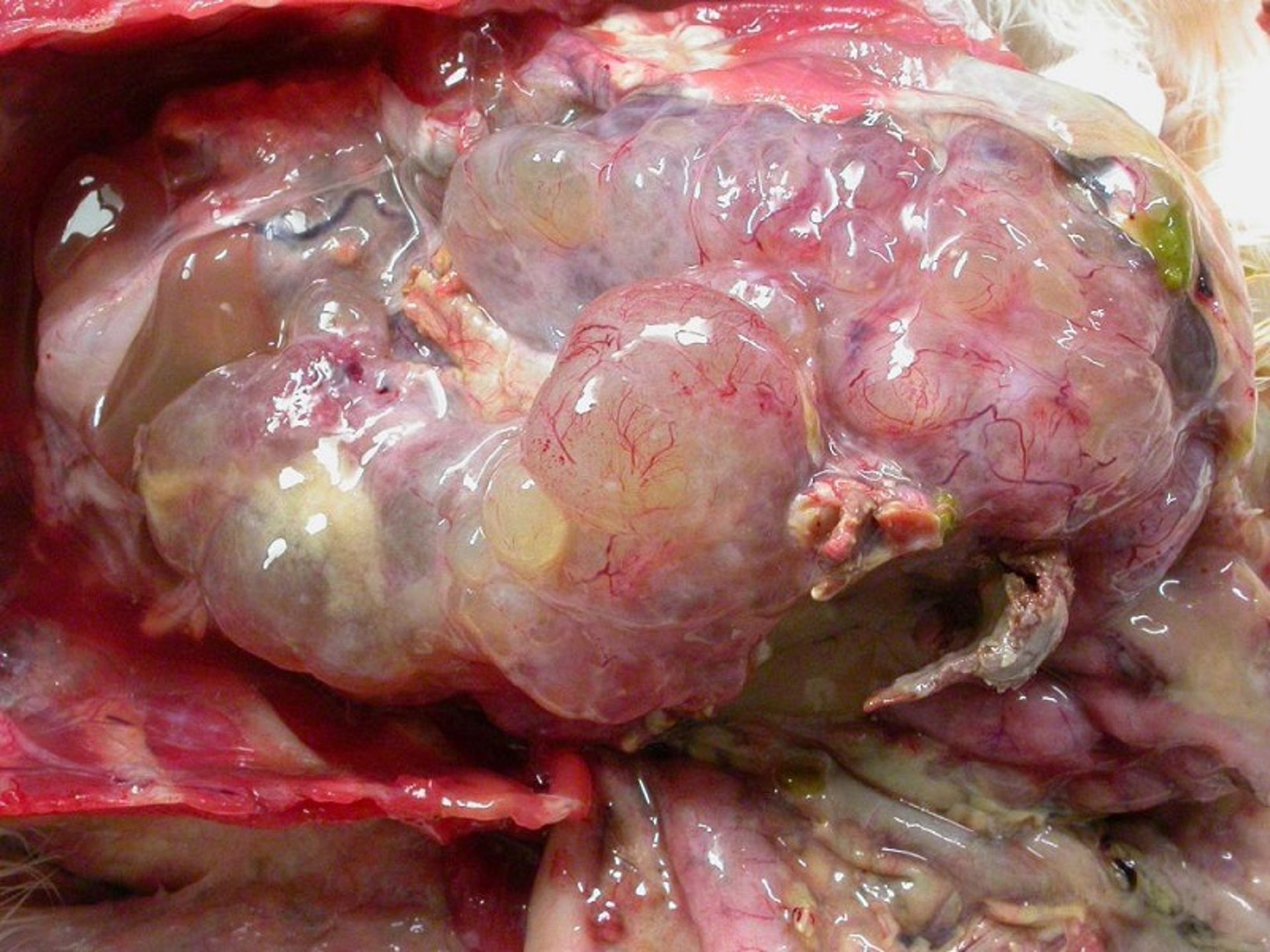
Internal carcinomas include oviductal and ovarian neoplasia (various cell origins), renal carcinoma, hepatic adenocarcinoma, and hepatobiliary adenocarcinoma (related to papillomas in Amazon parrots).
Clinical signs of coelomic tumors include anorexia, weight loss, depression, and/or dyspnea (from organ enlargement and compression of air sacs). Gastric carcinomas, generally diagnosed at necropsy, are often found at the proventricular-ventricular junction. Death from gastric neoplasia may be caused by hemorrhage, gastric perforation and sepsis, endotoxic shock, or inanition and subsequent wasting. Diagnostic tests include radiographs with or without barium contrast, CT scan, or ultrasound with fine-needle aspirate and cytology or biopsy.
Both carboplatin and cisplatin have been used successfully in various forms of internal carcinoma. Toxicity studies with cisplatin in cockatoos indicate that psittacine tolerance for this drug may be greater than that of mammals. Several cases of ovarian neoplasia have been treated with GnRH agonists (leuprolide or deslorelin implant) with some success. For oviductal neoplasia, surgical removal is recommended.
Pituitary adenomas are most prevalent in budgerigars and cockatiels but have been observed in other psittacine species. Tumors may cause acute neurologic conditions (eg, seizures, opisthotonos, ataxia, blindness, and difficulty flying). Affected birds may also show signs related to the pituitary hormone(s) affected (eg, ACTH associated with polydipsia and polyuria). Diagnostic tests are of limited use. Pituitary tumors are typically diagnosed based on species and clinical signs and are confirmed at necropsy.
Lymphoma/lymphosarcoma is the most common lymphoid neoplasia in psittacine and passerine birds. Multicentric lymphosarcoma is most common, whereas lymphocytic leukemias occur rarely. Lymphoma can involve the spleen, liver, kidneys, GI tract, skin, bone, oviduct, lungs, sinuses, thymus, testes, brain, mesentery, trachea, and pancreas. The liver is most commonly affected, followed by the spleen and kidneys. Numerous reports of exophthalmos in psittacines, particularly young African grey parrots, have been diagnosed as retrobulbar lymphoma. Cutaneous lymphoma often occurs on the head or neck. Lesions are grayish yellow, diffuse or multifocal, and may resemble xanthoma or inflammation.
Clinical signs vary based on location of the tumor but may include depression, anorexia, weight loss, coelomic distention, paresis, lameness, blindness, regurgitation, or dyspnea. Canaries often present for having stopped singing.
Diagnosis is based on physical examination findings, imaging (radiographs with or without contrast, ultrasound, or CT scan) and fine-needle aspirate or biopsy of affected organs, masses, or bone marrow. A CBC often reveals leukocytosis or lymphocytosis rather than a leukopenia. Anemia (PCV < 35%) is commonly reported. No evidence of retroviral activity has been associated with psittacine lymphoma.
Treatment has included surgical excision with or without chemotherapy. Chemotherapy regimens have included one or more of the following: corticosteroids, orthovoltage x-ray, chlorambucil, doxorubicin, l-asparaginase, cyclophosphamide, alpha-interferon, and/or vincristine sulfate. Diphenhydramine and dexamethasone have been used to reduce the incidence of allergic reaction or anaphylaxis. Although chemotherapy and radiation therapy have been successful, treatment success overall has been variable.
Primary respiratory neoplasia is uncommon in psittacines, except for a mixed pulmonary tumor reported in cockatiels. Metastatic pulmonary neoplasia may occur.
Chemotherapy and Radiation Therapy Agents
Most reports of chemotherapy in birds have demonstrated both higher tolerance for chemotherapeutic agents than expected and less tumor response than desired. Anecdotal reports indicate that neoplasia in birds is more resistant to radiation than that in mammals. Very few case reports and even fewer research reports are available for chemotherapy or radiation therapy protocols in birds. Because very little is known about chemotherapy and radiation in birds, a current literature search and consultation with a veterinary oncologist are recommended before treatment of a pet bird diagnosed with cancer. In addition to the antineoplastic drugs that have been used in birds discussed below, see Antineoplastic Agents.
Vincristine was used in the chemotherapeutic regimen of an African grey parrot with malignant lymphoreticular neoplasia, a Moluccan cockatoo with lymphoma, and a Pekin duck with lymphoma and leukemia.
Cisplatin/carboplatin was evaluated in eight sulfur-crested cockatoos. A dose of 1 mg/kg infused over 1 hour was tolerated well, and plasma levels were in a therapeutic range. Adverse effects were weight loss, regurgitation, and bone marrow suppression. Intratumoral cisplatin and radiation therapy were used to treat fibrosarcoma in a macaw. Intralesional cisplatin was used unsuccessfully in treatment of SCC in a Buffon’s macaw. Carboplatin was used successfully to treat a bile duct carcinoma in a yellow-naped Amazon parrot and pancreatic duct adenocarcinoma in a green-winged macaw.
l-Asparaginase was used to treat lymphoma in a Moluccan cockatoo. Adverse effects associated with treatment were weight loss, lethargy, anorexia, and regurgitation. Doxorubicin was used successfully in a blue-fronted Amazon parrot with osteosarcoma. Doxorubicin in combination therapy was unsuccessful in treating lymphoma in a Moluccan cockatoo. Chlorambucil was used successfully in treatment of cutaneous pseudolymphoma in a blue and gold macaw. Cyclophosphamide has been used to treat lymphoma in a Moluccan cockatoo.
Radiation therapy has been used in birds with variable results.
Pseudoneoplastic Skin Conditions

Courtesy of Dr. Sharman Hoppes.
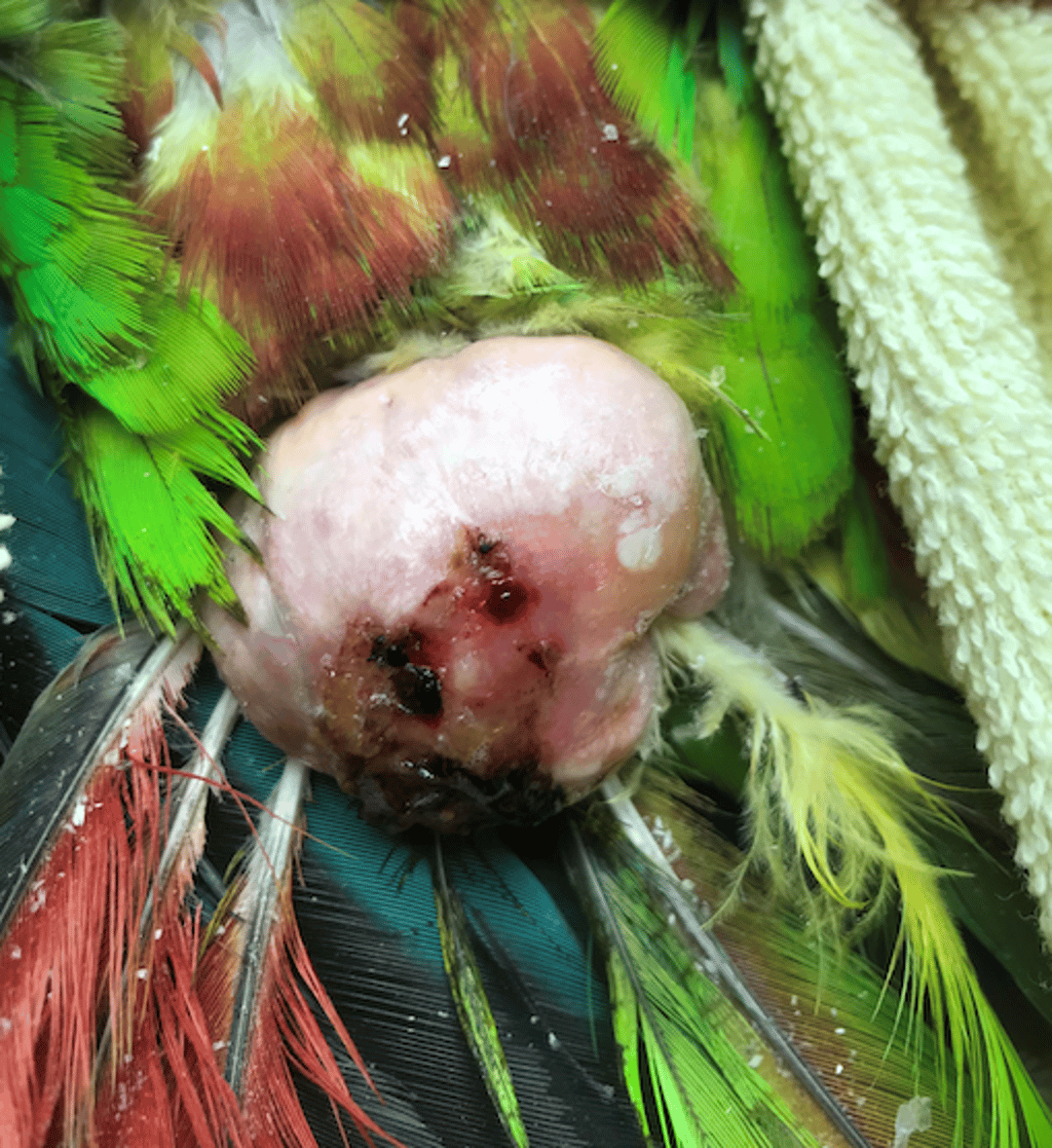
Xanthomas are not neoplasms but locally invasive subcutaneous, yellow, fatty masses in the skin. Xanthomas are rarely found in internal organs. The distal wing, keel, and the sternopubic area are common locations, although xanthomas may be found anywhere. Cockatiels and budgerigars are overrepresented, although xanthomas are seen in most psittacine species.
The lesions may be pruritic and may be associated with lipomas or sites of chronic irritation. The cause is unknown; however, dietary improvement, including sufficient vitamin A, has been curative in less advanced cases. Xanthomas tend to be vascular. Therapy includes surgical resection, although in large masses closure may be difficult, and strict attention to hemostasis must be observed. Amputation is recommended for xanthomas on the wing tip.
Lipomas occur most frequently in budgerigars, rose-breasted cockatoos, Amazon parrots, and cockatiels. These benign, soft, yellowish, encapsulated subcutaneous masses are most often located on the keel or in the sternopubic area. If traumatized, they may become inflamed or necrotic. Lipomas can grow rapidly and result in ulceration of the overlying skin. Treatment includes conversion to a low-fat diet, weight loss in obese birds, and surgical excision. Recurrence is common with incomplete removal.
For More Information
Also see pet health content regarding cancers and tumors of pet birds.