
Many of the illnesses seen in pet birds have their basis in malnutrition. This includes hepatic disease, renal insufficiency, respiratory impairment, musculoskeletal disease, and reproductive problems. For additional information on nutrition in pet birds, see Nutrition in Birds.
Obesity
Obesity is common in companion birds. High-fat diets (seeds, nuts, and many table foods), overabundance of food, and a sedentary lifestyle are all contributing factors. Obesity is typically defined as a bird being 20% over ideal weight, with a body condition or keel score of 4 out of 5 ( see Physical Examination). Galahs, macaws, Amazon parrots, and Quaker parrots are prone to obesity. Clinical signs may not be evident but include lameness (pododermatitis and/or arthritis) and respiratory issues from excessive abdominal fat.

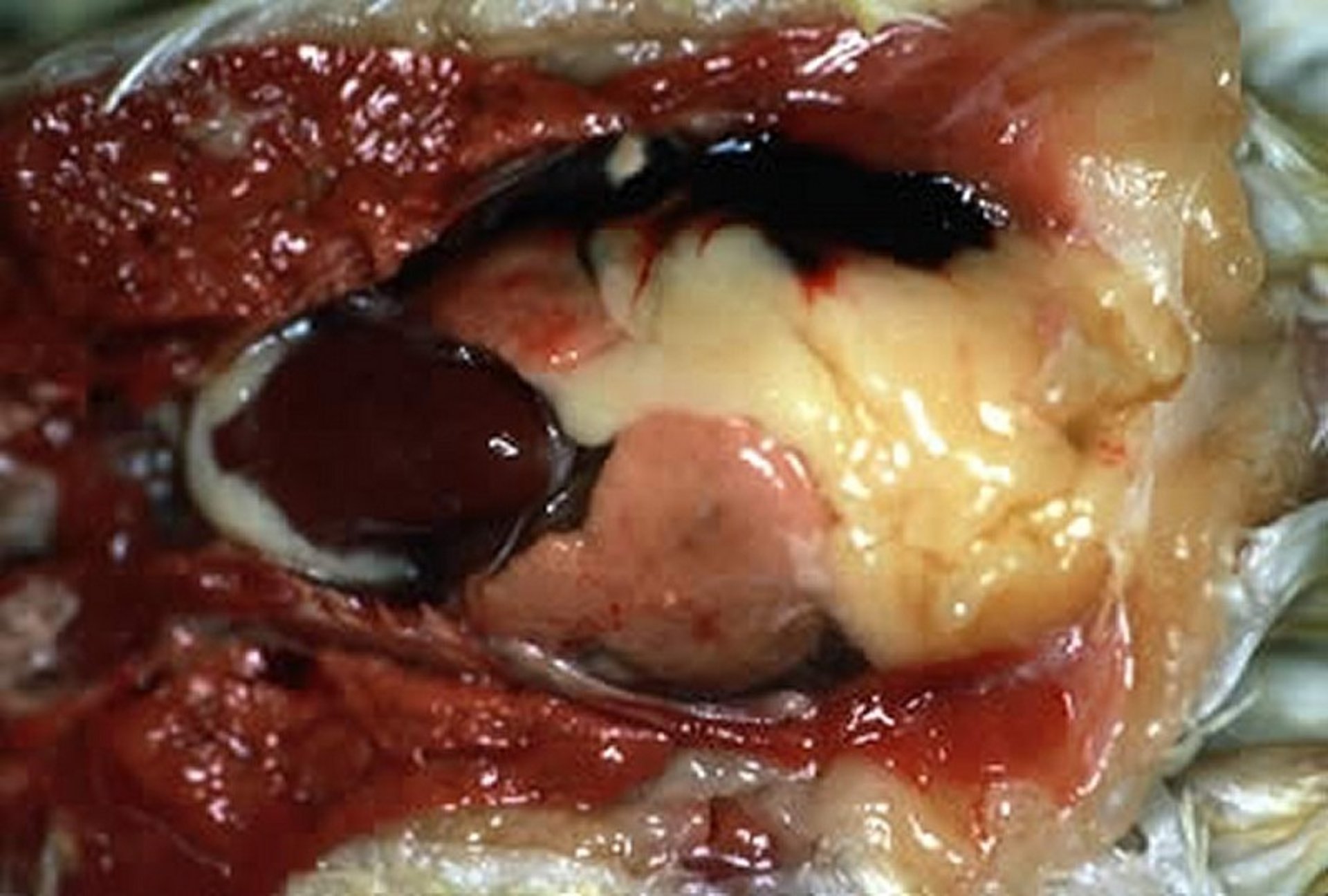
Courtesy of Dr. Louise Bauck.
Obese birds should be converted to a pelleted diet with portion control. Exercise should be encouraged by providing a larger cage with multiple food bowls around the cage to encourage movement. Rope or spiral rope perches will encourage climbing and balance. A flight cage outdoors should be provided for flighted birds, and walking or climbing stairs encouraged for nonflighted birds. Obese birds are more prone to arthritis, fatty liver disease (hepatic lipidosis), atherosclerosis, and cardiac disease. Owners should weigh birds weekly to monitor weight.
Vitamin A Deficiency of Pet Birds
Vitamin A plays an important role in avian health and is crucial for a healthy immune system. Hypovitaminosis A causes squamous metaplasia of epithelium within the oropharynx, choana, sinuses, GI tract, urogenital tact, reproductive tract, and uropygial gland as well as hyperkeratosis of the feet. All-seed diets and even mixed diets of ½ seeds and ½ pellets (if not portion controlled) are deficient in vitamin A.
Clinical signs are nasal discharge, sneezing, periorbital swelling, conjunctivitis, dyspnea, polyuria and polydipsia, poor feather quality, feather picking, and anorexia. Birds may have absent or blunted papilla of the choanal slit. White plaques (hyperkeratosis) may develop in and around the mouth, eyes, and sinuses. In chronic epithelial conditions (eg, pododermatitis, sinusitis, and conjunctivitis) that have been refractory or recurrent, often vitamin A deficiency is the primary cause. Birds with reproductive disease on poor diets should be considered deficient.
Treatment involves treating secondary infections, supplementing with vitamin A, and converting the bird to a good-quality pelleted diet. Parenteral vitamin A can be given (33,000 U/kg, IM). Vitamin A precursors, such as spirolina, sprinkled daily over the food are a safe way to supplement diets deficient in vitamin A. The diets of all pet birds should be evaluated for vitamin A content.
Iodine Deficiency of Pet Birds
Goiter, or thyroid hyperplasia, occurs in budgerigars on all-seed diets deficient in iodine. This condition is no longer common because of the availability of pelleted and fortified diets. Classic signs are respiratory stridor, wheezing, or clicking due to the pressure of the thyroid on the syrinx. Lugol’s iodine (1 drop/250 mL of drinking water) can be used until conversion to a pellet or fortified seed diet is accomplished and clinical signs have subsided.
Calcium, Phosphorus, and Vitamin D Imbalance of Pet Birds
Seed-based diets are well known for their calcium:phosphorus imbalance and amino acid deficiencies. Sunflower seeds, which tend to be selected preferentially by many psittacines, are low in calcium, deficient in essential amino acids, and high in fat. Safflower seeds are actually higher in fat content than sunflower seeds, contrary to popular belief, and also contain inadequate amino acids and calcium.
Metabolic Bone Disease (Nutritional Secondary Hyperparathyroidism)

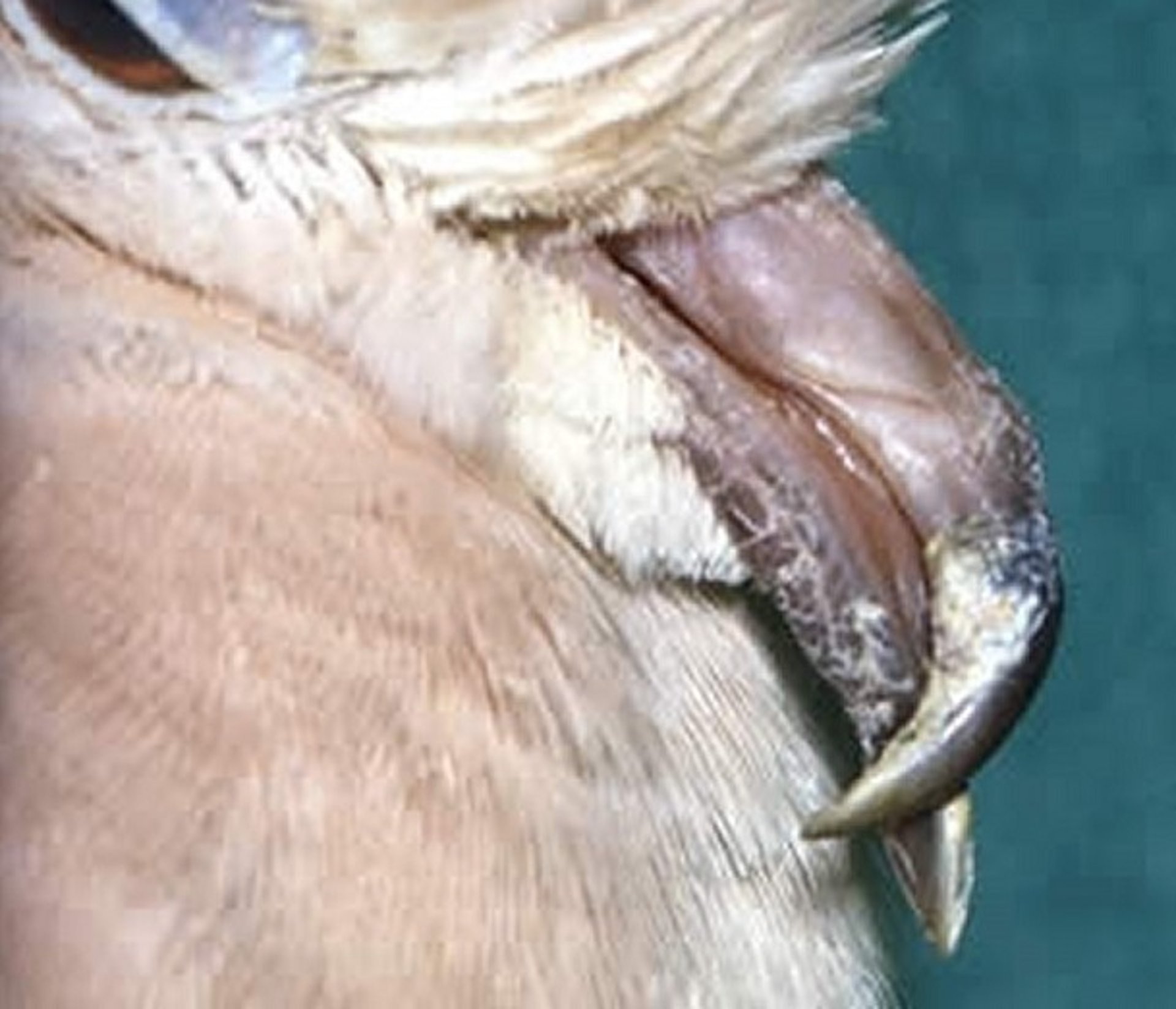
Courtesy of Dr. Louise Bauck.
Nutritional secondary hyperparathyroidism can occur in young and older pet birds. Because the calcium to phosphorus ratio in most seeds is poor (high phosphorus and low calcium), birds on a seed diet become seriously depleted. The effects of a calcium-deficient diet are often compounded by inadequate exposure to unfiltered sunlight in birds housed indoors, resulting in vitamin D3 deficiency as well. In young birds, especially African grey parrots, hypocalcemia may present as osteodystrophy, with curvature and deformation of the long bones and vertebrae. African grey parrots are also prone to an acute hypocalcemia syndrome that is associated with both hypocalcemia and hypovitaminosis D3.
Clinical signs include weakness, ataxia, tremors, depression, seizures, and pathologic fractures. In reproducing birds, eggs are often thin-shelled, egg production and hatchability are decreased, and embryonic death occurs. Calcium deficiency can lead to cessation of egg laying, egg binding, or cloacal prolapse.
Diagnosis is based on history (typically a sedentary bird on a poor diet) and physical examination. The bird may have decreased blood calcium (plasma and ionized), increased phosphorus, and decreased vitamin D (25-hydroxycholecalciferol) concentrations, and radiographs may reveal decreased bone density and/or pathologic fractures.
Treatment is supportive care, calcium and vitamin D supplementation, and conversion to an appropriate diet. If pathologic fractures are present, splinting or bandaging may be necessary, along with cage rest, NSAIDs, or analgesics. Initial treatment should consist of 10% calcium gluconate (100 mg/kg, IM). Modifications to the cage may be necessary to minimize climbing and any potential for falling.
Pet birds should have exposure to natural sunlight when possible. Ultraviolet B (UVB) light in the range of 290–315 nm is required for vitamin D3 activation in birds. Owners should provide an outdoor cage that provides opportunities for climbing and/or flight and access to direct sunlight. Birds should be monitored closely when outdoors, even in a cage, because many predators can injure a pet bird through cage bars. Indoor UV lights can be used if exposure to natural sunlight is not an option. Research has shown that most birds benefit from both oral and UV-B-delivered vitamin D3; however, African grey parrots (Psittacus erithacus) have been reported to have a greater dependence on UVB light to maintain adequate serum calcium levels than Amazona sp.
Longterm treatment and control involves reducing reproductive activity through diet conversion, reducing photoperiod, removing nest boxes, and removing mates or perceived mates. Leuprolide acetate and deslorelin implants can temporarily and reversibly suppress the reproductive cycle.
Providing adequate exercise is important in prevention of disease. Bone strength is related to the amount of load-bearing activity a bone undergoes. Weight-bearing exercise can help to reduce fracture risk by improving balance and strength. Along with dietary modifications and calcium and vitamin D supplementation, essential fatty acids (flax seed oil at 0.1–0.2 mL/kg/day, PO, or an omega fatty acid supplement at 0.22–0.44 mL/kg/day) have been shown to decrease the incidence and severity of fractures, as well as increase bone density in poultry.
Vitamin D Toxicosis
Although excessive oral calcium intake is not thought to cause clinical problems in most cases, excessive oral vitamin D3 can cause harmful calcium accumulation in tissues such as the kidneys. Supplements should be used carefully, especially in susceptible species (eg, macaws).
Iron Storage Disease in Pet Birds
Iron storage disease refers to disease that occurs with excessive iron accumulation in the liver. Hemachromatosis is reserved for cases associated with actual pathology. As iron levels within the liver increase, hepatic lysosomes are damaged and release ionic iron, resulting in oxidative damage to membranes and proteins. Iron storage disease is common in mynahs and toucans and in certain zoo birds such as birds of paradise; it has been occasionally reported in pet psittacine species, particularly lories. Iron storage disease is associated with excessive intake of dietary iron. However, not all birds are affected when fed similar diets, and stress or genetic factors may also play a role. Certain foods rich in vitamin C, such as citrus fruits, increase dietary iron uptake. Current dietary iron recommendations for toucans and mynahs are < 50–100 ppm.
Clinical signs of iron storage disease in pet birds are anorexia, weight loss, depression, distended abdomen with ascites, dyspnea, and biliverdinuria. The liver, spleen, and heart are the most commonly affected organs. Circulatory failure, ascites, and hypoalbuminemia are often seen clinically. Diagnosis is by liver biopsy.
Treatment includes periodic phlebotomy, iron chelation, and dietary modification. Recommending low-iron diets routinely for pet mynahs and toucans is prudent (commercial formulas are available). Foods high in vitamin C should be avoided. Supplementation with chelators such as tannins, fiber, and phytates has been suggested.
Additional Nutritional Concerns
In addition to the well-documented nutritional deficiencies in diets designed for psittacines, described earlier, the following dietary concerns should also be noted:
the high incidence of hepatic lipidosis, atherosclerosis, and right-side heart failure in sedentary captive birds consuming primarily seed diets
the occurrence of hepatic fibrosis and cirrhosis secondary to aflatoxicosis from improperly stored seed and pet-grade peanuts
the difference between food provided by well-meaning owners for their birds to eat (table foods, formulated pelleted diet, vegetables, etc) and what the birds actually consume (seed)
the low palatability of most vitamin and mineral supplements added to water, which are not only ineffective but can lead to decreased water consumption and dehydration
Foods that owners should be advised to avoid feeding their birds are chocolate, caffeinated beverages, alcohol, junk food (salt, sweets), milk products, onions, avocados, and apple seeds.
Wild birds spend many hours a day foraging for food. Captive and pet birds usually consume all of their caloric needs at one food bowl, with very little time or energy expended. To promote a healthier lifestyle for companion birds, foraging opportunities should be provided that increase activity, promote a healthier diet, and stimulate birds intellectually. Owners need to provide a cage large enough for the bird to climb and play in, with rope or other perches that stimulate activity and balance. Multiple small food bowls should be placed throughout the cage to encourage movement. Foraging toys with food bits promote activity as well. An outdoor flight cage that allows natural sunlight and increased activity is ideal.
For More Information
Also see pet health content regarding nutritional disorders of pet birds.