Search
SectionsIndex
  • Behavior
  • Circulatory System
  • Clinical Pathology and Procedures
  • Digestive System
  • Emergency Medicine and Critical Care
  • Endocrine System
  • Exotic and Laboratory Animals
  • Eye and Ear
  • Generalized Conditions
  • Immune System
  • Integumentary System
  • Management and Nutrition
  • Metabolic Disorders
  • Musculoskeletal System
  • Nervous System
  • Pharmacology
  • Poultry
  • Reproductive System
  • Respiratory System
  • Toxicology
  • Urinary System
  • Zoonoses
ABCDEFGHI
JKLMNOPQR
STUVWXYZ
In This Topic
Generalized Conditions
Clostridial Diseases
Overview of Clostridial Diseases
Back to Top
Resources
  • About The Merck Veterinary Manual
  • Reference Guides
  • Multimedia
Manuals available online
'/home/index.html' + bookPageLink
 
'/vet/index.html'
These and other Manuals available
in print, online, and as mobile applications.

See more at MerckManuals.com
Sections in Veterinary Professionals
  • Behavior
  • Circulatory System
  • Clinical Pathology and Procedures
  • Digestive System
  • Emergency Medicine and Critical Care
  • Endocrine System
  • Exotic and Laboratory Animals
  • Eye and Ear
  • Generalized Conditions
  • Immune System
  • Integumentary System
  • Management and Nutrition
  • Metabolic Disorders
  • Musculoskeletal System
  • Nervous System
  • Pharmacology
  • Poultry
  • Reproductive System
  • Respiratory System
  • Toxicology
  • Urinary System
  • Zoonoses
Chapters in Generalized Conditions
  • Actinobacillosis
  • Actinomycosis
  • Amyloidosis
  • Anthrax
  • Besnoitiosis
  • Clostridial Diseases
  • Congenital and Inherited Anomalies
  • Erysipelothrix rhusiopathiae Infection
  • Foot-and-Mouth Disease
  • Fungal Infections
  • Leptospirosis
  • Lightning Stroke and Electrocution
  • Listeriosis
  • Lyme Borreliosis
  • Melioidosis
  • Neosporosis
  • Nocardiosis
  • Peritonitis
  • Plague
  • Q Fever
  • Sweating Sickness
  • Toxoplasmosis
  • Tuberculosis and other Mycobacterial Infections
  • Tularemia
  • Vesicular Stomatitis
  • African Horse Sickness
  • Equine Granulocytic Ehrlichiosis
  • Equine Infectious Anemia
  • Equine Viral Arteritis
  • Glanders
  • Hendra Virus Infection
  • Sepsis in Foals
  • African Swine Fever
  • Classical Swine Fever
  • Edema Disease
  • Encephalomyocarditis Virus Infection
  • Glässer's Disease
  • Hemagglutinating Encephalomyelitis
  • Nipah Virus Infection
  • Porcine Circovirus Diseases
  • Porcine Reproductive and Respiratory Syndrome
  • Streptococcal Infections in Pigs
  • Swine Vesicular Disease
  • Trichinellosis
  • Vesicular Exanthema of Swine
  • Bluetongue
  • Bovine Leukosis
  • Bovine Petechial Fever
  • Caprine Arthritis and Encephalitis
  • Colisepticemia
  • Crimean-Congo Hemorrhagic Fever
  • Ephemeral Fever
  • Heartwater
  • Histophilosis
  • Hemorrhagic Septicemia
  • Malignant Catarrhal Fever
  • Nairobi Sheep Disease
  • Paratuberculosis
  • Pasteurellosis of Sheep and Goats
  • Peste des Petits Ruminants
  • Rift Valley Fever
  • Rinderpest
  • Tickborne Fever
  • Tick Pyemia
  • Wesselsbron Disease
  • Canine Distemper
  • Canine Herpesviral Infection
  • Feline Infectious Peritonitis
  • Feline Leukemia Virus and Related Diseases
  • Feline Panleukopenia
  • Infectious Canine Hepatitis
  • Leishmaniosis
  • Rickettsial Diseases
Topics in Clostridial Diseases
  • Overview of Clostridial Diseases
  • Bacillary Hemoglobinuria
  • Big Head
  • Blackleg
  • Infectious Necrotic Hepatitis
  • Malignant Edema
  • Botulism
  • Clostridium difficile and C perfringens Infection
  • Enterotoxemias
  • Tetanus
  • Clostridial Vaccines
 
  • Merck Manual
  • >
  • Veterinary Professionals
  • >
  • Generalized Conditions
  • >
  • Clostridial Diseases
  • 4
 
Overview of Clostridial Diseases

Share This

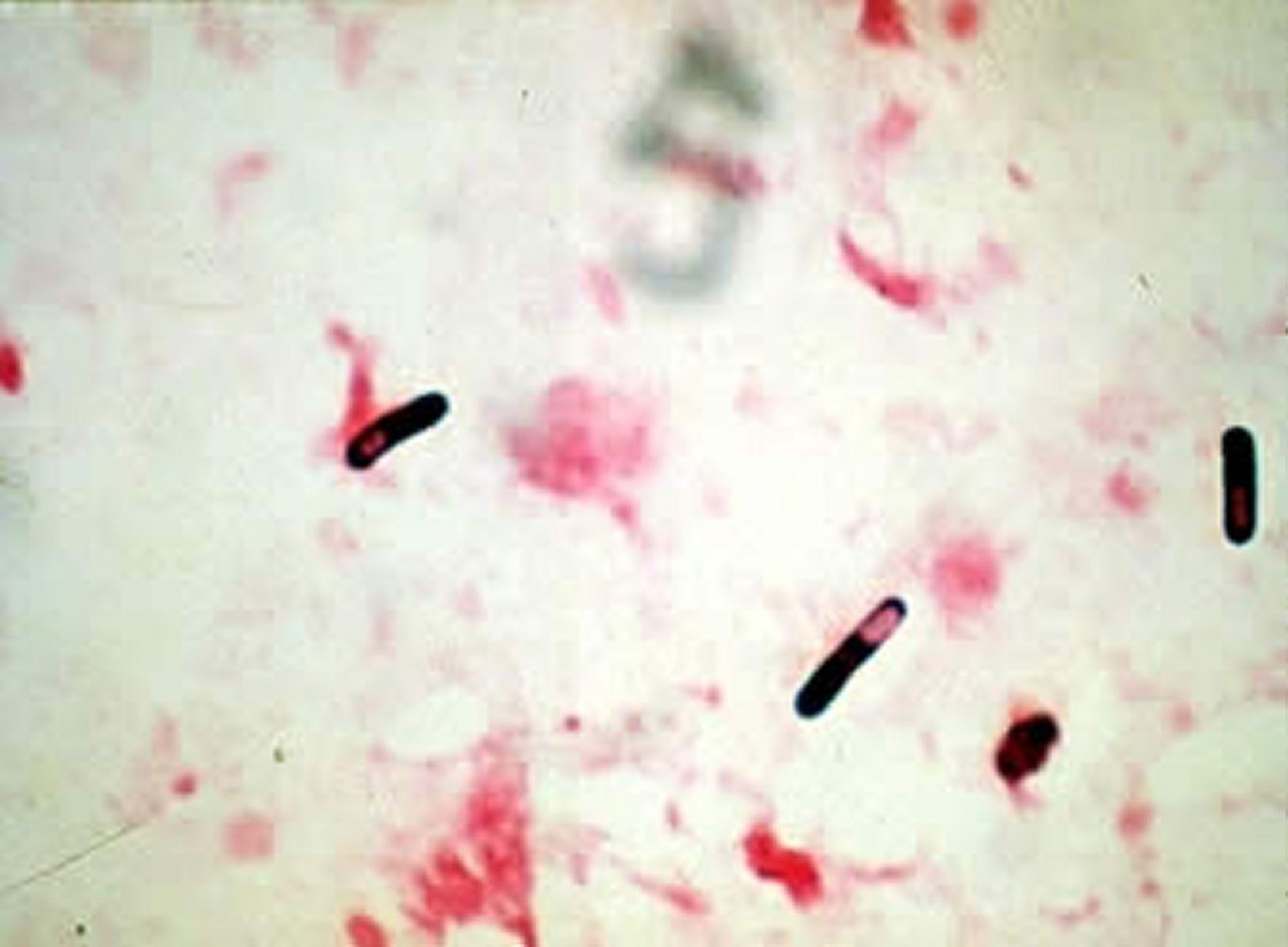
Clostridia are relatively large, anaerobic, sporeforming, rod-shaped gram-positive organisms. They are found either as living cells (vegetative forms) or as dormant spores. Their natural habitats are soils and intestinal tracts of animals, including humans. Dormant spores have been found in healthy muscular tissue of horses and cows. The endospores are oval, sometimes spherical, and are located centrally, subterminally, or terminally. The vegetative forms of clostridia in tissue fluids of infected animals occur singly, in pairs, or rarely in chains. Differentiation of the various pathogenic and related species is based on cultural characteristics, spore shape and position, biochemical reactions, and the antigenic specificity of toxins or surface antigens. The genomes of many clostridia have been sequenced and are available online. Pathogenic strains or their toxins may be acquired by susceptible animals either by wound contamination or by ingestion. Diseases thus produced are a constant threat to successful livestock production in many parts of the world.

Photographs

Clostridium spp, Gram's stain

Clostridium spp, Gram's stain

Clostridial diseases can be divided into 2 categories: 1) those in which the organisms actively invade or locally dormant spores are activated and reproduce in the tissues of the host, with the production of toxins that enhance the spread of infection (the gas-gangrene group; the clostridial cellulitides group); and 2) those characterized by toxemia resulting from the absorption of toxins produced by organisms within the digestive system (the enterotoxemias), in devitalized tissue (tetanus), or in food or carrion outside the body (botulism). Clostridial diseases are not spread from animal to animal.

Last full review/revision March 2012 by Henry R. Stämpfli, DVM, DrMedVet, DACVIM

Buy the Book

Back to Top

Previous: Overview of Besnoitiosis

Next: Bacillary Hemoglobinuria

Audio
Figures
Photographs
Sidebars
Tables
Videos

Copyright     © 2010-2013 Merck Sharp & Dohme Corp., a subsidiary of Merck & Co., Inc., Whitehouse Station, N.J., U.S.A.    Privacy    Terms of Use