Search
SectionsIndex
  • Behavior
  • Circulatory System
  • Clinical Pathology and Procedures
  • Digestive System
  • Emergency Medicine and Critical Care
  • Endocrine System
  • Exotic and Laboratory Animals
  • Eye and Ear
  • Generalized Conditions
  • Immune System
  • Integumentary System
  • Management and Nutrition
  • Metabolic Disorders
  • Musculoskeletal System
  • Nervous System
  • Pharmacology
  • Poultry
  • Reproductive System
  • Respiratory System
  • Toxicology
  • Urinary System
  • Zoonoses
ABCDEFGHI
JKLMNOPQR
STUVWXYZ
In This Topic
Integumentary System
Pox Diseases
Sheeppox and Goatpox
Back to Top
Resources
  • About The Merck Veterinary Manual
  • Reference Guides
  • Multimedia
Manuals available online
'/home/index.html' + bookPageLink
 
'/vet/index.html'
These and other Manuals available
in print, online, and as mobile applications.

See more at MerckManuals.com
Sections in Veterinary Professionals
  • Behavior
  • Circulatory System
  • Clinical Pathology and Procedures
  • Digestive System
  • Emergency Medicine and Critical Care
  • Endocrine System
  • Exotic and Laboratory Animals
  • Eye and Ear
  • Generalized Conditions
  • Immune System
  • Integumentary System
  • Management and Nutrition
  • Metabolic Disorders
  • Musculoskeletal System
  • Nervous System
  • Pharmacology
  • Poultry
  • Reproductive System
  • Respiratory System
  • Toxicology
  • Urinary System
  • Zoonoses
Chapters in Integumentary System
  • Integumentary System Introduction
  • Congenital and Inherited Anomalies of the Integumentary System
  • Atopic Dermatitis
  • Food Allergy
  • Urticaria
  • Dermatophilosis
  • Exudative Epidermitis
  • Interdigital Furunculosis
  • Pyoderma
  • Contagious Ecthyma
  • Pox Diseases
  • Ulcerative Dermatosis of Sheep
  • Dermatophytosis
  • Cattle Grubs
  • Cuterebra Infestation in Small Animals
  • Fleas and Flea Allergy Dermatitis
  • Flies
  • Helminths of the Skin
  • Lice
  • Mange
  • Ticks
  • Tumors of the Skin and Soft Tissues
  • Acanthosis Nigricans
  • Eosinophilic Granuloma Complex
  • Hygroma
  • Miscellaneous Systemic Dermatoses
  • Nasal Dermatoses of Dogs
  • Parakeratosis
  • Photosensitization
  • Pityriasis Rosea in Pigs (Porcine juvenile pustular psoriaform dermatitis)
  • Saddle Sores
  • Seborrhea
Topics in Pox Diseases
  • Overview of Pox Diseases
  • Cowpox
  • Pseudocowpox
  • Lumpy Skin Disease
  • Sheeppox and Goatpox
  • Swinepox
  • Orthopoxvirus Infection in Cats
 
  • Merck Manual
  • >
  • Veterinary Professionals
  • >
  • Integumentary System
  • >
  • Pox Diseases
  • 4
 
Sheeppox and Goatpox

Share This

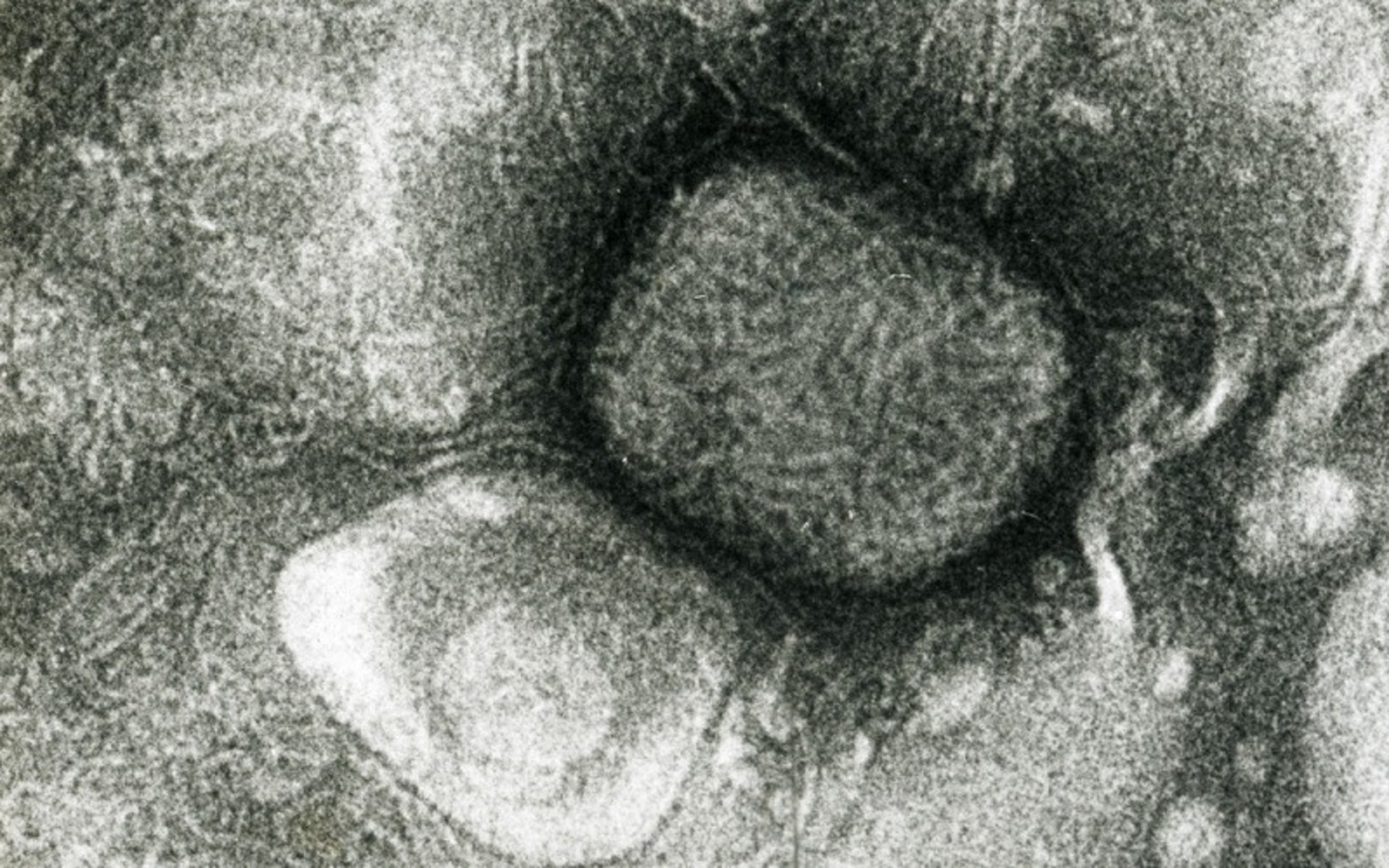
Sheeppox and goatpox are serious, often fatal, diseases characterized by widespread skin eruption. Both diseases are confined to parts of southeastern Europe, Africa, and Asia. The poxviruses of sheep and goats (capripoxviruses) are closely related, both antigenically and physicochemically. They are also related to the virus of lumpy skin disease (see Pox Diseases: Lumpy Skin Disease). Reports on the natural susceptibility of sheep to goat poxvirus and vice versa are conflicting; at least some strains seem capable of infecting both species.

Photographs

Sheep poxvirus

Sheep poxvirus

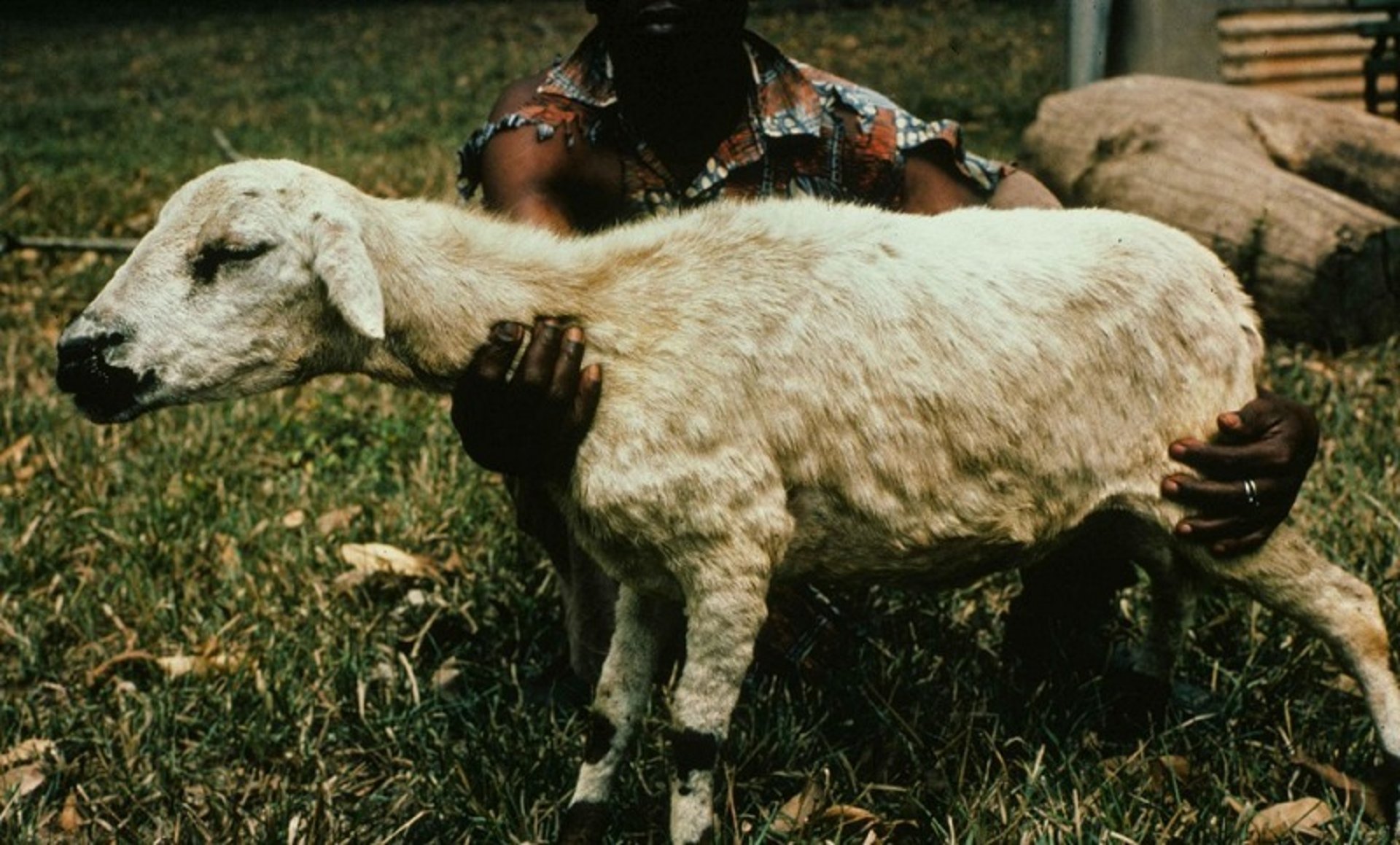
The incubation period of sheeppox is 4–8 days and that of goatpox 5–14 days. The clinical picture is similar in the 2 diseases but is generally less severe in goats. Fever and a variable degree of systemic disturbance develop. Eyelids become swollen, and mucopurulent discharge crusts the nostrils. Widespread skin lesions develop and are most readily seen on the muzzle, ears, and areas free of wool or long hair. Palpation can detect lesions not readily seen. Lesions start as erythematous areas on the skin and progress rapidly to raised, circular plaques with congested borders caused by local inflammation, edema, and epithelial hyperplasia. Although microvesicles are present histologically, vesicles and pustules are not evident clinically. Virus is abundant in skin lesions at this stage. As lesions start to regress, necrosis of the dermis occurs and dark, hard scabs form, which are sharply separated from the surrounding skin. Regeneration of the epithelium beneath the scabs takes several weeks. When scabs are removed, a star-shaped scar, free of hair or wool, remains. In severe cases, lesions can develop in the lungs. In some sheep and in certain breeds, the disease may be mild or the infection inapparent.

Photographs

Sheeppox lesions

Sheeppox lesions

It has been suggested that transmission may be airborne or may occur by direct contact with lesions or mechanically by biting insects.

The disease in either species must be differentiated from the milder infection, contagious ecthyma (orf, see Contagious Ecthyma), which mainly causes crusty, proliferative lesions around the mouth.

Infection results in solid and enduring immunity. Live, attenuated virus vaccines induce longer immunity than inactivated virus vaccines. Live, attenuated, lumpy skin disease virus also can be used as a vaccine against sheeppox and goatpox.

Last full review/revision July 2011 by Paul Gibbs, BVSc, PhD, FRCVS

Buy the Book

Back to Top

Previous: Lumpy Skin Disease

Next: Swinepox

Audio
Figures
Photographs
Sidebars
Tables
Videos

Copyright     © 2010-2013 Merck Sharp & Dohme Corp., a subsidiary of Merck & Co., Inc., Whitehouse Station, N.J., U.S.A.    Privacy    Terms of Use