
Ketosis is an elevated concentration of ketone bodies (acetone, acetoacetate, beta-hydroxybutyrate) in all body fluids. Key clinical signs of ketosis are vague but include anorexia, decreased milk production, noticeable loss of body condition, firm dry feces, and, occasionally, neurologic signs (nervous ketosis); however, ketosis may be subclinical or go unrecognized. Cows with ketosis can be identified via routine testing using appropriate cowside blood, milk, or urine tests. The most efficacious treatment for ketosis is oral drenching of propylene glycol.
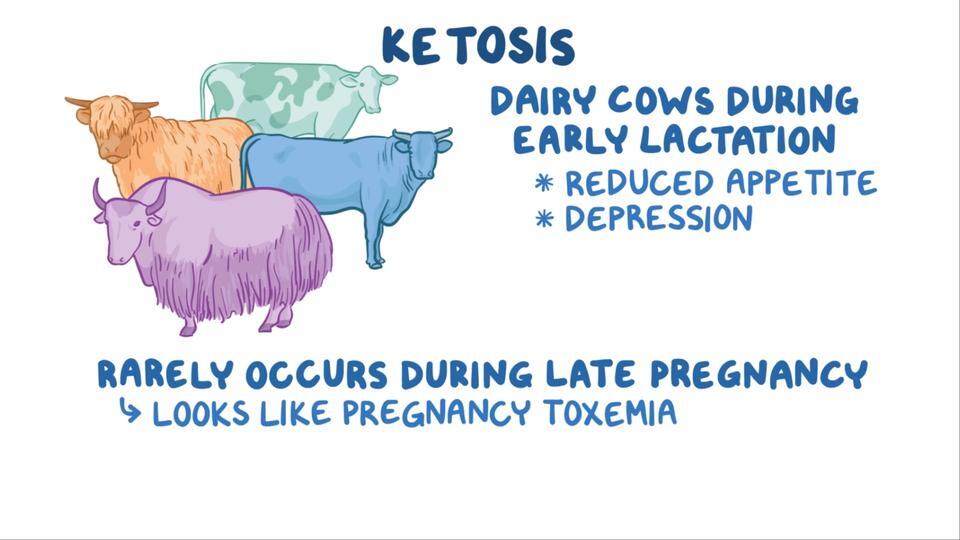
Ketosis is a common disease of adult cattle. It typically occurs in dairy cows in early lactation and is most consistently characterized by hyporexia and reduced milk production. Rarely, it occurs in cattle in late gestation, at which time it resembles pregnancy toxemia of ewes. In addition to inappetence, clinical signs of nervous dysfunction, including pica, abnormal licking, incoordination and abnormal gait, bellowing, and aggression, occasionally occur. Ketosis is worldwide in distribution; however, it is most common where dairy cows are bred and managed for high production.
Etiology and Pathogenesis of Ketosis in Cattle
The pathogenesis of bovine ketosis is incompletely understood; however, it requires the combination of intense adipose mobilization and a high glucose demand. Both of these conditions are present in early lactation, at which time negative energy balance leads to adipose mobilization, and milk synthesis creates a high glucose demand. Adipose mobilization is accompanied by high serum concentrations of nonesterified fatty acids (NEFAs). During periods of intense gluconeogenesis, a large portion of serum NEFAs is directed to ketone body synthesis in the liver. Thus, the clinicopathologic characterization of ketosis includes high serum concentrations of NEFAs and ketone bodies and low concentrations of glucose. In contrast to many other species, cattle with hyperketonemia do not have concurrent acidemia. The serum ketone bodies are acetone, acetoacetate, and beta-hydroxybutyrate (BHB).

Pathogenesis of ketosis cases occurring in the immediate postpartum period is thought to differ slightly from that of cases occurring closer to the time of peak milk production.
Ketosis cases occurring close to the time of peak milk production (usually around 4–6 weeks after parturition) is sometimes described as type I ketosis. Ketosis at this time may be associated with underfed cattle experiencing a metabolic shortage of gluconeogenic precursors than with excessive fat mobilization.
Ketosis in the immediate postpartum period is sometimes described as type II ketosis. Such cases of ketosis in very early lactation (1–2 weeks postpartum) are usually associated with fatty liver. Both fatty liver and ketosis are probably part of a spectrum of conditions associated with intense fat mobilization in cattle.
The exact pathogenesis of the clinical signs is not known. They do not appear to be associated directly with serum concentrations of either glucose or ketone bodies. They may be due to metabolites of the ketone bodies.
Subclinical ketosis is defined as high serum ketone body concentrations without observed clinical signs. Subclinically affected cows are at increased risk of clinical (or more severe) ketosis, metritis, and displaced abomasum and are also less fertile than those with normal serum ketone body concentrations. Furthermore, they appear to have reduced milk production and are at increased risk of culling in early lactation.
Distinction between clinical and subclinical ketosis is unimportant in practical terms and may be difficult to determine without routine testing. Both are part of the same disease syndrome, with impacts increasing as ketone body concentrations increase. Determination of serum or whole blood BHB concentration is considered the best way to detect and monitor subclinical ketosis; however, urine or milk cowside tests can also be used in on-farm monitoring programs.
Concentrations >1.0 mmol/L (10.4 mg/dL) or 1.4 mmol/L (14.6 mg/dL) blood or serum BHB are considered diagnostic of subclinical ketosis. The standard threshold used for blood is 1.2 mmol/L (12.5 mg/dL), which corresponds to thresholds of 100 mcmol/L for milk, and 15 mg/dL (or "small" on a dipstick) for urine.
Given that ketosis is a costly disease and that treatment is efficacious, on-farm monitoring programs are cost-effective for most farms with moderate to higher prevalence. Two outcomes of monitoring programs are treatment of individual ketotic cows and evaluation of prevalence to determine effectiveness of prevention strategies at the herd level. Sudden or prolonged elevation in herd prevalence of ketosis indicates a herd-level problem and should prompt a review of nutritional and cow management.
Some farms use handheld BHB meters to test all cows in early lactation. Cows with subclinical ketosis are treated with oral drenching of propylene glycol. Such an approach is labor-intensive but has been demonstrated to reduce further disease occurrence in subclinically ketotic animals and to improve milk production in treated animals. Sound nutritional management procedures are also important. Routine milk ketone body tests are available in some countries from dairy herd improvement companies. These tests can be used to classify herd risk before considering on-farm testing programs, or as the sole source of monitoring in herds with very low prevalence (< 10%) of the disease.
Epidemiology of Ketosis in Cattle
All dairy cows in early lactation (the first 6 weeks after parturition) are at risk of ketosis, with most cases occurring in the first 2 weeks of lactation.
Ketosis occurs in cows of all parities, but the risk increases with increasing parity. Historically, ketosis was thought not to have a genetic predisposition other than being associated with dairy breeds; however, specific genetic markers have been associated with ketosis risk, suggesting moderate heritability. Cows with excessive adipose stores (body condition score ≥3.75 on 5-point scale) at calving are at a greater risk of ketosis than those with lower body condition scores. Lactating cows with subclinical ketosis are also at a greater risk of developing clinical ketosis and displaced abomasum than cows with lower serum BHB concentrations. Most cases of displaced abomasums are associated with ketosis. Cows with ketosis have reduced conception at first insemination and are at increased risk of being culled in early lactation. As a result of these impacts, and because treatment and prevention substantially reduce them, ketosis is considered a gateway disease of early lactation (meaning that prevention of ketosis can prevent other diseases or problems).
Clinical Findings of Ketosis in Cattle
In cows maintained in confinement stalls, reduced feed intake is usually the first clinical sign of ketosis. If rations are offered in components, cows with ketosis often refuse grain before forage. In group-fed herds, reduced milk production, lethargy, and an empty-appearing abdomen are usually the first clinical signs of ketosis. On physical examination, cows are afebrile and may be slightly dehydrated. Rumen motility is variable, being hyperactive in some cases and hypoactive in others. In many cases, there are no other physical abnormalities.
In some cases, CNS disturbances are evident (nervous ketosis). Neurologic signs include abnormal licking and chewing, and sometimes incessant chewing on pipes and other objects (pica). Incoordination and gait abnormalities occasionally occur, as do aggression and bellowing. These clinical signs occur in a minority of cases, but because the disease is so common, encountering patients with these clinical signs is not unusual.
Diagnosis of Ketosis in Cattle
Measurement of ketone body concentrations via cowside tests of blood, milk, or urine
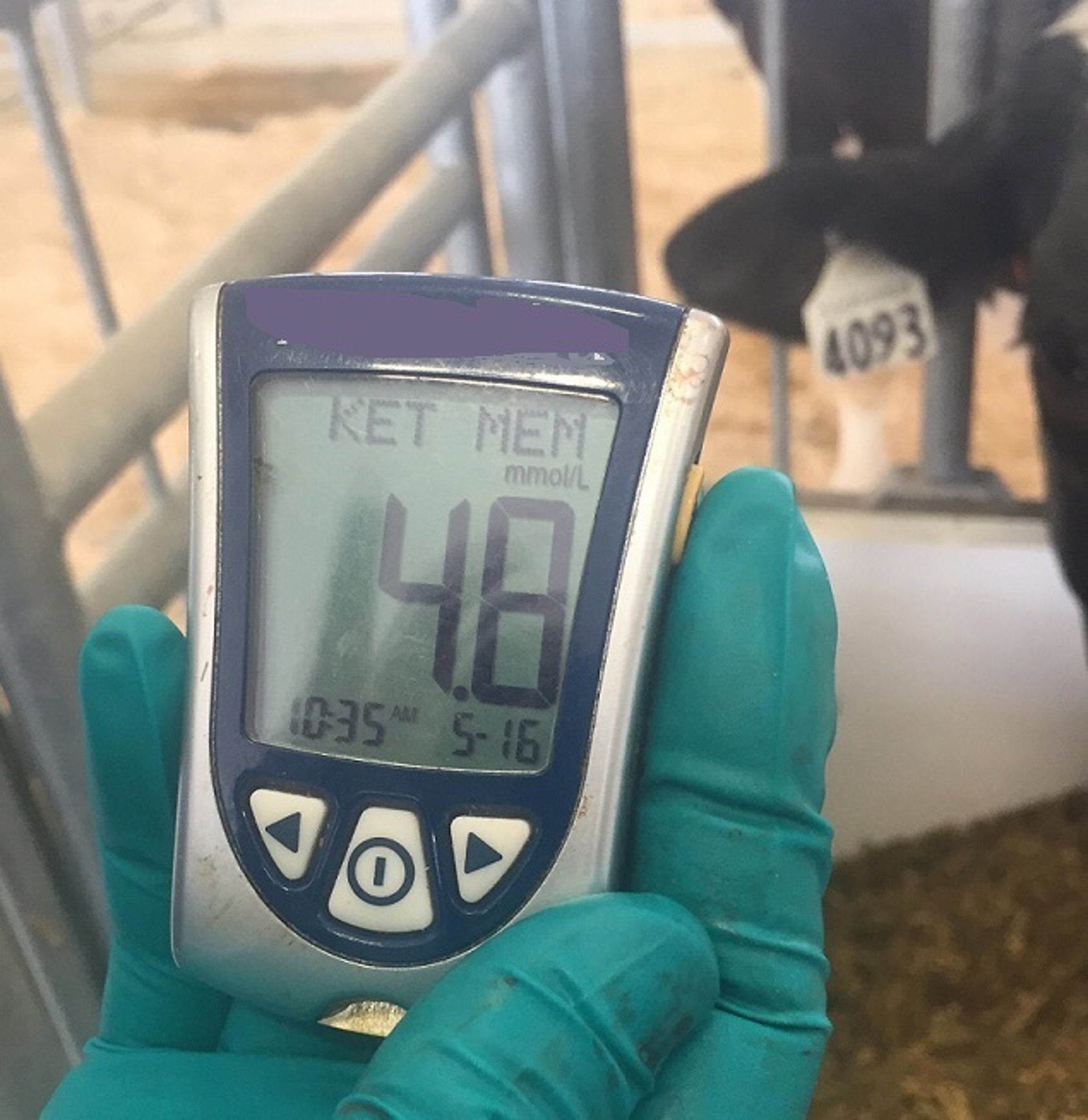
Blood BHB measurement via a cowside meter is the most accurate on-farm test

Courtesy of Dr. Todd Duffield.

Courtesy of Dr. Todd Duffield.

Courtesy of Dr. Todd Duffield.
Diagnosis of ketosis is based on the presence of risk factors (early lactation), clinical signs, and elevated ketone body concentrations in blood, urine, or milk. When ketosis is diagnosed, a thorough physical examination should be performed, given that ketosis frequently occurs concurrently with other peripartum diseases. Especially common concurrent diseases include displaced abomasum, retained fetal membranes, and metritis. Rabies and other CNS diseases are important differential diagnoses in cases involving neurologic signs (nervous ketosis).
The gold standard test for measuring ketone body concentrations in dairy cows is an enzymatic laboratory test based on spectrophotometry. However, these tests are inconvenient and costly, and tests that can be conducted on-farm are the preferred method of diagnosis. Cowside tests that measure ketone body concentrations in blood, milk, or urine are critical for diagnosis. Handheld instruments designed to monitor the concentration of ketone bodies in the blood of human diabetic patients are available. These and newer handheld instruments designed specifically for cows quantitatively and accurately measure blood BHB concentration.
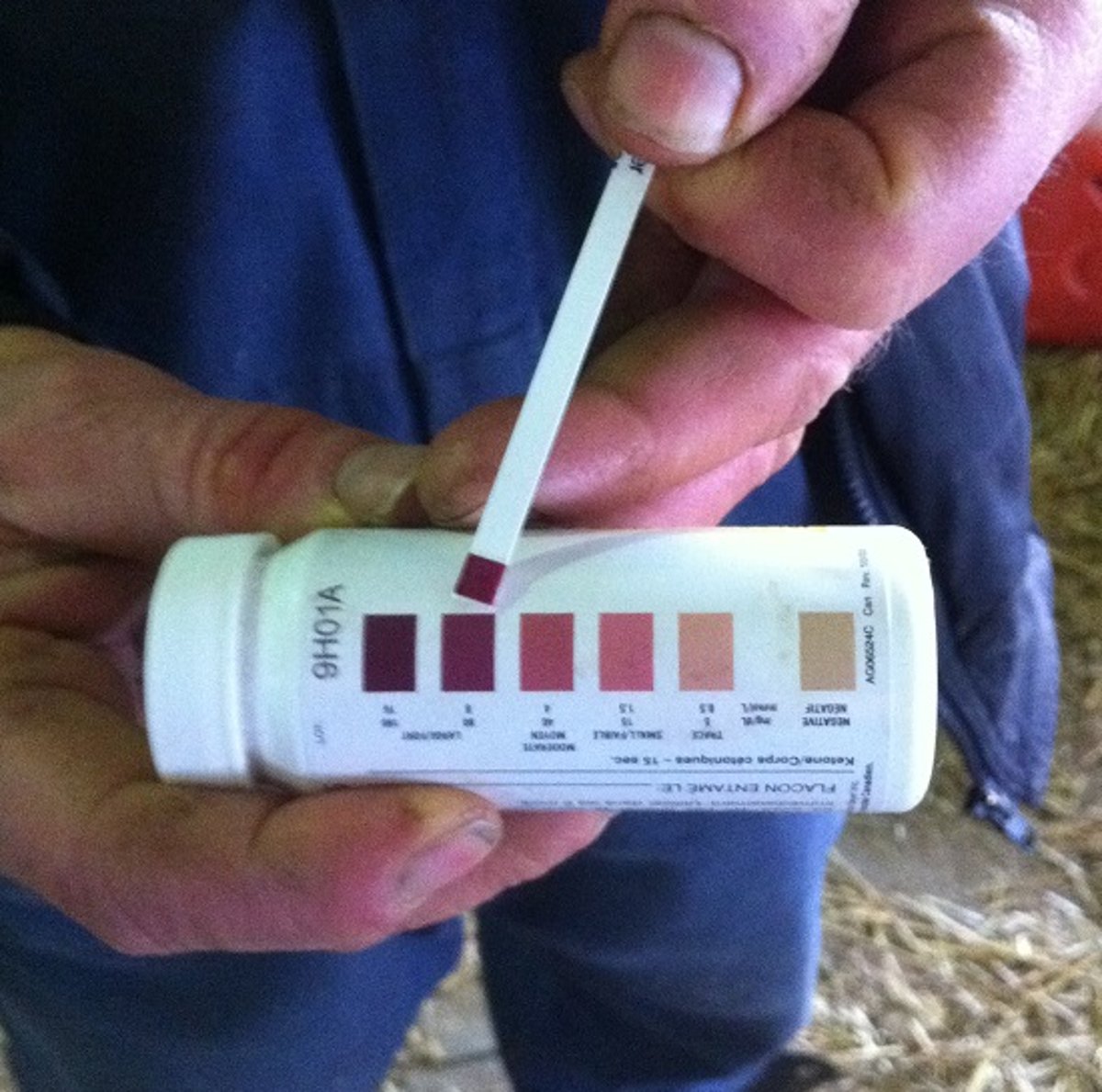
Dipstick tests that measure acetoacetate and acetone concentrations in urine are reasonably accurate when interpreted within 5–10 seconds, but delayed interpretation can cause a higher rate of false-positive reactions.
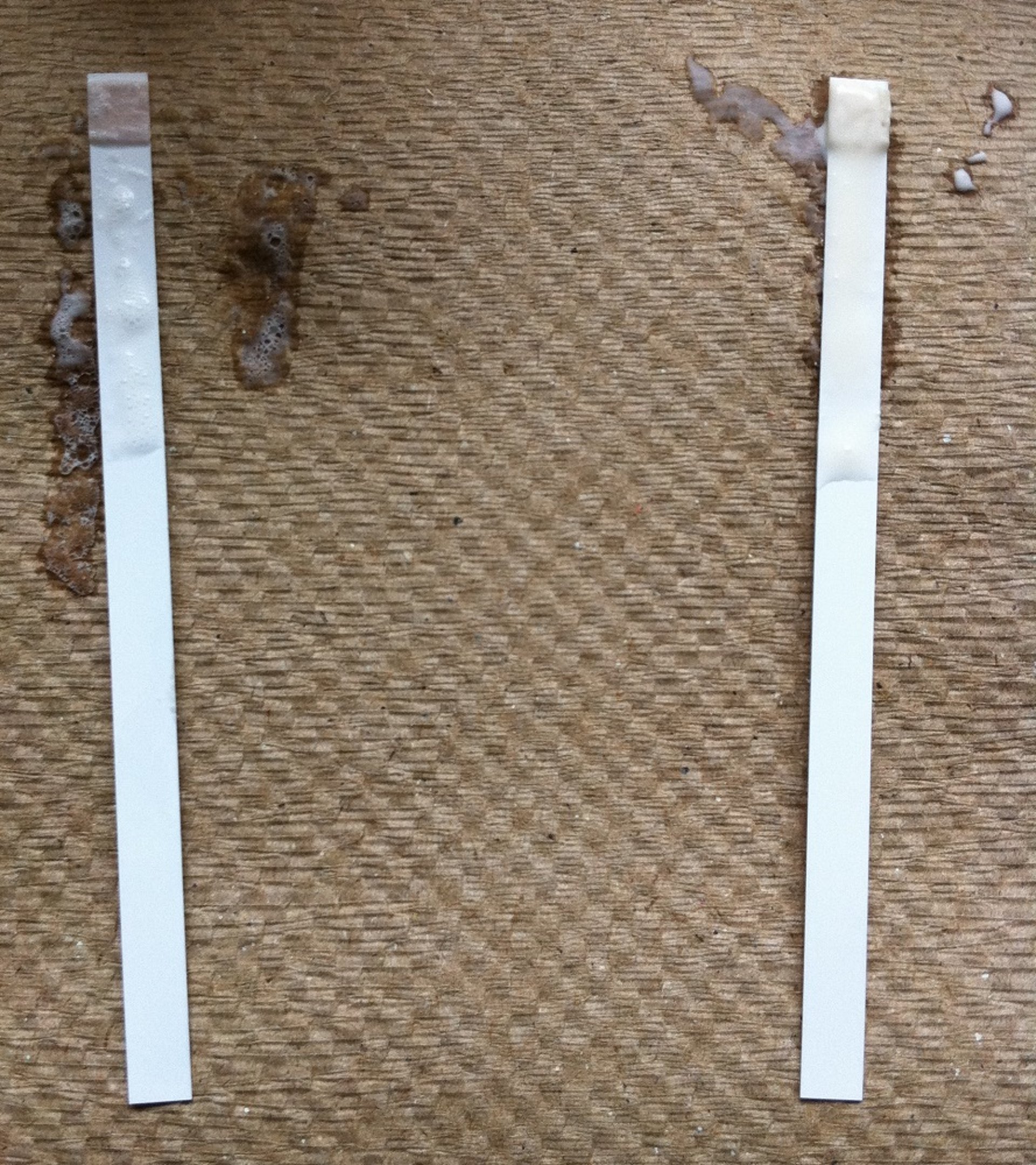
Milk dipstick tests that measure BHB concentration are also reasonably accurate but typically take 1–2 minutes to react.
These dipstick urine and milk tests are read by observation of a particular color change and are semiquantitative. Care should be taken to allow the appropriate time for color development as specified by the test manufacturer.
In the absence of clinical signs (eg, hyporexia), elevated ketone body concentrations indicate subclinical ketosis. Increasing ketone body concentration above the positive threshold for the test indicates increased severity of the disease regardless of whether clinical signs have been observed.
Treatment of Ketosis in Cattle
Oral administration (drench) of propylene glycol (250–400 g, PO, every 24 hours for 3–5 days) is the standard and most efficacious treatment
Additional therapy with bolus glucose treatment (500 mL of 50% dextrose solution, IV, as a single bolus) in neurologic cases and vitamin B12 (1.25 mg, IM, every 24 hours for 3 days) in cases that are also hypoglycemic is suggested
Treatment of ketosis is aimed at reestablishing normoglycemia and reducing serum ketone body concentrations. Bolus glucose treatment (500 mL of 50% dextrose solution, IV, as a single bolus) is also common. This solution is very hyperosmotic and, if administered perivascularly, results in severe tissue swelling and irritation, so care should be taken to ensure that it is given IV. Bolus glucose treatment generally results in a rapid temporary recovery, especially in cases occurring near peak lactation (type I ketosis). However, the effect frequently is transient, and relapses are common.
Dextrose administration is recommended for cases of nervous ketosis, but may not be necessary or even helpful for every ketosis case. Administration of glucocorticoids is not recommended as there is little evidence of benefit and some indication of harm.
Propylene glycol acts as a glucose precursor, and oral drenching (250–400 g [8–14 oz], PO, every 24 hours for 3–5 days) is effective as a ketosis treatment. Overdosing propylene glycol leads to CNS depression.
There is also support for the use of vitamin B12 (1.25 mg, IM, every 24 hours for 3 days) as an adjunct treatment with oral drenching of propylene glycol, particularly in ketotic cows that are also hypoglycemic.1,2
Ketosis cases occurring within the first 1–2 weeks after calving (type II ketosis) frequently are more refractory to treatment than cases occurring nearer to peak lactation (type I ketosis). In many cases, a repeated 5-day course of oral drenching of propylene glycol often combined with vitamin B12 seems to resolve these refractory ketosis problems. However, some still remain clinically hyporectic. In these cases, some have suggested that a long-acting insulin preparation (150–200 U, IM, every 24 hours for 5 days) may be beneficial; however, there is little evidence to support this. Insulin suppresses both adipose mobilization and ketogenesis; it should be given in combination with glucose or a glucocorticoid to prevent hypoglycemia. Use of insulin in this manner is an extralabel, unapproved use.
Other therapies that may be of benefit in refractory ketosis cases are continuous IV glucose infusion and tube feeding. (Also see Fatty Liver Disease of Cattle.). In addition, limited research has demonstrated that reducing milking frequency from twice a day to once daily will reduce ketone body concentration and improve the chances of a cure, although at the expense of reduced milk production.3
References
Gordon J, Duffield T, Herdt T, Kelton D, Neuder L, LeBlanc S. (2017). Effects of a combination butaphosphan and cyanocobalamin product and insulin on keotsis resolution and milk production. J Dairy Sci. 100, 2954-2966.
Gordon J, LeBlanc S, Kelton D, Herdt T, Neuder L, Duffield TF. (2017). Randomized clinical field trial on the effects of butaphosphan-cyanocobalamin and propylene glycol on ketosis resolution and milk production. J Dairy Sci. 100, 3912-3921
Williamson M, Serrenho RC, McBride BW, LeBlanc SJ, DeVries TJ, and Duffield TF. Reducing milking frequency from twice to once daily as an adjunct treatment for ketosis in lactating dairy cows – a randomized controlled trial. J Dairy Sci. 2021. In press.
Prevention and Control of Ketosis in Cattle
Prevention of ketosis is via nutritional and cow management. Efficient reproductive programs are critical in minimizing body condition score gain. Ketosis risk increases with age at first calving and is elevated in cows that have a prolonged interval from calving to conception.
Body condition of cows should be managed in late lactation, when cows frequently become too fat. Modifying the diets of late lactation cows to increase the energy supply from digestible fiber and reduce the energy supply from starch may aid in partitioning dietary energy toward milk and away from body fattening. The dry period is generally too late to reduce body condition score. Reducing body condition in the dry period, particularly in the late dry period, may even be counterproductive, resulting in excessive adipose mobilization prepartum.
A critical area in ketosis prevention is maintaining and promoting feed intake. This includes attention to diet but also to the management of the cows and management of feeding. Cows tend to reduce feed consumption in the last 3 weeks of gestation. Stressors such as empty feedbunks, cow movement disrupting the social order, overcrowding, and isolation can all inhibit feed intake. Nutritional management should be aimed at minimizing this reduction in feed intake. Controversy exists regarding the optimal dietary characteristics during this period. It is likely that optimal energy and fiber concentrations in rations for cows in the last 3 weeks of gestation vary from farm to farm. Feed intake should be monitored and rations adjusted to meet but not greatly exceed energy requirements throughout the entire dry period. For Holstein cows of typical adult body size, the average daily energy requirement throughout the dry period is between 14 and 16 Mcal expressed as net energy for lactation (NEL).
After calving, diets should promote rapid and sustained increases in feed and energy consumption. Early lactation rations should be relatively high in nonfiber carbohydrate concentration but contain enough fiber to maintain rumen health and feed intake. Neutral-detergent fiber concentrations should usually be in the range of 28%–30%, with nonfiber carbohydrate concentrations in the range of 38%–41%. Dietary particle size will influence the optimal proportions of carbohydrate fractions. Some feed additives, including niacin, yeast products, and rumen-protected choline, might be helpful aids in the management of ketosis. To be effective, these supplements should be fed in the last 2–3 weeks of gestation, as well as during the period of ketosis susceptibility.
In some countries, monensin sodium is approved for use in preventing subclinical ketosis and its associated diseases. Where approved, it is recommended at the rate of around 300 mg/head/day throughout the transition period.
Key Points
Ketosis is a common and costly disease in dairy cattle, with both its clinical and subclinical forms associated with increased risk of other diseases and impaired production and reproduction.
Ketosis can be diagnosed with cowside blood, milk or urine tests; the most accurate method is blood measurement of BHB concentration.
Ketosis is treated with oral drenching of propylene glycol (300 g per cow, PO, every 24 hours for 3 days in mild cases and extended for 5 days in severe cases).
For More Information
Pasquini’s Guide to Bovine Clinics 4th ed., pg 32-3.
Divers and Peek, Rebhun’s Diseases of Dairy Cattle, 2nd ed., pp. 590-6.