
Horses ingesting 0.5%–2% body wt of trematone-containing plants are likely to die from skeletal muscle and cardiac muscle necrosis. Affected horses develop marked lethargy, weakness, low head posture, and increased cardiac and respiratory rates. Serum AST and CK activities are often markedly increased, and serum electrolyte abnormalities such as hypocalcemia, hyponatremia, hypochloremia, hyperkalemia, and hyperphosphatemia may be present. Treatment is generally supportive. Tremetone has been identified in white snakeroot (Eupatorium rugosum) and rayless goldenrod (Isocoma wrightii). Tremetone remains active in the hay and in the stalks of the dead plants on pasture, so both the fresh and dried forms of the plants should be kept from horses.
Muscle necrosis may also occur in horses ingesting Senna occidentalis seeds prevalent in the southeastern US. Horses develop incoordination, recumbency, and death. Gross skeletal muscle lesions are not present; however, histopathologic lesions include segmental myonecrosis.
One of 70 horses with blister beetle toxicosis developed muscle necrosis.
Atypical Myoglobinuria
Atypical myoglobinuria occurs sporadically in horses kept on pasture, usually with no supplemental feeding. It has been recognized most commonly in the UK and Europe; however, a similar syndrome has been reported in North America. It occurs most often in autumn, although it can also occur in early spring. It often follows very windy or rainy weather and a cool spring. Ingestion of seeds of Acer species trees such as the box elder (Acer negundo) in North America and European sycamore maple (Acer pseudoplatanus) are implicated in the pathophysiology of this myopathy. These seeds contain the toxic nonproteogenic amino acid hypoglycin A, the toxic metabolite of which irreversibly binds to multiple acyl-CoA dehydrogenases, enzymes essential for metabolism of short- and medium-chain fatty acids and branched-chain amino acids.

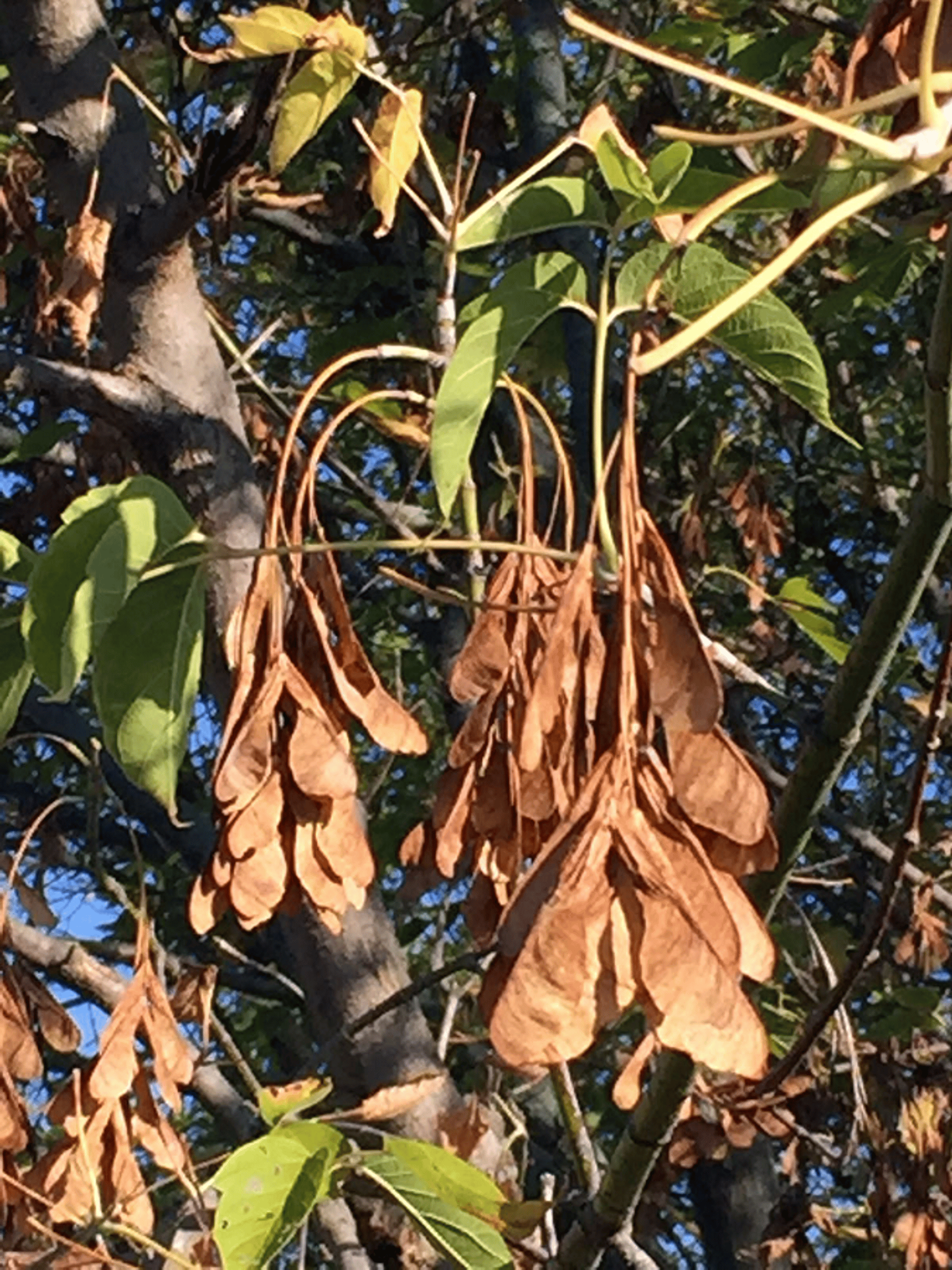
Courtesy of Dr. Stephanie Valberg.
The clinical signs are sudden in onset and rapidly progressive, frequently resulting in death. Several horses in a group may be affected, although some may have no clinical signs. Affected horses are reluctant to move, have muscle weakness and fasciculations, and may become recumbent. Choke may be present, and gut sounds may be decreased, with decrease in feces production, although appetite may be unaffected. Heart rates may be markedly increased, and pulmonary edema may be present. The horses do not show signs of pain, despite evidence of widespread myopathy at postmortem examination. Metabolic and respiratory acidosis, increased cardiac troponin 1, substantial increases in serum CK and AST activities, and myoglobinuria also are common.
Postmortem examination reveals widespread myodegeneration in postural and respiratory skeletal muscles and the myocardium. A definitive diagnosis can be made by identifying a pattern of accumulation of short- and medium-chain serum acylcarnitines and specific urine organic acids and glycine conjugates typical of a deficiency in multiple acyl-CoA dehydrogenases. Special stains for lipid reveal excessive lipid storage in the heart, diaphragm, and other oxidative postural muscles. Supportive treatment, including antioxidants (eg, vitamin C, vitamin E, and riboflavin), and IV fluid therapy including dextrose are recommended. Most horses hospitalized for severe rhabdomyolysis do not survive to discharge.
For More Information
Also see pet health content regarding muscle disorders in horses.