 |
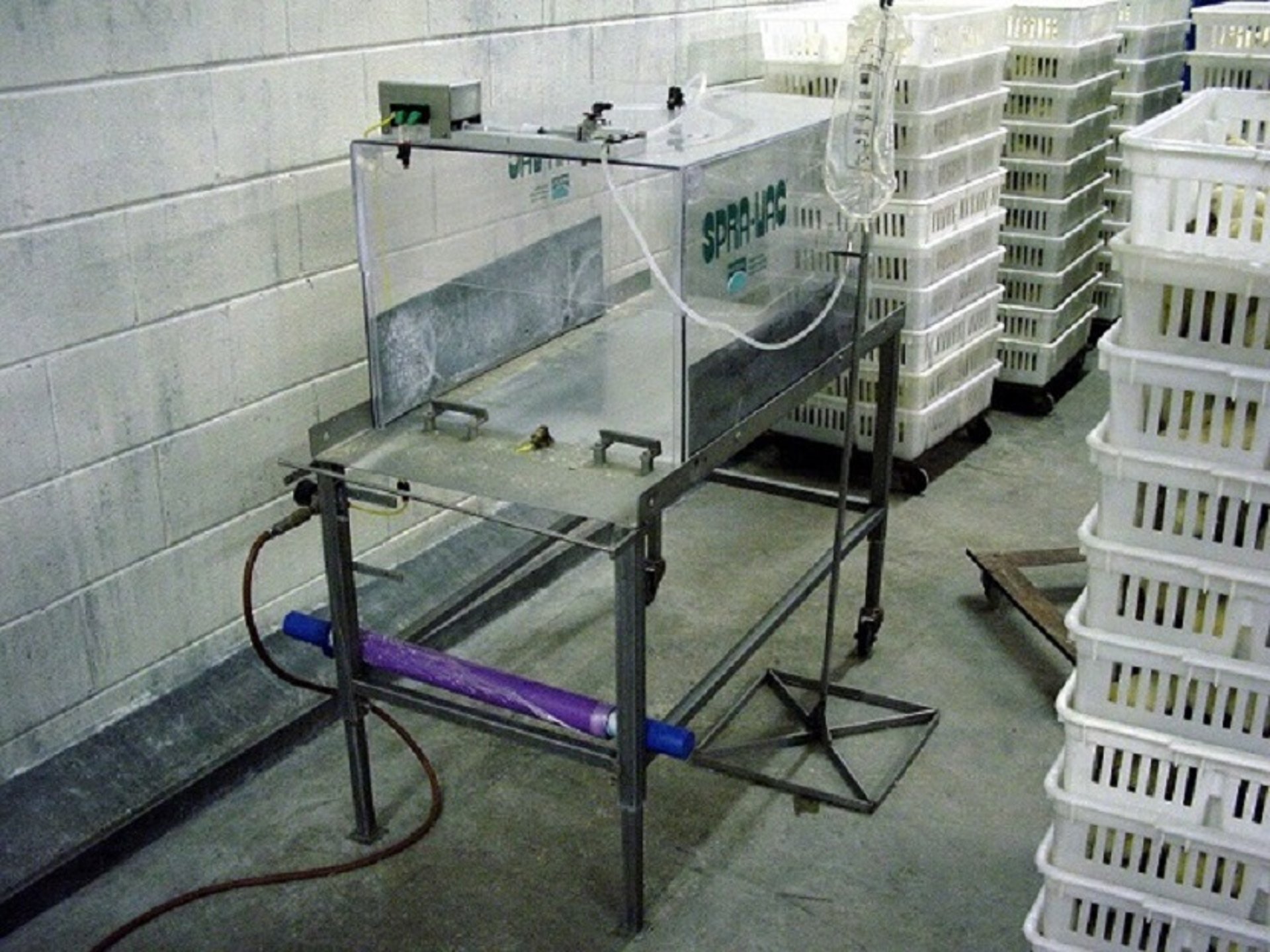
See the following tables (see Nutrition and Management: Poultry: Vaccination Program for Broilers a through see Nutrition and Management: Poultry: Vaccination Program for Commercial Ducklings )for recommended vaccination programs for broilers, broiler-breeders, commercial layers, turkeys, duck breeders, and commercial ducklings.
|
Table 11
|
PrintOpen table in new window  |
 |  |  |
|
Vaccination Program for Broilers a
|
|
Vaccine
|
Age
|
Route
|
Type
|
|
Marek's diseaseb
|
1 day
|
SC
|
Turkey herpesvirus and SB-1
|
|
Newcastle disease
|
1 day or
|
Coarse spray
|
B1
|
|
|
14–21 days
|
Water or coarse spray
|
B1 or LaSota
|
|
Infectious bronchitis
|
1 day or
|
Coarse spray
|
Massachusetts
|
|
|
14–21 days
|
Water or coarse spray
|
Massachusetts
|
|
Infectious bursal disease
|
14–21 days
|
Water
|
Intermediate
|
|
a This is an example of a typical vaccination program. Individual programs are highly variable and reflect local conditions, disease prevalence, severity of challenge, and individual preferences.
|
|
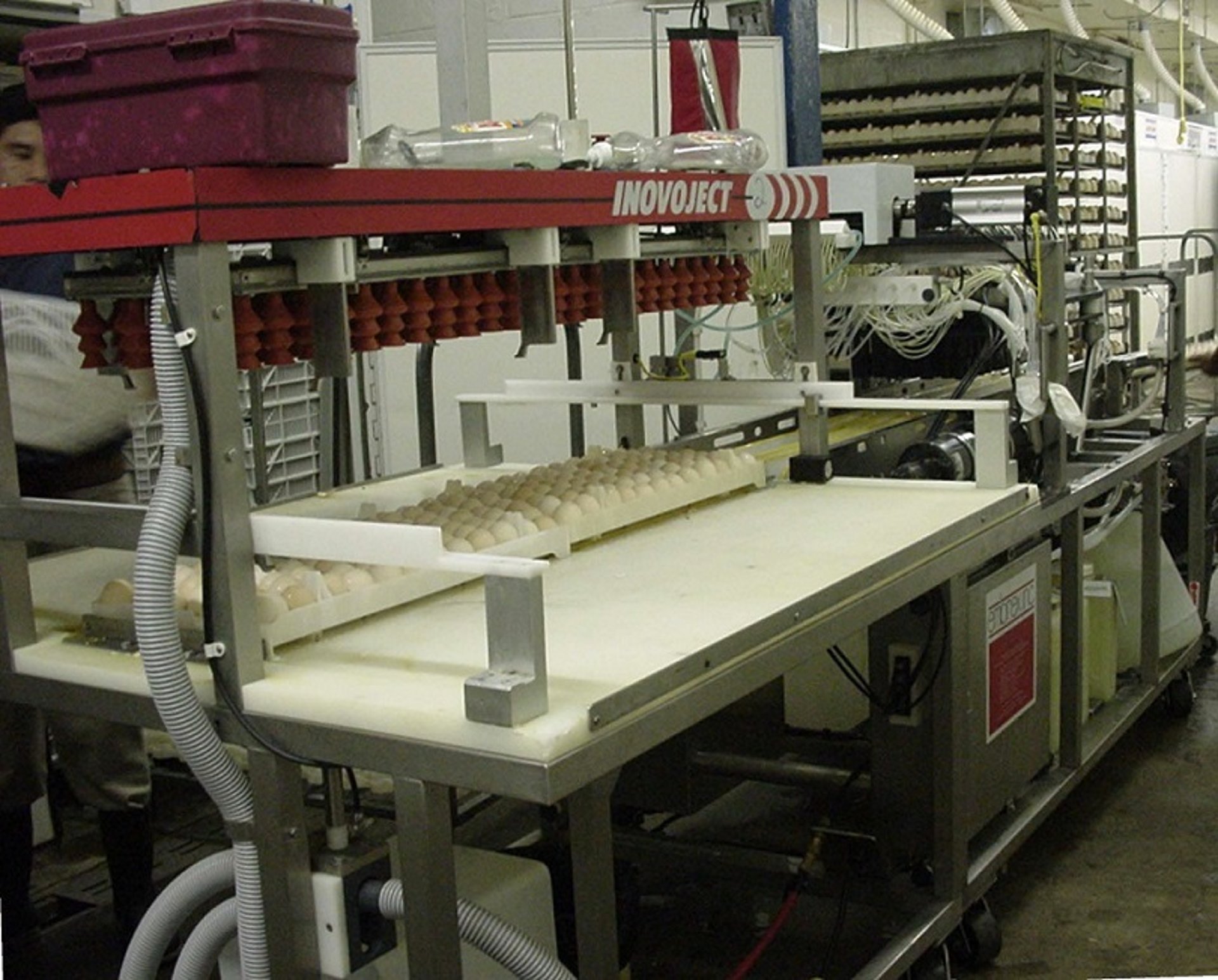
b Most USA commercial broiler hatcheries use an in ovo vaccination system for Marek's disease at 17–19 days of embryonation. Infectious bursal disease vaccine (mild strain) may be combined with Marek's disease vaccines. Connecticut strain often combined with Massachusetts. Bronchitis vaccine is usually combined with Newcastle. Other bronchitis strains such as Arkansas 99 and Florida 88 are included in some areas. Vaccinations at 14–21 days are optional. A single drinking water application for Newcastle disease/bronchitis is common also.
|
|
|
Table 12
|
PrintOpen table in new window  |
 |  |  |
|
Vaccination Program for Broiler Breeders a
|
|
Age
|
Vaccine
|
Route
|
Type
|
|
1 day
|
Marek's disease
|
SC
|
Turkey herpesvirus
|
|
6–7 days
|
Tenosynovitis
|
SC
|
Live (Mild)
|
|
14–21 days
|
Newcastle/infectious bronchitis
|
Water
|
B1/Mass
|
|
14–28 days
|
Infectious bursal disease
|
Water
|
Intermediate
|
|
4 wk
|
Newcastle/infectious bronchitis
|
Water or coarse spray
|
B1/Mass
|
|
6–8 wk
|
Tenosynovitis
|
SC
|
Live (Mild)
|
|
8–10 wk
|
Infectious bursal disease
|
Water or coarse spray
|
Live
|
|
8–10 wk
|
Newcastle/infectious bronchitis
|
Water or coarse spray
|
B1 or LaSota/Mass
|
|
10–12 wk
|
Encephalomyelitis
|
Wing web
|
Live, chick-embryo origin
|
|
10–12 wk
|
Fowlpox
|
Wing web
|
Modified live
|
|
10–12 wk
|
Chicken infectious anemia
|
Wing web
|
Modified live
|
|
10–12 wk
|
Laryngotracheitis
|
Intraocular
|
Modified live
|
|
10–12 wk
|
Tenosynovitis
|
Parenteral
|
Inactivated
|
|
10–12 wk
|
Fowl cholera
|
Parenteral or Wing web
|
Inactivated Live CU, PM-1, or M9
|
|
12–14 wk
|
Newcastle/infectious bronchitis
|
Water or aerosol
|
B1 or LaSota/Mass
|
|
14–18 wk
|
Fowl cholera
|
Parenteral or Wing web
|
Inactivated Live CU, PM-1, or M9
|
|
16–18 wk
|
Infectious bursal disease
|
Parenteral
|
Inactivated
|
|
16–18 wk
|
Tenosynovitis
|
Parenteral
|
Inactivated
|
|
16–18 wk
|
Newcastle/infectious bronchitis
|
Water or aerosol
|
B1 or LaSota/Mass
|
|
Every 60–90 days or 18 wk
|
Newcastle/infectious bronchitis
|
Parenteral
|
Inactivated
|
|
a This is an example of a vaccination program. Individual programs are highly variable and reflect local conditions, disease prevalence, severity of challenge, and individual preferences. SB-1 or MDV301 may be combined with turkey herpesvirus in some areas. Vaccination for fowlpox and laryngotracheitis depends on local requirements. Other strains of infectious bronchitis (Connecticut, Arkansas 99, Florida 88, etc) are included in some areas.
|
|
|
Table 13
|
PrintOpen table in new window  |
 |  |  |
|
Vaccination Program for Commercial Layers a
|
|
Age
|
Vaccine
|
Route
|
Type
|
|
1 day
|
Marek's disease
|
SC
|
Turkey herpesvirus and SB-1
|
|
14 –21 days
|
Newcastle/infectious bronchitis
|
Water
|
B1/Mass
|
|
14–21 days
|
Infectious bursal disease
|
Water
|
Intermediate
|
|
5 wk
|
Newcastle/infectious bronchitis
|
Water or coarse spray
|
B1/Mass
|
|
8–10 wk
|
Newcastle/infectious bronchitis
|
Water or coarse spray
|
B1 or LaSota/Mass
|
|
10–12 wk
|
Encephalomyelitis
|
Wing web
|
Live, chick-embryo origin
|
|
10–12 wk
|
Fowlpox
|
Wing web
|
Modified live
|
|
10–12 wk
|
Laryngotracheitis
|
Intraocular
|
Modified live
|
|
10–14 wk
|
Mycoplasma gallisepticum
b
|
Intraocular or spray
|
Mild live strain
|
|
or 18 wk
|
|
Parenteral
|
Inactivated
|
|
12–14 wk
|
Newcastle/infectious bronchitis
|
Water or aerosol
|
B1 or LaSota/Mass
|
|
16–18 wk
|
Newcastle/infectious bronchitis
|
Water or aerosol
|
B1 or LaSota/Mass
|
|
Every 60–90 days or 18 wk
|
Newcastle/infectious bronchitis
|
Parenteral
|
Inactivated
|
|
a This is an example of a vaccination program. Individual programs are highly variable and reflect local conditions, disease prevalence, severity of challenge, and individual preferences.
|
|
b The use of M gallisepticum vaccine is regulated or prohibited in some states. SB-1 or MDV301 may be combined with turkey herpesvirus in some areas. Vaccination for infectious bursal disease, laryngotracheitis, and fowlpox depends on local requirements. Other strains of infectious bronchitis (Connecticut, Arkansas 99, Florida 88, etc) are included in some areas. M gallisepticum and Haemophilus gallinarum (coryza) are used only on infected, multiage premises in some areas.
|
|
|
Table 14
|
PrintOpen table in new window  |
 |  |  |
|
Vaccination Program for Turkeys a
|
|
Age (wk)b
|
Market Turkeys
|
Breeder Hens
|
Breeder Toms
|
|
2–3
|
NDc B1-B1d or LaSota, DWe or spray
|
ND, B1-B1 or LaSota, DW or spray
|
ND, B1-B1 or LaSota, DW or spray
|
|
4
|
Hemorrhagic enteritis, DW
|
Hemorrhagic enteritis, DW
|
Hemorrhagic enteritis, DW
|
|
6
|
Fowl cholera,f DW (live) or SC (inactivated)
|
Fowl cholera, DW (live) or SC (inactivated)
|
Fowl cholera, DW (live) or SC (inactivated)
|
|
9–10
|
ND, LaSota, DW or spray
|
ND, LaSota, DW or spray
|
ND, LaSota, DW or spray
|
|
12
|
Fowl cholera, DW (live) or SC (inactivated)
|
Fowl cholera, DW (live) or SC (inactivated)
|
Fowl cholera, DW (live) or SC (inactivated)
|
|
15
|
ND, LaSota, DW or spray
|
ND, LaSota, DW or spray
|
ND, LaSota, DW or spray
|
|
18
|
—
|
Fowl cholera, DW (live) or SC (inactivated)
|
Fowl cholera, DW (live) or SC (inactivated)
|
|
21
|
—
|
ND, LaSota, DW or spray
|
ND, LaSota, DW or spray
|
|
24
|
—
|
Fowl cholera, DW (live) or SC (inactivated)
|
Fowl cholera, DW (live) or SC (inactivated)
|
|
26
|
—
|
Erysipelas, DW (live) or SC (inactivated) Pox, WW
|
Erysipelas, DW (live) or SC (inactivated) Pox, WW
|
|
28
|
—
|
ND, SC (inactivated) Fowl cholera, DW (live) or SC (inactivated) Encephalomyelitis, DW
|
ND, SC (inactivated) Fowl cholera, DW (live) or SC (inactivated) Encephalomyelitis, DW
|
|
a Recommendations are for production areas where the diseases listed are common. In addition, other vaccinations may be advisable if previous experience indicates prevalence of certain diseases in the area. These may include turkey bordetellosis eye drop vaccine at 1 day old and in water or spray at 14 days old, or bacterin; paramyxovirus 3 and influenza A (prevalent hemagglutinin) at 26–28 and 40 wk old; erysipelas—live or killed products might be required for market turkeys, and repeated vaccinations might be required for breeders; and salmonellosis bacterins at 24 and 28 wk old.
|
|
b Recommended age at vaccination is an approximation.
|
|
c ND = Newcastle disease
|
|
d Spray ND vaccines should not be used for birds suffering from respiratory disease; in such cases and at that age, the mild B1-B1 strain vaccine could be used in water. Timing of vaccination depends on maternal antibody levels.
|
|
e DW = drinking water; WW = wing web stab
|
|
f Live fowl cholera vaccines should be used only in healthy flocks.
|
|
|
Table 15
|
PrintOpen table in new window  |
 |  |  |
|
Vaccination Program for Duck Breeders |
|
Age
|
Vaccine
|
Route
|
Type
|
|
1 day old
|
Riemerella anatipestifer
|
Aerosol
|
Live vaccinea
|
|
10–14 days
|
R anatipestifer
|
Drinking water
|
Live vaccinea
|
|
3 wk
|
R anatipestifer
|
SC
|
Bacterinb
|
|
4 wk
|
Duck viral hepatitis
|
SC
|
Live vaccinec (Type 1)
|
|
4 wk
|
Duck viral enteritis
|
SC
|
Live vaccinec
|
|
10 and 20 wkd
|
R anatipestifer
|
SC
|
Bacterinb
|
|
10 and 20 wk
|
Duck viral hepatitis
|
SC
|
Killed virus vaccine (Type 1)
|
|
a A live, avirulent vaccine consisting of the 3 major serotypes (1, 2 and 5) of R anatipestifer
|
|
b A formalin-inactivated cell suspension of the 3 major serotypes (1, 2, and 5) of R anatipestifer. Bacterins and killed virus vaccines are administered SC in the neck.
|
|
c A modified live virus vaccine of chick embryo origin.
|
|
d White Pekin breeder ducks normally start egg production at 24 wk of age. Egg production can be accelerated or delayed and breeder vaccination should be completed before the onset of egg production to optimize the passage of parental immunity to the progeny.
|
|
|
Table 16
|
PrintOpen table in new window  |
 |  |  |
|
Vaccination Program for Commercial Ducklings |
|
Age
|
Vaccine
|
Route
|
Type
|
|
1 day old
|
Riemerella anatipestifer
|
Aerosol
|
Live vaccinea
|
|
10–14 days
|
R anatipestifer
|
Drinking water
|
Live vaccinea
|
|
3 wk
|
R anatipestifer
|
SC
|
Bacterinb
|
|
a A live, avirulent vaccine consisting of the 3 major serotypes (1, 2, and 5) of R anatipestifer
|
|
a A live, avirulent vaccine consisting of the 3 major serotypes (1, 2, and 5) of R anatipestifer
|
|
b A formalin-inactivated cell suspension of the 3 major serotypes (1, 2, and 5) of R anatipestifer is recommended for preventive immunization on farms where the disease is endemic or epidemic. An E coli bacterin can also be used where field challenge warrants. Ducklings should not be vaccinated within 21 days of slaughter.
|
|
Last full review/revision March 2012 by Alex J. Bermudez, DVM, MS, DACPV; Mahmoud El-Begearmi, PhD; Steven Leeson, PhD; Kirk C. Klasing, BS, MS, PhD
|  |
|