
The historical name for this disease is bacillary white diarrhea. Pullorum disease is caused by Salmonella enterica Pullorum and is characterized by very high mortality in young chickens and turkeys. Affected birds huddle near the heat source, are anorectic, weak, depressed, and have white fecal material pasted to the vent area. In addition, the birds may have respiratory disease, blindness, or swollen joints. Serology is used as a surveillance tool, but due to the potential of false negative or false positive results, the definitive diagnosis is isolation and identification of the organism. The goal for control of Pullorum disease is elimination of the pathogen; therefore, treatment is not recommended.
Etiology and Transmission of Pullorum Disease in Poultry
Infections with Salmonella enterica Pullorum usually cause very high mortality (potentially approaching 100%) in young chickens and turkeys within the first 2–3 weeks of age. In adult chickens, mortality may be high, but frequently there are no clinical signs. Pullorum disease was once common but has been eradicated from most commercial chicken stock in the USA, although it may be seen in other avian species (eg, guinea fowl, quail, pheasants, sparrows, parrots, canaries, and bullfinches) and in small backyard or hobby flocks. Infection in mammals is rare, although experimental or natural infections have been reported (chimpanzees, rabbits, guinea pigs, chinchillas, pigs, kittens, foxes, dogs, swine, mink, cows, and wild rats).
Transmission can be vertical (transovarian) but also occurs via direct or indirect contact with infected birds (respiratory or fecal) or contaminated feed, water, or litter. Infection transmitted via egg or hatchery contamination usually results in death during the first few days of life up to 2–3 weeks of age. Transmission between farms is due to poor biosecurity.
Clinical Findings and Lesions of Pullorum Disease in Poultry

Courtesy of Dr. David E. Swayne.

Courtesy of Dr. David E. Swayne.

Courtesy of Dr. David E. Swayne.

Courtesy of Dr. David E. Swayne.
Infections with Salmonella enterica Pullorum usually cause very high mortality (potentially approaching 100%) in young chickens and turkeys within the first 2–3 weeks of age. In adult chickens, mortality may be high, but frequently there are no clinical signs. Pullorum disease was once common but has been eradicated from most commercial chicken stock in the USA, although it may be seen in other avian species (eg, guinea fowl, quail, pheasants, sparrows, parrots, canaries, and bullfinches) and in small backyard or hobby flocks. Infection in mammals is rare, although experimental or natural infections have been reported (chimpanzees, rabbits, guinea pigs, chinchillas, pigs, kittens, foxes, dogs, swine, mink, cows, and wild rats).
Transmission can be vertical (transovarian) but also occurs via direct or indirect contact with infected birds (respiratory or fecal) or contaminated feed, water, or litter. Infection transmitted via egg or hatchery contamination usually results in death during the first few days of life up to 2–3 weeks of age. Transmission between farms is due to poor biosecurity.
The disease may be seen in all age groups, but birds <4 weeks old are most commonly affected. Birds may die in the hatchery shortly after hatching.
Affected birds:
huddle near a heat source
are anorectic
appear weak
have whitish fecal pasting around the vent (diarrhea)
Survivors are small in size and frequently become asymptomatic carriers with localized infection of the ovary. Some of the eggs laid by such hens hatch and produce infected progeny.
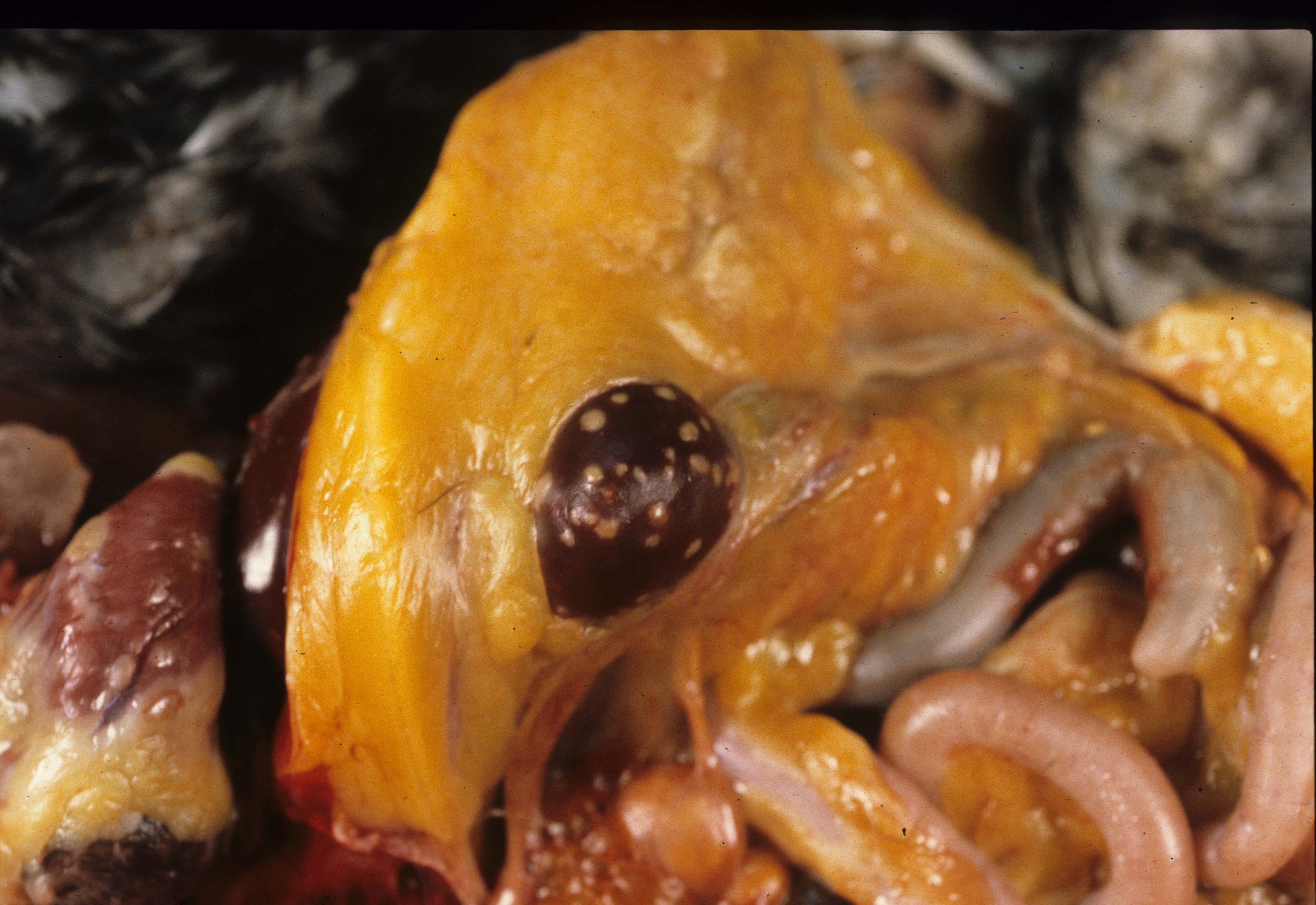
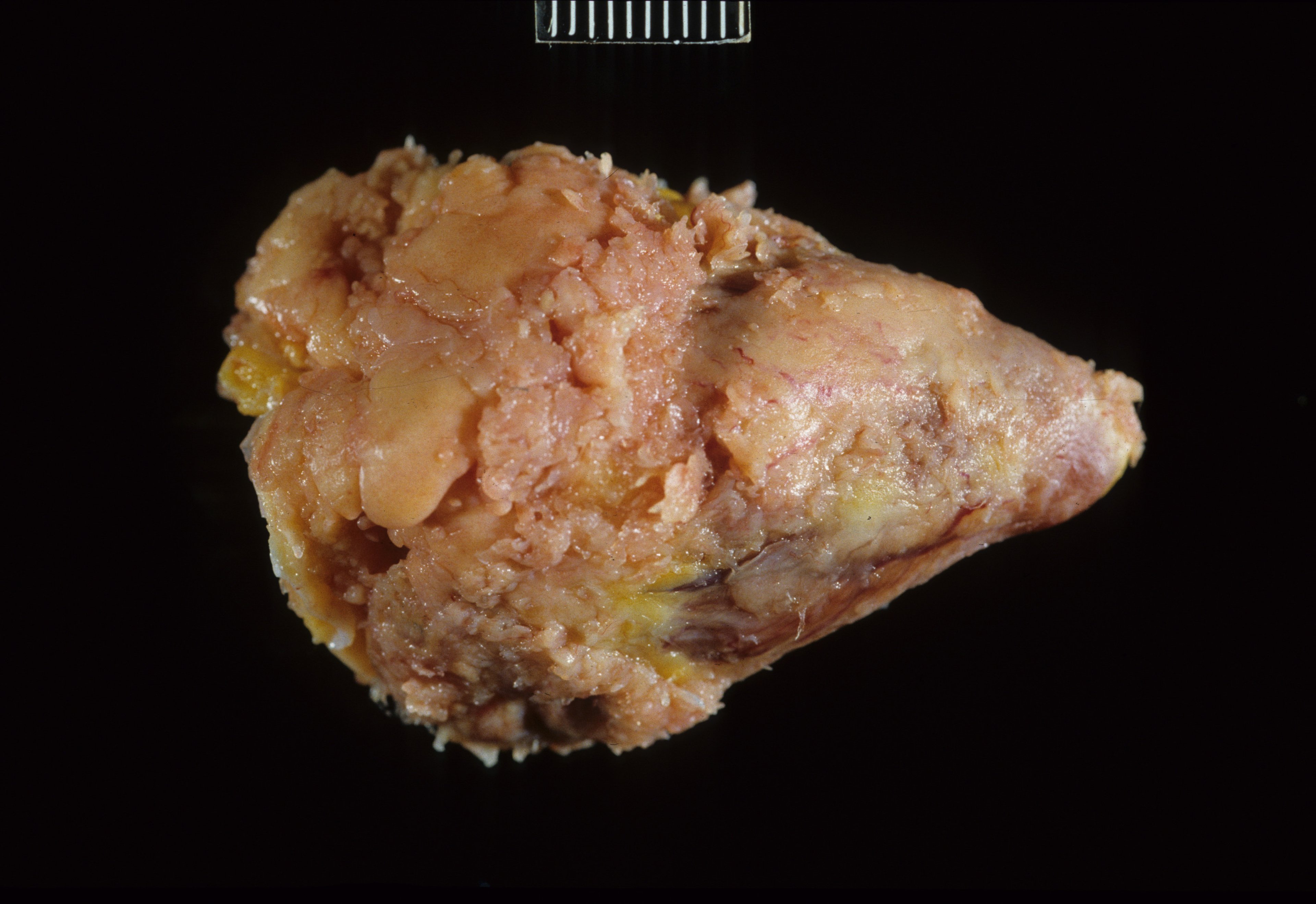
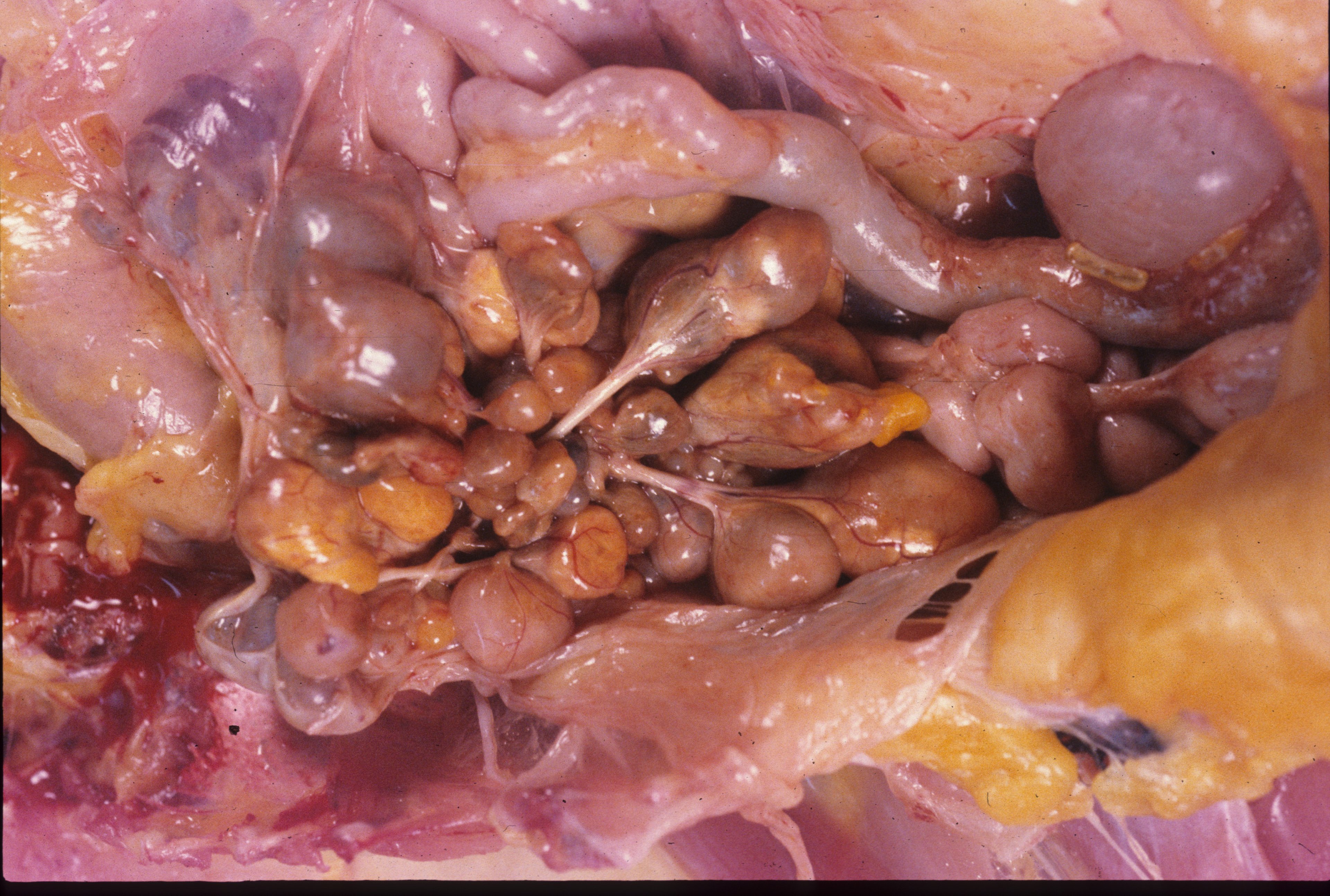
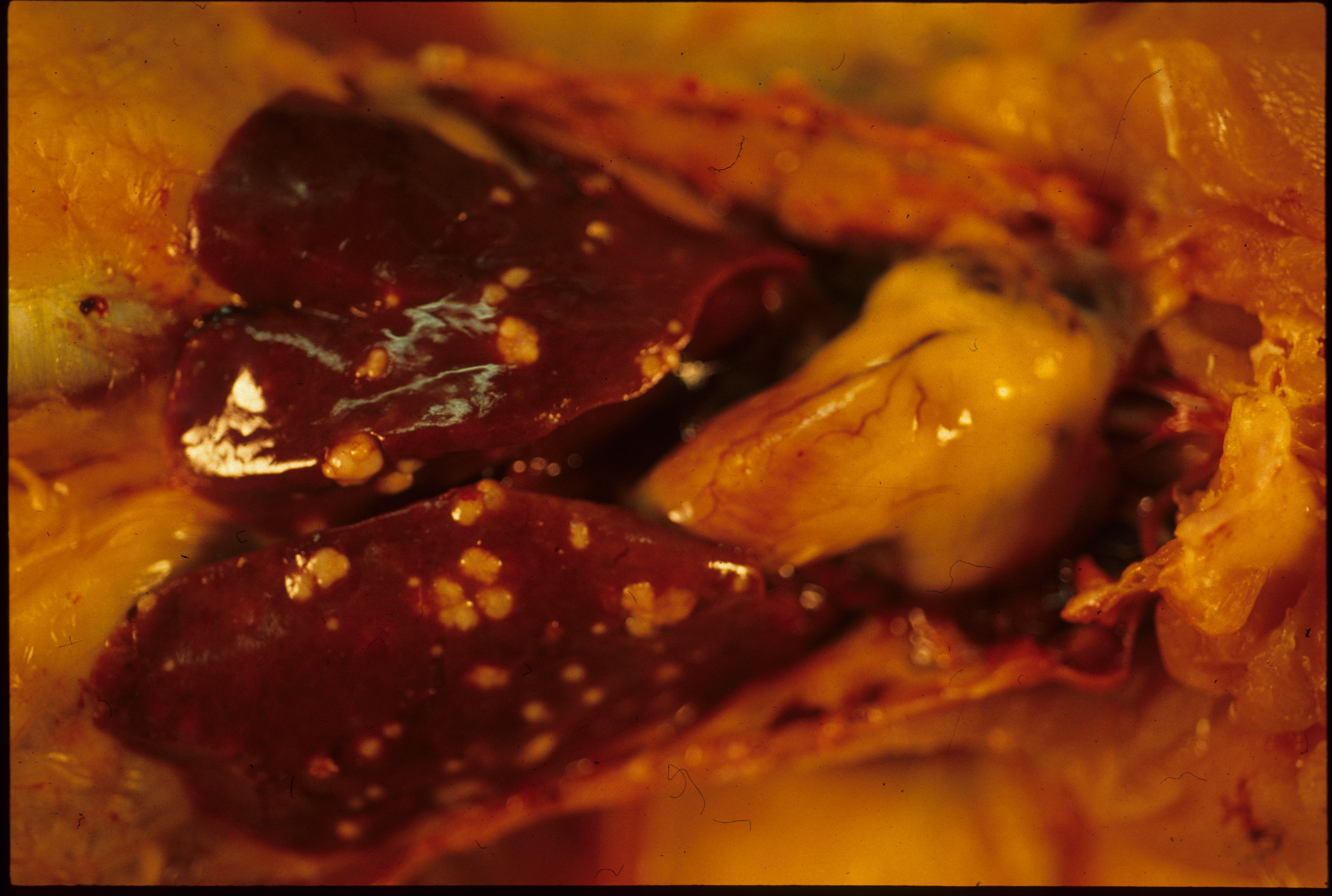
There may be no lesions due to an acute septicemia and death. Lesions in young birds usually include unabsorbed yolk sacs and classic gray nodules in the liver, spleen, lungs, heart, gizzard, and intestine. Firm, cheesy material in the ceca (cecal cores) and raised plaques in the mucosa of the lower intestine are sometimes seen. Occasionally, synovitis is prominent. Adult carriers usually have no gross lesions but may have nodular pericarditis, fibrinous peritonitis, or hemorrhagic, atrophic, regressing ovarian follicles with caseous contents. In mature chickens, chronic infections produce lesions indistinguishable from those of fowl typhoid.
Diagnosis of Pullorum Disease in Poultry
Serologic testing to detect potentially positive birds, but isolation, identification, and serotyping is essential to confirm infection.
Lesions may be highly suggestive, but diagnosis should be confirmed by isolation, identification, and serotyping of S enterica Pullorum. Infections in mature birds can be identified by serologic tests, followed by necropsy evaluation complemented by microbiologic culture and typing for confirmation.
Official testing recommendations for flocks in the USA are outlined in the National Poultry Improvement Plan (NPIP). The NPIP lists approved rapid assays for Salmonella. These include, for example, PCR and lateral flow immunoassays. Some assays are for the general detection of all Salmonella spp. Further typing is required after use of these general detection assays. Other NPIP-approved rapid assays are specific for S enterica Enteritidis.
Treatment and Control of Pullorum Disease in Poultry
Freedom from infection and elimination of positive birds and flocks is key to control. Treatment will not eliminate the carrier state and is never recommended.
Treatment of infected flocks will not alleviate the perpetuation of the carrier state and is never recommended. Control is based on routine serologic testing of breeding stock to assure freedom from infection. In addition, management and biosecurity measures should be taken to reduce the introduction of S enterica Pullorum from feed, water, wild birds, rodents, insects, or people. Birds should be purchased from sources free of S enterica Pullorum. The NPIP outlines the essential components for eradication of S enterica Pullorum.
Key Points
S enterica Pullorum causes high mortality in young chickens and turkeys and is transmitted from infected hens (vertical) or horizontally from infected birds or contaminated feed, water, or litter.
Classic lesions include gray nodules in the liver, spleen, lungs, heart, gizzard, and intestine and cecal cores.
Confirmation of S enterica Pullorum is through isolation and identification of the organism. Control measures focus on testing and eradication of the disease.
Treatment is never recommended.