
Benign prostatic hyperplasia (BPH) is the most common prostatic disorder in intact male dogs and results from androgenic stimulation or an altered androgen:estrogen ratio. It is not known why some males are affected and others are not. In some dogs, hyperplasia may begin as early as 2.5 years of age and, after 4 years of age, cystic hyperplasia tends to develop. Clinical signs may be absent, but persistent or intermittent hematuria, hemospermia, and/or hemorrhagic preputial discharge are most commonly reported.

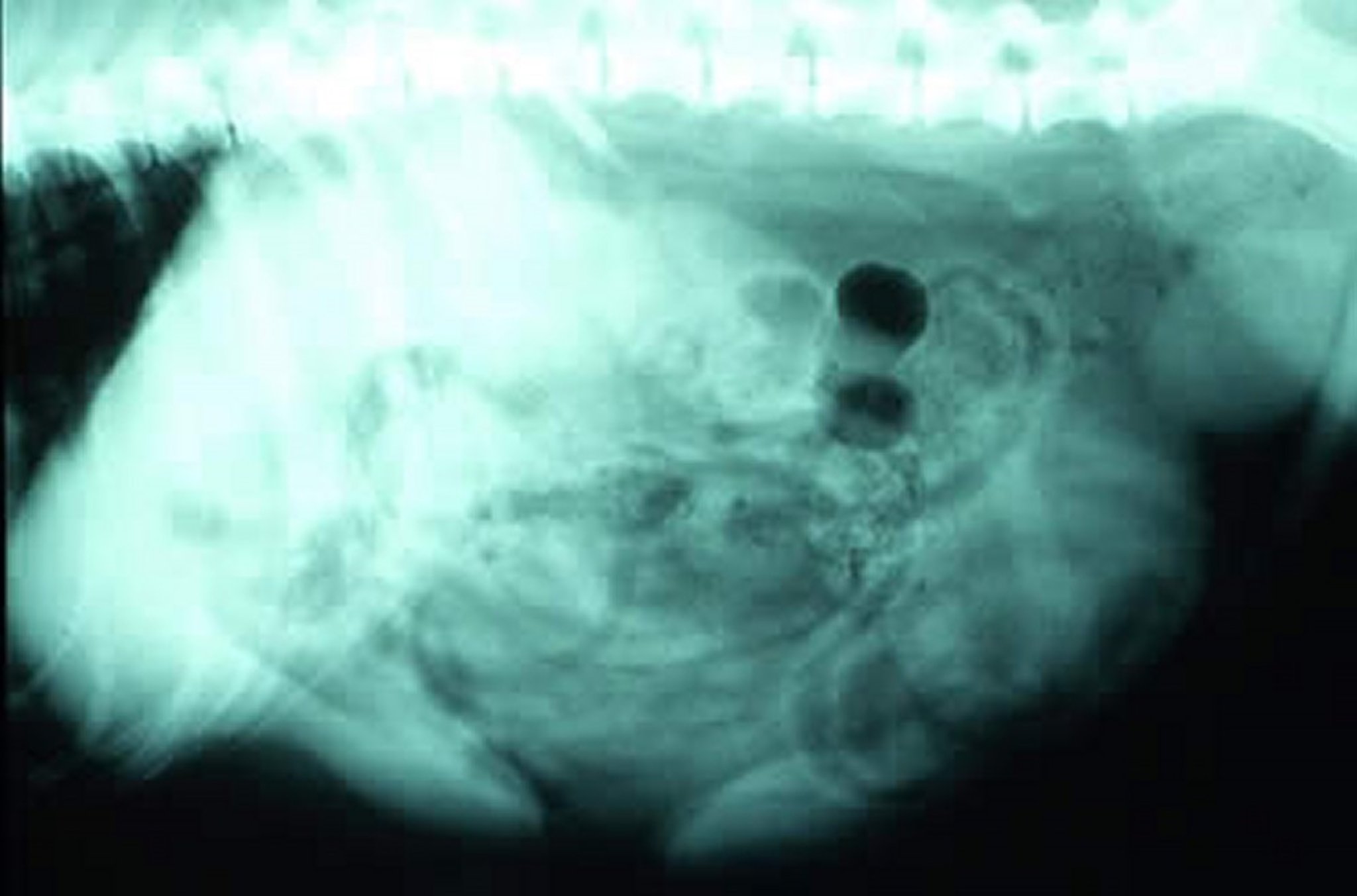
Courtesy of Dr. Ronald Green.

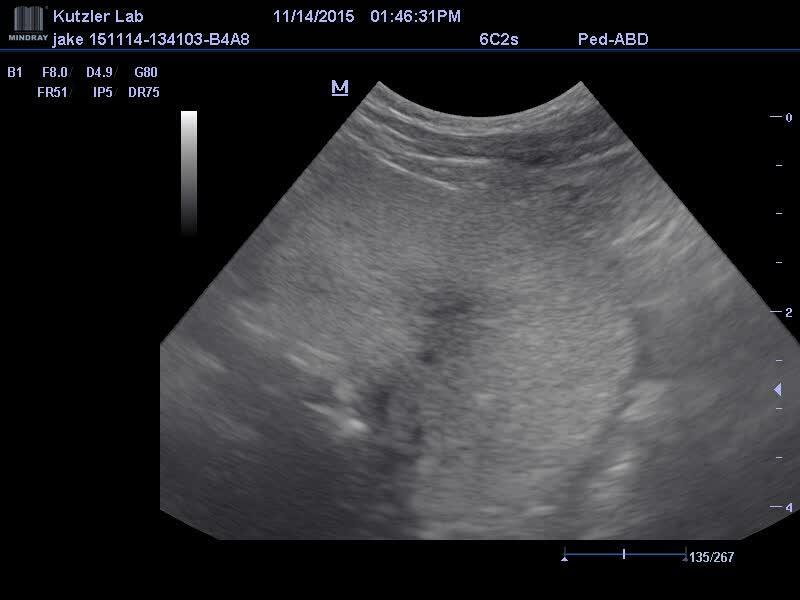

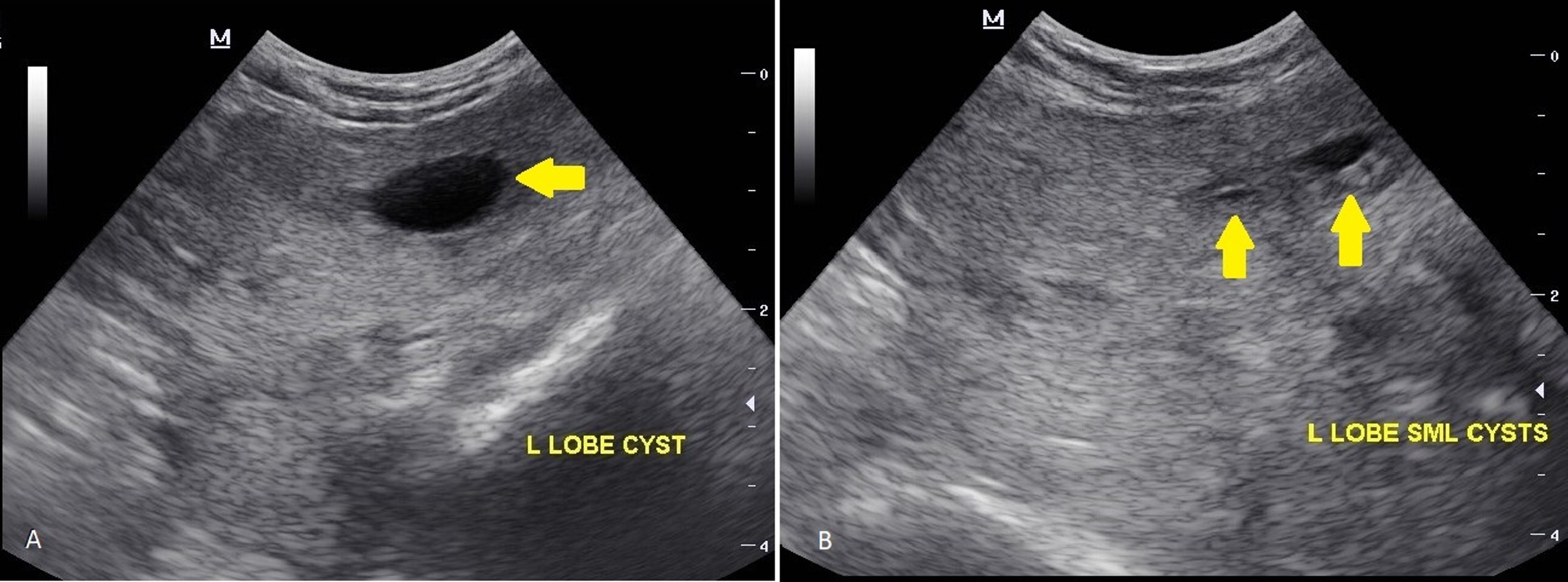
Courtesy of Dr. Michelle Kutzler.

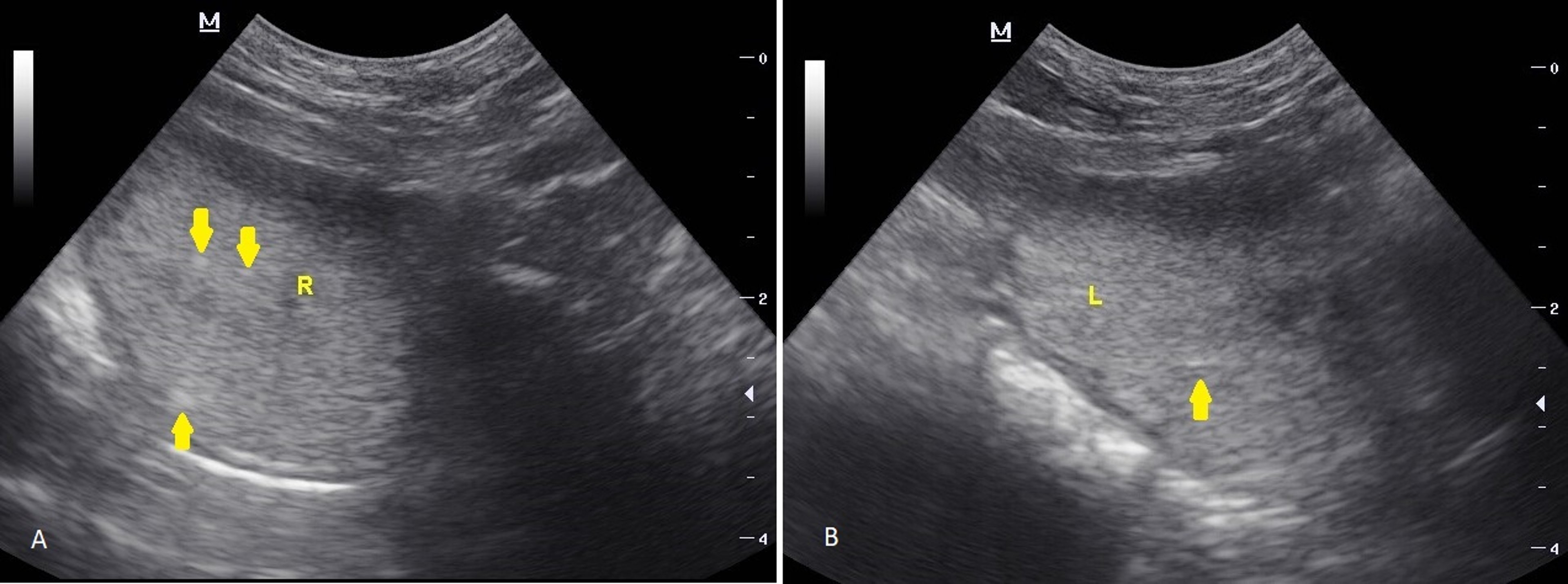
Courtesy of Dr. Michelle Kutzler.
The diagnosis is suggested by physical and historical findings and by a nonpainful, symmetrically enlarged prostate. Radiology can confirm prostatomegaly (see photo). Ultrasonography should show diffuse, relatively symmetric involvement with multiple, diffuse, cystic structures. Cytologic examination of massage or ejaculate specimens reveals hemorrhage with mild inflammation without evidence of sepsis or neoplasia. Definitive diagnosis is only possible by biopsy.
Castration is the treatment of choice in male dogs not intended for breeding and/or showing. With castration, prostatic involution is usually evident within a few weeks and is often complete in several months.
For males intended for breeding and/or showing, medical therapy with finasteride is effective. Finasteride blocks the action of 5 alpha-reductase, an enzyme that converts testosterone to dihydrotestosterone. Dihydrotestosterone is the biologically active hormone that promotes prostatic hyperplasia in both people and dogs. Giving finasteride at 1 mg/kg/day, PO, for 16–21 weeks, to laboratory Beagles resulted in a 50%–70% reduction in prostatic hypertrophy with no negative effect on semen quality. Lower dosages of finasteride (0.1 mg/kg/day, PO, for 16 weeks) reduced hypertrophied prostate volume by 43%, resolved clinical signs, reduced dihydrotestosterone concentration by 58%, maintained normal testosterone levels, and had no deleterious effect on semen quality, fertility, or libido in a group of nine dogs with prostatic hypertrophy. However, prostatic hypertrophy returns if finasteride administration is discontinued. The low dosage (0.1–0.5 mg/kg) of finasteride correlates to convenient dosing of one 5-mg capsule/day for dogs weighing 10–50 kg.
Osaterone acetate is a testosterone analogue available in Europe with potent antiandrogenic activity. Osaterone administered to dogs with clinical signs of BPH at a dosage of 0.25 mg/kg, PO, once daily resulted in resolution of clinical signs in about 50% of dogs within 14 days. Semen quality and fertility are not adversely affected and in some cases may improve. A subcutaneous implant containing the GnRH agonist deslorelin is available in Europe, Australia, and New Zealand is labeled for reversible castration in male dogs. With no testosterone available, dihydrotestosterone cannot be produced, and the prostate gland volume decreases by up to 60%. Deslorelin must be administered every 6–12 months, depending on the formulation used (4.7 mg implant vs 9.4 mg implant) Unlike finasteride and osaterone, spermatogenesis and fertility are arrested during the implant's period of activity.
Magnetic resonance-guided ultrasonic ablation has been used on a limited number of dogs with BPH (n=3) and demonstrated some success. An MRI-compatible transurethral device incorporating a tubular transducer array with dual 120° sectors was used to ablate canine prostate tissue for 6-–18 minutes. Ablated prostate regions demonstrated complete apparent resorption of ablated tissue, with formation of cystic regions containing fluid within 31 days. The authors did not comment on the effect of this treatment on fertility. However, pulsed electromagnetic field therapy was administered to 20 dogs with BPH at a rate of 5 minutes twice a day for 3 weeks. Pulsed electromagnetic field therapy resulted in a significant reduction in prostatic volume without altering semen quality, testosterone concentrations, or libido.
For More Information
Also see pet health content regarding prostatic diseases in dogs and prostatic diseases in cats.