Exercise is increasingly recognized as a powerful intervention—not just for improving performance, but as a fundamental tool for disease prevention and rehabilitation. Unlike medications, which target specific physiological mechanisms, exercise benefits nearly every organ system, making it a cornerstone of modern healthcare. Individualized exercise programs can optimize health outcomes across various populations, from those with chronic diseases to individuals undergoing rehabilitation.
Exercise is increasingly recognized as a powerful therapeutic agent—a tool that not only improves physical performance but also serves as an effective intervention for a range of chronic conditions. Optimal exercise prescription transcends traditional, one-size-fits-all regimens by emphasizing individualization, progressive overload, and safety. Whether addressing muscle strengthening, cardiovascular conditioning, or the prevention of falls in older adults, the core principles of exercise science remain the same: an adequate stimulus followed by sufficient recovery allows tissues to adapt, thereby improving function and reducing injury risk.
Strategies for exercise prescription are evolving and integrate technology and objective monitoring. There are also specific exercise programs that can be used for various patient populations including individuals with chronic pain, cardiovascular disease, diabetes, and weight management challenges. Other programs may benefit older adults at risk for falls, those with osteoporosis, patients recovering from concussion, patients with pulmonary disease and neurodegenerative conditions, and pregnant patients.

Physiological Adaptations to Exercise
Exercise induces profound changes at the cellular, tissue, and systemic levels, fostering long-term improvements in strength, endurance, metabolism, and resilience. These adaptations depend on the interplay between the mechanical stimulus of activity and the body's ability to recover and remodel. Exercise induces a variety of changes at the cellular, tissue, and systemic levels. Adaptation results from the interplay between the mechanical stimulus provided by physical activity and the body’s capacity for repair and remodeling.
Tissue-Level Adaptations
Exercise induces tissue level adaptations across multiple organ systems including:
Skeletal muscle: Regular resistance training (eg, at least twice a week) leads to muscle hypertrophy (1), increased myofibrillar density, and improved neuromuscular coordination. Such adaptations improve muscle strength and support metabolic function, thereby reducing the risk of sarcopenia with aging (2).
Cardiovascular system: Aerobic exercise enhances cardiac output, improves stroke volume, and increases capillarization in skeletal muscles, thereby optimizing oxygen delivery and utilization (3).
Metabolic changes: Exercise improves insulin sensitivity, enhances lipid metabolism, and promotes mitochondrial biogenesis—all vital for long-term health and chronic disease prevention (Metabolic changes: Exercise improves insulin sensitivity, enhances lipid metabolism, and promotes mitochondrial biogenesis—all vital for long-term health and chronic disease prevention (4).
Neuromuscular and proprioceptive enhancements: Consistent physical activity strengthens neural pathways that govern balance and coordination, thereby reducing the risk of falls and injury, particularly in older adults (5).
Recovery and Adaptation
The benefits of exercise occur not just during activity but also in the recovery phase, when tissue remodeling and replenishment of metabolic substrates (eg, carbohydrates and proteins) occur (6). Proper recovery strategies—including sleep, nutrition, hydration, and rest—are essential for optimizing adaptation and minimizing the risk of overtraining or injury.
Underlying Principles
Key principles supporting exercise adaptation include:
Overload: The exercise stimulus must exceed normal levels to elicit adaptation.
Progression: Gradual increases in intensity, duration, and frequency are necessary as adaptation occurs.
Specificity: Adaptations are specific to the type of exercise performed.
Individualization: Exercise programs should be tailored to a person’s fitness level, goals, and risk factors.
General Principles of Exercise Prescription
Designing an effective exercise program requires a structured approach that balances intensity, volume, frequency, and progression. Programs should be challenging yet safe, tailored to the individual's health status, and adaptable to changing needs.
Exercise prescriptions can be viewed as analogous to medication prescriptions and should include the type of exercise (eg, walking, swimming), intensity (eg, moderate), duration (eg, 30 minutes), and frequency (eg, three or more days per week). The goal is to create a program that is challenging yet safe and sustainable.
Individualization
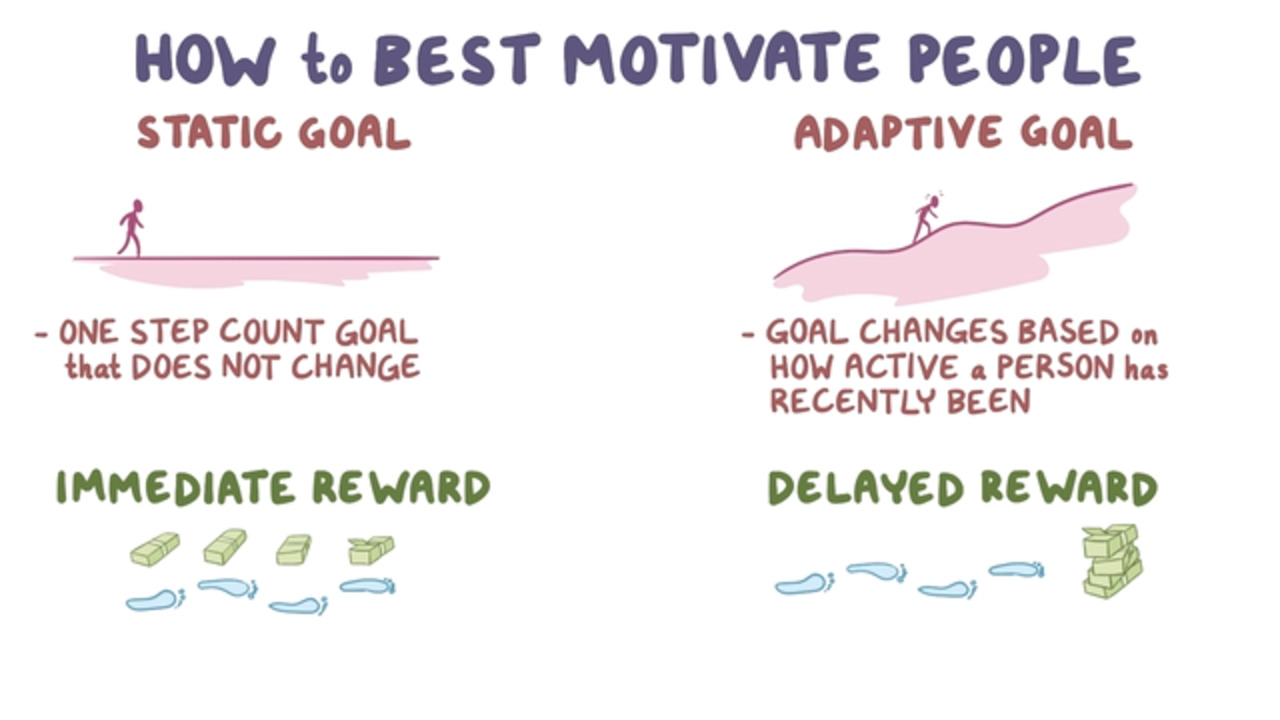
No two patients are alike. Age, baseline fitness, comorbidities, psychological readiness, and personal goals all inform the prescription. Fixed recommendations (eg, “30 minutes of moderate activity 5 days per week”) are not appropriate for all patients, and plans should be individualized based on specific goals and bolstered by advances in wearable technology, which enable real-time monitoring of metrics like heart rate and activity levels.
Dose-Response and Progressive Overload
The relationship between exercise dose and adaptation is not linear. Initial improvements may be dramatic, but further increases in volume or intensity eventually yield diminishing returns and may elevate injury risk. The principle of progressive overload requires careful calibration to continuously challenge the body while allowing sufficient recovery.
Monitoring and Safety
Objective monitoring through periodic performance assessments or wearable devices is critical to maintaining a safe and effective exercise program. Regular assessments helps detect early signs of overtraining (eg, persistent fatigue, joint pain), and allows for timely modifications of exercise programs. Wearable devices (eg, smartwatches, fitness trackers) may also be used to measure performance (eg, heart rate, duration of activity).
Recovery
Recovery is integral to the exercise process. It encompasses periods of rest, nutritional optimization, sleep quality, and periodic “deload” (ie, reduced intensity of or volume of training) weeks to prevent chronic overtraining.
Pre-Exercise Medical Evaluation and Safety
Before initiating any exercise regimen, a comprehensive evaluation should include a thorough assessment of cardiovascular risk, musculoskeletal health, metabolic conditions, and neurological function to assess baseline fitness and identify contraindications. This evaluation ensures safety and guides modifications based on individual needs.
Comprehensive Evaluation
A thorough medical history and physical examination should focus on (7):
Cardiovascular risk: Screening for coronary artery disease, hypertension, arrhythmias, and past myocardial infarctions.
Musculoskeletal limitations: Evaluating joint function, previous injuries, and pain that may impede exercise.
Metabolic and endocrine disorders: Assessing conditions like diabetes, renal disease, or thyroid dysfunction.
Neurological or cognitive impairments: Identifying risks for falls or difficulties in following exercise instructions.
For patients with multiple risk factors (eg, cardiovascular disease) or those planning vigorous exercise, stress testing may be warranted; however, for many initiating low-to-moderate intensity programs, history and physical examination are sufficient (7).
Patients should be instructed to discontinue exercise if they develop warning signs (eg, chest pain, dizziness, shortness of breath) during exercise and seek medical attention. Incorporating real-time monitoring tools can help detect early signs of adverse events during exercise.
Contraindications and Precautions
Absolute contraindications include:
Acute myocardial infarction or unstable angina
Decompensated heart failure or severe arrhythmias
Active endocarditis or myocarditis
Acute pulmonary embolism or deep vein thrombosis
Conditions that preclude safe exercise (severe musculoskeletal or neurological impairments)
Relative contraindications might include:
Controlled but significant coronary artery disease
Moderate valvular heart disease
Certain managed arrhythmias
Elevated yet controlled blood pressure
Patients with relative contraindications can often participate in modified programs under close supervision.
Components of a Comprehensive Exercise Program
A well-rounded exercise program typically includes aerobic training, resistance (strength) training, flexibility and stretching, and balance or proprioceptive training.
Aerobic Exercise
Aerobic training forms the cornerstone of cardiovascular conditioning. It consists of rhythmic and continuous movements of large muscle groups to increase heart rate and sustain an elevated metabolic rate. It improves cardiac output, stroke volume, and capillary density, leading to better oxygen delivery, enhanced exercise performance, and reduced cardiovascular risk.
Duration and frequency: A minimum of 150 minutes of moderate-intensity or 75 minutes of vigorous-intensity exercise per week is recommended, with sessions lasting at least 10 to 15 minutes (8).
Intensity: Many begin at 50 to 60% of the age-predicted maximum heart rate (HRmax), with gradual increases based on tolerance. Wearable devices facilitate precise monitoring.
Variety: Steady-state activities like walking and cycling remain effective, while high-intensity interval training (HIIT) offers a time-efficient alternative for those with sufficient fitness. An example of HIIT is performing 60 second cycling intervals 10 times at about 90% maximum heart rate with recovery intervals in between.
Resistance (Strength) Training
Resistance training involves exercise movements against resistance to improve strength and endurance for the muscles being exercised. It is key for building muscle strength, endurance, and hypertrophy, which are crucial for daily function and metabolic health. It not only increases muscle strength but also improves bone density, joint stability, and even cardiovascular function when structured in a circuit format.
Intensity: Traditionally, training at 70 to 85% of one-repetition maximum (1RM) stimulates strength gains (9). Newer evidence suggests that lower loads taken near fatigue can also be effective.
Volume and frequency: Typically involves multiple sets (1 to 5 per exercise) and 6 to 12 repetitions per set, adjusted based on the specific goal.
Progression: Progressive overload—through increased weight, repetitions, or complexity—is essential for continued adaptation. For example, If a patient is using a load of 50 lb. to perform 3 sets of 6 to 12 repetitions for a specific exercise, once they are able to perform 12 repetitions on all 3 sets, the weight should be increased by 10% for the next workout. As long the patient can still perform 6 repetitions on all 3 sets, the weight was appropriately increased.
Technique and safety: Emphasis on proper form, controlled movement, and adequate recovery (eg, resting the muscle group trained at least 48 hours) is paramount to prevent injury.
Flexibility and Stretching
Flexibility training maintains or improves the range of motion in joints and muscles.
Dynamic warm-up: Prior to vigorous exercise, dynamic movements (eg, leg swings, arm circles) are recommended to prepare the body.
Static stretching: Performed post-exercise, static stretching (eg, holding stretches for 10 to 30 seconds) can enhance flexibility and aid recovery.
Individualization: Tailor stretching routines to address specific areas of tightness or previous injury.
Balance and Proprioceptive Training
Balance training is particularly important for older adults and those with impaired proprioception. Improved balance reduces fall risk and enhances functional mobility, which is especially particularly beneficial in older populations (5).
Exercises: Activities like single-leg stands, tai chi, and the use of balance boards improve stability.
Integration: Many resistance exercises that focus on core stability also enhance balance.
Progression: Gradually reduce the base of support or introduce unstable surfaces as balance improves.
Hydration, Recovery, and Technological Integration
Maintaining fluid balance is crucial for performance and safety. However, both dehydration and overhydration (hyponatremia) can have serious consequences.
Hydration
Proper hydration is essential for optimizing exercise performance, preventing fatigue, and maintaining electrolyte balance. Fluid needs vary based on factors such as exercise intensity, duration, environmental conditions, and individual sweat rates.
Pre-exercise: Begin exercise well hydrated by consuming 500 to 600 mL (17 to 20 oz) of water 2 to 3 hours before activity and an additional 200 to 300 mL (7 to 10 oz) 20 to 30 minutes before starting (10).
During exercise: Consume 200 to 300 mL (7 to 10 oz) of fluid every 10 to 20 minutes, adjusting intake based on sweat loss, temperature, and exertion level.
Post-exercise: Rehydrate by consuming 1.5 L of fluid per kg of body weight lost (or 3 cups per pound lost) during exercise to restore fluid balance. Electrolyte-containing drinks may be beneficial after prolonged or intense exercise. For optimal fluid absorption, sports drinks should not contain more than 8% carbohydrates (11).
While dehydration is a concern, overhydration (excessive water intake without adequate sodium replacement) can lead to exercise-associated hyponatremia (EAH), a potentially life-threatening condition characterized by low sodium levels (< 135 mEq/L) in the blood (12).
Causes of hyponatremia include:
Consuming excessive plain water without electrolyte replacement, particularly during long-duration endurance events.
Prolonged sweating without adequate sodium replenishment.
Hormonal influences, such as the inappropriate secretion of antidiuretic hormone (ADH) during prolonged exertion.
Symptoms of hyponatremia include:
Early symptoms: Nausea, headache, confusion, dizziness, bloating, and muscle cramps.
Severe cases: Seizures, respiratory distress, altered mental status, or even coma due to cerebral edema.
Prevention strategies of hyponatremia include:
Follow thirst cues rather than forcing excessive hydration.
Use electrolyte-containing sports drinks (or electrolyte tablets) for prolonged exercise, particularly in hot and humid conditions.
Avoid consuming more than 1 L of water per hour unless guided by individual sweat loss measurements.
Monitor body weight changes during exercise—significant weight gain suggests excessive fluid intake.
Hyponatremia and Overhydration
While dehydration is a concern during exercise, overhydration (excessive water intake without adequate sodium replacement) can lead to exercise-associated hyponatremia (EAH), a potentially life-threatening condition characterized by low sodium levels in the blood (13).
Causes of hyponatremia include:
Consuming excessive plain water without electrolyte replacement, particularly during long-duration endurance events.
Prolonged sweating without adequate sodium replenishment.
Hormonal influences, such as the inappropriate secretion of antidiuretic hormone (ADH) during prolonged exertion.
Symptoms of hyponatremia include:
Early symptoms: Nausea, headache, confusion, dizziness, bloating, and muscle cramps.
Severe cases: Seizures, respiratory distress, altered mental status, or even coma due to cerebral edema.
Prevention strategies of hyponatremia include:
Following thirst cues rather than forcing excessive hydration.
Using electrolyte-containing sports drinks (or electrolyte tablets) for prolonged exercise, particularly in hot and humid conditions.
Avoiding consumption of more than 1 L of water per hour unless guided by individual sweat loss measurements.
Monitoring body weight changes during exercise—significant weight gain suggests excessive fluid intake.
Recovery
Recovery is essential for tissue repair, metabolic restoration, and neuromuscular adaptation. A structured recovery plan should address nutrition, sleep, and active recovery techniques. Periodization during recovery for exercise refers to the systematic planning of training variables (intensity, volume, frequency) into sequential phases to optimize performance adaptations and recovery while minimizing overtraining risk (14).
Active recovery: Light aerobic exercise (eg, walking or cycling) enhances circulation and metabolic waste clearance (15).
Nutrition: Adequate protein (1.2 to 2.0 g/kg/day) and carbohydrates (3 to 7 g/kg/day) support muscle repair and glycogen replenishment. Post-exercise, aim for a 3:1 carbohydrate-to-protein ratio within 30 to 60 minutes.
Sleep optimization: Quality sleep is critical for muscle recovery, immune function, and hormonal regulation. Athletes should aim for 7 to 9 hours per night, incorporating naps if needed.
Periodization and deloading: Scheduled deload weeks (reducing intensity or volume) to prevent overtraining and allow for optimal adaptation.
Technological Integration in Exercise and Recovery
The use of wearable technology and digital monitoring are sometimes used to assist exercise prescription and recovery strategies. Some examples include:
Wearable devices: Smartwatches and fitness trackers monitor heart rate, HR variability, oxygen saturation, and hydration status, providing real-time feedback for adjusting training intensity.
Sweat analysis patches: Emerging biosensors analyze electrolyte loss in sweat, guiding hydration and electrolyte replacement strategies.
Telemedicine and remote monitoring: Virtual coaching and real-time data sharing with healthcare providers enhance exercise adherence and safety, especially for high-risk populations.
Artificial intelligence (AI) coaching: AI-driven platforms analyze training data to optimize recovery schedules, hydration needs, and performance metrics.
Exercise Strategies and Prescription for Specific Populations
Beyond general recommendations, specific populations require tailored exercise strategies to optimize safety and effectiveness. General principles regarding exercise strategies and prescriptions for the following populations are described below:
Chronic pain
Cardiovascular diseases
Pulmonary diseases
Neurodegenerative conditions
Diabetes/metabolic syndrome
Chronic kidney disease
Cancer
Stroke
Autoimmune/rheumatologic conditions
Pregnant patients
Exercise Strategies for Chronic Pain
Chronic pain from various disorders (eg, fibromyalgia, osteoarthritis, low back pain) often creates a barrier to physical activity. However, a well-structured exercise program may reduce pain sensitivity, improve mobility, and enhance quality of life.
Key components of an exercise program for a patient with chronic pain include (16):
Aerobic training: Low-impact activities (eg, walking, swimming, cycling) release endorphins, reduce pain sensitivity, and improve mood.
Resistance training: Strengthening core stability and surrounding muscle groups supports joints and helps alleviate pain.
Flexibility and stretching: Gentle stretching and mobility exercises reduce stiffness and improve range of motion.
Mind-body approaches: Yoga, tai chi, and meditation modulate pain perception and improve body awareness.
Some considerations for an exercise program for a patient with chronic pain include the following (16):
Exercise should not exacerbate pain—a graded exposure approach is best.
Patients with neuropathic pain or inflammatory arthritis may need modified resistance training to avoid joint stress.
Supervised programs improve adherence and help address fear-avoidance behaviors.
Exercise Prescription for Cardiovascular Disease
Exercise is a cornerstone of cardiac rehabilitation, improving vascular function, cardiac output, and risk factor modification in patients with coronary artery disease, heart failure, and post-cardiac events.
Key components of an exercise program for a patient with cardiovascular disease include (17):
Aerobic training: Moderate-intensity walking, cycling, or swimming improves stroke volume and cardiac efficiency.
Resistance training: Low-to-moderate intensity resistance exercises enhance muscular endurance and prevent deconditioning.
Flexibility and neuromuscular training: Exercises that improve posture and reduce joint stiffness support overall function.
Some considerations for an exercise program for a patient with cardiovascular disease include (18):
Exercise intensity should be monitored with a target heart rate around 50 to 60% of maximum heart rate (HRmax), progressing gradually.
Supervised cardiac rehabilitation is essential for high-risk patients.
Beta-blockers blunt heart rate response, so rate of perceived exertion (RPE) monitoring may be more reliable.
Exercise Strategies and Prescription for Pulmonary Disease
Patients with chronic obstructive pulmonary disease (COPD), interstitial lung disease, and asthma benefit from structured pulmonary rehabilitation, which improves ventilatory efficiency, reduces dyspnea, and enhances overall fitness.
Key components of an exercise program for a patient with pulmonary disease include (19):
Aerobic training: Low-intensity walking or cycling enhances endurance. Interval training may be preferred to minimize dyspnea.
Resistance training: Low-to-moderate intensity resistance exercises prevent muscle atrophy and support functional movement.
Breathing techniques: Diaphragmatic breathing and pursed-lip breathing optimize lung function.
Some considerations for an exercise program for a patient with pulmonary disease include (19):
Monitor oxygen saturation (SpO₂) during exercise—patients with severe disease may require supplemental oxygen.
Avoid high-intensity anaerobic activity, which may trigger exercise-induced bronchospasm.
Offer supervised, individualized training plans for higher-risk patients.
Exercise Strategies and Prescription for Neurodegenerative Conditions
Patients with Alzheimer disease, Parkinson disease, and other neurodegenerative conditions may benefit from multimodal exercise programs that target balance, coordination, and cognitive function (20, 21).
Key components of an exercise program for a patient with neurodegenerative conditions include:
Aerobic exercise: Moderate-intensity walking, cycling, and swimming improve cardiovascular fitness.
Resistance training: Strengthening lower extremities and core stability enhances mobility and balance.
Balance and dual-task (simultaneous cognitive and motor) training: Tai chi, yoga, and cognitive-motor exercises reduce fall risk and improve proprioception.
Some considerations for an exercise program for a patient with neurodegenerative conditions include:
Patients with advanced neurodegeneration may require supervised sessions.
Gait abnormalities in Parkinson disease benefit from rhythmic cueing during walking exercises (20).
Cognitive decline may impact adherence—group classes and structured environments can improve participation.
Exercise Prescription for Diabetes and Metabolic Syndrome
Regular exercise improves insulin sensitivity, lowers blood glucose, and reduces cardiovascular risks in patients with diabetes and metabolic syndrome (Regular exercise improves insulin sensitivity, lowers blood glucose, and reduces cardiovascular risks in patients with diabetes and metabolic syndrome (4).
Key components of an exercise program for a patient with diabetes or metabolic syndrome include:
Aerobic training: Moderate-intensity walking, cycling, or swimming target of at least 150 minutes per week (4).
Resistance training: Strength training enhances muscle glucose uptake; target: 2 to 3 days per week.
High-intensity interval training (HIIT): Short bursts of intense exercise may improve mitochondrial function and insulin sensitivity (High-intensity interval training (HIIT): Short bursts of intense exercise may improve mitochondrial function and insulin sensitivity (22).
Some considerations for an exercise program for a patient with diabetes or metabolic syndrome include:
Monitor for hypoglycemia, especially in patients on insulin or sulfonylureas. Monitor for hypoglycemia, especially in patients on insulin or sulfonylureas.
Blood glucose levels should be monitored before, during, and after exercise
Patients may need to adjust Insulin dosing before, during, and after exercise depending on glucose levels (Patients may need to adjust Insulin dosing before, during, and after exercise depending on glucose levels (4)
Exercise Prescription for Chronic Kidney Disease (CKD) and Dialysis Patients
Patients with chronic kidney disease (CKD) and those on dialysis are at risk for muscle wasting, cardiovascular dysfunction, and frailty. Exercise of at least 150 minutes per week may improve functional quality of life measures (23).
Key components of an exercise program for a patient with CKD or patients on dialysis include:
Aerobic training: Low-to-moderate stationary cycling or walking improves endurance and blood pressure regulation.
Resistance training: Low-intensity strength training maintains muscle mass and prevents frailty.
Balance and mobility work: Gait training and proprioception exercises help reduce fall risk.
Some considerations for an exercise program for a patient with CKD or patients on dialysis include:
Avoid excessively intense resistance training due to hyperkalemia risk.
Monitor blood pressure fluctuations pre- and post-exercise.
Exercise Prescription for Cancer Patients
Exercise is now recognized as a critical adjunct in cancer treatment, by reducing fatigue, increasing overall strength, and increasing treatment tolerance (24).
Key components of an exercise program for a patient with cancer include:
Aerobic training: Walking or cycling may reduce cancer-related fatigue.
Resistance training: Low-to-moderate resistance training prevents muscle atrophy and bone loss.
Balance and mobility training: Yoga and tai chi improve posture and reduce stress.
Some considerations for an exercise program for a patient with cancer include:
Adjust intensity for patients with chemotherapy-induced neuropathy or bone metastases.
Monitor fatigue levels—some days may require active recovery instead of structured workouts.
Exercise Prescription for Stroke and Post-Stroke Rehabilitation
Structured exercise programs enhance motor recovery, cognitive function, and overall mobility in stroke survivors (25).
Key components of an exercise program for post-stroke rehabilitation include:
Aerobic exercise: Low-impact walking or cycling improves cardiovascular fitness and endurance.
Resistance training: Strengthening the affected side improves symmetry and mobility.
Gait and balance training: Dual-task (simultaneous cognitive and motor) training and neuromuscular coordination drills enhance functional movement and prevent falls.
Some considerations for a post-stroke rehabilitation exercise program include:
Monitor blood pressure to prevent exercise-induced hypertension.
Patients with spasticity or motor deficits may require assisted movement training.
Exercise Prescription for Autoimmune and Rheumatologic Conditions
Patients with autoimmune conditions such as rheumatoid arthritis (RA), systemic lupus erythematosus (SLE), and multiple sclerosis (MS) may benefit from exercise programs that maintain physical function and support mobility. For example, there appear to be small improvements in disease activity scores in RA (26).
Key components of an exercise program for a patient with autoimmune and rheumatologic conditions include:
Aerobic exercise: Swimming or cycling improves endurance with less joint stress.
Resistance training: Low-to-moderate intensity strength training preserves joint integrity.
Flexibility and mobility: Yoga, Pilates, and stretching reduce stiffness and improve posture.
Some considerations for an exercise program for a patient with autoimmune and rheumatologic conditions include:
Modify exercise intensity during autoimmune flares.
Patients with MS should avoid overheating, as it worsens fatigue and coordination.
Exercise Prescription for Pregnancy
Exercise during pregnancy provides numerous benefits, including improved cardiovascular function, reduced pregnancy-related discomfort, enhanced mood, and easier postpartum recovery (27). However, adjustments are necessary to accommodate physiological changes and ensure safety. A structured approach allows pregnant persons to remain active safely while supporting fetal development, maternal well-being, and postpartum recovery.
Key components of an exercise program for a pregnant person include:
Aerobic exercise: Low-impact activities such as walking, swimming, and stationary cycling improve cardiovascular health and endurance while minimizing joint strain.
Resistance training: Low-to-moderate intensity strength training maintains muscle tone, posture, and core stability while reducing back pain.
Flexibility and mobility: Prenatal yoga, stretching, and pelvic floor exercises (Kegels) support joint flexibility, balance, and labor preparation.
Some considerations for an exercise program for a pregnant person include:
Avoid exercises that increase abdominal pressure, such as full sit-ups or deep backbends.
Avoid lying flat on the back after the first trimester, as it can restrict blood flow.
Modify exercise intensity as pregnancy progresses—focus on comfort, stability, and breathing control.
Stop exercise immediately if experiencing dizziness, vaginal bleeding, contractions, or reduced fetal movement.
Postpartum Recovery – Gradual return to exercise should prioritize core and pelvic floor rehabilitation before resuming higher-impact activities.
Integrative Approaches and Future Directions
Integrating exercise into clinical practice requires collaboration among physicians, exercise physiologists, physical therapists, nutritionists, and behavioral specialists. Such a model ensures that exercise is prescribed as a core element of preventive care and chronic disease management.
Advances in wearable devices, telemedicine, and data analytics are advancing exercise prescription:
Wearable Devices: Provide real-time data on heart rate, oxygen consumption, and activity patterns.
Telemedicine: Facilitates remote supervision, especially for patients with mobility challenges.
Data-Driven Personalization: Integrating objective data helps tailor programs to individual physiology and behavior.
Ongoing research is needed to further elucidate the molecular mechanisms of exercise adaptation, evaluate long-term outcomes of personalized exercise programs, and refine intervention models using emerging technologies such as virtual reality and artificial intelligence.
The evolution of exercise prescription reflects a broader shift toward individualized, evidence-based interventions that recognize the unique needs of every patient. Whether the goal is to manage chronic pain, improve cardiovascular function, support weight loss, prevent falls, combat osteoporosis, facilitate post-concussion recovery, enhance pulmonary function, or improve motor and cognitive outcomes in neurodegenerative conditions, the fundamental principles remain consistent: a carefully calibrated exercise stimulus combined with proper recovery yields profound benefits.
By integrating emerging evidence and evolving technology, and maintaining a patient-centered approach, clinicians can help patients enhance physical function and quality of life.
References
1. Schoenfeld BJ, Ogborn D, Krieger JW. Effects of Resistance Training Frequency on Measures of Muscle Hypertrophy: A Systematic Review and Meta-Analysis. Sports Med. 2016;46(11):1689-1697. doi:10.1007/s40279-016-0543-8
2. Cruz-Jentoft AJ, Landi F, Schneider SM, et al. Prevalence of and interventions for sarcopenia in ageing adults: a systematic review. Report of the International Sarcopenia Initiative (EWGSOP and IWGS). Age Ageing. 2014;43(6):748-759. doi:10.1093/ageing/afu115
3. Hellsten Y, Gliemann L. Peripheral limitations for performance: Muscle capillarization. Scand J Med Sci Sports. 2024;34(1):e14442. doi:10.1111/sms.14442
4. Colberg SR, Sigal RJ, Yardley JE, et al. Physical Activity/Exercise and Diabetes: A Position Statement of the American Diabetes Association. Diabetes Care. 2016;39(11):2065-2079. doi:10.2337/dc16-1728
5. Sherrington C, Fairhall N, Wallbank G, et al. Exercise for preventing falls in older people living in the community: an abridged Cochrane systematic review. Br J Sports Med. 2020;54(15):885-891. doi:10.1136/bjsports-2019-101512
6. Ivy JL. Regulation of muscle glycogen repletion, muscle protein synthesis and repair following exercise. J Sports Sci Med. 2004;3(3):131-138. Published 2004 Sep 1.
7. Riebe D, Franklin BA, Thompson PD, et al. Updating ACSM's Recommendations for Exercise Preparticipation Health Screening. Med Sci Sports Exerc. 2015;47(11):2473-2479. doi:10.1249/MSS.0000000000000664
8. Bull FC, Al-Ansari SS, Biddle S, et al. World Health Organization 2020 guidelines on physical activity and sedentary behaviour. Br J Sports Med. 2020;54(24):1451-1462. doi:10.1136/bjsports-2020-102955
9. Garber CE, Blissmer B, Deschenes MR, et al. American College of Sports Medicine position stand. Quantity and quality of exercise for developing and maintaining cardiorespiratory, musculoskeletal, and neuromotor fitness in apparently healthy adults: guidance for prescribing exercise. Med Sci Sports Exerc. 2011;43(7):1334-1359.
10. Thomas DT, Erdman KA, Burke LM. American College of Sports Medicine Joint Position Statement. Nutrition and Athletic Performance. Med Sci Sports Exerc. 2016;48(3):543-568. doi:10.1249/MSS.0000000000000852
11. American College of Sports Medicine, Sawka MN, Burke LM, et al. American College of Sports Medicine position stand. Exercise and fluid replacement. Med Sci Sports Exerc. 2007;39(2):377-390. doi:10.1249/mss.0b013e31802ca597
12. Urso C, Brucculeri S, Caimi G. Physiopathological, Epidemiological, Clinical and Therapeutic Aspects of Exercise-Associated Hyponatremia. J Clin Med. 2014;3(4):1258-1275. Published 2014 Nov 12. doi:10.3390/jcm3041258
13. Jonas CE, Arnold MJ. Exercise-Associated Hyponatremia: Updated Guidelines from the Wilderness Medical Society. Am Fam Physician. 2021;103(4):252-253.
14. The team physician and strength and conditioning of athletes for sports: a consensus statement. Med Sci Sports Exerc. 2015;47(2):440-445. doi:10.1249/MSS.0000000000000583
15. Dupuy O, Douzi W, Theurot D, Bosquet L, Dugué B. An Evidence-Based Approach for Choosing Post-exercise Recovery Techniques to Reduce Markers of Muscle Damage, Soreness, Fatigue, and Inflammation: A Systematic Review With Meta-Analysis. Front Physiol. 2018;9:403. Published 2018 Apr 26. doi:10.3389/fphys.2018.00403
16. Ambrose KR, Golightly YM. Physical exercise as non-pharmacological treatment of chronic pain: Why and when. Best Pract Res Clin Rheumatol. 2015;29(1):120-130. doi:10.1016/j.berh.2015.04.022
17. Dibben GO, Faulkner J, Oldridge N, et al. Exercise-based cardiac rehabilitation for coronary heart disease: a meta-analysis. Eur Heart J. 2023;44(6):452-469. doi:10.1093/eurheartj/ehac747
18. Brown TM, Pack QR, Aberegg E, et al. Core Components of Cardiac Rehabilitation Programs: 2024 Update: A Scientific Statement From the American Heart Association and the American Association of Cardiovascular and Pulmonary Rehabilitation. Circulation. 2024;150(18):e328-e347. doi:10.1161/CIR.0000000000001289
19. Goldstein RS, Hill K, Brooks D, Dolmage TE. Pulmonary rehabilitation: a review of the recent literature. Chest. 2012;142(3):738-749. doi:10.1378/chest.12-0188
20. Osborne JA, Botkin R, Colon-Semenza C, et al. Physical Therapist Management of Parkinson Disease: A Clinical Practice Guideline From the American Physical Therapy Association. Phys Ther. 2022;102(4):pzab302. doi:10.1093/ptj/pzab302
21. Yan J, Li X, Guo X, et al. Effect of Multicomponent Exercise on Cognition, Physical Function and Activities of Daily Life in Older Adults With Dementia or Mild Cognitive Impairment: A Systematic Review and Meta-analysis. Arch Phys Med Rehabil. 2023;104(12):2092-2108. doi:10.1016/j.apmr.2023.04.011
22. De Strijcker D, Lapauw B, Ouwens DM, et al. High intensity interval training is associated with greater impact on physical fitness, insulin sensitivity and muscle mitochondrial content in males with overweight/obesity, as opposed to continuous endurance training: a randomized controlled trial. . High intensity interval training is associated with greater impact on physical fitness, insulin sensitivity and muscle mitochondrial content in males with overweight/obesity, as opposed to continuous endurance training: a randomized controlled trial.J Musculoskelet Neuronal Interact. 2018;18(2):215-226.
23. Kidney Disease: Improving Global Outcomes (KDIGO) CKD Work Group. KDIGO 2024 Clinical Practice Guideline for the Evaluation and Management of Chronic Kidney Disease. Kidney Int. 2024;105(4S):S117-S314. doi:10.1016/j.kint.2023.10.018
24. Ligibel JA, Bohlke K, May AM, et al. Exercise, Diet, and Weight Management During Cancer Treatment: ASCO Guideline. J Clin Oncol. 2022;40(22):2491-2507. doi:10.1200/JCO.22.00687
25. Billinger SA, Arena R, Bernhardt J, et al. Physical activity and exercise recommendations for stroke survivors: a statement for healthcare professionals from the American Heart Association/American Stroke Association. Stroke. 2014;45(8):2532-2553. doi:10.1161/STR.0000000000000022
26. Sveaas SH, Smedslund G, Hagen KB, et al. Effect of cardiorespiratory and strength exercises on disease activity in patients with inflammatory rheumatic diseases: a systematic review and meta-analysis. Br J Sports Med. 2017;51(14):1065-1072. doi:10.1136/bjsports-2016-097149
27. Physical Activity and Exercise During Pregnancy and the Postpartum Period: ACOG Committee Opinion, Number 804. Obstet Gynecol. 2020;135(4):e178-e188. doi:10.1097/AOG.0000000000003772
Drug Information for the Topic