Search
 
Chloramphenicol

ChloramphenicolSome Trade Names
CHLOROMYCETIN
Click for Drug Monograph
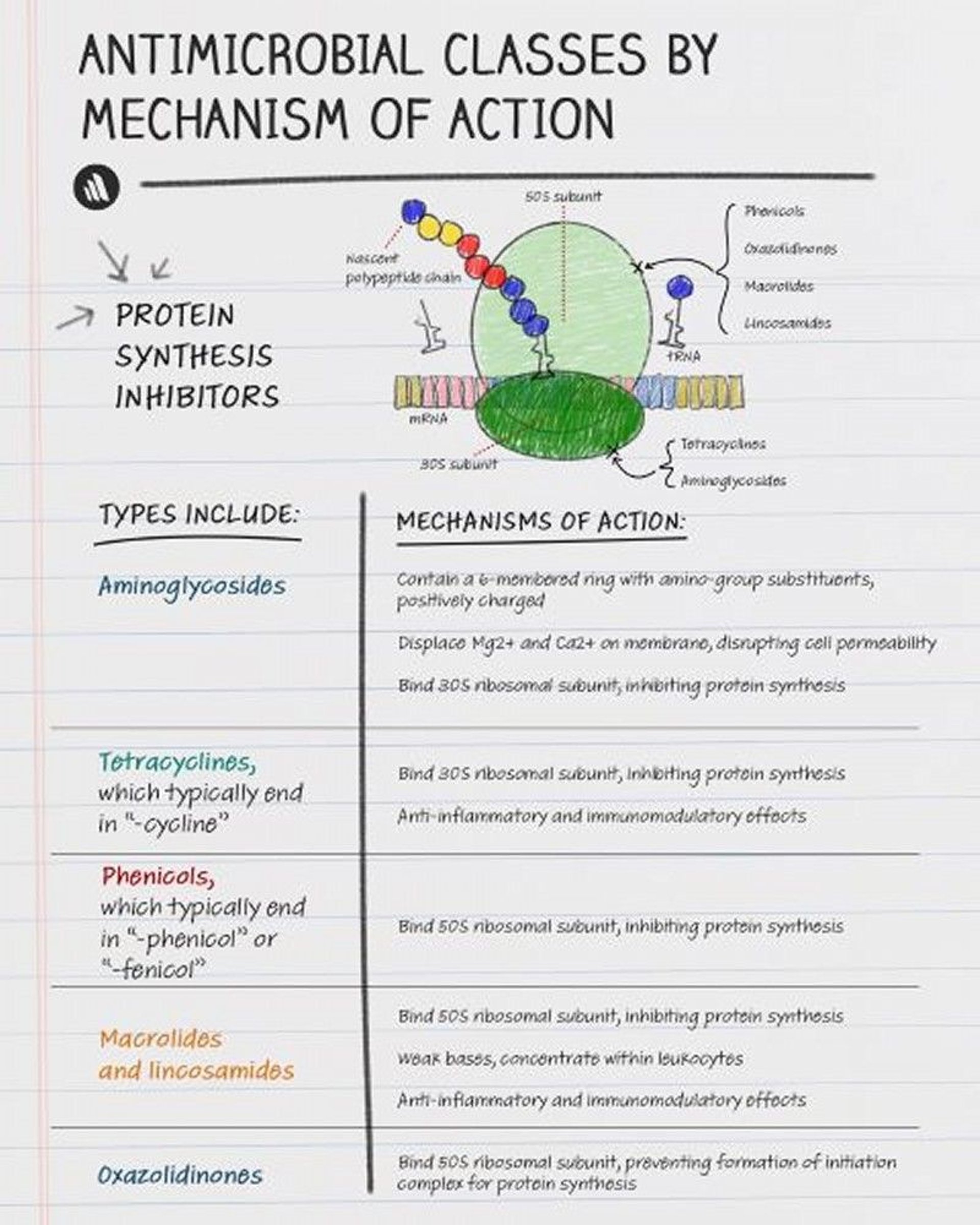
is primarily bacteriostatic. It binds to the 50S subunit of the ribosome, thereby inhibiting bacterial protein synthesis.

Pharmacology

ChloramphenicolSome Trade Names
CHLOROMYCETIN
Click for Drug Monograph
is well absorbed orally. Parenteral therapy should be IV.

ChloramphenicolSome Trade Names
CHLOROMYCETIN
Click for Drug Monograph
is distributed widely in body fluids, including CSF, and is excreted in urine. Because of hepatic metabolism, active chloramphenicolSome Trade Names
CHLOROMYCETIN
Click for Drug Monograph
does not accumulate when renal insufficiency is present.

Indications

ChloramphenicolSome Trade Names
CHLOROMYCETIN
Click for Drug Monograph
has a wide spectrum of activity against

  • Gram-positive and gram-negative cocci and bacilli (including anaerobes)
  • Rickettsia, Mycoplasma, Chlamydia, and Chlamydophila spp

Because of bone marrow toxicity, the availability of alternative antibiotics, and the emergence of resistance, chloramphenicolSome Trade Names
CHLOROMYCETIN
Click for Drug Monograph
is no longer a drug of choice for any infection, except for

  • Serious infections due to a few multidrug-resistant bacteria that remain susceptible to this antibiotic

However, when chloramphenicolSome Trade Names
CHLOROMYCETIN
Click for Drug Monograph
has been used to treat meningitis caused by relatively penicillin-resistant pneumococci, outcomes have been discouraging, probably because chloramphenicolSome Trade Names
CHLOROMYCETIN
Click for Drug Monograph
has poor bactericidal activity against these strains.

Contraindications

ChloramphenicolSome Trade Names
CHLOROMYCETIN
Click for Drug Monograph
is contraindicated if another drug can be used instead.

Use During Pregnancy and Breastfeeding

Use of chloramphenicolSome Trade Names
CHLOROMYCETIN
Click for Drug Monograph
during pregnancy results in fetal drug levels almost as high as maternal levels. Gray baby syndrome is a theoretical concern, particularly near term, but there is no clear evidence of fetal risk.

ChloramphenicolSome Trade Names
CHLOROMYCETIN
Click for Drug Monograph
enters breast milk. Safety during breastfeeding has not been determined.

Adverse Effects

Adverse effects include

  • Bone marrow depression (most serious)
  • Nausea, vomiting, and diarrhea
  • Gray baby syndrome (in neonates)

There are 2 types of bone marrow depression:

  • Reversible dose-related interference with iron metabolism: This effect is most likely with high doses or prolonged treatment or in patients with a severe liver disorder.
  • Irreversible idiosyncratic aplastic anemia: This anemia occurs in < 1/25,000 treated patients. It may not develop until after therapy is stopped. ChloramphenicolSome Trade Names
    CHLOROMYCETIN
    Click for Drug Monograph
    should not be used topically because small amounts may be absorbed and, rarely, cause aplastic anemia.

Hypersensitivity reactions are uncommon. Optic and peripheral neuritis may occur with prolonged use.

The neonatal gray baby syndrome, which involves hypothermia, cyanosis, flaccidity, and circulatory collapse, is often fatal. The cause is high blood levels, which occur because the immature liver cannot metabolize and excrete chloramphenicolSome Trade Names
CHLOROMYCETIN
Click for Drug Monograph
. To avoid the syndrome, clinicians should not give infants 1 mo > 25 mg/kg/day initially, and doses should be adjusted based on blood levels of the drug.

Last full review/revision July 2009 by Matthew E. Levison, MD

Content last modified July 2009

Back to Top

Previous: β-Lactams

Next: Daptomycin

Audio
Figures
Photographs
Tables
Videos

Copyright     © 2010-2011 Merck Sharp & Dohme Corp., a subsidiary of Merck & Co., Inc., Whitehouse Station, N.J., U.S.A.    Privacy    Terms of Use