Right heart failure is when the right side of the heart is not able to meet the needs of the body, including receiving blood from the rest of the body and pumping blood to the lungs. Cor pulmonale is when underlying lung disease causes increased blood pressure in the lungs (pulmonary hypertension), which then causes enlargement and thickening of the right ventricle and right heart failure.
People have symptoms of heart failure such as swelling of the legs and progressively worsening shortness of breath.
Doctors use echocardiography and magnetic resonance imaging (MRI) of the heart to diagnose right heart failure.
Treatment of cor pulmonale is usually directed at the underlying lung disorder.
The most common cause of right heart failure is left heart failure. Isolated right heart failure can be caused by heart valve disease, heart attacks, obstructive sleep apnea, and other abnormalities of the heart muscle (arrhythmogenic right ventricular cardiomyopathy, restrictive cardiomyopathy) or lining around the heart (constrictive pericarditis).
A failing right ventricle places a person at risk of pulmonary embolism because blood flow is abnormally low, so blood tends to pool in the legs. If clots form in the pooled blood, they may eventually travel to and lodge in the lungs, with dangerous consequences.

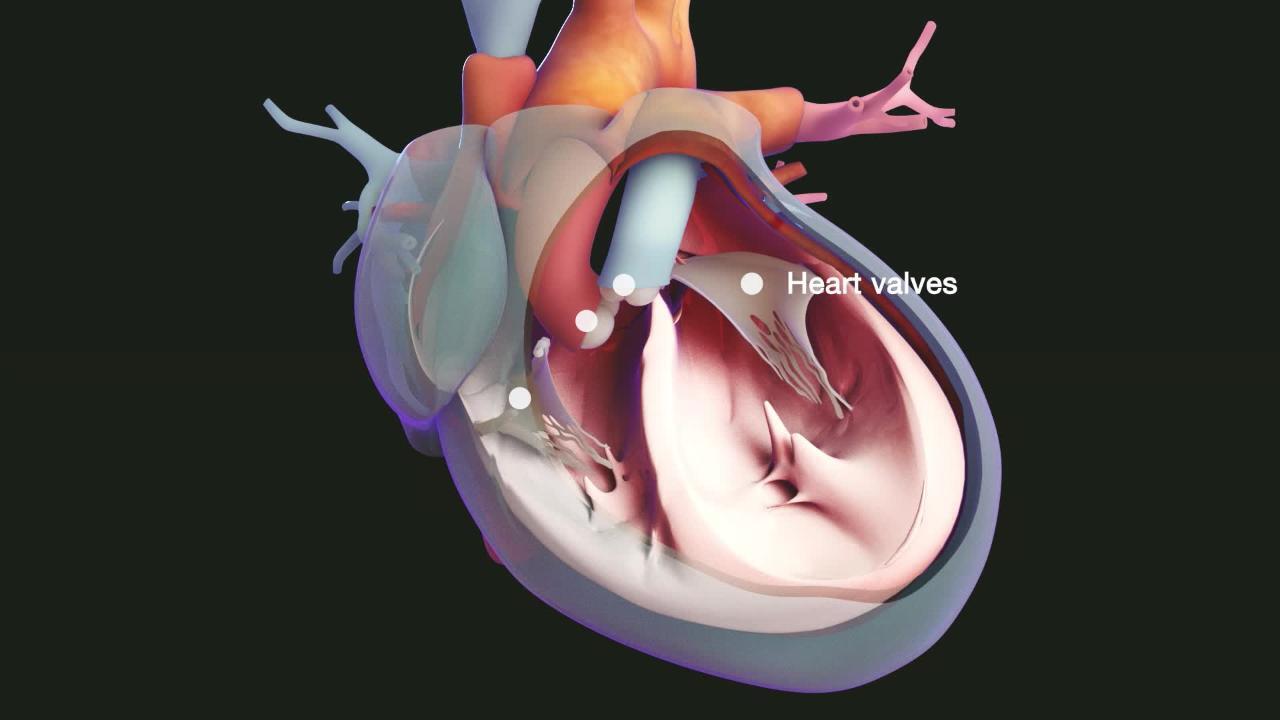
How cor pulmonale develops
Pulmonary hypertension is a condition in which blood pressure in the arteries of the lungs (the pulmonary arteries) is abnormally high. Lung disorders can cause pulmonary hypertension in several ways.
When oxygen levels are low for a long time, pulmonary arteries constrict and their walls become thickened. This constriction and thickening increase the pressure in the pulmonary arteries. Lung disorders that damage or decrease the amount of lung tissue (for example, emphysema) also decrease the number of blood vessels in the lungs. The decreased number of blood vessels increases pressure in the remaining vessels.
Once pulmonary hypertension develops, the right side of the heart has to work harder to pump blood through the lungs. The increased effort causes the heart muscle to become enlarged and thickened. If pulmonary hypertension continues long enough, the right side of the heart can no longer compensate by enlarging and thickening, and right-sided heart failure develops.
The most common lung disease that leads to cor pulmonale is chronic obstructive pulmonary disease (COPD). Other less common causes include pulmonary embolism, connective tissue diseases, pulmonary interstitial fibrosis, and obesity that reduces the ability to breathe.
Symptoms of Right Heart Failure and Cor Pulmonale
The most common symptoms of right heart failure are leg swelling and fatigue. Sometimes people feel a sensation of fullness in the abdomen or neck, abdominal pain, or a feeling of early fullness when eating.
Less specific symptoms include cool hands and feet and light-headedness when standing. Weight loss and muscle wasting are signs of severe heart failure, often of both ventricles.
Older adults with right heart failure, symptoms may include confusion, delirium, falls, sudden functional decline, nighttime urinary incontinence, and sleep disturbance. Coexisting cognitive impairment may be worsened by the heart failure.
Cor pulmonale may have few symptoms until heart failure symptoms develop. When symptoms do occur, people describe:
Shortness of breath during exertion
Light-headedness (particularly with exertion)
Fatigue
Diagnosis of Right Heart Failure
Echocardiography
A number of tests are available to help doctors diagnose right heart failure, but the diagnosis is often suspected on the basis of the physical examination. For example, by listening through a stethoscope, doctors can hear certain characteristic heart sounds that occur when the right ventricle becomes strained. The legs also become swollen, and veins in the neck enlarge.
Chest x-rays can show the enlarged right ventricle and pulmonary arteries.
Doctors evaluate the function of the left and right ventricles with echocardiography, magnetic resonance imaging (MRI) of the heart, radionuclide studies, and cardiac catheterization (to measure pressures in the heart chambers and lung arteries).
Treatment of Right Heart Failure and Cor Pulmonale
Identification and treatment of the underlying disorder
Medications to treat fluid retention and support the heart
For cor pulmonale, treatment of the underlying lung disease, and sometimes anticoagulants and medications that relax the lung arteries
Treatment of right heart failure begins with trying to identify and correct the cause. Diuretic medications can be used to relieve fluid overload and swelling. These medications must be given cautiously, though, because reducing fluid too much can make it even harder for the right heart to pump blood adequately. Other types of medications used include those to help the heart contract more efficiently and those to reduce the blood pressure in the lungs. As with left heart failure, if a serious rhythm problem is detected it is treated with medication.
Treatment of cor pulmonale is usually directed at the underlying lung disorder. Because people with cor pulmonale are at increased risk of pulmonary embolism, doctors may prescribe an anticoagulant to be taken long-term.