The mpox vaccine helps protect against mpox (formerly called monkeypox), which is a viral infection that causes a painful, blistering rash and cold-like symptoms. Because the mpox virus and the smallpox virus are similar, the vaccine can also provide immunity to smallpox (which is now eradicated worldwide).
Vaccine Type
There are 2 mpox vaccines available in the United States:

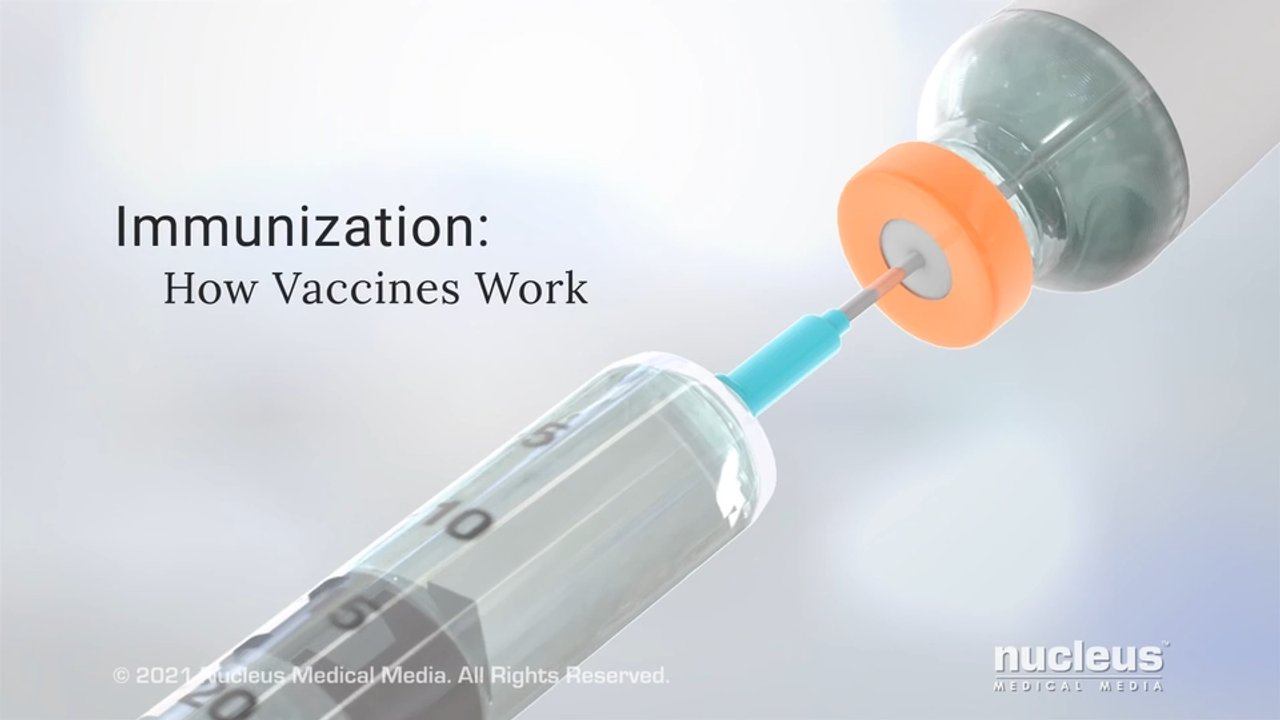
Immunization is the process of becoming immune to or protected against a disease usually by receiving a vaccine. Vaccines stimulate your immune system to protect you from certain diseases so you won't get sick or get an infection. Normally, the organs and cells of your immune system defend your body from harmful germs, such as bacteria and viruses.
Immune cells are constantly circulating through your body. They monitor certain substances on the surfaces of cells called antigens. Healthy cells have different antigens than diseased body cells or foreign invaders in the body. Immune cells usually ignore the antigens on healthy cells. But when immune cells come across antigens on germs, they destroy the germ. Afterward, the immune cell displays the germ's antigen on its surface. This activates other types of immune cells to help get rid of the infection. For example, some activated immune cells recognize the antigen on infected body cells and then destroy them.
Other activated immune cells, called plasma cells, make molecules called antibodies. These antibodies travel through your body and lock on only to germs that have its specific antigen. This marks the germ for destruction. Then other immune cells attack the germs that have these antibodies.
Once the infection is gone, some of the immune cells that were exposed to the antigen become memory immune cells. In the future, if the same type of germ infects your body again, the memory immune cells will be ready to destroy it so you don't get sick. This is called natural immunity. In many cases, it will last your whole lifetime. The problem with getting natural immunity from having the disease itself is that some naturally acquired infections can cause serious complications or may even be deadly. For example, polio can result in permanent paralysis or death. Measles can cause swelling of the brain resulting in permanent brain damage or death, especially in children under age 5. And whooping cough, also known as pertussis, can cause complications such as pneumonia, slowed or stopped breathing, and death, especially in babies under 1 year of age. While symptoms may not be severe in all people, it's not possible to know who will be affected enough to become very ill or even die. Vaccines can protect you from getting these diseases and their harmful symptoms.
Vaccines often contain a small amount of weakened or killed germs, but some contain genetic material such as RNA or DNA that provide instructions for your body's own cells to make the germ's antigen. Usually, you receive a vaccine as a shot. Inside your body, the germ particles in the vaccine teach your immune cells to attack these germs. This process doesn't make you sick, but it does cause your body to make memory cells and antibodies for those germs. As a result, if that germ infects your body later in life, your immune system is ready to fight the infection so that you don't get sick.
The main types of vaccines include:
Live-attenuated vaccines
Inactivated vaccines
Toxoid vaccines
Subunit and conjugate vaccines
mRNA vaccines
Viral vector vaccines
Live-attenuated vaccines use alive but weakened germs. They're most like a natural infection and provide a strong disease immunity. Examples are the measles, mumps, rubella; chicken pox; and flu nasal spray vaccines.
Inactivated vaccines use inactive or killed germs. You may need several doses or booster shots over time. Examples are the hepatitis A, flu, polio, and rabies vaccines.
Toxoid vaccines protect against harmful substances made by germs called toxins. They use weakened versions of the toxins called toxoids. You may need booster shots to maintain protection against diseases. Examples are the diphtheria and tetanus parts of the DTaP vaccine.
Subunit and conjugate vaccines use only a specific part of a germ. They provide strong immunity to that key part of the germ. These vaccines may also require booster shot. Examples are the pertussis part of the DTaP vaccine and the hepatitis B vaccine.
Instead of using germs or toxins, mRNA vaccines contain a special type of RNA called messenger RNA or mRNA. mRNA instructs your cells to make the germ's antigen, which triggers an immune response. These vaccines do not carry live virus and do not change your DNA. Examples are certain COVID-19 vaccines.
Viral vector vaccines may use either DNA or mRNA to provide cells with instructions to make a germ's antigen. The genetic material is wrapped in a different safe virus to take the instructions into your cells. These vaccines do not change your DNA. Examples are certain COVID-19 vaccines.
It's important to know that vaccines not only protect you but your community as well. Many diseases that vaccines prevent are spread from person to person. When only a few people in your community are vaccinated, the risk of a disease outbreak is high. But if most people are vaccinated, it's much less likely for a disease to spread. This is called community or herd immunity. Herd immunity is especially important to protect people who can't be vaccinated. This includes people with weakened immune systems, serious allergies, or other health conditions.
Vaccines protect you, your family, and your community from diseases that can be dangerous or even deadly. To find out more about vaccines, talk to your healthcare provider.
Replication-limited vaccine (also called modified vaccine Ankara or MVA)
Replication-competent vaccine
The replication-limited vaccine is a live-attenuated vaccine, which means it contains a weakened (attenuated) but still live version of the mpox virus. Because the virus in the vaccine is weakened, it cannot cause mpox infection, but it does trigger a strong response from a person's immune system (see Active immunization). It is the main vaccine used in the United States.
The replication-competent vaccine is a live vaccine made from a virus called vaccinia, which is a virus related to smallpox. Because this vaccine does not directly contain the smallpox virus, it cannot cause smallpox. However, because vaccinia is closely related to both smallpox and mpox, the vaccine can trigger a strong response to both from a person's immune system. Replication-competent vaccine is available for use against mpox in the United States under a special protocol. (See also Centers for Disease Control and Prevention [CDC]: About Smallpox Vaccines.)
Dose of and Recommendations for Mpox Vaccine
The replication-limited vaccine is given as an injection under the skin (preferably into the upper arm). Two doses are given 4 weeks apart.
The replication-competent vaccine is given by rapidly jabbing a small area 15 times with a needle that has been dipped in the vaccine vial. This is considered 1 dose. Then the vaccine site is covered with a dressing to prevent the vaccinia virus from spreading to other body sites or to other people. Vaccination is considered successful if a fluid-filled spot containing pus develops between approximately 6 days and 11 days later. If it does not appear, people are given another dose.
People who should receive this vaccine
The replication-limited vaccine is recommended for adults age 18 years and older who are at high risk of mpox (or smallpox), including pregnant people. The CDC also recommends this vaccine for people who have or may have been exposed to mpox (see CDC: Mpox Vaccination).
The replication-competent vaccine is also indicated for people 1 year of age and older who are at high risk of mpox (or smallpox).
Risk factors for mpox (or smallpox) infection include the following:
People who have had more than one sex partner within the past 6 months
People who need to be evaluated or treated for a sexually transmitted infection
People who have had sex at a commercial sex venue or at a large commercial event or have had sex in exchange for money, goods, or illicit drugs
Men who have sex with men
People who work in professions where they may be exposed to blood or other potentially infectious body fluids, such as health care, custodial, or public safety workers
Household contact and/or sexual contact with a person who has mpox
Known or suspected exposure a person who has mpox or who has any of the above risk factors
People who travel to areas where the infection is common or risk of exposure to the infection is high
Routine booster doses for either vaccine are not recommended at this time. However, in certain high-risk groups, such as health care workers and laboratory personnel in whom the risk of exposure is high, booster vaccination is recommended 2 to 10 years after the initial vaccination.
People who should not receive this vaccine
People who have a weakened immune system or have had a serious, life-threatening allergic reaction (such as an anaphylactic reaction) to any component in the replication-limited vaccine or to a previous dose of replication-limited vaccine should not receive it.
People who have any of the following should not receive the replication-competent vaccine:
Severely weakened immune system (caused by, for example, advanced HIV infection or medications that suppress the immune system)
Skin disorders (particularly atopic dermatitis [eczema])
Eye inflammation
Heart condition
Age under 1 year
Pregnancy
Side Effects of Mpox Vaccine
Side effects are typically mild and most commonly include pain, redness, swelling, and skin thickening at the injection site.
Serious side effects occur in a few people. The heart problems myocarditis and pericarditis have rarely been reported after people have received either of the vaccines, which suggests there may be an increased risk of these problems after vaccination. Vaccine recipients should seek medical attention right away if they have chest pain, shortness of breath, or feelings of having a fast-beating, fluttering, or pounding heart after vaccination.
For more information about side effects, see the package inserts.
More Information
The following English-language resource may be useful. Please note that The Manual is not responsible for the content of this resource.
Centers for Disease Control and Prevention (CDC): Smallpox-Monkeypox vaccine information statement