Search
SectionsIndexSymptoms
  • Cardiovascular Disorders
  • Clinical Pharmacology
  • Critical Care Medicine
  • Dental Disorders
  • Dermatologic Disorders
  • Ear, Nose, and Throat Disorders
  • Endocrine and Metabolic Disorders
  • Eye Disorders
  • Gastrointestinal Disorders
  • Genitourinary Disorders
  • Geriatrics
  • Gynecology and Obstetrics
  • Hematology and Oncology
  • Hepatic and Biliary Disorders
  • Immunology; Allergic Disorders
  • Infectious Diseases
  • Injuries; Poisoning
  • Musculoskeletal and Connective Tissue Disorders
  • Neurologic Disorders
  • Nutritional Disorders
  • Pediatrics
  • Psychiatric Disorders
  • Pulmonary Disorders
  • Special Subjects
ABCDEFGHI
JKLMNOPQR
STUVWXYZ
  • Abdominal Pain, Acute
  • Abdominal pain, Chronic
  • Alopecia
  • Amenorrhea
  • Amnesia
  • Anosmia
  • Bleeding, Excessive
  • Breast Lumps
  • Chest Pain
  • Constipation in Adults
  • Constipation in Children
  • Cough in Adults
  • Cough in Children
  • Crying
  • Diarrhea in Adults
  • Diarrhea in Children
  • Diplopia
  • Dizziness
  • Dry Mouth
  • Dysmenorrhea
  • Dyspepsia
  • Dysphagia
  • Dyspnea
  • Dysuria
  • Earache
  • Ear Discharge
  • Edema
  • Edema During Late Pregnancy
  • Epistaxis
  • Erectile dysfunction
  • Eyelid Swelling
  • Eye Pain
  • Fever
  • Fever, Acute, in Adults
  • Fever, Chronic (FUO)
  • Fever in Infants and Children
  • Floaters
  • Gas
  • Gastrointestinal Bleeding
  • Halitosis
  • Headache
  • Hearing Loss
  • Hearing Loss: Sudden Deafness
  • Hematospermia
  • Hematuria
  • Hemoptysis
  • Hiccups
  • Hirsutism
  • Insomnia and Excessive Daytime Sleepiness
  • Itching
  • Itching, Anal
  • Jaundice in Adults
  • Jaundice in Neonates
  • Joint Pain, Monarticular
  • Joint Pain, Polyarticular
  • Knee pain
  • Lump in Throat
  • Nasal Congestion and Rhinorrhea
  • Nausea and Vomiting During Early pPregnancy
  • Nausea and Vomiting in Adults
  • Nausea and Vomiting in Infants and Children
  • Neck and Back Pain
  • Neck Mass
  • Nipple Discharge
  • Orthostatis Hypotension
  • Pain
  • Pain, Chronic
  • Palpitations
  • Pelvic Pain
  • Pelvic Pain During Early Pregnancy
  • Polyuria
  • Priapism
  • Red Eye
  • Scrotal Pain
  • Sore Throat
  • Stomatitis
  • Stridor
  • Syncope
  • Tearing
  • Tinnitus
  • Toothache
  • Tremor
  • Urinary Frequency
  • Urinary Incontinence in Adults
  • Urinary Incontinence in Children
  • Urinary Retention
  • Urticaria
  • Vaginal Bleeding
  • Vaginal Bleeding During Early Pregnancy
  • Vaginal Bleeding During Late Pregnancy
  • Vaginal Itching and Discharge
  • Vision, Blurred
  • Vision Loss, Acute
  • Weakness, Generalized
  • Wheezing
In This Topic
Gastrointestinal Disorders
Esophageal and Swallowing Disorders
Esophageal Diverticula
Symptoms and Signs
Diagnosis
Treatment
Back to Top
Resources
  • About The Merck Manual
  • Ready Reference Guides
  • Trade Names of Some Commonly Used Drugs
  • Normal Laboratory Values
  • Clinical Calculators
  • Multimedia
  • Selected Links
Manuals available online
'/home/index.html' + bookPageLink
 
'/professional/index.html'
These and other Manuals available
in print, online, and as mobile applications.

See more at MerckManuals.com
Sections in Health Care Professionals
  • Cardiovascular Disorders
  • Clinical Pharmacology
  • Critical Care Medicine
  • Dental Disorders
  • Dermatologic Disorders
  • Ear, Nose, and Throat Disorders
  • Endocrine and Metabolic Disorders
  • Eye Disorders
  • Gastrointestinal Disorders
  • Genitourinary Disorders
  • Geriatrics
  • Gynecology and Obstetrics
  • Hematology and Oncology
  • Hepatic and Biliary Disorders
  • Immunology; Allergic Disorders
  • Infectious Diseases
  • Injuries; Poisoning
  • Musculoskeletal and Connective Tissue Disorders
  • Neurologic Disorders
  • Nutritional Disorders
  • Pediatrics
  • Psychiatric Disorders
  • Pulmonary Disorders
  • Special Subjects
Chapters in Gastrointestinal Disorders
  • Symptoms of GI Disorders
  • Approach to the GI Patient
  • Diagnostic and Therapeutic GI Procedures
  • GI Bleeding
  • Acute Abdomen and Surgical Gastroenterology
  • Esophageal and Swallowing Disorders
  • Gastritis and Peptic Ulcer Disease
  • Bezoars and Foreign Bodies
  • Pancreatitis
  • Gastroenteritis
  • Malabsorption Syndromes
  • Inflammatory Bowel Disease (IBD)
  • Diverticular Disease
  • Anorectal Disorders
  • Tumors of the GI Tract
  • Irritable Bowel Syndrome (IBS)
Topics in Esophageal and Swallowing Disorders
  • Overview of Swallowing Disorders
  • Dysphagia
  • Cricopharyngeal Incoordination
  • Obstructive Disorders
  • Motility Disorders
  • Esophageal Diverticula
  • Gastroesophageal Reflux Disease (GERD)
  • Hiatus Hernia
  • Infectious Esophageal Disorders
  • Mallory-Weiss Syndrome
  • Esophageal Rupture
 
  • Merck Manual
  • >
  • Health Care Professionals
  • >
  • Gastrointestinal Disorders
  • >
  • Esophageal and Swallowing Disorders
  • 4
 
Esophageal Diverticula

Share This

An esophageal diverticulum is an outpouching of mucosa through the muscular layer of the esophagus. It can be asymptomatic or cause dysphagia and regurgitation. Diagnosis is made by barium swallow; surgical repair is rarely required.

Photographs

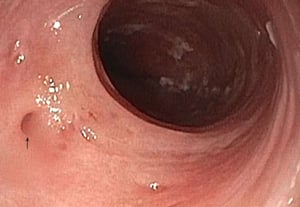
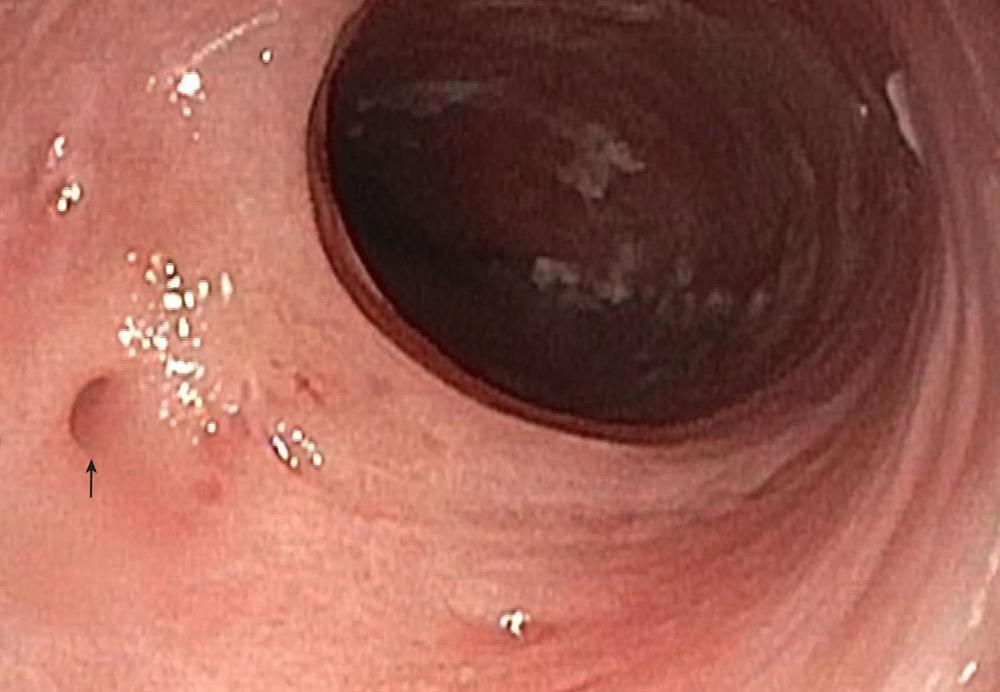
Esophageal Diverticula

Esophageal Diverticula

There are several types of esophageal diverticula, each of different origin.

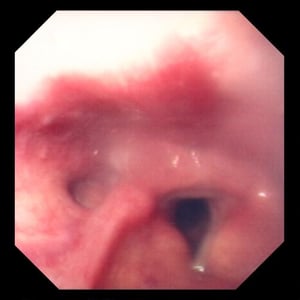
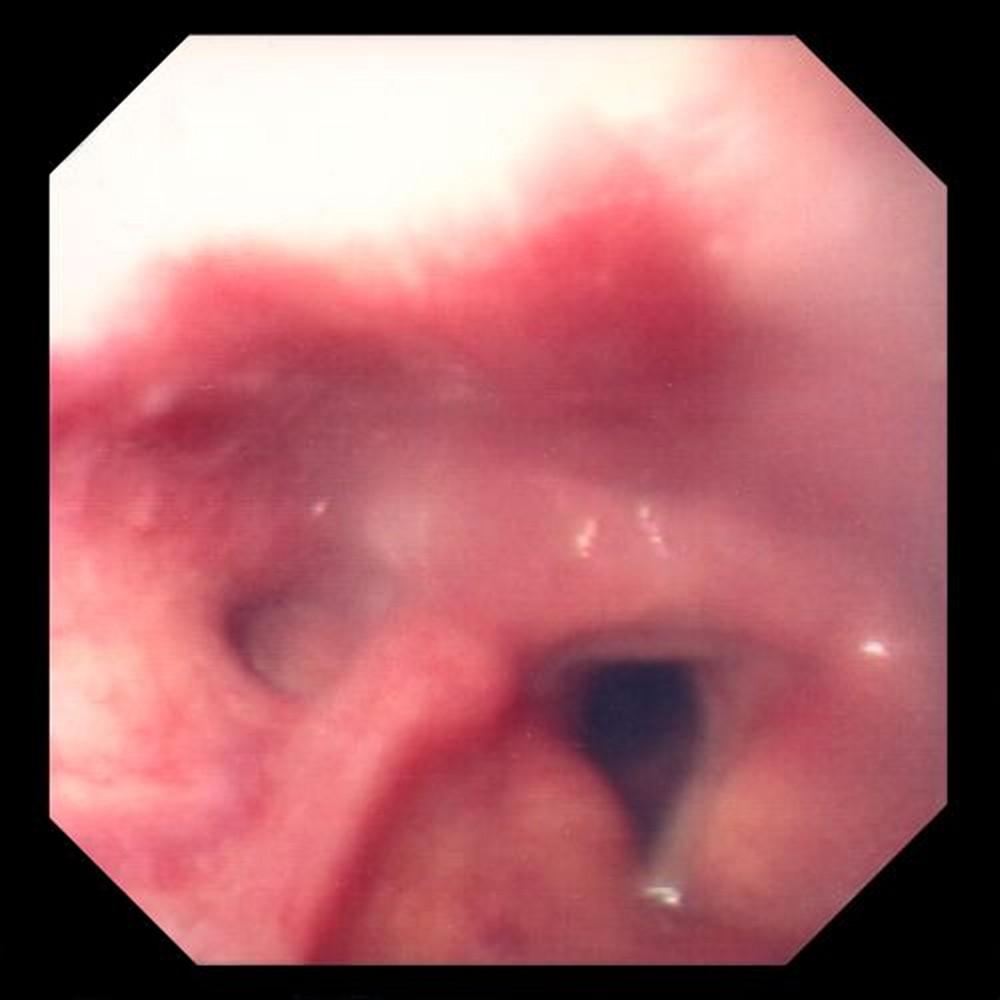
  • Zenker's (pharyngeal) diverticula are posterior outpouchings of mucosa and submucosa through the cricopharyngeal muscle, probably resulting from an incoordination between pharyngeal propulsion and cricopharyngeal relaxation.
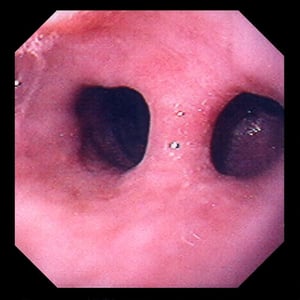
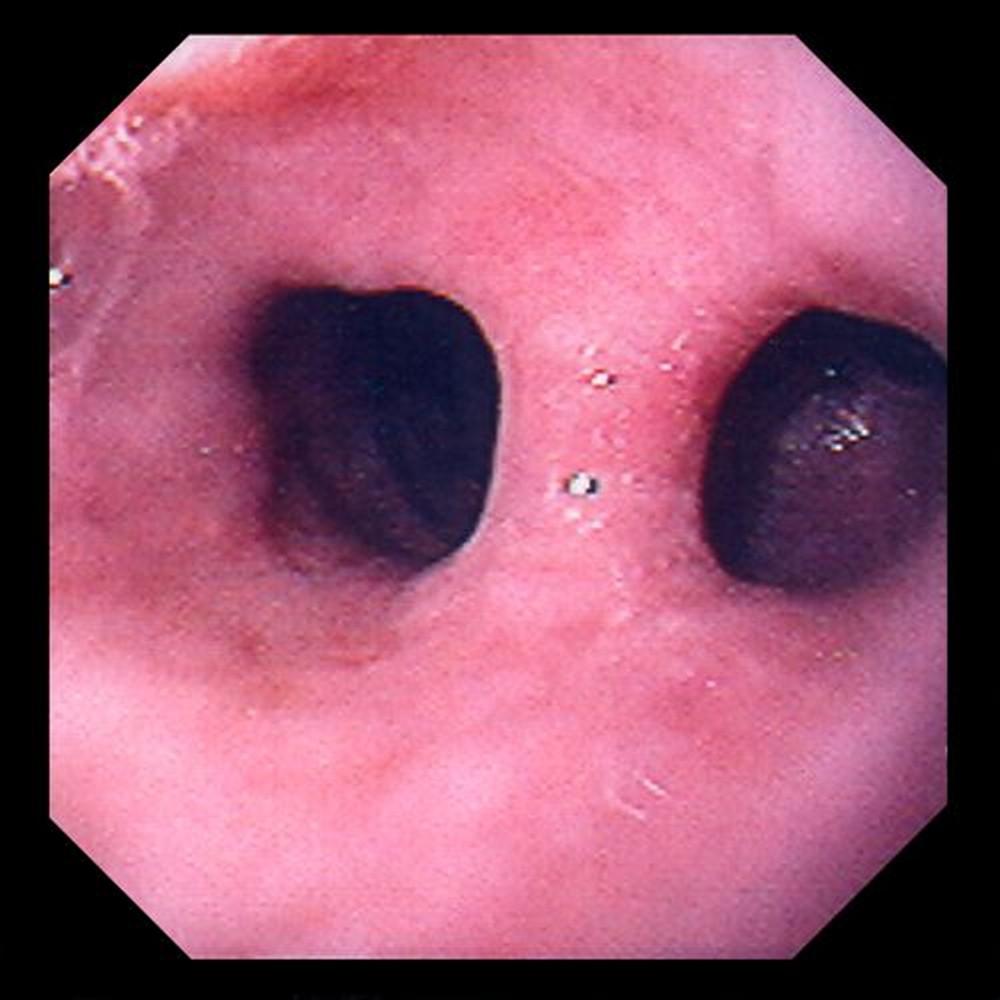
  • Midesophageal (traction) diverticula are caused by traction from mediastinal inflammatory lesions or, secondarily, by motility disorders.
  • Epiphrenic diverticula occur just above the diaphragm and usually accompany a motility disorder (achalasia, diffuse esophageal spasm).
Photographs

Zenker's Diverticulum

Zenker's Diverticulum
Photographs

Traction Diverticulum

Traction Diverticulum

Symptoms and Signs

A Zenker's diverticulum fills with food that might be regurgitated when the patient bends or lies down. Aspiration pneumonitis may result if regurgitation is nocturnal. Rarely, the pouch becomes large, causing dysphagia and sometimes a palpable neck mass.

Traction and epiphrenic diverticula are rarely symptomatic, although their underlying cause may be.

Diagnosis

All diverticula are diagnosed by videotaped barium swallow.

Treatment

  • Usually none
  • Sometimes surgical resection

Specific treatment is usually not required, although resection is occasionally necessary for large or symptomatic diverticula. Diverticula associated with motility disorders require treatment of the primary disorder. For example, case reports suggest doing a cricopharyngeal myotomy when resecting a Zenker's diverticulum.

Last full review/revision October 2007 by Michael C. DiMarino, MD

Content last modified February 2012

Buy the Book

Mobile Versions

Back to Top

Previous: Motility Disorders

Next: Gastroesophageal Reflux Disease (GERD)

Audio
Figures
Photographs
Sidebars
Tables
Videos

Copyright     © 2010-2013 Merck Sharp & Dohme Corp., a subsidiary of Merck & Co., Inc., Whitehouse Station, N.J., U.S.A.    Privacy    Terms of Use