Gonorrhea is caused by the bacterium Neisseria gonorrhoeae. It typically infects epithelia of the urethra, cervix, rectum, pharynx, or conjunctivae, causing irritation or pain and purulent discharge. Dissemination to skin and joints, which is uncommon, causes sores on the skin, fever, and migratory polyarthritis or pauciarticular septic arthritis. Diagnosis is by microscopy, culture, or nucleic acid amplification tests. Several oral or injectable antibiotics can be used, but drug resistance is an increasing problem.
(See also Overview of Sexually Transmitted Infections.)
N. gonorrhoeae is a gram-negative diplococcus that occurs only in humans and is almost always transmitted by sexual contact. Urethral and cervical infections are most common, but infection in the pharynx or rectum can occur after oral or anal intercourse, and conjunctivitis may follow contamination of the eye.
After an episode of vaginal intercourse, likelihood of transmission from women to men is approximately 22% (1), but from men to women, it may be higher. Transmission rate via receptive anal intercourse among men who have sex with men is as high as 42% when condoms are not used consistently (2). In the Unites States, there are over 1.5 million new infections annually (3).
Neonates can acquire conjunctival infection during passage through the birth canal, and children may acquire gonorrhea as a result of sexual abuse.
In 10 to 20% of untreated women with gonococcal cervicitis, infection ascends via the endometrium to the fallopian tubes (salpingitis) and pelvic peritoneum, causing pelvic inflammatory disease (PID) (4). Chlamydiae or intestinal bacteria may also cause PID. Gonorrheal cervicitis is commonly accompanied by dysuria or inflammation of Skene ducts and Bartholin glands. In a small fraction of men, ascending urethritis progresses to epididymitis.
Disseminated gonococcal infection (DGI) due to hematogenous spread occurs in < 1% of people, predominantly in women (5). DGI typically affects the skin, tendon sheaths, and joints. Joint involvement can manifest as a migratory arthritis or tenosynovitis, typically of small joints, or as a mono- or oligoarthritis of the knee, ankle, wrist, or elbow (see Gonococcal arthritis). Pericarditis, endocarditis, meningitis, and perihepatitis occur rarely.
Coinfection with Chlamydia trachomatis occurs in approximately 10 to 40% of people, varying by specific population (6).
General references
1. Holmes KK, Johnson DW, Trostle HJ. An estimate of the risk of men acquiring gonorrhea by sexual contact with infected females. Am J Epidemiol. 1970;91(2):170-174. doi:10.1093/oxfordjournals.aje.a121125
2. Dutt K, Chow EP, Huffam S, et al. High prevalence of rectal gonorrhoea among men reporting contact with men with gonorrhoea: Implications for epidemiological treatment. BMC Public Health. 2015;15:658. Published 2015 Jul 14. doi:10.1186/s12889-015-1971-3
3. Workowski KA, Bachmann LH, Chan PA, et al. Sexually Transmitted Infections Treatment Guidelines, 2021. MMWR Recomm Rep. 2021;70(4):1-187. Published 2021 Jul 23. doi:10.15585/mmwr.rr7004a1. Erratum: Vol. 70, No. RR-4. MMWR Morb Mortal Wkly Rep. 2023;72(4):107-108. Published 2023 Jan 27. doi:10.15585/mmwr.mm7204a5
4. LeFevre ML; U.S. Preventive Services Task Force. Screening for Chlamydia and gonorrhea: U.S. Preventive Services Task Force recommendation statement. Ann Intern Med. 2014;161(12):902-910. doi:10.7326/M14-1981LeFevre ML; U.S. Preventive Services Task Force. Screening for Chlamydia and gonorrhea: U.S. Preventive Services Task Force recommendation statement. Ann Intern Med. 2014;161(12):902-910. doi:10.7326/M14-1981
5. Weston EJ, Heidenga BL, Farley MM, et al. Surveillance for Disseminated Gonococcal Infection Clin Infect Dis. 2022;75(6):953-958. doi:10.1093/cid/ciac052
6. Creighton S. Gonorrhoea. BMJ Clin Evid. 2014;2014:1604. Published 2014 Feb 21.
Symptoms and Signs of Gonorrhea
Most women with urogenital gonorrheal infection are asymptomatic (approximately 90%), whereas reported rates of asymptomatic infection in men varies (approximately 56 to 87%) (1).
Male urethritis has an incubation period of 2 to 14 days. Onset is usually marked by mild discomfort in the urethra, followed by more severe penile tenderness and pain, dysuria, and a purulent discharge. Urinary frequency and urgency may develop as the infection spreads to the posterior urethra. During examination, a purulent, yellow-green urethral discharge may be detected, and the meatus may be inflamed.

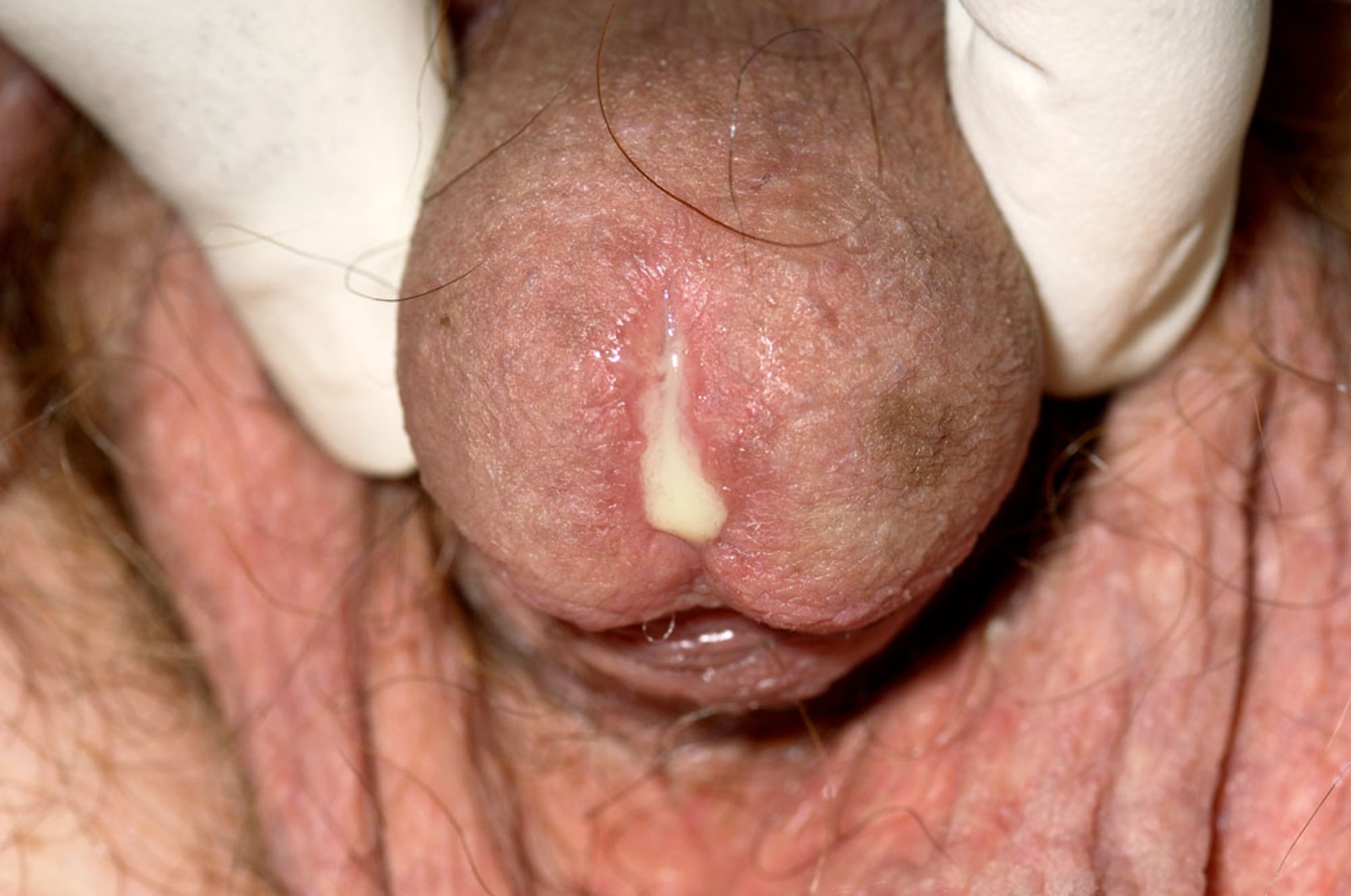
This photo shows purulent urethral discharge in a patient with gonorrhea.
DR P. MARAZZI/SCIENCE PHOTO LIBRARY
Epididymitis usually causes unilateral scrotal pain, tenderness, and swelling. Rarely, men develop abscesses of Tyson and Littré glands, periurethral abscesses, or infection of Cowper glands, the prostate, or the seminal vesicles.
Cervicitis usually has an incubation period of > 10 days. Symptoms range from mild to severe and include dysuria and vaginal discharge. During pelvic examination, clinicians may note a mucopurulent or purulent cervical discharge, and the cervical os may be red and bleed easily when touched with the speculum. Urethritis may occur concurrently; pus may be expressed from the urethra when the symphysis pubis is pressed or from Skene glands or Bartholin glands. Rarely, infections may occur in prepubertal girls resulting from sexual abuse. These patients may present with dysuria, purulent vaginal discharge, and vulvar irritation, erythema, and edema.

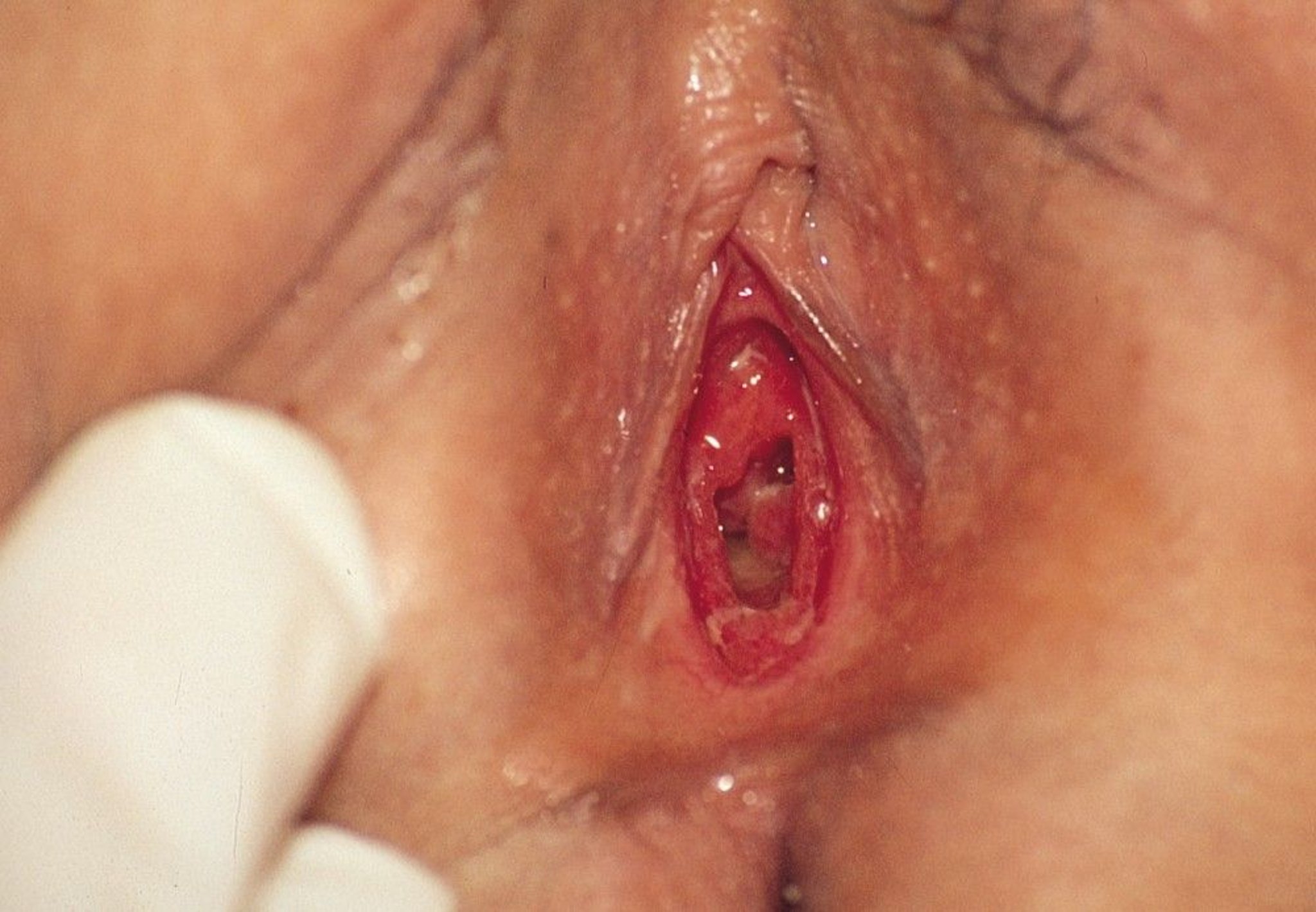
This photo shows a yellowish vaginal discharge in a child with a history of suspected sexual assault.
© Springer Science+Business Media

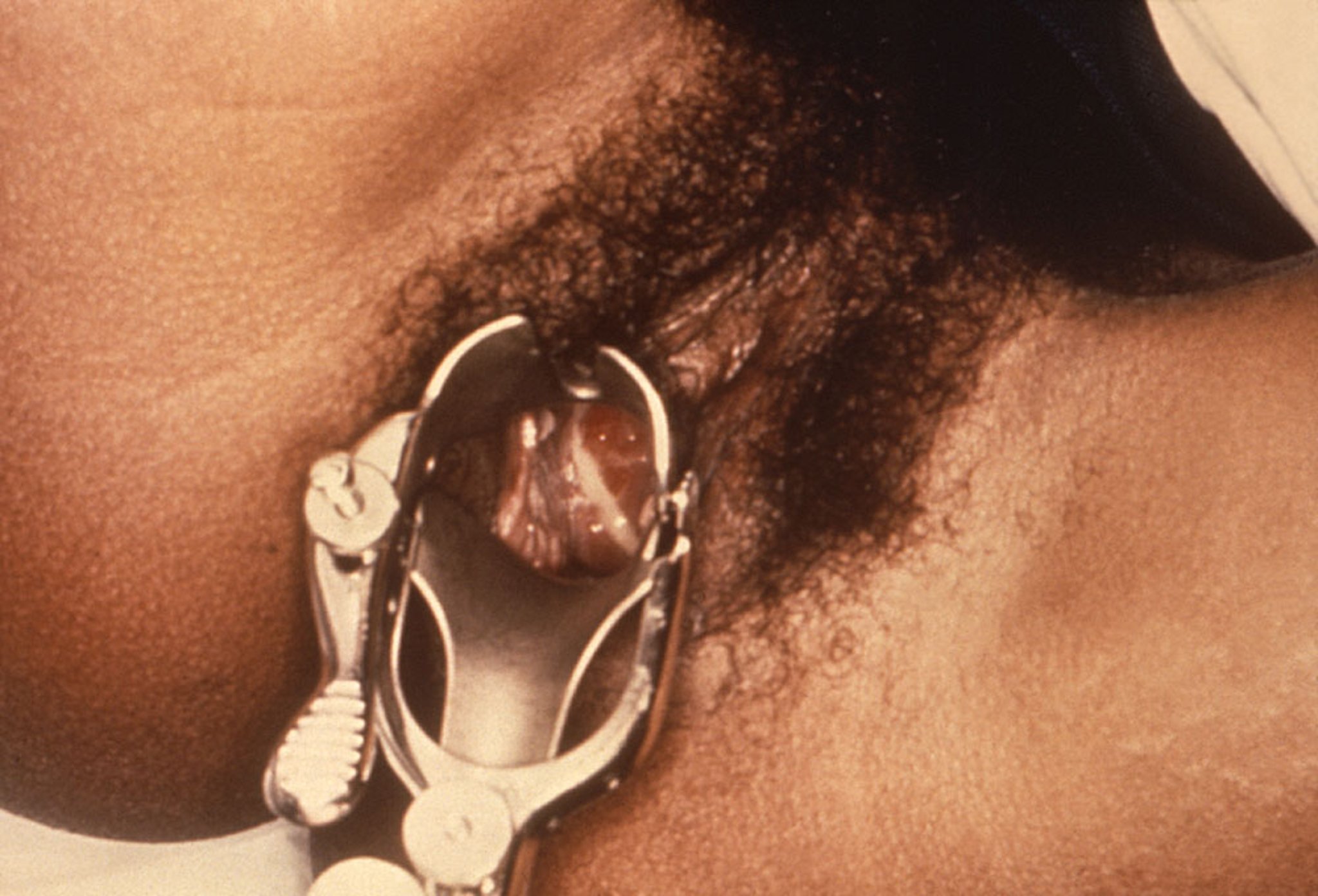
This photo shows purulent cervical discharge in a patient with gonorrhea.
CDC
Pelvic inflammatory disease occurs in 10 to 20% of infected women (2). PID may include salpingitis, pelvic peritonitis, and pelvic abscesses and may cause lower abdominal discomfort (typically bilateral), dyspareunia, and marked tenderness on palpation of the abdomen, adnexa, or cervix.
Fitz-Hugh-Curtis syndrome is gonococcal (or chlamydial) perihepatitis that occurs predominantly in women and causes right upper quadrant abdominal pain, fever, nausea, and vomiting, often mimicking biliary or hepatic disease.
Rectal gonorrhea is usually asymptomatic. It occurs predominantly in men practicing receptive anal intercourse and can occur in women who participate in anal sex. Symptoms include rectal itching, a cloudy rectal discharge or pus-coated stool, perianal irritation, bleeding, and constipation—all of varying severity. Examination with a proctoscope may detect erythema or mucopurulent exudate on the rectal wall.
Gonococcal pharyngitis is usually asymptomatic but may cause sore throat. N. gonorrhoeae must be distinguished from N. meningitidis and other closely related organisms that are often present in the throat without causing symptoms or harm.
Gonococcal conjunctivitis may cause conjunctival injection, purulent discharge, and swelling.
Disseminated gonococcal infection (DGI), also called arthritis-dermatitis syndrome, is caused by bacteremia and typically manifests with fever, migratory pain or joint swelling (arthritis), and pustular skin lesions. In some patients, pain develops and tendons (eg, at the wrist or ankle) redden or swell. Skin lesions occur typically on the arms or legs, have an erythematous base, and are small, slightly painful, and often pustular. Rarely, DGI can cause endocarditis or central nervous system infection. Genital gonorrhea, the usual source of disseminated infection, may be asymptomatic. DGI can mimic other disorders that cause fever, skin lesions, and polyarthritis (eg, the prodrome of hepatitis B infection or meningococcemia); some of these other disorders (eg, reactive arthritis) also cause genital symptoms.

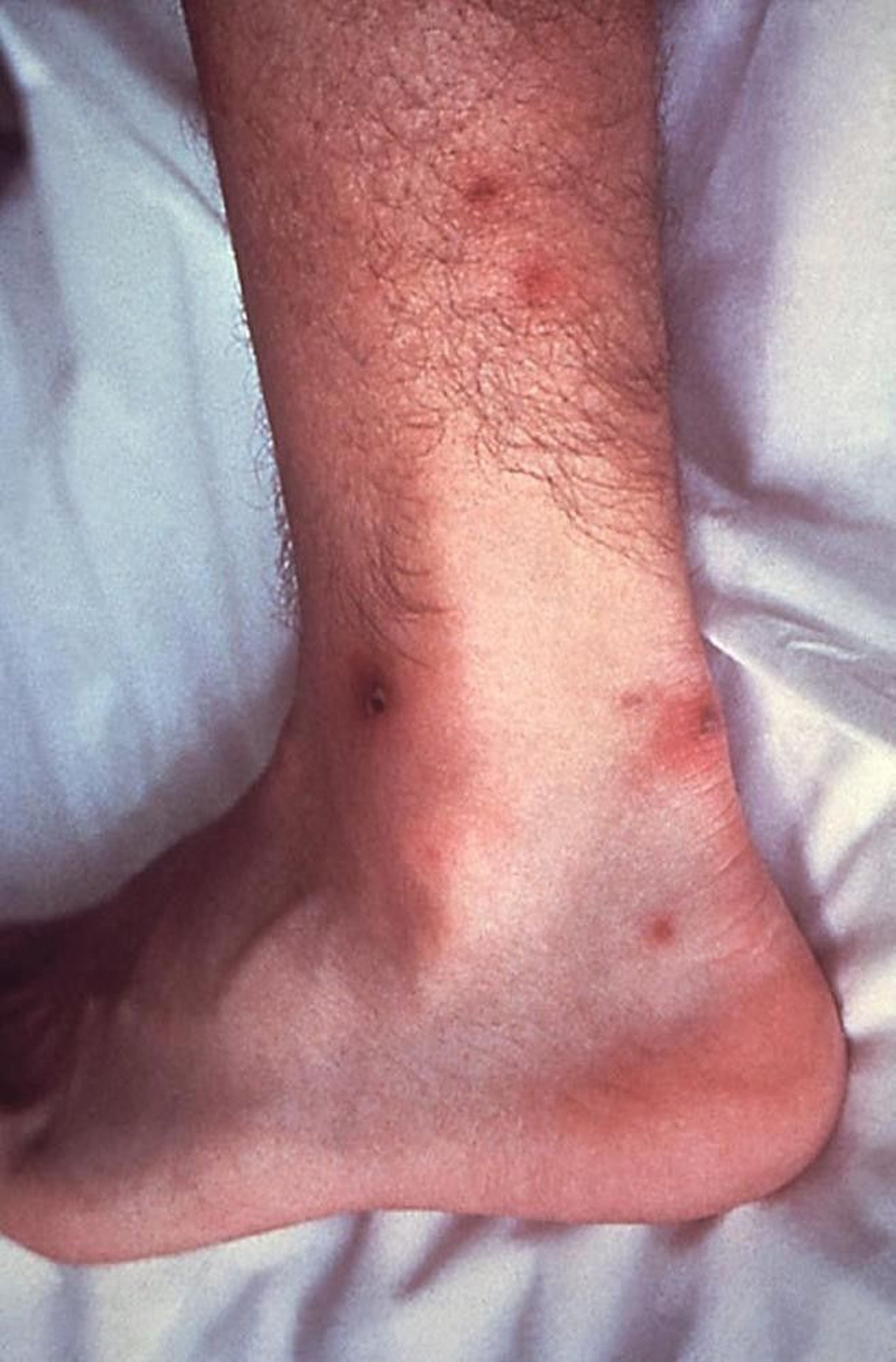
This photo shows characteristic skin lesions of disseminated gonococcal infection.
Image courtesy of Dr. S. E. Thompson and J. Pledger via the Public Health Image Library of the Centers for Disease Control and Prevention.
Gonococcal septic arthritis is a more localized form of DGI that results in a painful arthritis with effusion, usually of 1 or 2 large joints such as the knees, ankles, wrists, or elbows. Some patients present with or have a history of skin lesions of DGI. Onset is often acute, usually with fever, severe joint pain, and limitation of movement. Infected joints are swollen, and the overlying skin may be warm and red.
Symptoms and signs references
1. Tuddenham S, Hamill MM, Ghanem KG. Diagnosis and Treatment of Sexually Transmitted Infections: A Review. JAMA. 2022;327(2):161-172. doi:10.1001/jama.2021.23487
2. Workowski KA, Bachmann LH, Chan PA, et al. Sexually Transmitted Infections Treatment Guidelines, 2021. MMWR Recomm Rep. 2021;70(4):1-187. Published 2021 Jul 23. doi:10.15585/mmwr.rr7004a1. Erratum: Vol. 70, No. RR-4. MMWR Morb Mortal Wkly Rep. 2023;72(4):107-108. Published 2023 Jan 27. doi:10.15585/mmwr.mm7204a5
Diagnosis of Gonorrhea
Nucleic acid amplification tests (NAATs)
Gram staining and culture
Gonorrhea is diagnosed when gonococci are detected via a nucleic acid–based test, microscopic examination using Gram stain, or culture of genital fluids, blood, or joint fluids (obtained by needle aspiration).
NAATs may be performed on genital, rectal, or oral swabs and can detect both gonorrhea and chlamydia. NAATs further increase the sensitivity adequately to enable testing of urine samples in both sexes.
Gram stain is sensitive and specific for gonorrhea in men with urethral discharge; gram-negative intracellular diplococci typically are seen. Gram stain is much less accurate for infections of the cervix, pharynx, and rectum and is not recommended for diagnosis at these sites.
Culture is sensitive and specific, but because gonococci are fragile and fastidious, samples taken using a swab need to be rapidly plated on an appropriate medium (eg, modified Thayer-Martin) and transported to the laboratory in a carbon dioxide–containing environment. Blood and joint fluid samples should be sent to the laboratory with notification that gonorrhea is suspected. Because NAATs have replaced culture in most laboratories, finding a laboratory that can provide culture and sensitivity testing may be difficult and require consultation with a public health or infectious disease specialist.
Meningococcal urethritis has been found as a cause of nongonococcal urethritis at some sexually transmitted infection centers in the United States (1). Neisseria meningitidis cannot be distinguished from N. gonorrhoeae on Gram stain and has similar colony morphology appearance on culture. The diagnosis of presumed gonococcal urethritis on the basis of Gram stain with gram-negative diplococci but negative NAAT for gonorrhea requires confirmation of the Neisseria species by culture.
In the United States, confirmed cases of gonorrhea, chlamydia, and syphilis must be reported to the public health system. Serologic tests for syphilis (STS) and HIV infection and NAAT to screen for chlamydia should also be performed.
Men with urethritis
Men with obvious urethral discharge may be treated presumptively if likelihood of follow-up is questionable or if clinic-based diagnostic tools are not available.
Samples for Gram staining can be obtained by touching a swab or slide to the end of the penis to collect discharge. Gram stain does not identify chlamydiae, so urine or swab samples for NAAT are obtained.
Women with cervicitis or pelvic inflammatory disease
A cervical swab should be sent for culture or NAAT. If a pelvic examination is not possible, NAAT of a urine sample or self-collected vaginal swab can detect gonococcal (and chlamydial) infections rapidly and reliably.
Pharyngeal or rectal exposures
Swabs of the affected area are sent for culture or NAAT.
Arthritis, disseminated gonococcal infection (DGI), or both
An affected joint should be aspirated, and fluid should be sent for culture and routine analysis (see arthrocentesis). Patients with skin lesions, systemic symptoms, or both should have blood, urethral, cervical, and rectal cultures or NAAT. In about 30 to 40% of patients with DGI, blood cultures are positive during the first week of illness. With gonococcal arthritis, blood cultures are less often positive, but cultures of joint fluids are usually positive. Joint fluid is usually cloudy to purulent because of large numbers of white blood cells (typically > 20,000/mcL).
Diagnosis reference
1. Bazan JA, Peterson AS, Kirkcaldy RD, et al. Notes from the field. Increase in Neisseria meningitidis–associated urethritis among men at two sentinel clinics — Columbus, Ohio, and Oakland County, Michigan, 2015. MMWR Morb Mortal Wkly Rep. 2016;65:550–552. doi:10.15585/mmwr.mm6521a5
Screening for Gonorrhea
Asymptomatic patients considered at high risk of sexually transmitted infections (STIs) can be screened by NAAT of urine samples, thus not requiring invasive procedures to collect samples from genital sites. The following are based on screening recommendations from the Centers for Disease Control and Prevention and the U.S. Preventive Services Task Force (1, 2).
Women are screened annually if they are sexually active and < 25 years of age or if they are ≥ 25 years of age, sexually active, and have one or more of the following risk factors:
Have a history of a prior STI
Sexual activity with increased risk of exposure (eg, have a new sex partner or more than 1 sex partner; engage in sex work; or use condoms inconsistently when not in a mutually monogamous relationship)
Have a partner who has an STI or who has concurrent sex partners
Pregnant patients who are < 25 years or who are ≥ 25 years with one or more of the risk factors are screened during the first prenatal visit and again during the third trimester for women who are < 25 or at high risk. Pregnant patients with gonorrhea that has been treated should be retested within 3 months.
Men who have sex with men are screened at least annually if they have been sexually active within the previous year (for insertive intercourse, urine screen; for receptive intercourse, rectal swab; and for oral intercourse, pharyngeal swab), regardless of condom use. Those at increased risk (eg, with HIV infection, receive preexposure prophylaxis with antiretrovirals, have multiple sex partners, or whose partner has multiple partners) should be screened more frequently, at 3- to 6-month intervals.
Transgender and gender diverse people are screened if they are sexually active on the basis of sexual practices and anatomy (eg, annual screening for all people with a cervix who are < 25 years old; if ≥ 25 years old, people with a cervix should be screened annually if at increased risk; rectal swab based on reported sexual behaviors and exposure).
There is insufficient evidence for screening men not included in the categories above who are at low risk of infection. Screening may be offered, however, either on request or in clinical settings with a high prevalence of chlamydia (eg, adolescent clinics, STI clinics, correctional facilities).
Screening references
1. Workowski KA, Bachmann LH, Chan PA, et al. Sexually Transmitted Infections Treatment Guidelines, 2021. MMWR Recomm Rep. 2021;70(4):1-187. Published 2021 Jul 23. doi:10.15585/mmwr.rr7004a1. Erratum: Vol. 70, No. RR-4. MMWR Morb Mortal Wkly Rep. 2023;72(4):107-108. Published 2023 Jan 27. doi:10.15585/mmwr.mm7204a5
2. U.S. Preventive Services Task Force: Final Recommendation Statement: Chlamydia and Gonorrhea: Screening. 2021.
Treatment of Gonorrhea
For uncomplicated infection, a single dose of ceftriaxone
Concomitant treatment for chlamydia
Treatment of sex partners within the past 60 days and/or the most recent sex partner
For disseminated gonococcal infection (DGI) with arthritis, a longer course of parenteral antibiotics
Uncomplicated gonococcal infection of the urethra, cervix, rectum, and pharynx is treated with the following:
A single dose of ceftriaxone 500 mg IM (1 g IM for patients weighing ≥ 150 kg)
If ceftriaxone is not available, patients can be given a single dose of cefixime 800 mg orally.
If chlamydial infection has not been excluded, treat for chlamydia with doxycycline 100 mg orally 2 times a day for 7 days (or a single dose of azithromycin 1 g orally for patients allergic to doxycycline).
Patients who are allergic to cephalosporins (including ceftriaxone) are treated with the following:
A single dose of gentamicin 240 mg IM plus a single dose of azithromycin 2 g orally
For strains of Neisseria gonorrhoeae that are resistant to ceftriaxone and other cephalosporins, a single dose of intramuscular gentamicin 240 mg plus oral azithromycin 2g can be used (1). Other medications that may be effective for cephalosporin-resistant gonorrhea include, ertapenem, gepotidacin, and zoliflodacin (2, 3, 4).
Pregnant patients should be treated with a single dose of ceftriaxone as above; expert consultation should be sought for patients who are allergic. Chlamydia should be excluded or treated (1).
DGI with gonococcal arthritis is initially treated with IM or IV antibiotics (eg, ceftriaxone 1 g IM or IV every 24 hours, ceftizoxime 1 g IV every 8 hours, cefotaxime 1 g IV every 8 hours) continued for 24 to 48 hours after symptoms improve, followed by oral therapy guided by antimicrobial susceptibility testing, for a total treatment course of at least 7 days. If chlamydia has not been excluded, doxycycline 100 mg orally 2 times a day for 7 days (1) should be added.
Gonococcal purulent arthritis usually requires repeated synovial fluid drainage either with repeated arthrocentesis or arthroscopically. Initially, the joint is immobilized in a functional position. Passive range-of-motion exercises should be started as soon as patients can tolerate them. Once pain subsides, more active exercises, with stretching and muscle strengthening, should begin. Over 95% of patients treated for gonococcal arthritis recover complete joint function. Because sterile joint fluid accumulations (effusions) may develop and persist for prolonged periods, an anti-inflammatory medication may be beneficial.
Posttreatment cultures are unnecessary if symptomatic response is adequate. However, for patients with symptoms for > 7 days, specimens should be obtained, cultured, and tested for antimicrobial sensitivity.
Patients should abstain from sexual activity until treatment is completed to avoid infecting sex partners.
Sex partners
All sex partners who have had sexual contact with the patient within 60 days or who are the most recent sex partner should be tested for gonorrhea and other STIs and treated if results are positive. Sex partners with contact within 2 weeks should be treated presumptively for gonorrhea (epidemiologic treatment).
Expedited partner therapy (EPT) is a practice in which patients with an infection are given a prescription or medications to deliver to their partner without a health care professional first examining the partner. EPT may enhance partner adherence and reduce treatment failure due to reinfection. It may be most appropriate for partners of women with gonorrhea or chlamydia. However, a health care examination is preferable to ascertain histories of medication allergies and to screen for other STIs (1).
Postexposure prophylaxis with doxycycline taken orally within 72 hours of condomless sex has been shown to significantly reduce the incidence of chlamydia, gonorrhea, and syphilis in men who have sex with men and transgender women (5). This is true despite resistance to doxycycline in some strains of gonorrhea.
Treatment references
1. Workowski KA, Bachmann LH, Chan PA, et al. Sexually Transmitted Infections Treatment Guidelines, 2021. MMWR Recomm Rep. 2021;70(4):1-187. Published 2021 Jul 23. doi:10.15585/mmwr.rr7004a1. Erratum: Vol. 70, No. RR-4. MMWR Morb Mortal Wkly Rep. 2023;72(4):107-108. Published 2023 Jan 27. doi:10.15585/mmwr.mm7204a5
2. Ross JDC, Wilson J, Workowski KA, et al. Oral gepotidacin for the treatment of uncomplicated urogenital gonorrhoea (EAGLE-1): a phase 3 randomised, open-label, non-inferiority, multicentre study. Lancet. 2025;405(10489):1608-1620. doi:10.1016/S0140-6736(25)00628-2
3. Luckey A, Balasegaram M, Barbee LA, et al. Zoliflodacin versus ceftriaxone plus azithromycin for treatment of uncomplicated urogenital gonorrhoea: an international, randomised, controlled, open-label, phase 3, non-inferiority clinical trial. Lancet. 2026;407(10524):147-160. doi:10.1016/S0140-6736(25)01953-1
4. de Vries HJC, de Laat M, Jongen VW, et al. Efficacy of ertapenem, gentamicin, fosfomycin, and ceftriaxone for the treatment of anogenital gonorrhoea (NABOGO): a randomised, non-inferiority trial. Lancet Infect Dis. 2022;22(5):706-717. doi:10.1016/S1473-3099(21)00625-3
5. Bachmann LH, Barbee LA, Chan P, et al. CDC Clinical Guidelines on the Use of Doxycycline Postexposure Prophylaxis for Bacterial Sexually Transmitted Infection Prevention, United States, 2024. MMWR Recomm Rep. 2024;73(2):1-8. Published 2024 Jun 6. doi:10.15585/mmwr.rr7302a1
Key Points
Neisseria gonorrhoeae infection typically causes uncomplicated infection of the urethra, cervix, rectum, pharynx, and/or conjunctivae.
Sometimes gonorrhea spreads to the adnexa, causing salpingitis, or disseminates to skin and/or joints, causing skin lesions or septic arthritis.
Diagnose using nucleic acid amplification tests (NAATs), but culture and sensitivity testing should be performed when needed to detect antimicrobial resistance.
Use NAATs to screen high-risk patients.
Treat uncomplicated infection with a single dose of ceftriaxone 500 mg IM (1 g IM for patients weighing ≥ 150 kg); add oral doxycycline (100 mg 2 times a day for 7 days) when chlamydia has not been excluded.
Drug Information for the Topic