Nasal polyps are fleshy outgrowths of the mucous membrane of the nose.
Nasal polyps are more likely to develop in people who have allergies or asthma as a result of chronic inflammation in the nasal cavity and sinuses.
Some of the symptoms caused by polyps are nasal obstruction and congestion.
Doctors usually diagnose nasal polyps based on their characteristic appearance.
Steroids, also sometimes referred to as glucocorticoids or corticosteroids, can shrink or eliminate polyps, but sometimes polyps must be removed surgically.
Nasal polyps are common teardrop-shaped fleshy growths that form around the openings to the sinus cavities and within the nose. A mature polyp resembles a peeled, seedless grape. Unlike polyps in the colon or bladder, polyps in the nose are not tumors and do not suggest an increased risk of cancer. They are merely a reflection of inflammation, although there may be a family history of the problem.

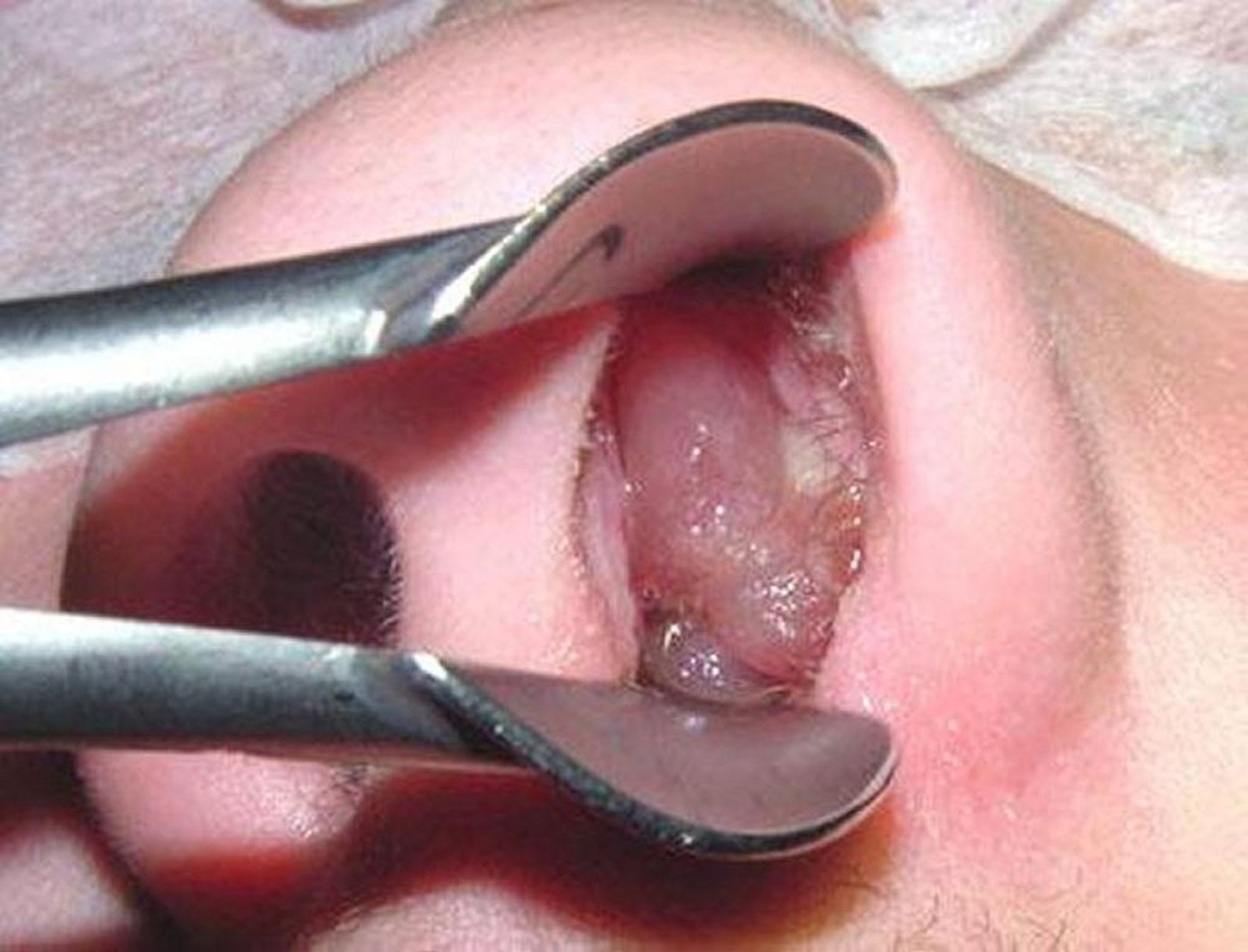
A nasal polyp can resemble a peeled, seedless grape.
Image provided by Bechara Ghorayeb, MD.

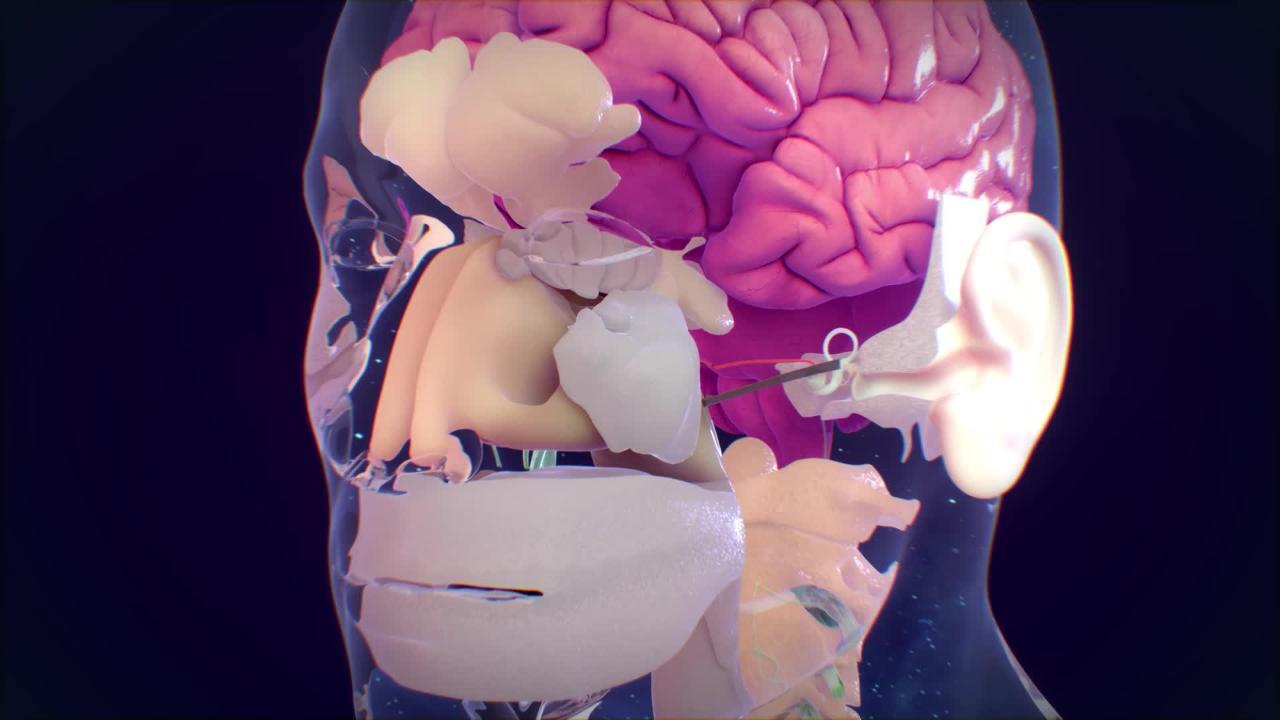
Polyps may develop during nasal or sinus infections and may disappear after the infection subsides, or they may begin slowly and persist. Nasal polyps also can form if a foreign body is in the nose. Some people who are allergic to aspirin and other nonsteroidal anti-inflammatory drugs (NSAIDs) have a combination of asthma, chronic nasal and sinus congestion, and nasal polyps. People with nasal polyps can develop sinus infections if the polyps block drainage from the sinuses. Rarely, people develop rhinosporidiosis (a fungal infection in the nose characterized by bleeding polyps), which can cause chronic rhinitis.
Symptoms of Nasal Polyps
Many people are not aware that they have nasal polyps, although they may have:
Sneezing
Nasal congestion
Obstruction
Drainage of fluid down the throat (postnasal drip)
Facial pain
Excessive discharge from the nose
Loss of smell (anosmia)
Reduced ability to smell (hyposmia)
Itching around the eyes
Chronic sinus infections
Diagnosis of Nasal Polyps
A doctor’s evaluation
Sometimes computed tomography (CT) or magnetic resonance imaging (MRI)
Sometimes biopsy
Doctors usually diagnose nasal polyps based on their characteristic appearance, either on a direct exam, or using a nasal endoscope.
The doctor may perform a biopsy of the polyp to ensure that it is not a cancer.
Treatment of Nasal Polyps
Steroids
Sometimes biologic therapies
Sometimes surgery
Steroids in the form of nasal sprays (including specialized medication delivery devices) or oral tablets may shrink or eliminate polyps. Surgical removal of polyps is needed if they block the airways or cause frequent sinus infections or obscure an underlying tumor.
Polyps tend to grow back unless the underlying inflammation, allergy, or infection is controlled. Using an aerosol steroid nasal spray may slow recurrences. Doctors may need to periodically use nasal endoscopy (looking in the nose with a small rigid or flexible viewing tube) to evaluate and treat people with persistent or recurring problems. People who have severe symptoms caused by recurring polyps may need to have portions of their sinuses removed or corrected. Most surgical procedures are done with an endoscope (a flexible viewing tube).
If polyps cause repeated episodes of sinusitis, these episodes can be decreased by biologics (eg, dupilumab, a monoclonal antibody [an antibody that is produced in a laboratory from living cells]). Biologics can help by shrinking the polyps.
Drug Information for the Topic