Thoracotomy is an operation in which the chest wall is opened to view the internal chest organs, to obtain samples of tissue for laboratory examination, and to treat disorders of the lungs, heart, or major arteries.
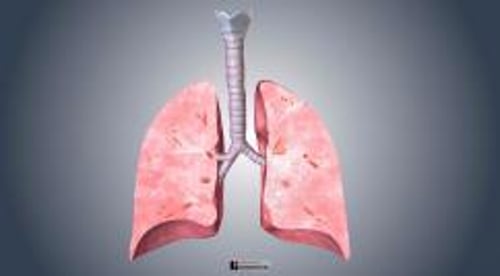
Thoracotomy is a major operation and therefore is used less often than other diagnostic techniques. Thoracotomy is used when other diagnostic procedures such as thoracentesis, bronchoscopy, or mediastinoscopy fail to provide adequate information. The lung problem is identified in most people who undergo this operation because the sample site can be thoroughly seen and selected and because large tissue samples can be taken.
Thoracotomy is also often used to provide treatment. For example, when cancerous tissue is to be removed from the lung, thoracotomy allows a surgeon to see and remove as much of it as possible.
Thoracotomy requires general anesthesia in an operating room.
An incision is made in the chest wall. Depending on the procedure planned, the incision may be made from the front down the breastbone (median sternotomy), the back of one side between the ribs (posterolateral thoracotomy), or across the front on both sides between the ribs (clamshell thoracotomy, used primarily in emergencies). The procedure is performed, and sometimes tissue samples of the lung are removed for microscopic examination. If specimens are to be taken from areas in both lungs, the incision is often a median sternotomy. If necessary, a lung segment, a lung lobe, or an entire lung can be removed.
A chest tube is inserted into the pleural cavity and left in place afterward. The person usually stays in the hospital for several days. Complications include infection, persistent bleeding, and a persistent leakage of air into the pleural space (pneumothorax).
(See also Medical History and Physical Examination for Lung Disorders and Overview of the Respiratory System.)