In bipolar disorder (formerly called manic-depressive disorder), episodes of depression alternate with episodes of mania (or a less severe form of mania called hypomania). Mania is characterized by excessive feelings of elation and confidence or physical activity that are greatly out of proportion to the situation, and people may engage in risky behaviors.
Heredity plays a part in bipolar disorder.
Episodes of depression and mania may occur separately or together.
People have 1 or more periods of excessive sadness and loss of interest in life and 1 or more periods of elation, extreme energy, and often irritability, with periods of relatively normal mood in between.
Doctors base the diagnosis on the pattern of symptoms.
Medications that stabilize mood, such as lithium and certain antiseizure medications, and sometimes psychotherapy can help.
The name bipolar disorder is based on the shift in moods between 2 extremes, or poles, of mood disorders—depression and mania. It affects about 2% of the U.S. population to some degree. Worldwide, bipolar disorder affects men and women almost equally. Bipolar disorder usually begins in a person’s teens, 20s, or 30s. Bipolar disorder in children is rare.
Most bipolar disorders can be classified as either
Bipolar I disorder: People have had at least 1 full-fledged manic episode (one that prevents them from functioning normally or that includes delusions) and usually have also had depressive episodes.
Bipolar II disorder: People have had major depressive episodes and at least 1 less severe manic (hypomanic) episode, but no full-fledged manic episodes.
Some people have episodes that resemble a bipolar disorder but are milder and do not meet the specific criteria for bipolar I or bipolar II disorder. Such episodes may be classified as an unspecified bipolar disorder or cyclothymic disorder.
Bipolar and related disorders may also be caused by another medical condition, or substance use. (See table for examples.)
Did You Know...
|
(See also Overview of Mood Disorders.)
Causes of Bipolar Disorder
The exact cause of bipolar disorder is not known. Heredity is estimated to be involved in the development of this disorder in a majority of cases. Also, in people with bipolar disorder, certain substances the body produces, such as the neurotransmitters norepinephrine or serotonin, may not be regulated normally. (Neurotransmitters are substances that nerve cells use to communicate.)
Bipolar disorder sometimes begins after a stressful event, or such an event triggers another episode. However, no cause-and-effect relationship has been proved.
The manic symptoms in bipolar disorder can occur for other reasons, such as certain illnesses, for example, high levels of thyroid hormone (hyperthyroidism). Also, manic episodes may be caused or triggered by medications (such as steroids, sometimes called corticosteroids or glucocorticoids) or illicit drugs (such as cocaine and amphetamines).
Some Causes of Mania
Condition | Examples |
|---|---|
Brain and nervous system disorders | Seizures that affect the temporal lobe (focal-onset seizures) |
Connective tissue disorders | Systemic lupus erythematosus (lupus) |
Infections | Encephalitis due to certain viral infections Syphilis (late stage) |
Hormonal disorders | High levels of thyroid hormones (hyperthyroidism) |
Medications and illicit drugs | Certain antidepressants (including tricyclic antidepressants and noradrenergic reuptake inhibitors [NRIs]) Bromocriptine Corticosteroids Levodopa |
Symptoms of Bipolar Disorder
In bipolar disorder, episodes of symptoms alternate with virtually symptom-free periods (remissions). Episodes last anywhere from a few weeks to 6 months. Cycles—time from onset of one episode to onset of the next—vary in length. Some people have infrequent episodes, perhaps only a few over a lifetime, whereas others have 4 or more episodes each year (called rapid cycling). Despite this large variation, the cycle time for each person is relatively consistent.

Episodes consist of depression, mania, or less severe mania (hypomania). Only a minority of people alternate between mania and depression during each cycle. In most, one or the other predominates to some extent.
People with bipolar disorder may attempt or complete suicide. Over their lifetime, they are at least 20 to 60 times more likely to complete suicide than the general population, and up to 20% of people with bipolar disorder die by suicide.
Diagnosis of Bipolar Disorder
A doctor's evaluation, based on standard psychiatric diagnostic criteria
Blood and urine tests to rule out other general medical conditions and use of illicit drugs

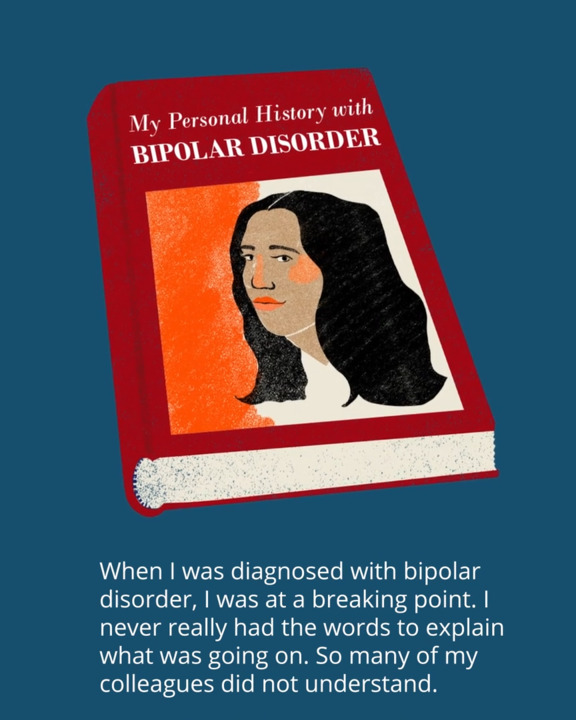
The diagnosis of bipolar disorder is based on specific lists of symptoms (criteria). However, people with mania may not accurately report their symptoms because they do not think anything is wrong with them. So doctors often have to obtain information from family members. People and their family members can use a short questionnaire to help them evaluate the risk of bipolar disorder (see Mood Disorder Questionnaire).
Doctors also ask people whether they have any thoughts about suicide.
Doctors review the medications being taken to check whether any could contribute to the symptoms. Doctors may also check for signs of other general medical conditions that may be contributing to symptoms. For example, they may do blood tests to check for hyperthyroidism and blood or urine tests to check for illicit drug use.
Doctors determine whether people are experiencing an episode of mania or depression so that the correct treatment can be given. They also evaluate the person for other mental health disorders.
Treatment of Bipolar Disorder
Medications
Psychotherapy
Education and support
Sometimes other treatments
For severe mania or depression, hospitalization is often required. Even if mania is less severe, people may need to be hospitalized if they are suicidal, try to hurt themselves or others, cannot care for themselves, or have other serious problems (such as alcohol use or other substance use disorders). Most people with hypomania can be treated as outpatients. People with rapid cycling are more difficult to treat. Without treatment, bipolar disorder recurs in almost all people.
The 3 phases of treatment include stabilizing the initial symptoms of bipolar disorder, achieving remission (a period with minimal or no symptoms), and maintenance (preventing symptoms from coming back once they are gone).
Specific treatments may include
Mood-stabilizing medications, such as lithium and some antiseizure medications
Antipsychotic medications, usually second-generation agents
Certain antidepressant medications
Psychotherapy
Education and support
Sometimes electroconvulsive therapy, phototherapy, or transcranial magnetic stimulation
(See Medications for Treatment of Bipolar Disorders for a thorough discussion of the classes of medications used.)
Psychotherapy
Psychotherapy is often recommended for people taking mood-stabilizing medications, mostly to help them take their treatment as directed.
Group therapy often helps people and their partners or relatives understand bipolar disorder and its effects.
Individual psychotherapy may help people learn how to better cope with problems of daily living.
Education and support
Learning about the effects of the medications used to treat the disorder can help people take them as directed. People may resist taking the medications because they believe that these medications make them less alert and creative. However, decreased creativity is relatively uncommon because mood stabilizers usually enable people to function better at work and school and in relationships and artistic pursuits.
People should learn how to recognize symptoms as soon as they start, as well as learn ways to help prevent symptoms. For example, avoiding stimulants (such as caffeine and nicotine) and alcohol can help, as can getting enough sleep.
Doctors or therapists may talk to people about the consequences of their actions. For example, if people are inclined to sexual excesses, they are given information about how their actions can affect their relationships and about health risks of promiscuity, particularly advanced HIV infection. If people tend to be financially extravagant, they may be advised to turn their finances over to a trusted family member.
It is important for family members to understand bipolar disorder, be involved in treatment, and provide support.
Support groups can help by providing a forum to share common experiences and feelings.
Other treatments
Electroconvulsive therapy (ECT—sometimes known as "shock therapy") is sometimes used for treatment-resistant depression and mania.
Phototherapy, in which people look at bright lights that simulate sunlight, can be useful in treating seasonal (with autumn-winter depression and spring-summer hypomania) bipolar disorder, which has some features in common with seasonal affective disorder, or nonseasonal bipolar I or bipolar II disorder. It is probably most useful when used to supplement other treatments.
Transcranial magnetic stimulation, in which a device applies a harmless magnetic field to the head, used in the treatment of severe, resistant depression, has also proven effective in the treatment of bipolar depression.
More Information
The following English-language resources may be useful. Please note that The Manual is not responsible for the content of these resources.
Drug Information for the Topic