What do I need to know about New World screwworm?
The New World screwworm (NWS) is a fly that produces larvae that can cause a parasitic infestation in animals, including in livestock. Infestation in people is rare. The NWS does not contaminate food.
What is the New World screwworm?
The New World screwworm (NWS) is a species of fly, known by the scientific name Cochliomyia hominivorax.
The fly lays its eggs in open wounds or body cavities (for example, nasal passages) of warm-blooded animals such as farm animals, wildlife, pets, or humans. After the eggs hatch, the larvae (maggots) feed on living tissue, which is called NWS myiasis.
NWS myiasis is a zoonotic disease (a disease passed between animals and people).

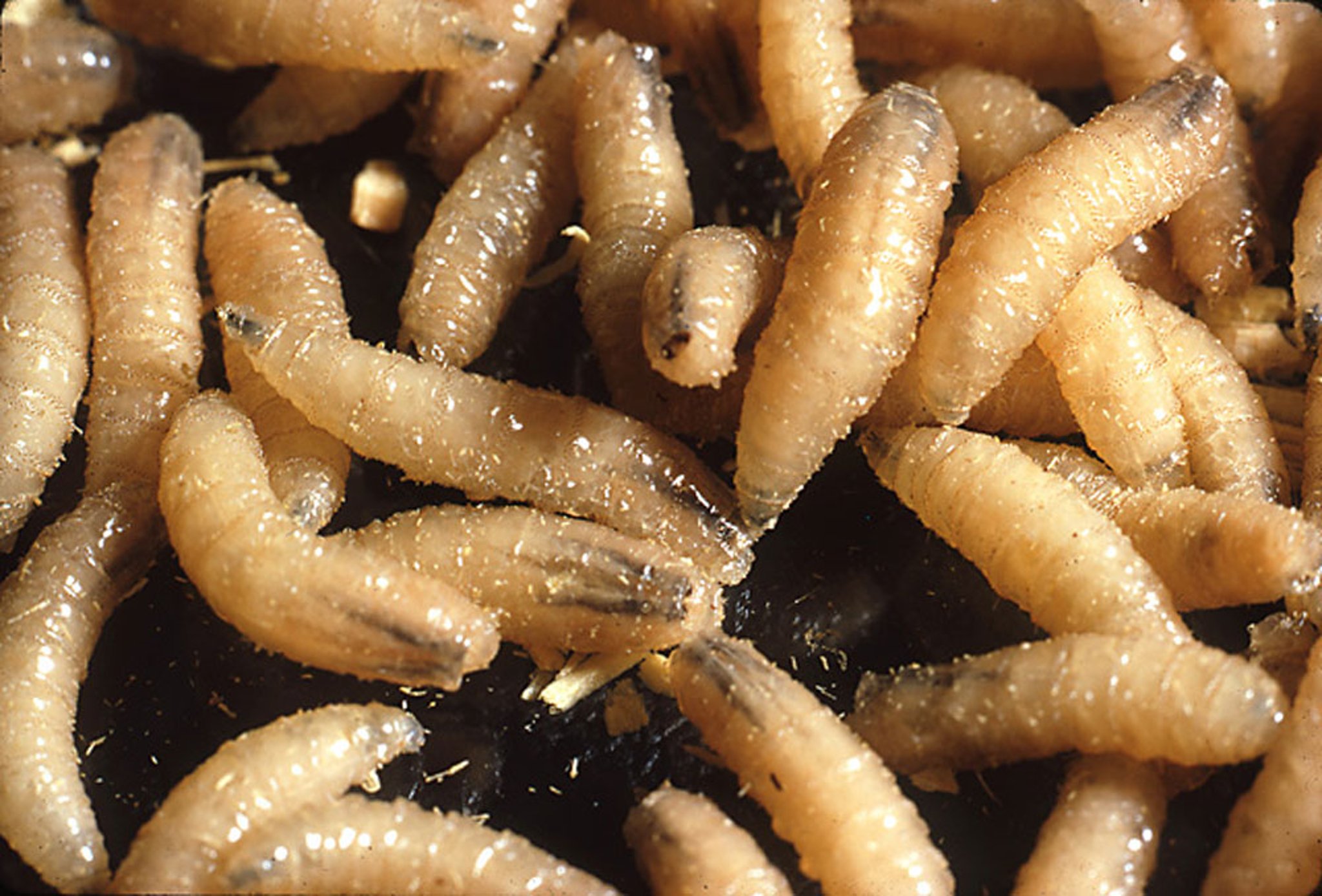
U.S. Department of Agriculture Animal and Plant Health Inspection Service (APHIS)
Where does the New World screwworm live?
The New World screwworm (NWS) fly was successfully eradicated from the United States and Mexico by the early 2000s through insect control methods. New outbreaks have occurred since 2022 in Panama, Costa Rica, and Mexico. Changes in climate and animal conditions may increase the chance that the NWS will continue to return to places where it was once eliminated, including parts of the United States.
How does New World screwworm affect people’s health?
New World screwworm (NWS) infection rarely affects people. People who travel to areas where NWS is present and who have an open wound, spend time among livestock animals, and/or sleep outdoors are at risk of becoming infested with NWS.
A wound infested with NWS larvae causes discomfort, swelling, and damage to the tissue. If untreated, the infestation can worsen and may lead to serious infections.
How does New World screwworm affect animals' health?
New World screwworm is found most commonly in animals, not humans. Pets, livestock, and wild animals are vulnerable to infestation. Animals affected may lose weight, have wounds that do not heal, or even die if the larvae are not removed.
How is New World screwworm infestation detected?
Symptoms to watch for are fever and enlarging, red, painful wounds that smell bad or contain moving maggots.
Health care professionals diagnose New World screwworm infestation by finding fly larvae (maggots) in tissue. If needed, larvae are sent to a specialized lab for identification.
Does New World screwworm cause a risk to food safety or supply?
New World screwworm (NWS) is not contracted through eating meat or other animal products. The main concern is the health of live animals, not the safety of food. Meat from healthy animals that has been inspected is safe to consume.
NWS outbreaks can affect the food supply by causing the death of many farm animals, such as cows, and reducing meat availability.
How is a New World screwworm outbreak controlled?
Sterile insect technique (SIT): This method involves releasing sterile male flies to reduce the New World screwworm (NWS) population. It has been very effective in preventing the return of NWS to North America.
Quarantine and inspections: Animals transported from areas where NWS exists are carefully checked for signs of infestation.
Prompt treatment: Removing NWS larvae from wounds and treating infections quickly are essential for both humans and animals.
How can you protect yourself and your animals from New World screwworm?
Keep wounds clean and covered.
Regularly check pets and livestock for wounds or maggots if you live in or travel to areas where New World screwworm (NWS) is present.
Seek medical or veterinary care if wounds do not heal or show signs of maggot infestation.
Report any suspicious cases to local health or animal authorities, particularly after traveling to regions where NWS infestations are occurring currently or have occurred in the past.
Where can I learn more about New World screwworm?
U.S. Department of Agriculture: New World Screwworm
U.S. Centers for Disease Control and Prevention: About New World Screwworm