Cancer is the out-of-control growth of cells in your body. Cells are the tiny building blocks of your body. Different organs are made of different kinds of cells. Almost any kind of cell can become cancerous.
What is prostate cancer?
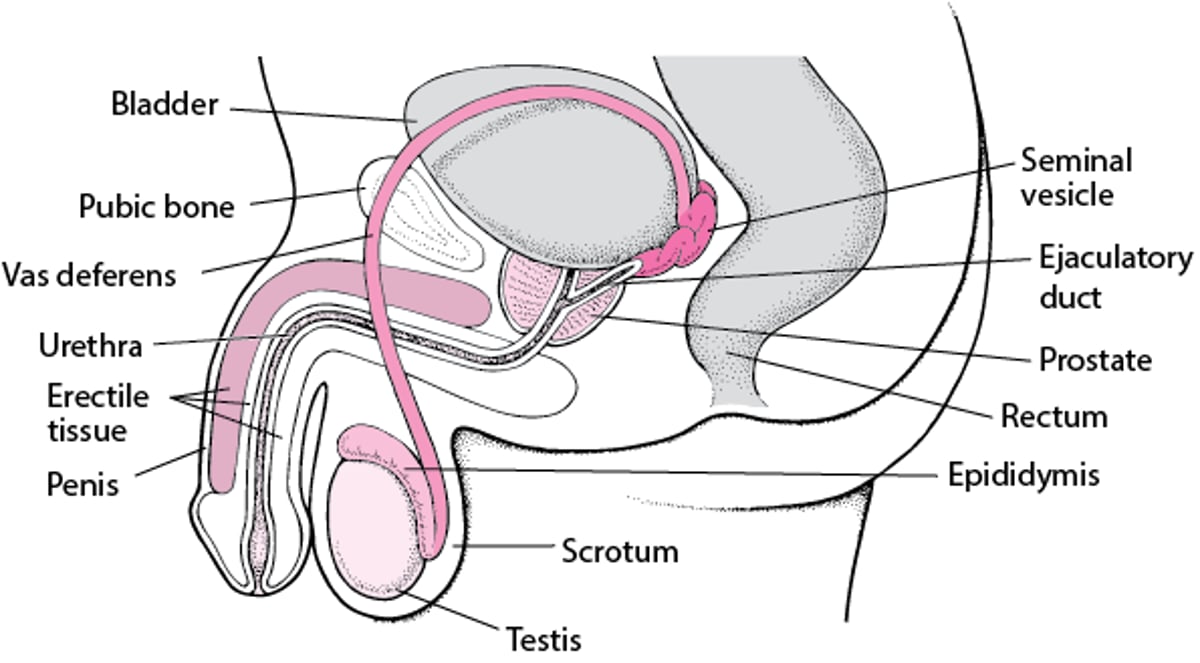
The prostate is a gland found only in men. It's located just below a man’s bladder. The tube (urethra) that carries urine from the bladder and out the penis runs right through the middle of the prostate. The prostate also makes fluid that helps keep sperm healthy.

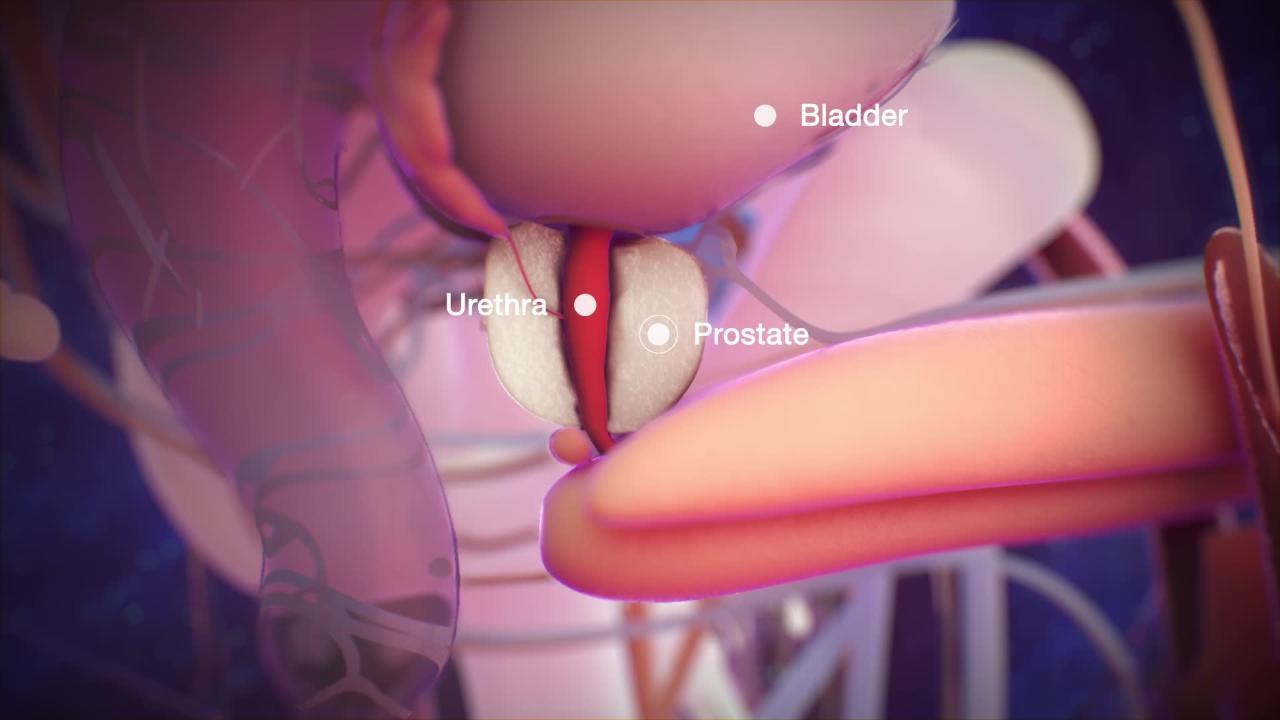
Prostate cancer is out-of-control growth of cells in your prostate.
Prostate cancer is the most common cancer in men over 50 years old in the United States
Your chance of getting prostate cancer goes up as you get older
Prostate cancer may grow very slowly and cause no problems or it may grow quickly and be fatal
You usually have no symptoms for a long time
As the cancer gets bigger, you may have trouble urinating or see blood in your urine
Doctors may suggest screening tests for men over 50, or for those over 40 with risk factors
Doctors treat most prostate cancer with surgery or radiation therapy
Male Reproductive Organs

What causes prostate cancer?
Risk of prostate cancer is increased in:
Older men
Black or Hispanic men
Men with close relatives who had prostate cancer
Men with close relatives who had breast or ovarian cancer
What are the symptoms of prostate cancer?
Most men don't have symptoms. Usually symptoms only happen when your prostate cancer is large or has spread to other parts of your body. You may have:
Trouble urinating
A need to urinate right away or often
Bloody urine
If the cancer has spread to your bones, pain in your back, pelvis, or ribs
How do doctors tell if I have prostate cancer?
Doctors may do screening tests to see if you have prostate cancer, even if you have no symptoms. Screening tests include:
A rectal exam, in which a doctor feels inside your rectum with a finger to tell if your prostate is enlarged or has lumps (nodules)
A blood test to measure a substance made by your prostate called prostate-specific antigen (PSA)
Your PSA level usually goes up when you have prostate cancer. But your PSA can also go up from other causes.
If doctors suspect you have prostate cancer, they’ll do other tests:
Take a sample of your prostate tissue to look at under a microscope (biopsy)
If you have prostate cancer, doctors will give your cancer a grade group score from 1 to 5 based on how abnormal the cancer cells look under the microscope. Cancers with a grade group score of 5 are the most aggressive and very likely to spread. This score helps you and your doctors decide on a treatment plan.
Doctors will also do magnetic resonance imaging (MRI), computed tomography (CT) scan, or positron emision tomography (PET) scan to help determine if your prostate cancer has spread.
If you have bone pain or doctors think cancer may have spread to your bones, brain, or spinal cord, doctors will do:
How do doctors treat prostate cancer?
Your doctors will work with you to decide which treatment is best for you. Recommended treatments depend on:
Whether the cancer has spread from your prostate
Your grade group score
Your age and overall health
Options include the following:
Just watching the cancer (active surveillance)
Treatments to get rid of the cancer
Easing your symptoms if the cancer can't be cured
Active surveillance
Because prostate cancer with a low Gleason score grows very slowly, you may choose not to be treated right away, especially if you’re older. Older men with many health problems often die of those other conditions before the prostate cancer gets bad. Doctors will do regular checkups and measure your PSA level. They'll do more biopsies to see whether your cancer is growing and needs treatment.
Treating the cancer
If you and your doctors think treatment will help you live longer or have fewer severe symptoms, they’ll do:
Surgery is done to remove your whole prostate. Some doctors do the surgery with the help of a surgical robot through a few tiny incisions. Other doctors make a larger incision by hand at the bottom of your belly.
There are several kinds of radiation therapy for prostate cancer. For example, some use beams of radiation. Others implant small radioactive pellets ("seeds") inside your prostate.
However, these treatments may have side effects. They can cause problems with erections (erectile dysfunction) or trouble controlling your urine.
Treating your symptoms (palliative care)
If your cancer has spread outside your prostate, doctors don't do curative treatments. That's because those treatments don't help the cancer outside your prostate, so it's not worth the side effects. However, doctors will give treatments to slow the cancer down and relieve your symptoms. These treatments include:
Hormonal therapy to block the effects of testosterone, a hormone that helps prostate cancer grow
Radiation therapy to relieve bone pain
Chemotherapy to slow the cancer’s growth
Medicines to strengthen your bones
No matter which choice you and your doctors make, doctors will usually check your PSA levels 1 to 3 times every year for the rest of your life.
Drug Information for the Topic