What is asthma?
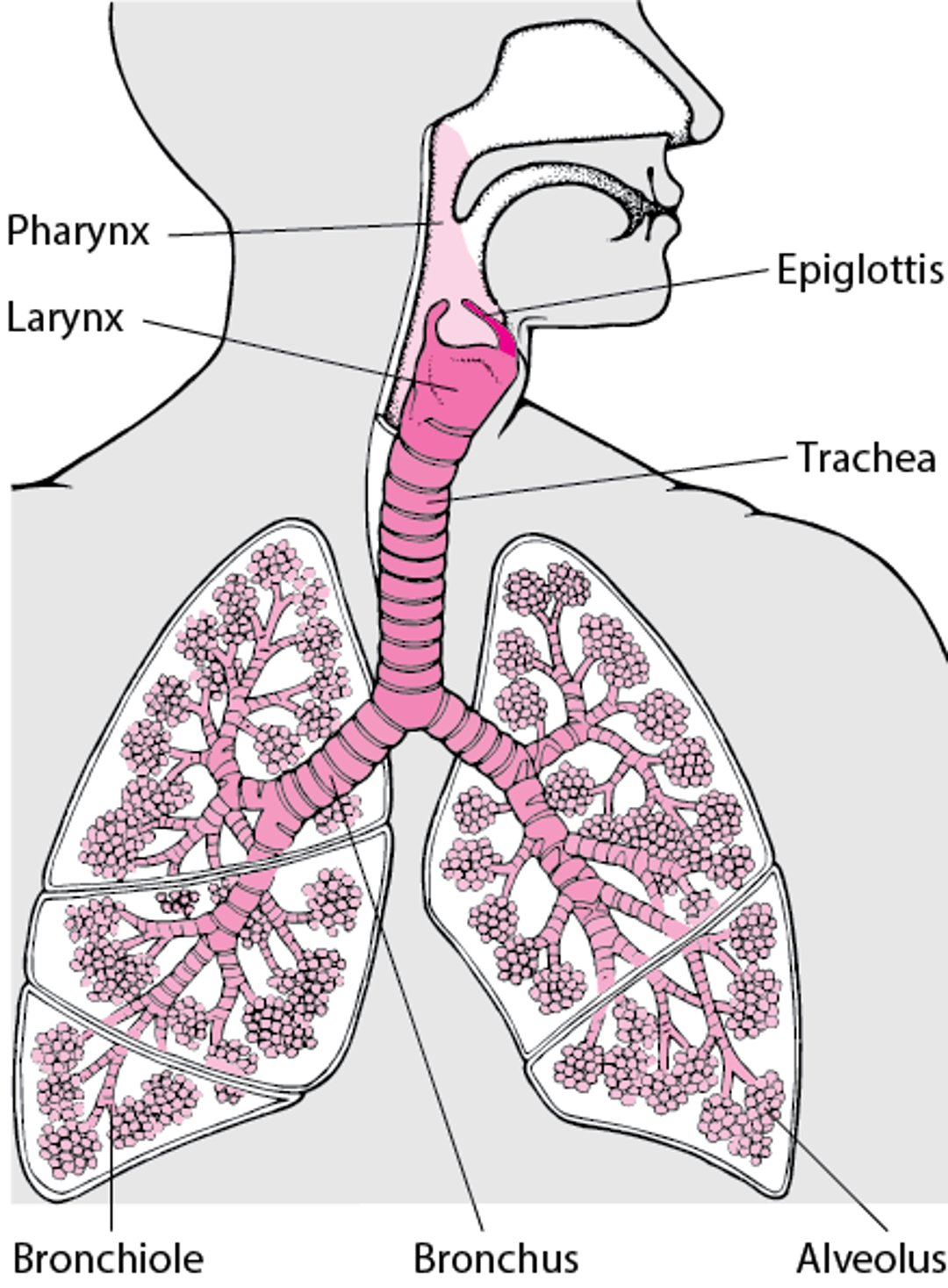
Asthma is a condition in which the breathing passages (airways) in your lungs get narrow. When the airways are narrow, it's hard to breathe. Breathing often makes a squeaky sound called wheezing.
Asthma happens in attacks that come and go
Exercise, household allergens, a respiratory illness, or breathing dust in the air can trigger asthma attacks
You wheeze and feel short of breath during an asthma attack
Asthma attacks vary from mild to severe to life threatening
During an asthma attack, you can take medicine that quickly opens your airway
To prevent asthma attacks, stay away from things that trigger your asthma
Some people need to take medicine to help prevent attacks
Inside the Lungs and Airways

What causes asthma?

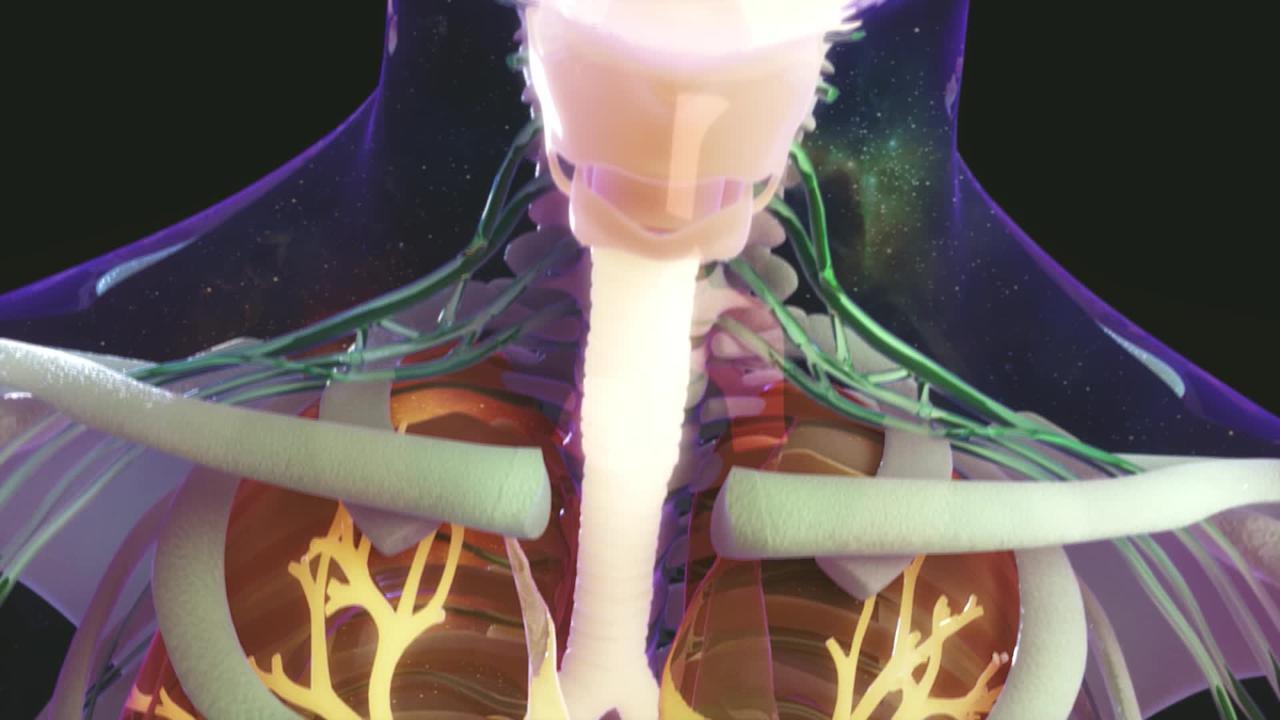
During an asthma attack, several things make your breathing passages narrow. The lining of your breathing passages swells up. Your airways fill with thick fluid (mucus). The muscles around your breathing passages tighten, which plays a part in closing off your airways.
Asthma usually runs in families and starts in childhood, but it can start at any time of life.
In people who have asthma, many things can trigger an attack. If you don't have asthma, these triggers don't cause you to get asthma.
Common asthma triggers include:
Things you are allergic to (allergens), such as pollen, dust, and animal hair
An infection that affects your airways, such as a cold
Exercise
Irritants in the air, such as cigarette smoke and strong fumes
Other things are triggers only in some people:
Cold air
Acid reflux (GERD [gastroesophageal reflux disease]), which allows stomach acid to get in your airway
Aspirin—this is usually in people with severe asthmaAspirin—this is usually in people with severe asthma
Sulfites (preservatives used in some wine and foods)
What are the symptoms of an asthma attack?
Usually you feel fine until an attack starts. Attacks can be mild or severe.
Asthma symptoms may last for minutes, hours, or days. Most people recover with the right treatment, even from severe asthma attacks. However, asthma attacks can be fatal.
Common asthma symptoms:
A tight feeling in your chest
Wheezing
Shortness of breath
Sometimes coughing is the only symptom you’ll have.
Symptoms of a severe asthma attack include:
Struggling to breathe
Feeling like you can't get air in or out of your lungs
Confusion
Not enough air to walk or talk
Blue lips or fingers from low oxygen in the blood
If you have any of these symptoms of a severe asthma attack, call for emergency medical help (dial 911 in the United States) or go to a hospital emergency room right away.
A severe attack is life-threatening. You need fast, professional treatment. If you get severe asthma attacks, wear a medical alert bracelet or necklace. Always carry a cell phone to call 911 for emergency help.
How can doctors tell if I have asthma?
Doctors will usually suspect asthma based on your symptoms. To tell for sure if you have asthma, they’ll:
Do breathing tests (called pulmonary function tests) to measure how well your lungs work
If tests show you have asthma, doctors will try to figure out what's causing it. In particular, they'll try to see if you have any allergies.
If you're having a severe attack, doctors will usually also check the level of oxygen in your blood. Sometimes they'll do a chest x-ray.
How do doctors treat asthma?
To treat mild asthma attacks yourself:
Use an inhaler with medicine to open your airways (called a bronchodilator) according to your health care provider's recommendations
Move into fresh air
Sit down and rest until you can breathe more easily
For severe asthma attacks, call 911 for emergency medical help or go to a hospital right away. Doctors will use medicine to quickly open your airways and may also:
Give you a bronchodilator medicine using a nebulizer, a special machine that turns liquid medicine into a fine spray that you breathe
Give you corticosteroids into your vein
Give you oxygen if your oxygen level is low
Have you stay in the hospital until you’re breathing better
Doctors usually use medicines called bronchodilators to treat your asthma attack. If you're having too much trouble breathing to use a nebulizer, doctors may give you a shot of epinephrine, which is a fast-acting bronchodilator.Doctors usually use medicines called bronchodilators to treat your asthma attack. If you're having too much trouble breathing to use a nebulizer, doctors may give you a shot of epinephrine, which is a fast-acting bronchodilator.
If the asthma attack is very severe, doctors may need to:
Put a tube through your mouth into your windpipe (called intubation) and put you on a ventilator
Doctors use many different medicines to treat asthma at home. They may give you the medicine using:
Metered-dose inhalers
Nebulizers
It is very important to use the inhaler or nebulizer the right way or the medicine won't reach your airways. Your doctor or health care worker can teach you the right way to use these devices.
Metered-dose inhalers
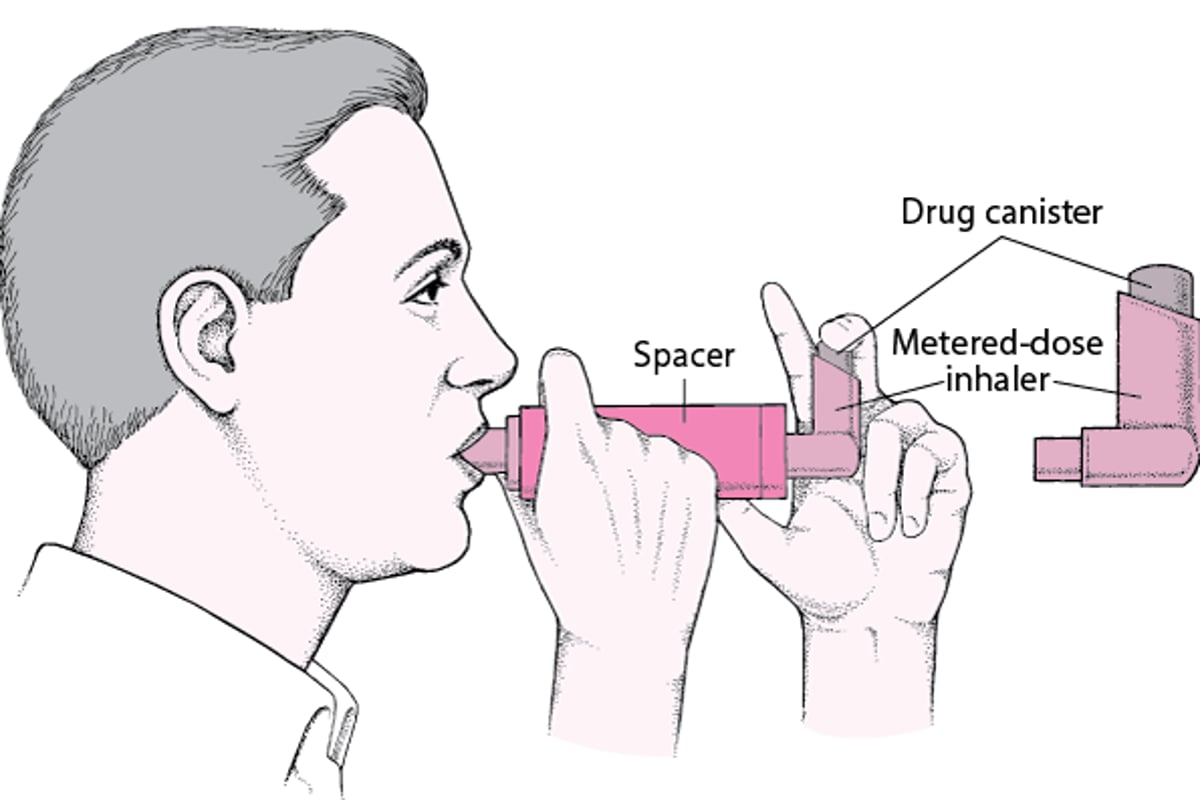
Metered-dose inhalers are the most common way to get asthma medicines. They turn a dose of medicine into a fine spray that you can breathe in. Inhalers are small enough to carry in a purse, pocket, or backpack.
It's best when possible to use a spacer or holding chamber to get the right amount of medicine to your lungs.
How to Use a Metered-Dose Inhaler With a Spacer
|

Nebulizers
Nebulizers are electric or battery-powered machines that turn liquid medicine into a fine spray that you breathe in.
How do you prevent asthma?
To help prevent asthma attacks:
Avoid triggers as much as you can, particularly cigarette smoke
Use the preventive medicines your doctor prescribes
If exercise triggers your asthma, use your bronchodilator inhaler just before you exercise
Sometimes you can get triggers out of your house by removing rugs, pillows, curtains, and other fabric items that may hold dust. Keep your house very clean and use a dehumidifier. If you're allergic to your pet, you may need to find a new home for it.
Drug Information for the Topic