Lung tumors can begin in the lungs (primary) or they can spread to the lungs from tumors elsewhere in the body (metastatic). Primary lung tumors can be:
Noncancerous
The treatment of lung tumors depends on whether they are cancerous or noncancerous. Even noncancerous tumors can cause problems if they grow into the airway and block breathing.
Inside the Lungs and Airways

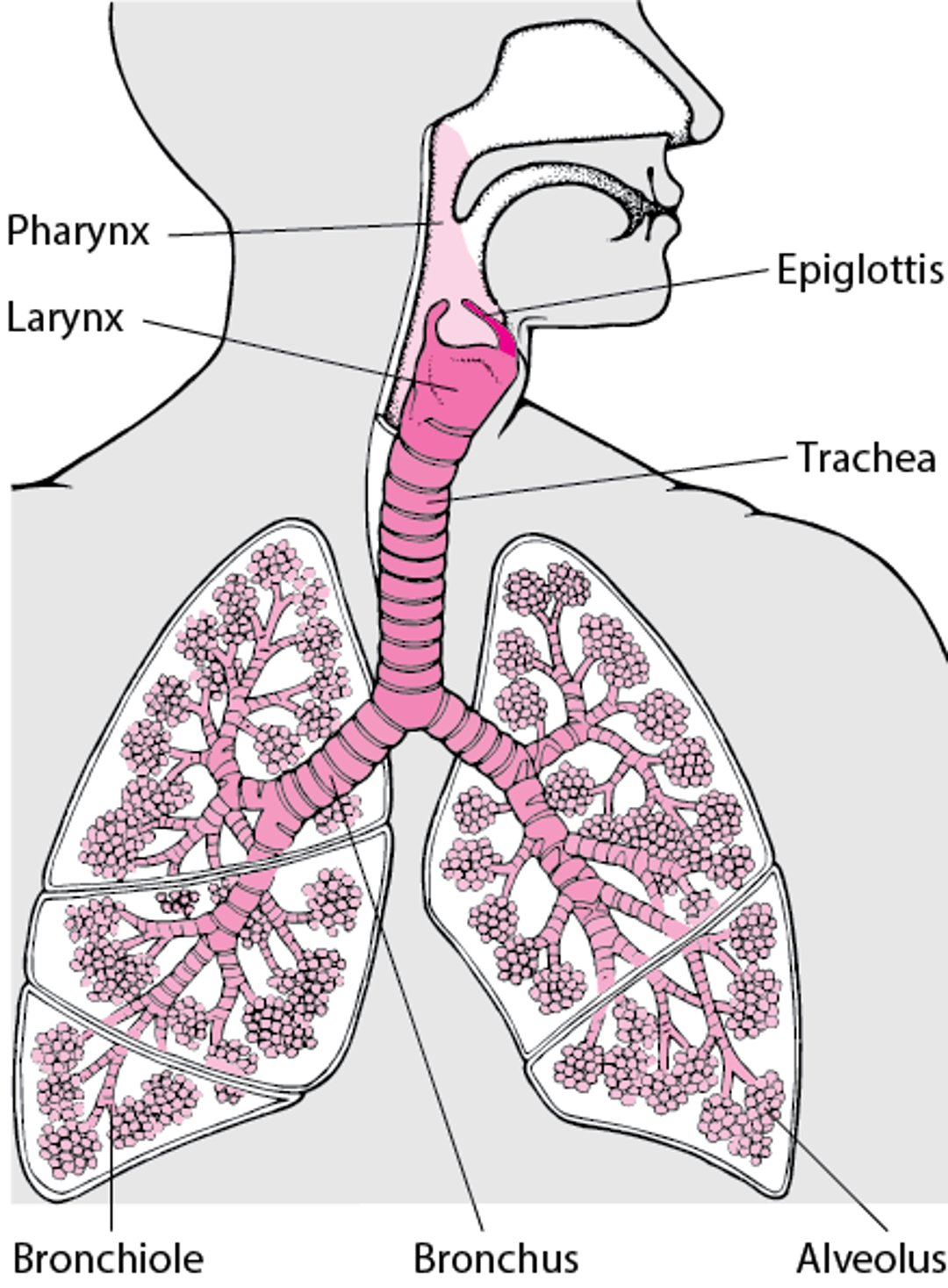
Noncancerous lung tumors
Noncancerous (benign) lung tumors can be divided into those that occur in the windpipe and lung tissue.
Windpipe (trachea) or bronchial tubes (airways) tumors include:
Hamartomas: Noncancerous tumors made of a disorganized mix of normal lung tissues (such as cartilage, fat, muscle, and connective tissue) that are normally found in the lung but arranged abnormally. These are the most common noncancerous lung tumors.
Bronchial cystadenomas: Rare noncancerous tumors that develop in the airways and contain fluid-filled cystic spaces lined by glandular tissue.
Myoblastomas: Rare noncancerous tumors composed of cells with a granular appearance under the microscope are thought to arise from nerve tissue.
Papillomas: Small, wart-like growths that project from the airway lining, composed of finger-like projections covered by respiratory epithelium.
Tumors of lung tissue include:
Fibromas: Noncancerous tumors made primarily of fibrous connective tissue.
Leiomyomas: Noncancerous tumors composed of smooth muscle cells, which are the same type of muscle cells found in blood vessel walls and airways.
Lipomas: Noncancerous tumors made entirely of fat cells, which can be identified on CT scans by their characteristic fat density.
Neurofibromas: Noncancerous tumors arising from the nerve sheath cells that surround peripheral nerves.
Schwannomas: Noncancerous tumors that develop from Schwann cells, which form the insulated covering around nerve fibers.
Sclerosing hemangiomas: Noncancerous tumors thought to arise from primitive respiratory epithelial cells, characterized by a mix of solid and blood-filled spaces with areas of scarring (called sclerosis).
Noncancerous tumors may be identified based on the types of cells that make up the tumor (such as smooth muscle, fat, or nerve cells). Some noncancerous masses in the lungs are caused not by a new growth of lung cells (neoplasm) but rather by inflammation due to an infection or to an immune disease, such as sarcoidosis. Noncancerous lung tumors often cause no symptoms. However, sometimes they can cause respiratory symptoms such as wheezing, coughing, or shortness of breath, particularly if they press on or block an airway or become large.
Most often, doctors unexpectedly diagnose a noncancerous lung tumor when a chest x-ray or other imaging test is done for another purpose. Most noncancerous tumors are not treated, but some may need to be removed surgically to prevent the airway from becoming blocked.
Did You Know...
|