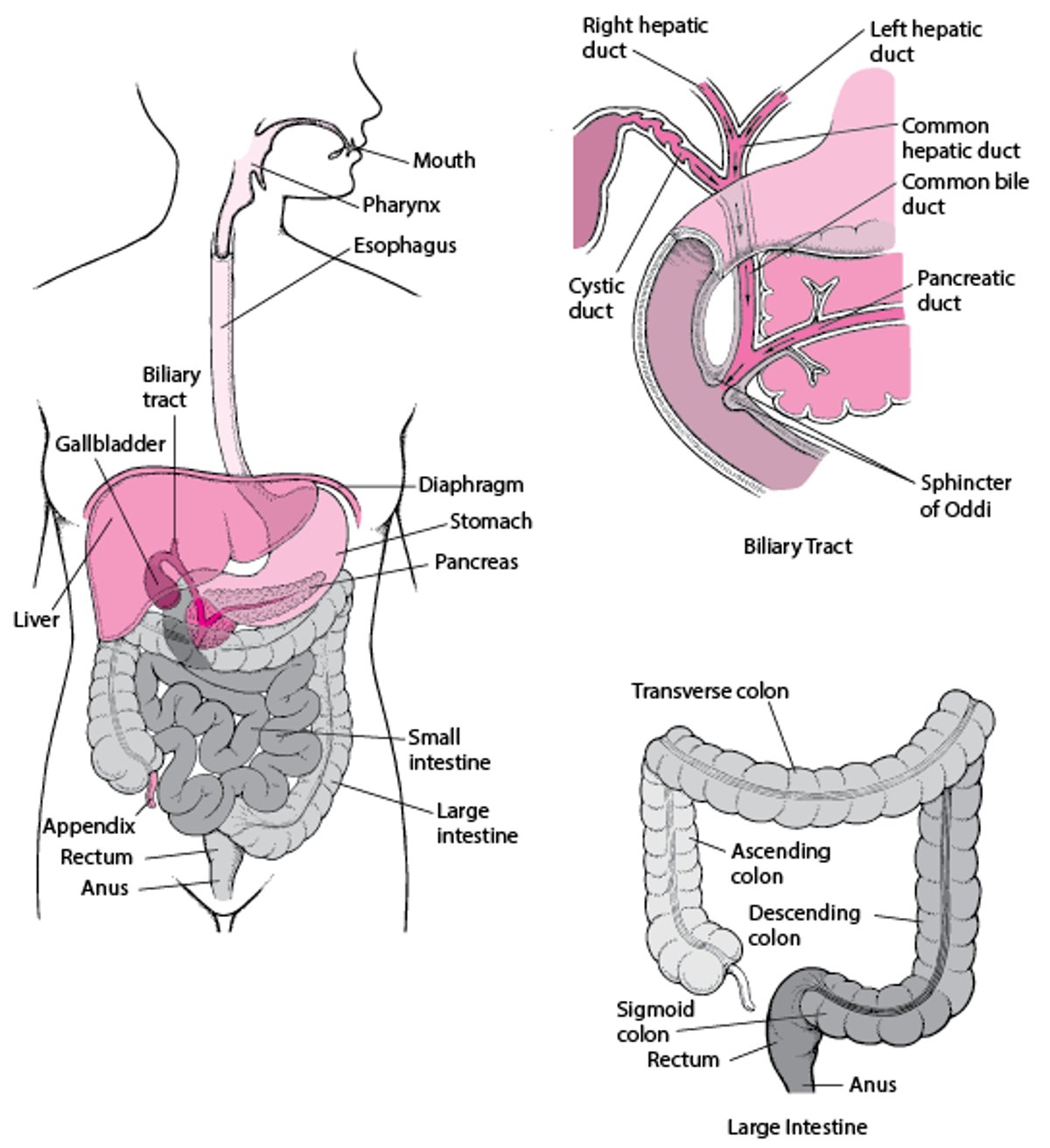
What is your liver?
What is alcohol-related liver disease?
Alcohol-related liver disease is liver damage caused by drinking too much alcohol for a long time.
-
The more alcohol you drink and the more often you drink, the greater the risk of liver damage
-
You won't have any symptoms at first but later you may feel tired or have yellow skin (jaundice) or a swollen abdomen
-
Symptoms can become severe and life-threatening, such as bleeding internally and having problems with your brain
-
If you have been drinking too much alcohol and have symptoms of liver disease, doctors will do blood tests
-
The main treatment for alcohol-related liver disease is to stop drinking alcohol
What causes alcohol-related liver disease?
Alcohol breaks down in your liver into substances that can damage your liver. The more alcohol you drink, the more your liver can be damaged.
You're at risk of alcohol-related liver disease if you have more than 3 drinks a day for about 10 years. You're at risk of cirrhosis Cirrhosis of the Liver Your liver is a football-sized organ on the right side of your belly, just below your ribs. It has many important jobs: To make a liquid (bile) that helps your body digest fat To process nutrients... read more
if you have more than 6 drinks a day for about 10 years.
For a given amount of drinking, you’re more likely to develop alcohol-related liver disease if you:
What types of liver damage are caused by drinking alcohol?
What are the symptoms of alcohol-related liver disease?
Fatty liver disease often causes no symptoms.
Alcoholic hepatitis usually causes:
However, sometimes alcoholic hepatitis makes you very sick. You may have internal bleeding or go into a coma.
Cirrhosis causes many serious health problems, including:
What other symptoms does heavy alcohol use cause?
Heavy use of alcohol can also cause other serious health problems, including:
-
Loss of feeling and strength due to nerve damage, mostly in your hands and feet
-
Poor nutrition, which can cause weakness, difficulty walking, shaking, brain damage, and even death
-
Anemia Overview of Anemia Anemia is a condition in which the number of red blood cells is low. Red blood cells contain hemoglobin, a protein that enables them to carry oxygen from the lungs and deliver it to all parts... read more (a low blood count that can make you feel tired and have trouble breathing)
-
Weak muscles
-
Tight, curled fingers and red palms
-
Small spider-like blood vessels you can see through your skin
-
Swollen glands in your cheeks and thin muscles in your face
-
In men, smooth skin, larger breasts, smaller testicles, and changes in pubic hair
How can doctors tell if I have alcohol-related liver disease?
Doctors will ask you or your family members about how much alcohol you drink. Doctors will suspect alcohol-related liver disease if you drink a lot of alcohol.
Doctors will also do tests, such as:
-
Blood tests to check your liver and to look for hepatitis C Hepatitis C, Chronic Chronic hepatitis C is inflammation of the liver that is caused by the hepatitis C virus and that has lasted more than 6 months. Hepatitis C often causes no symptoms until after it has badly... read more and anemia Overview of Anemia Anemia is a condition in which the number of red blood cells is low. Red blood cells contain hemoglobin, a protein that enables them to carry oxygen from the lungs and deliver it to all parts... read more (low number of red blood cells)
You usually won't need other tests unless doctors aren't sure whether your liver disease is caused by alcohol or something else. Other tests may include:
How do doctors treat alcohol-related liver disease?
The most important thing you can do is:
It can be hard to stop drinking alcohol. Some things that help include going to a rehabilitation program, joining a support group, and talking to a counselor. Your doctor may prescribe medicine that helps reduce alcohol withdrawal symptoms.
Other treatments can include:
If your liver is very bad and barely working, you may need a liver transplant Liver Transplantation Liver transplantation is the surgical removal of a healthy liver or sometimes a part of a liver from a living person and then its transfer into a person whose liver no longer functions. (See... read more . With a transplant, doctors do surgery to replace your bad liver with a healthy one. Because alcohol will damage your new liver too, doctors usually do a transplant only if you have stopped drinking.