What is acute hepatitis?
Acute hepatitis is inflammation (swelling) of your liver that comes on quickly and goes away fairly quickly. Acute hepatitis sometimes becomes chronic hepatitis. Chronic hepatitis lasts a long time.
Acute hepatitis is often caused by a viral infection
Your symptoms can range from mild and flu-like to severe and life-threatening
Doctors do blood tests to see if you have acute hepatitis and what virus is the cause
You can get vaccines (shots) to prevent some types of viral hepatitis
Certain activities, like getting tattoos or piercings, sharing needles to inject drugs, or having multiple sex partners, raise your risk of getting hepatitis

What causes acute hepatitis?
There are 5 types of hepatitis virus that can cause acute viral hepatitis, and they're known as hepatitis A, B, C, D, and E
Hepatitis A virus is the most common cause of acute viral hepatitis
Hepatitis B virus is the second most common cause
The different hepatitis viruses spread in different ways:

Hepatitis A: through water or food contaminated by stool from infected people
Hepatitis B: through contact with blood or body fluids from infected people, for example, by having sex or sharing needles (to use drugs or get tattoos)—also, a pregnant woman can pass hepatitis B to her baby
Hepatitis C: through contact with blood from infected people, for example, by sharing needles—having sex usually doesn't transmit hepatitis C
Hepatitis D: through contact with blood or body fluids from infected people, for example, by having sex or sharing needles (to use drugs or get tattoos)—also, a pregnant woman can pass hepatitis D to her baby
Hepatitis E: through water or food contaminated by stool from infected people
What are the symptoms of acute hepatitis?
You may have no symptoms at all, or you may have symptoms like:
Feeling less hungry than usual
Fever, throwing up, or feeling sick to your stomach
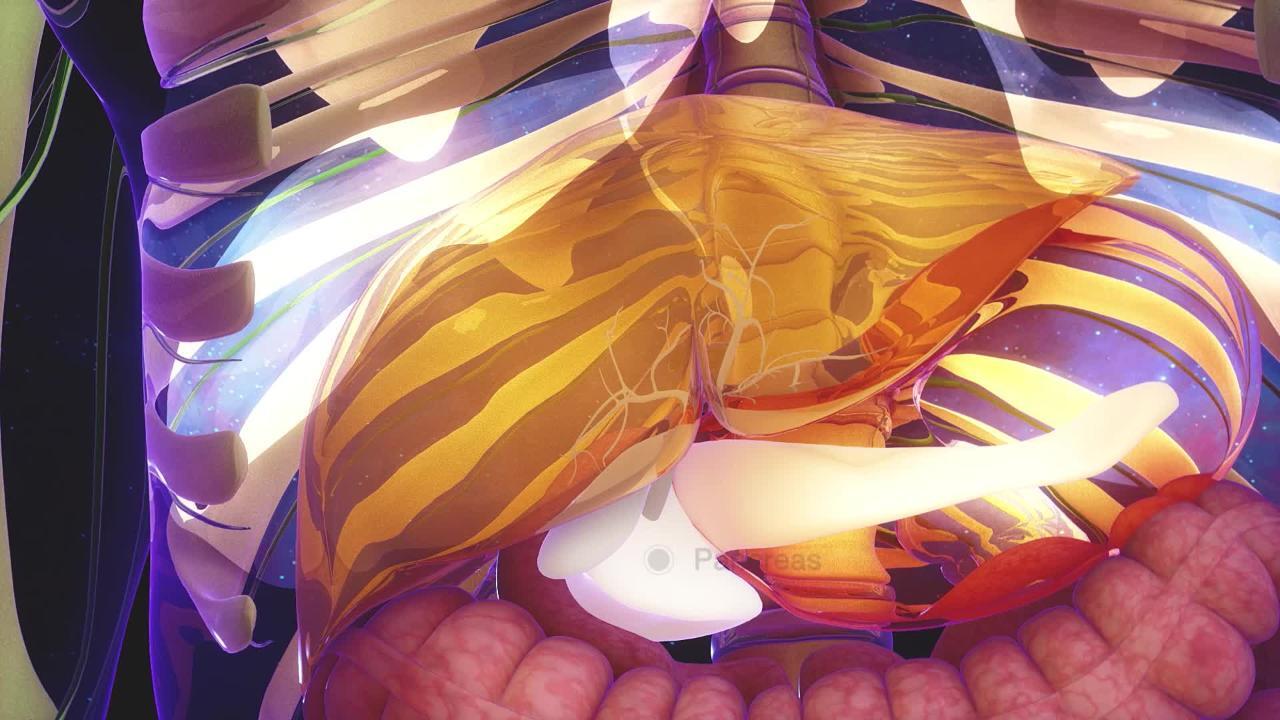
Pain in the upper right part of your belly, which is where your liver is
Yellowing of your skin and the white parts of your eyes (jaundice)
Dark urine
A distaste for cigarettes, if you smoke
Many symptoms usually go away in 3 to 10 days, and you start to feel better. The yellowing of your skin and eyes can last 2 to 4 weeks.

What are the complications of acute hepatitis?
Most people have no complications but sometimes:
With hepatitis A or B, your liver stops working (liver failure)
With hepatitis B, C, or D, the hepatitis becomes chronic
With hepatitis B, C, or D, you can get liver cancer years later
How can doctors tell if I have acute hepatitis?
Doctors will:
Do blood tests to see how well your liver is working and check for hepatitis viruses
Occasionally, do a biopsy of your liver by taking a sample of it with a needle to look at under a microscope
How do doctors treat acute hepatitis?
If you have mild acute viral hepatitis:
You'll probably recover in 4 to 8 weeks with no special treatment
Your doctor will ask you not to drink alcohol or take certain drugs until you're healthy
If you have severe acute viral hepatitis, you may need:
To be cared for in the hospital
Medicines that help kill the virus
Rarely, a liver transplant
How can I prevent acute hepatitis?
You can get shots (vaccines) to prevent infections from hepatitis A or B. People in China also can get shots (vaccines) for hepatitis E.
If you have been in contact with someone with hepatitis A or B and have not been vaccinated, you can get a shot (vaccine or immune globulin) that helps prevent the infection.
You can also help prevent acute viral hepatitis if you:
Wash your hands thoroughly before you touch food
Don’t share toothbrushes, razors, or other things that could get blood on them from other people
Practice safe sex, such as using a condom
Limit the number of people you have sex with
Don’t share needles to inject drugs