Ehlers-Danlos syndromes are rare hereditary disorders of connective tissue that result in unusually flexible joints, very elastic skin, and fragile tissues.
These syndromes are caused by a defect in one of several genes that control the production of connective tissue.
Typical symptoms include very flexible joints, poor wound healing, and skin that can be stretched far.
The diagnosis is based on symptoms and the results of genetic testing.
There is no cure for Ehlers-Danlos syndromes.
Most people with Ehlers-Danlos syndrome have a normal life span.
Ehlers-Danlos syndromes are caused by an abnormality in one of the genes that controls the production of connective tissue. Connective tissue is the tough, often fibrous tissue that binds the body's structures together and provides support and elasticity.

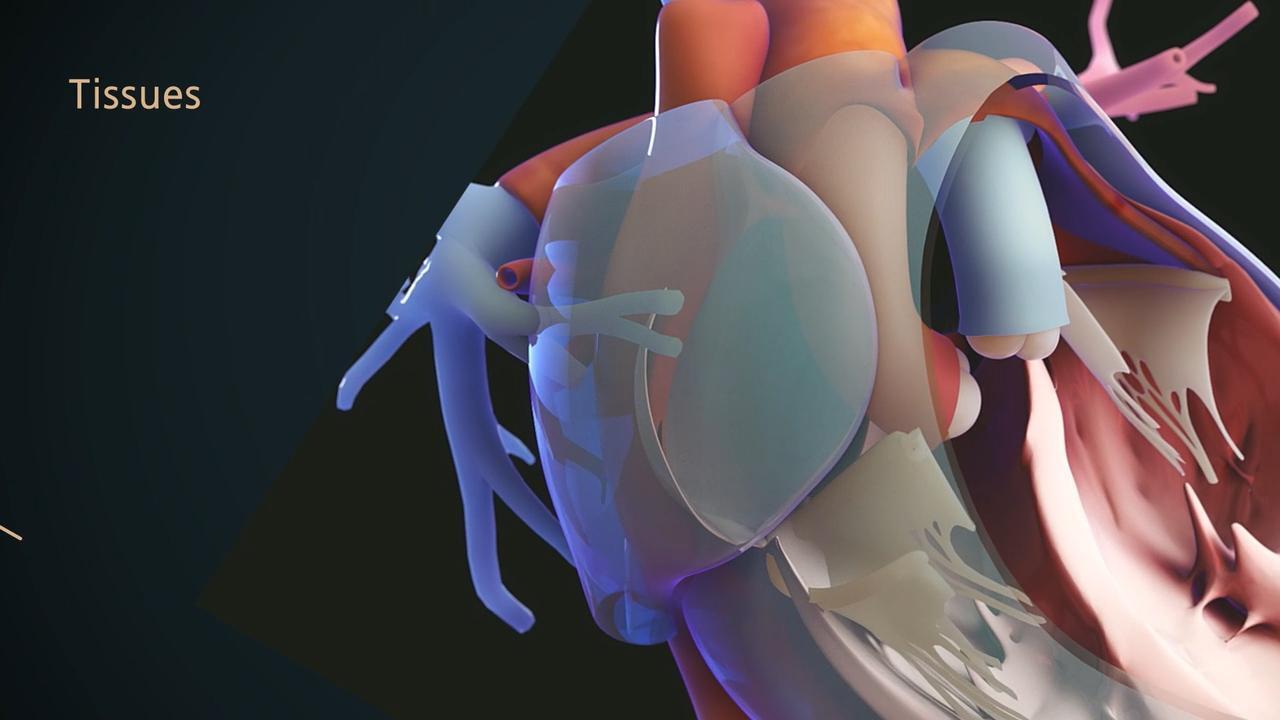
There are 14 types of Ehlers-Danlos syndromes. They involve different genes and vary widely in severity. Although the types have slightly different symptoms, they all result in abnormally fragile connective tissue, which causes problems in joints and bones and may weaken internal organs.
Types of Ehlers-Danlos Syndromes
Type | Symptoms |
|---|---|
Classical | Fragile skin Scars that appear sunken into the skin Extra-flexible joints |
Vascular | Fragile blood vessels that may bulge, separate, or rupture Easy bruising Rupture of organs including the colon, uterus, muscles, and tendons Air in the space that surrounds the lungs (pneumothorax) |
Arthrochalasia | Extremely flexible joints with dislocations Dislocated hip at birth (developmental dysplasia of the hip) Fragile tissues with scars that appear to be sunken into the skin |
Dermatosparaxis | Extremely fragile skin with loose, excessive skin and severe bruising Characteristic head and facial features (large soft spot between the skull bones in babies, inner corners of eyelids turn down, and bluish whites of the eyes) Short limbs |
Cardiac valvular | Severe heart valve leakage Extra-flexible joints |
Kyphoscoliotic | Reduced muscle tone (hypotonia) present at birth A humpback and curving of the spine (kyphoscoliosis) present at birth or early childhood Extra-flexible joints |
Classical-like | Stretchy, soft skin, but with no scars Foot deformities (broad front of the foot, short toes, flat arches, bunions, and raised spots on the heels) Leg swelling |
Myopathic | Reduced muscle tone (hypotonia) present at birth Tight joints that do not open fully Extra-flexible joints |
Musculocontractural | Multiple tight joints that do not open fully, present at birth Characteristic head and facial features (large soft spot between the skull bones in babies, inner corners of eyelids turn down, bluish whites of the eyes, and others) Fragile stretchy skin with easy bruising |
Spondylodysplastic | Short height that gets worse with age Muscle weakness Bowed (bent) limbs Some features of the spondylodysplastic type depend on the specific gene abnormality |
Brittle cornea syndrome | Cornea (front of the eye) is thin and can rupture, and the retina (back of the eye) can detach Hearing loss |
Periodontal | Severe gum disease with tooth loss (periodontitis) that begins early in childhood Discolored patches of skin on the shins Stretchy skin with easy bruising |
Hypermobile | Extra-flexible and unstable joints Chronic pain |
Classical-like type 2 (provisional)* | Scars that appear sunken into the skin Extra-flexible joints Foot deformities (broad front of the foot, short toes, flat arches, bunions, and raised spots on heels) Decreased bone density (osteopenia) |
* This type is not officially recognized. | |
Symptoms of Ehlers-Danlos Syndromes

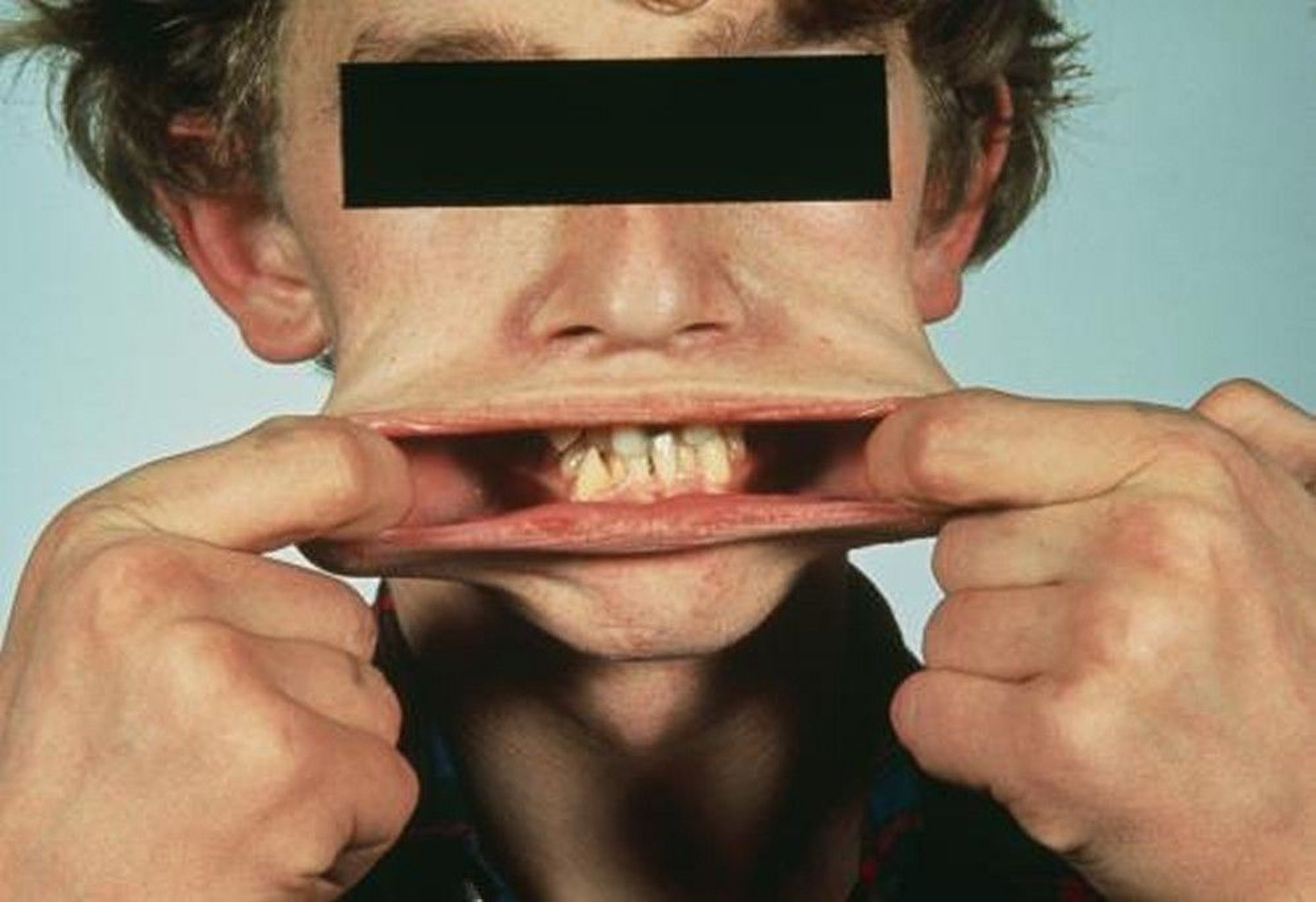
Abnormal elasticity of the skin is seen in this person with Ehlers-Danlos syndrome.
ST MARYS HOSPITAL MEDICAL SCHOOL/SCIENCE PHOTO LIBRARY
Ehlers-Danlos syndromes can affect any organ or tissue. Although there are multiple different types (see table ), there are several common features.
People with Ehlers-Danlos syndrome usually have very flexible joints, abnormal scarring, poor wound healing, fragile blood vessels, and very soft, elastic skin. The skin can be stretched up to several inches but returns to its normal position when released.
Joint flexibility varies but joints are often excessively flexible. Other joint or bone symptoms include scoliosis and a humpback (kyphoscoliosis), clubfoot, flat feet, and developmental dysplasia of the hip. Some people develop a chest deformity.
Some people develop small, hard, round lumps on top of their scars or at pressure points.
In a small number of people with Ehlers-Danlos syndrome, the blood does not clot normally, so bleeding from minor wounds may be difficult to stop. In certain syndromes, weak tissue in a heart valve causes the valve to leak. Bulges can develop in weak areas of the walls of the aorta in the heart (aortic aneurysms), the layers of the wall of the aorta can separate (aortic dissection), or a hole can develop in the wall of the aorta (aortic rupture).
Complications of Ehlers-Danlos syndromes
Ehlers-Danlos syndromes may alter the body’s response to injuries. Minor injuries may result in wide gaping wounds. Although these wounds do not usually bleed excessively, they leave wide scars.
The tough, white, outer layer of the eyeball, may be fragile, and this can cause the eyeball to rupture.
Sprains and dislocations occur frequently.
The intestines can bulge through the abdominal wall (called a hernia), and abnormal outpouchings (diverticula) can develop in the intestine. Rarely, a fragile intestine bleeds or ruptures (perforation).
If a pregnant person has Ehlers-Danlos syndrome, delivery may be premature. The mother's fragile tissues increase risk that her uterus may rupture during labor. Poor skin healing may make an episiotomy or cesarean delivery (C-section) problematic. If the fetus has Ehlers-Danlos syndrome, the amniotic sac may rupture early (prelabor rupture of membranes). A mother or baby who has Ehlers-Danlos syndrome can bleed excessively before, during, and after delivery.
Diagnosis of Ehlers-Danlos Syndromes
A doctor's evaluation
Genetic testing
Imaging tests to detect heart complications
A doctor bases the diagnosis of Ehlers-Danlos syndrome on a person's symptoms and the results of a physical examination. Doctors can also use an established set of criteria to help them diagnose Ehlers-Danlos syndrome. For example, they can ask the person questions about how flexible their joints are, and they can measure how far the person's skin can be stretched.
To confirm the diagnosis, genetic tests are usually done.
The doctor can identify some Ehlers-Danlos syndromes by taking a sample of skin to examine under a microscope (biopsy).
Echocardiography and other imaging tests of the heart are done to detect problems with the heart or blood vessels.
Treatment of Ehlers-Danlos Syndromes
Treatment of complications
Injury prevention
There is no way to cure Ehlers-Danlos syndrome or to correct the abnormalities in the connective tissue.
Injuries can be treated, and doctors carefully stitch cuts because stitches tend to tear out of the fragile tissue. Doctors may instead use an adhesive tape or medical skin glue to close cuts and leave less scarring.
Special precautions should be taken to prevent injuries. For example, children with a severe Ehlers-Danlos syndrome can wear protective clothing and padding.
Physical therapy with muscle strengthening helps to stabilize joints.
If surgery is needed to correct a complication, doctors use special techniques that minimize injury and ensure that a large supply of blood is available for transfusion.
An obstetrician (a doctor who specializes in childbirth and in caring for and treating people who are giving birth) must supervise pregnancy and delivery.
People should receive genetic counseling.
Prognosis for Ehlers-Danlos Syndromes
Despite the many and varied complications people with Ehlers-Danlos syndrome may have, their life span is usually normal. Their quality of life, however, may be greatly affected, especially if they have joint symptoms or complications.
Potentially fatal complications (usually bleeding) occur in certain types, particularly in the vascular type of Ehlers-Danlos syndrome.