Cavernous sinus thrombosis is a very rare disorder in which a blood clot (thrombus) forms in the cavernous sinus (a large vein at the base of the skull).
Cavernous sinus thrombosis is usually caused by the spread of bacteria from infections of the face (including the lining of the nose), orbit, or sinus.
Symptoms include head and facial pain, visual disturbances, rapidly bulging eyes, and high fever.
The diagnosis is based on symptoms and the results of magnetic resonance imaging or computed tomography.
Even with treatment, the disorder can result in severe aftereffects or be fatal.
The person is admitted to the hospital and high doses of intravenous antibiotics are given to eliminate the infection.
The cavernous sinus is a large vein at the base of the skull, behind the eyes. This vein drains blood from veins in the face. The cavernous sinus is not one of the air-filled sinuses around the nose (the nasal sinuses).
Cavernous sinus thrombosis can affect the cranial nerves that move the eyes and supply sensation to the face. CST can also lead to an infection of the brain (encephalitis) and the fluid around the meninges (meningitis), brain abscess, stroke, blindness, and an underactive pituitary gland (hypopituitarism). (See also Introduction to Eye Socket Disorders.)
Structures That Protect the Eye

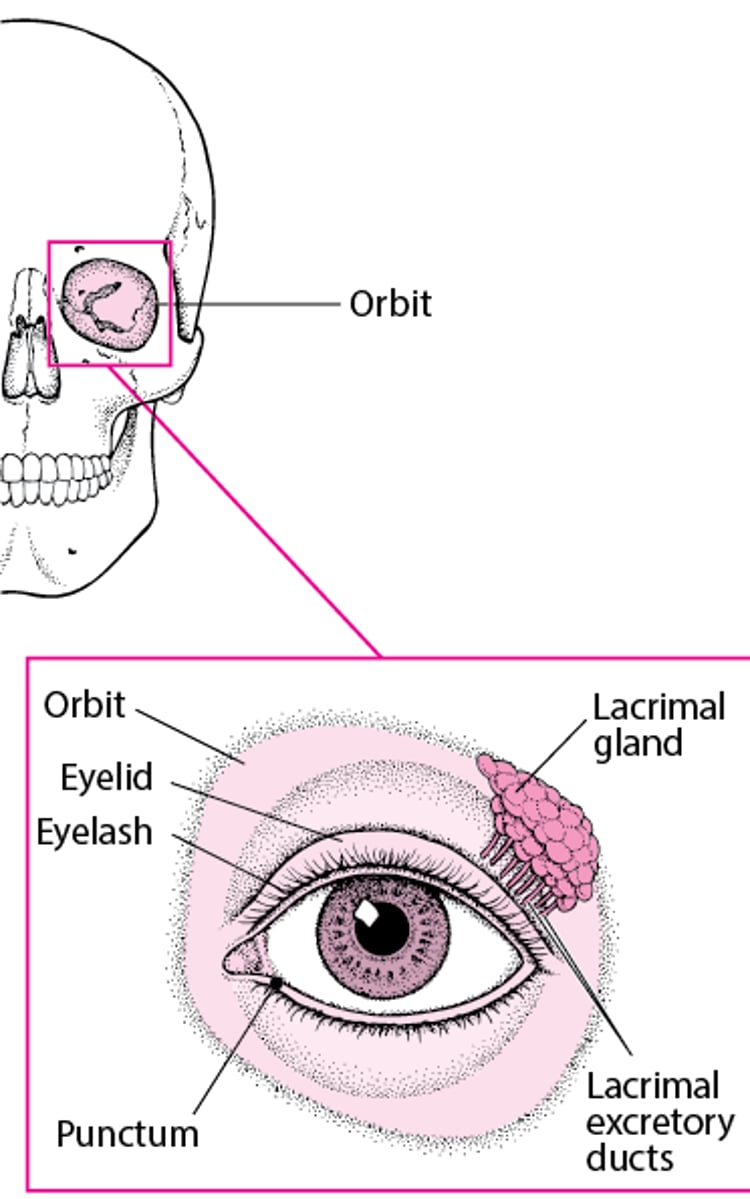
Causes of Cavernous Sinus Thrombosis
Cavernous sinus thrombosis is usually caused by the spread of bacteria (usually Staphylococcus aureus) from a facial, dental, or nasal sinus infection. Cavernous sinus thrombosis can be caused by common facial infections, such as small boils around hair follicles inside the nose (furuncles), orbital cellulitis, or sinusitis of the sphenoid or ethmoid sinuses. Because cavernous sinus thrombosis is a possible complication, doctors always consider infections in the area around the nose to the rims of the eyes to be serious.
Symptoms of Cavernous Sinus Thrombosis
Cavernous sinus thrombosis causes symptoms such as:
Abnormally bulging eyes (proptosis) that occurs over days
Severe headache
Facial pain or numbness
Impaired eye movements (ophthalmoplegia) with double vision
Excessively dilated or uneven pupils
Loss of vision
Drowsiness
High fever
If bacteria spread to the brain, more severe drowsiness, seizures, coma, and abnormal sensations or muscle weakness in certain areas may develop.
Diagnosis of Cavernous Sinus Thrombosis
Magnetic resonance imaging or computed tomography
Blood culture
Spinal tap (lumbar puncture)
To diagnose cavernous sinus thrombosis, doctors usually do magnetic resonance imaging (MRI) or computed tomography (CT) of the nasal sinuses, eyes, and brain. Sometimes MRI or CT is done after a contrast agent is injected into the bloodstream to show more detail. Contrast-enhanced MR venogram (MRV) or CT venogram (in which a contrast agent is given intravenously to outline the veins) is more sensitive. To identify the bacteria causing the disorder, a blood sample is sent to a laboratory to be cultured. A spinal tap may also be done.
Treatment of Cavernous Sinus Thrombosis
Antibiotics by vein
Surgery to drain infection
Steroids and other supplemental hormones
High doses of antibiotics given by vein (intravenously) are started immediately in people with cavernous sinus thrombosis. The infected nasal sinus may be drained surgically, particularly if the person does not improve after 24 hours of antibiotic treatment.
Steroids (sometimes called glucocorticoids or corticosteroids) are sometimes given if the cranial nerves are affected. Steroids and usually other supplemental hormones are given if there is hypopituitarism.
If there is no contraindication, anticoagulants (medications that prevent new blood clots from forming and established blood clots from growing) may also be given.
Prognosis for Cavernous Sinus Thrombosis
Even with antibiotic treatment, cavernous sinus thrombosis can still be life threatening. About 10 to 15% of all affected people die. Another third of people develop serious aftereffects such as impaired eye movements and double vision, blindness, stroke, and symptoms due to decreased levels of hormones from the pituitary gland (hypopituitarism).