Lymphangitis is infection of one or more lymphatic vessels, which are a network of thin tubes that collect lymph and return it to the bloodstream.
(See also Overview of Bacterial Skin Infections.)
Lymph is a fluid that oozes out of the body's tiniest blood vessels and is part of the body’s immune system. The fluid goes between cells and brings nourishment and carries away substances such as damaged cells, cancer cells, and infectious microorganisms via the lymphatic vessels. All lymph passes through lymphatic vessels to strategically placed lymph nodes. Lymph nodes and specialized white blood cells in lymph nodes work to remove these substances and foreign particles from the body. (See figure .)
Lymphangitis is typically caused by bacteria in resource-rich countries and by parasites in resource-poor countries (see also Lymphatic Filariasis). Streptococci bacteria are a common cause, and there are many other bacteria and fungal and viral infections that are rare causes of lymphangitis.
Microorganisms can enter the lymphatic vessels through a scrape or wound or insect bite (such as from an infected mosquito) in an arm or a leg. Often, a streptococcal infection in the skin and the tissues just beneath the skin (cellulitis) spreads to the lymph vessels.
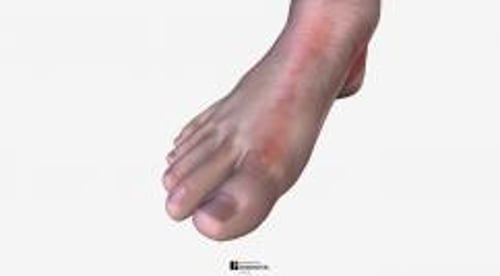
Symptoms of Lymphangitis
Red, irregular, warm, tender streaks develop on the skin in the affected arm or leg. The streaks usually stretch from the infected area toward a group of lymph nodes, such as those in the groin or armpit. The lymph nodes become enlarged and feel tender (see Lymphadenitis).

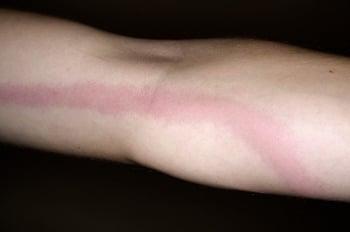
After an insect bite, this person developed a red streak on the arm consistent with lymphangitis.
Symptoms of lymphangitis may include a fever, shaking chills, a rapid heart rate, and a headache. Sometimes these symptoms occur before the red streak appears. The spread of the infection from the lymph system into the bloodstream (bacteremia) may cause infection throughout the body, often with startling speed.
Diagnosis of Lymphangitis
A doctor's evaluation
The diagnosis of lymphangitis is based on the typical appearance of the streak.
If needed, a blood test usually shows that the number of white blood cells has increased to fight the infection.
Treatment of Lymphangitis
Antibiotics
Most people recover quickly with antibiotics.