A doctor can diagnose some disorders of the bladder, prostate, and urethra (for example, bladder tumors, stones in the bladder, or bothersome urinary symptoms) by looking through a flexible viewing tube (cystoscope, a type of endoscope). A cystoscope has a diameter about the size of a pencil, and about 6 to 12 inches (15 to 30 centimeters) of the scope are inserted into the urethra and bladder. Most cystoscopes are fiberoptic and contain a light source and a small camera, which allows the doctor to view the inside of the bladder, prostate, and urethra. Many cystoscopes also contain tools that allow the doctor to obtain a sample (biopsy) of the bladder lining. Alternatively, rigid metal cystoscopes with a larger diameter are available when more complex procedures are required, such as removing a stone or treating a tumor.
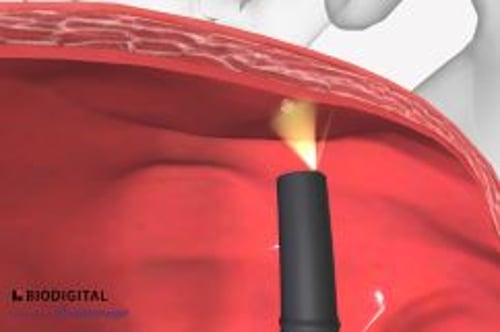
Flexible cystoscopy can be done while a person is awake and causes only minor discomfort. The doctor usually inserts an anesthetic gel into the urethra before the procedure. Possible complications include minor bleeding, temporary burning during urination, and infection. Rigid cystoscopy typically requires general anesthesia and is done in the operating room.
(See also Evaluation of Kidney and Urinary Tract Disorders.)