Dilated cardiomyopathy is a group of heart muscle disorders in which the ventricles (the 2 lower chambers of the heart) enlarge (dilate) but do not contract normally; they are often not able to pump enough blood for the body’s needs, resulting in heart failure.
Viral infections, genetic disorders, and some hormonal disorders are common causes of dilated cardiomyopathy, but often the cause is unknown.
Shortness of breath and fatigue are often the first symptoms.
Electrocardiography (ECG), echocardiography, and magnetic resonance imaging (MRI) of the heart are used to diagnose dilated cardiomyopathy.
Doctors treat the cause of this cardiomyopathy, usually by giving medications.

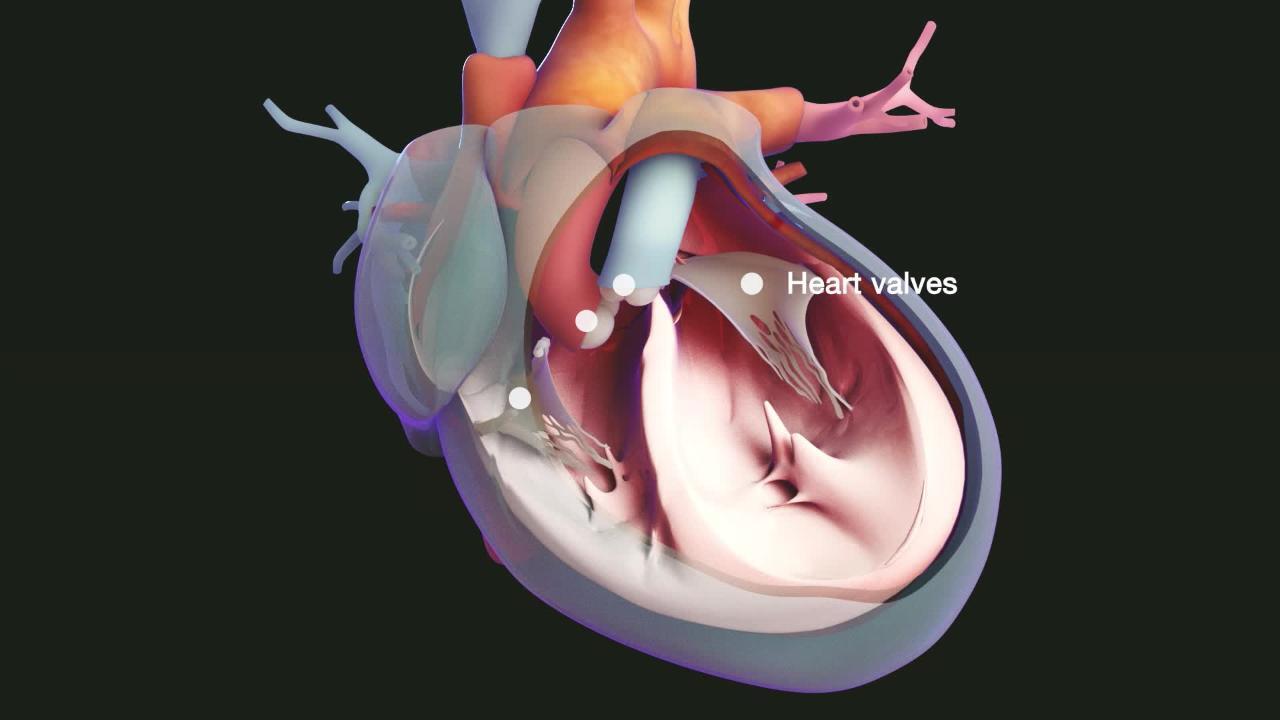
Cardiomyopathy refers to progressive impairment of the structure and function of the muscular walls of the heart chambers. There are 3 main types of cardiomyopathy. In addition to dilated cardiomyopathy, there are hypertrophic cardiomyopathy and restrictive cardiomyopathy (see also Overview of Cardiomyopathy).
The term cardiomyopathy is used only when a disorder directly affects the heart muscle. Other heart disorders, such as coronary artery disease and heart valve disorders, also can eventually cause the ventricles to enlarge, leading to heart failure.
Dilated cardiomyopathy can develop at any age but is more common in adults younger than about 50 years of age. In the United States, the disorder occurs more often in males than in females as well as more often in people with African ancestry compared with White people.
Causes of Dilated Cardiomyopathy
The most common causes of dilated cardiomyopathy are:
Idiopathic (no cause identified)
Viral infections
Genetic disorders (genetic factors play a role in 30 to 40% of cases)
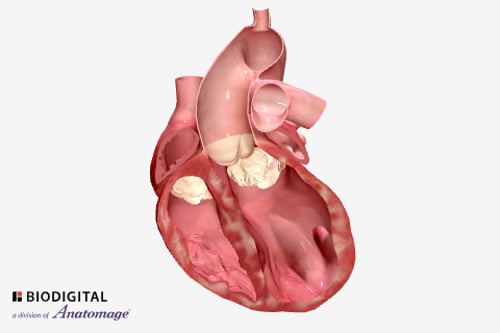
Some viral infections can cause an acute inflammation of the heart muscle (myocarditis). When inflammation damages the heart's pumping ability, the disorder is called viral myocarditis. In North America, infection with coxsackie B virus is a common cause of viral myocarditis. In other parts of the world, other viral or parasitic infections (such as Chagas disease) are more common causes.
When a virus or parasite infects the heart, it can damage and often weaken the heart muscle. Sometimes, the body’s immune response to the infection causes the damage. As a result, the heart cannot pump as forcefully. The damaged heart muscle is replaced by fibrous (scar) tissue. The heart muscle then stretches, resulting in enlargement of the heart chambers and reduced pumping ability. After that point, heart failure develops.
Other causes of dilated cardiomyopathy include:
Certain chronic hormonal disorders such as long-standing, poorly controlled diabetes mellitus or poorly controlled thyroid disease
Severe obesity
Rapid heart rate (when persistent)
Use of alcohol (when intake is heavy), cocaine, some antidepressants, some antipsychotic medications, and a few chemotherapy agents
In many cases, a definite cause of dilated cardiomyopathy cannot be identified, in which case it is called idiopathic dilated cardiomyopathy.
Rare causes of dilated cardiomyopathy include pregnancy (peripartum cardiomyopathy), iron overload, sarcoidosis, and systemic rheumatic disorders such as rheumatoid arthritis, systemic lupus erythematosus (lupus), and systemic sclerosis. Extreme stress can also sometimes cause a type of dilated cardiomyopathy called Takotsubo cardiomyopathy, stress cardiomyopathy, or broken heart syndrome.
Symptoms of Dilated Cardiomyopathy
Dilated cardiomyopathy often develops slowly. Usually, the first symptoms of dilated cardiomyopathy are becoming short of breath during exertion and tiring easily. These symptoms result from the heart not being able to pump enough blood to keep up with the body's demands, which is called heart failure. Some people may have chest pain.
When cardiomyopathy results from an infection, the first symptoms may be a sudden fever and flu-like symptoms.
Complications
Heart failure can develop no matter the cause of dilated cardiomyopathy. If heart failure occurs, fluid is retained in the legs and abdomen (causing swelling), and the lungs fill with fluid (causing shortness of breath with physical activity and while lying flat). When heart failure is severe, blood pressure can be low due to the weakness of the heart.
Heart valve problems may also develop. Because the heart is enlarged, the heart valves may be unable to close normally and often allow blood to leak back into the heart chamber rather than flowing into the next blood vessel or chamber (called regurgitation). The valves most often affected are the mitral valve, which is positioned between the left atrium (upper heart chamber) and the left ventricle (lower heart chamber), and the tricuspid valve, which is positioned between the right atrium and the right ventricle. Leakage causes heart murmurs, which doctors can hear with a stethoscope, and may worsen shortness of breath or the ability to exercise.
Abnormal heart rhythms (arrhythmias) can result from scarring or stretching of the heart muscle. Arrhythmias may cause sensation of irregular heartbeats (palpitations), lightheadedness, shortness of breath, or sudden death. The leakage of the valves and the abnormal heart rhythms may interfere further with the heart’s pumping action.
Blood clots may form on heart chamber walls because blood can pool in the enlarged heart, particularly when the ventricles are very dilated and poorly contracting. The clots can break into pieces (becoming emboli), travel from the heart to blood vessels elsewhere in the body, and block them, causing damage to the organ they supply. If the blood supply to the brain is blocked, a stroke can result.
Diagnosis of Dilated Cardiomyopathy
A doctor's examination
Imaging tests such as echocardiography or magnetic resonance imaging (MRI) of the heart
Sometimes, a biopsy of the heart muscle
Sometimes, testing for the cause and/or complications
The diagnosis of dilated cardiomyopathy is based on the person's symptoms and family history of similar heart diseases, the results of a physical examination, and additional tests. Doctors look for other causes of a dilated heart, such as a previous heart attack, chronic high blood pressure, or a damaged heart valve.
Electrocardiography (ECG) may detect abnormalities in the electrical activity of the heart. However, these abnormalities are usually not sufficient evidence for a diagnosis.
Because genetic disorders may cause dilated cardiomyopathy, family members may also be tested.
Imaging of the heart
Echocardiography, which uses ultrasound waves to produce an image of the heart, is the most useful procedure because it can show both the size and pumping action of the heart.
Cardiac magnetic resonance imaging (MRI), which produces very detailed images of the heart, is often used to confirm the diagnosis (and sometimes identify the cause). MRI can also identify scarring in the heart muscle.
Biopsy and cardiac catheterization
If the diagnosis remains in doubt, cardiac catheterization, an invasive procedure in which a catheter is threaded from a blood vessel in the arm, neck, or leg into the heart, can provide additional information about the pumping ability of the heart. During cardiac catheterization, doctors can also obtain a biopsy (remove a tissue sample from inside the heart for examination under a microscope), measure pressures in the heart chambers, and exclude coronary artery disease.
Treatment of Dilated Cardiomyopathy
Medications
Sometimes, device therapy with a defibrillator and/or pacemaker
If possible, doctors treat the disorder that is causing the dilated cardiomyopathy. For example, medications that suppress the immune system (immunosuppressants) such as steroids (sometimes called glucocorticoids or corticosteroids) may be used to treat a systemic rheumatic disorder that caused dilated cardiomyopathy.
General treatment measures include avoiding stress, limiting salt in the diet, and having periods of rest, which help reduce strain on the heart, particularly when the cardiomyopathy is chronic or severe. Regular physical activity or a cardiac rehabilitation program may be recommended.
Medications for dilated cardiomyopathy
Medications used for heart failure caused by dilated cardiomyopathy are the same medications used for heart failure in general:
Beta-blockers (such as carvedilol, metoprolol or bisoprolol)
A combination angiotensin receptor/neprilysin inhibitor (such as sacubitril/valsartan) or, alternatively angiotensin-converting enzyme (ACE) inhibitors or angiotensin II receptor blockers (ARBs)
Mineralocorticoid receptor antagonists (spironolactone or eplerenone)
Sodium-glucose cotransporter-2 protein (SGLT2) inhibitors (such as dapagliflozin or empagliflozin)
Other medications, such as the combination of hydralazine and nitrates, ivabradine, and digoxin may also be used in certain situations if first line drugs are not effective enough or are poorly tolerated. (See Treatment of Heart Failure for more detail about these medications.)
Antiarrhythmic medications may be given to treat abnormal heart rhythms.
Medications to prevent blood clots, such as warfarin or direct oral anticoagulants, may be used, particularly when a blood clot has formed in the heart or atrial fibrillation has developed.
Special precautions are needed when medications are given to women with peripartum cardiomyopathy because some of the medications usually used to treat cardiomyopathy may be absorbed into breast milk and harm nursing infants.
Device therapy
Some people have an abnormality of the electrical conduction in the heart, which can be helped by a pacemaker that stimulates first the atria and then both ventricles (cardiac resynchronization therapy). This type of pacemaker/defibrillator, when used in the right person, may help to return the contraction pattern of the heart toward normal and improve its function.
Doctors may also consider an implantable cardioverter-defibrillator pacemaker in people who have persistently poor heart function and an increased risk of arrhythmias that may lead to sudden death.
Heart transplantation
Heart failure in dilated cardiomyopathy can be progressive and ultimately fatal. Because of this poor prognosis, dilated cardiomyopathy is the most common reason for heart transplantation or mechanical heart support with a left ventricular assist device.
Prognosis for Dilated Cardiomyopathy
The prognosis of dilated cardiomyopathy varies considerably depending on many factors, including both the cause and the severity of the disease. Some abnormal heart rhythms also indicate a worse prognosis. Overall, the prognosis is better for females than males, and better for White people than for people with African ancestry.
Deaths are often sudden, resulting from an abnormal heart rhythm or an blood clot that blocks blood flow in a critical area. Additional factors that influence the risk of death include the cause and severity of the cardiomyopathy, the person's age and ability to follow medical advice (including taking medications as directed, maintaining a low-salt diet, and attending scheduled follow-up health care appointments), and whether the person has access to specialized treatment. However, overall prognosis has improved with the introduction of implantable cardioverter-defibrillators, cardiac resynchronization therapy, medical therapy and other interventions.
More Information
The following English-language resource may be useful. Please note that The Manual is not responsible for the content of this resource.
Drug Information for the Topic